- PDF cover
- Content
- 1. Introduction
- 2. Theoretical framework
- Theories on rural health
- Provision of care services in SPAs
- Digitalisation in SPAs
- 3. Definition of WIiSPA
- What is a WIiSPA?
- What is the role of WIiSPA?
- Main tasks and area of responsibility
- 4. Mapping of WIiSPAs
- Existing WIiSPA actors in the Nordic Region
- Centre for Rural Medicine in Storuman, Sweden
- Norwegian National Centre of Rural Medicine in Tromsø, Norway
- Iceland Health and Welfare Technology Cluster
- Centre of Expertise on Social Welfare in Northern Finland
- Existing WIiSPA actors outside the Nordic Region
- Rural Health and Care Wales
- Scottish Rural Health Partnership
- Mid North Knowledge Partnership in Australia
- Carbonear Institute for Rural Reach and Innovation by the Sea, Canada
- 5. Concluding remarks
- References
- Acknowledgments
- About this Working paper
MENU
 Photo: Unsplash.com
1. Introduction
The wellbeing of people in the Nordic Region is closely linked to its welfare model, under which the public sector provides wide-ranging services. The system is mainly funded by tax revenues and is based on principles of equality, inclusion and universality. Recent research has shown that there are several notable areas of inequality regarding health, wellbeing and living conditions, both between and within the Nordic countries. Particularly in many rural areas of the Nordic Region, the provision of welfare services is struggling to keep up with uneven demographic trends caused by an ageing population and outmigration of young people, which has, in turn, led to economic decline, recruitment difficulties and skills shortages (Lundgren et al., 2020b). The increasing proportion of older adults also gives rise to relatively high occurrences of non-communicable diseases and mental health issues in these sparsely populated areas (SPAs; Rygh and Hjortdahl, 2007; Roberts et al., 2010). Regional differences regarding education, employment and income in the Nordic countries further exacerbate health and wellbeing inequalities between rural and urban areas (Lundgren et al., 2020b; see also Norlén et al., 2022). It is, however, important to bear in mind that the Nordic Region’s rural areas are very diverse, and therefore drawing a simple distinction between urban and rural living conditions is not so clear cut (Lundgren et al., 2020b). The use of distance-spanning technologies in health care and social care has tremendous potential to increase rural citizens’ access to welfare services, despite a clear urban/rural divide in digital infrastructure and the use of digital services (Lundgren et al., 2020a; Lundgren et al., 2020b).
The concept of Welfare Institutes in Sparsely Populated Areas (WIiSPA) has been adopted in recent years as part of the project Healthcare and Care with Distance-spanning technologies (Vård och omsorg på distans, or VOPD). The VOPD project was initiated by the programme for the Swedish Presidency of the Nordic Council of Ministers in 2018. It was managed by the Nordic Welfare Centre (NWC) and the Centre for Rural Medicine (CRM) and ran until June 2021 (Centre for Rural Medicine, 2022). A continuation of the project, Integrated Health Care and Care through Distance Spanning Solutions (iHAC/iVOPD), was launched in 2021 and is being managed by the CRM, Region Västerbotten and the NWC (Region Västerbotten, 2022). Both projects have been funded by the Nordic Council of Ministers.
Underpinning the concept of WIiSPA is the belief that the stable provision of health and social care services is crucial for regional development. In other words, a well-functioning welfare sector with effective and accessible services is a prerequisite for regional growth across different sectors in SPAs. Another important objective is to promote the development and revitalisation of welfare services in rural areas through networking and knowledge-sharing with other WIiSPA actors across the Nordic Region. Since SPAs in the Nordic countries often face similar challenges, this pan-Nordic WIiSPA network would facilitate the implementation of results and recommendations based on Nordic welfare and regional development projects. WIiSPAs would benefit from the experiences of projects like iHAC/iVOPD, which in turn would contribute to the development of health care and social care services in SPAs of the Nordic Region – with a focus on distance spanning solutions, integration of health and social care services, and recruitment and skills supply.
While the concept of WIiSPA has existed for several years, there is no clear definition of the term. The overall purpose of this working paper is to clarify and determine the definition of WIiSPA and identify WIiSPA actors in SPAs in the Nordic Region and beyond. More explicitly, this working paper aims to shed light on the following project objectives:
- What components, stakeholders, and visions could constitute a WIiSPA; what elements are necessary for creating a WIiSPA? (Definition of WIiSPA)
- Identifying existing and potential WIiSPA clusters in the Nordic countries and beyond; their prerequisites, strengths, and eventual lack of components for creating a WIiSPA (Mapping of WIiSPA)
- How could a network of identified WIiSPA clusters best be developed? (WIiSPA network)
The results of this working paper are based on desk research, short interviews, and roundtable discussions. The material includes academic articles, information from websites and notes from discussions with local stakeholders.
The working paper is structured as follows. First, a short background is provided on previous rural health research, including care service provision and digitalisation in SPAs. Second, the definition of WIiSPAs is discussed based on the unpublished documents, notes and responses from the interviews and roundtable discussions. Third, already existing WIiSPA actors are described in greater detail. In conclusion, the working paper’s findings are summarised, and several recommendations are suggested regarding the setting up and development of the WIiSPA network.
 Photo: A. Zalenkauskas
2. Theoretical framework
Theories on rural health
Although there have been several issues associated with health care services provided in rural and remote communities over a period of several decades, these first came to prominence in research and policy documents during the 1990s (Patterson, 2000; Strasser, 2000; Humphreys et al., 2002; Smith et al., 2008). For instance, the Australian Journal of Rural Health, launched in 1992, became the official journal of the National Rural Health Alliance that aims to improve the health and wellbeing of rural citizens in Australia (Humphreys et al., 2002). In Canada, the Canadian Institutes of Health Research was founded in 2000, which led to discussions about how rural health themes would fit within its work (Pong, 2000). Early research on rural health focused on empirical examples from countries with extensive remote areas and specific Indigenous populations, including Australia, Canada, the United Kingdom and the United States.
Traditionally, rural health research and policy have primarily addressed the challenges surrounding rural citizens’ access to health care services combined with recruitment difficulties and the provision of education and training in SPAs (Hartley, 2004; Farmer et al., 2012). More recent studies, however, have recognised that other health-related disparities exist between rural and urban populations, which cannot be resolved by merely improving access to care services. For instance, rural residents tend to exhibit more unhealthy risk behaviours that correlate with certain societal factors such as lower levels of income or educational attainment (Hartley, 2004; Iglehart, 2018; Jokinen et al., 2020). To a certain extent, these unhealthy lifestyle choices may be reinforced by neighbourhood effects, environmental factors, genetics and ethnicity. In addition, changing such risk behaviours in rural populations through policy interventions seems to be more difficult compared to their urban counterparts (Hartley, 2004).
Based on empirical studies conducted across several academic disciplines, Farmer et al. (2012: 185) identified five key themes in rural theory research: 1) “poorer health status”; 2) “poorer access to health care”; 3) “lack of staff”; 4) “tendency for relationship-based service provision”; and 5) “the role of health services in community sustainability”. The authors further suggest that instead of simply focusing on rural health, it would be more beneficial to study in what way the intersection of several determinants of health impact the individual, and health service provision in general, in different rural areas (Farmer et al., 2012). The poorer health status of rural residents is not necessarily caused by how rural an area is, but how rural these places are “may exacerbate the effects of socio-economic disadvantage, ethnicity, poorer service availability, higher levels of personal risk and more hazardous environmental, occupational and transportation conditions” on health outcomes (Smith et al., 2008: 56).
Provision of care services in SPAs
While recruitment and retention of healthcare workers in rural areas is a global challenge, research and policy documents in Australia, Canada, South Africa and the United States have been quicker to address this issue in greater depth than their counterparts in Europe (Carson et al., 2015). In the Nordic countries, the demand for welfare services has been rapidly increasing in SPAs due to uneven demographic development. At the same time, the number of welfare service employees is decreasing due to outmigration of young people and a large proportion of the workforce reaching retirement age. Consequently, the quality of care is often negatively impacted by the shortage of skilled health care and social workers (Penje and Berlina, 2021).
Previous research has proposed several strategies to attract and recruit qualified healthcare staff in rural areas. It has been suggested that care workers adopt more flexible professional roles and that the delegation of tasks to lay healthcare workers could help overcome some staff shortages (Rygh and Hjortdahl, 2007). In much international policy thinking regarding the rural workforce, the concept of rural pipelines has come to the fore over recent decades. According to this concept, people raised in rural areas and/or people who have received some rural professional training tend to choose rural careers more often than people who have not (Carson et al., 2015; see also Farmer et al., 2012; Bentley et al., 2019). Rural pipeline policies thus recommend recruitment of healthcare students from rural backgrounds and encourage student internships or practice in rural areas (Carson et al., 2015).
Digitalisation in SPAs
In the Nordic SPAs, increased old-age dependency, scattered population distribution, the complexity of remote landscapes due to geography, combined with more recent centralisation policies, makes the provision of care services more challenging. Over recent decades, the development of eHealth solutions has increased as a response to these delivery challenges in remote areas (Roberts et al., 2010). While all the Nordic countries have national eHealth strategies with ambitious goals, the digitalisation of health and social care services proceeded relatively slowly until the onset of the COVID-19 pandemic (Lundgren et al., 2020a; see also Lundgren et al., 2020b). Globally and in the Nordic Region, the implementation of distance-spanning technologies within the health and social care sectors increased rapidly due to the pandemic-induced social distancing measures introduced in early 2020 (e.g., Hirko et al., 2020; Ormstrup Vestergård et al., 2020).
This recent progress in innovative technologies has an enormous potential to close inequality gaps in health between rural and urban areas (Hirko et al., 2020; Lundgren et al., 2020b). The EU Cohesion Policy sees increasing digitalisation as a lucrative and cost-effective solution to provide public services in ’sparselizing’ Europe while making rural populations less disadvantaged (Dubois and Sielker, 2022). In addition, the use of distance-spanning solutions in health and social care is expected to increase the quality of care, access to care services and the cost efficiency of service provision (Lehtonen et al., 2019; Lundgren et al., 2020a). Nonetheless, it is important to acknowledge the still existing urban-rural digital divide (Hirko et al., 2020; Salemink et al., 2017). First, there are significant differences in digital connectivity between rural and urban locations, both in terms of speed and reliability of Internet connections. Second, there are clear urban-rural disparities in social inclusion in the information society, as rural residents are more likely to not possess the requisite digital skills, can face greater difficulties in affording digital devices, and may present more conservative attitudes towards distance-spanning technologies than their urban counterparts (Salemink et al., 2017; Ormstrup Vestergård et al., 2020; see also Hodge et al., 2019).
 Photo: Unsplash.com
 Photo: Unsplash.com
3. Definition of WIiSPA
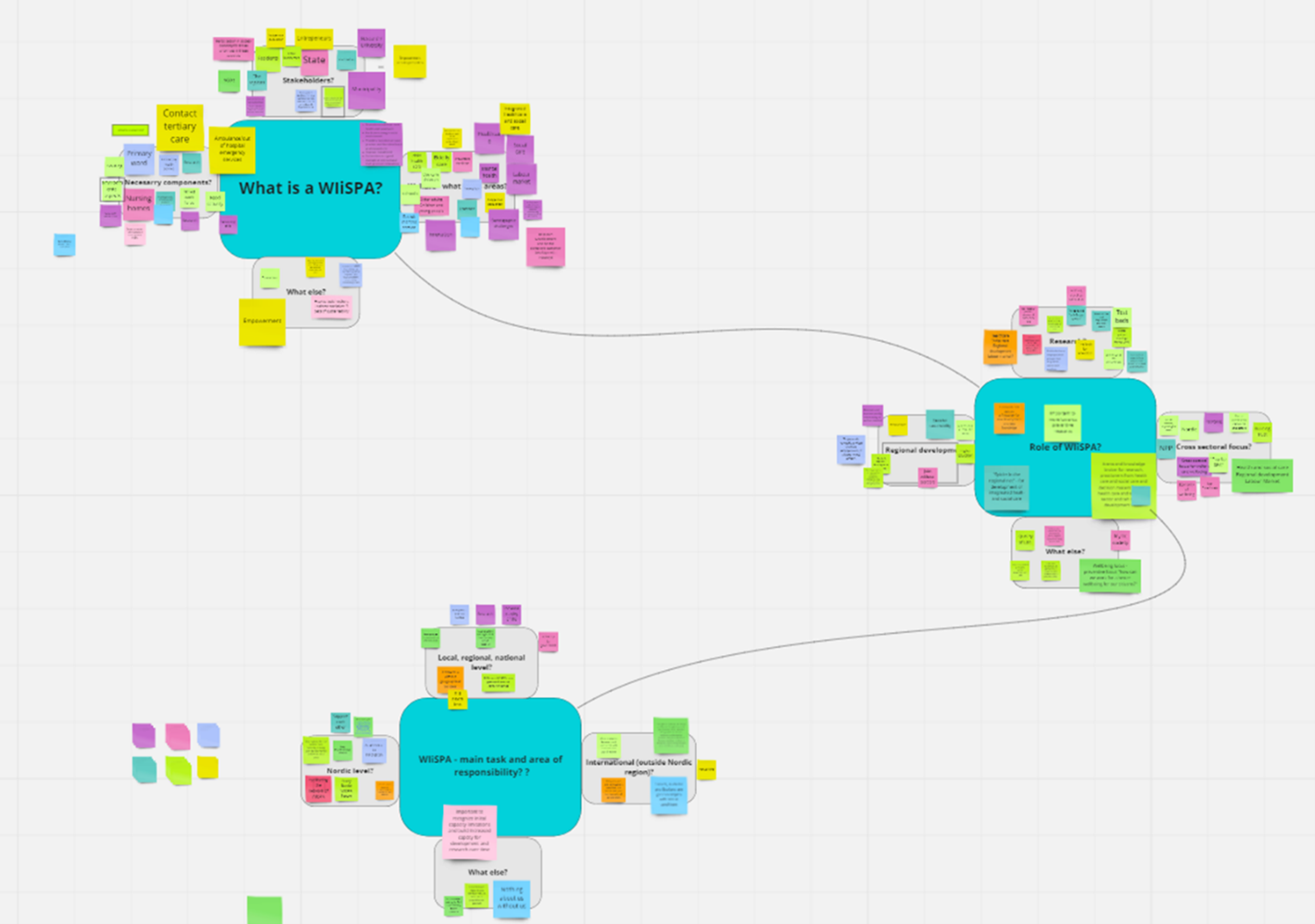
In this section, the definition of WIiSPA will be discussed, focussing on what components, stakeholders, and vision could constitute a WIiSPA. The findings are based on previously unpublished research on the WIiSPA concept and interviews and roundtable discussions conducted with local stakeholders and researchers (see Figure 1).
What is a WIiSPA?
Initial discussions define a WIiSPA as a research and development (R&D) institution that aims to bridge the gap between the innovation priorities of remote communities and the R&D infrastructure often based in urban areas. While the WIiSPA concept is based on several examples of “rural innovation laboratories” within the field of health and medicine, it is envisioned that the WIiSPA model will reach beyond these and include other welfare sectors such as social care, education, integration, demography, access to basic services, labour market, regional development, and recreation and leisure. In a similar manner to the R&D initiatives focused on health and medicine, the WIiSPAs are expected to promote innovation and knowledge mobilisation in rural communities through close networks and partnerships with research institutions, semi-state bodies and commercial companies. In other words, research initiatives based on rural needs and priorities would encourage academic institutions, researchers and students to work with and develop topics that are of importance to remote communities. Ideally, those topics would be both locally relevant and significant from an international research perspective. Such “local thinking” networks and co-learning partnerships would further develop local R&D capacity and promote recruitment of students, researchers, and professionals in rural communities (Carson et al., 2017).
In general, the WIiSPAs should employ a cross-sectoral approach that could include all the aforementioned sectors. Depending on the local context, the WIiSPAs could be formed in several ways and have slightly different priorities and focus areas. Potential WIiSPA stakeholders may include local, regional and national government, entrepreneurs and local businesses, private and public organisations engaged in providing services, universities and research institutions, non-governmental organisations, rural residents, including Indigenous populations and other decision-makers. By including different perspectives, the WIiSPAs are expected to promote local empowerment and build resilience and social, economic, and ecological sustainability in remote communities. A central key element is participation in societal planning for those who live in rural communities since the initiatives should be based on the needs of stakeholders in SPAs. Overall, by initiating potential future research areas and showcasing local innovations, the WIiSPAs would further contribute to the attractiveness of living in rural areas.
Based on the factors outlined above, a WIiSPA can be understood as a local R&D institution that embodies the following functions:
- Assessment and promotion of local research and development priorities
- Facilitation of training, skills supply, and recruitment in SPAs, for instance, by providing examples of rural practice and the role of rural professionals
- Improvement of local R&D capacity through university partnerships and networking with relevant stakeholders and other WIiSPAs
What is the role of WIiSPA?
Overall, the WIiSPAs are expected to function as knowledge arenas and brokers for research and practitioners within the welfare sectors and to work closely with regional development in SPAs. Through networking with relevant stakeholders and other WIiSPA actors, they will be able to promote innovation, new knowledge, and quality of life in SPAs, with a particular focus on preventive measures and health-promoting lifestyles.
From a research perspective, developing research questions from a rural point of view, with a primary focus on rural populations and their needs, including vulnerable population groups such as Indigenous people and older adults, is essential. An insider perspective – “Nothing About Us Without Us” – is a prerequisite. While research partnerships could be developed with academic institutions that are located outside SPAs, it is particularly important always to maintain the rural initiative when formulating research questions and developing research ideas. In keeping with the WIiSPA model, these research initiatives will ideally include a cross-sectoral focus on the welfare model.
The role of WIiSPAs is also closely linked to regional development in SPAs. With their focus on rural practice, research, and innovation, they are intended to maintain and improve the quality and stability of welfare services in rural areas. The WIiSPAs would also function as a basis for sustainability and community empowerment in SPAs, further strengthening and reinforcing the higher education sectors and labour markets in those communities. In addition, the WIiSPAs could function as ambassadors for SPAs by providing relevant narratives and showcasing sites for innovation that may inspire students and professionals to choose rural careers. While many rural actors are too small to carry out development work on their own, the WIiSPAs and the WIiSPA network would allow joint regional development initiatives and partnerships with other similar actors.
Main tasks and area of responsibility
Whereas WIiSPAs are expected to be locally driven and focused on local needs, they could also include local, regional, national and international links through partnerships, networking, and connections to relevant stakeholders and decision-makers. On a local level, the WIiSPAs provide an excellent setting for participatory action research (PAR) since they allow decentralised research activities and development initiatives that are as immediate to the local populations as possible. The WIiSPAs would also function as an advisory body in relation to policymakers.
At a Nordic level, the WIiSPAs are intended as a network enabling mutual support and dialogue around the experiences of local initiatives, which in turn would accelerate the implementation of innovative practices across the Nordic Region and pave the way for R&D co-operation. The WIiSPA network would also function as a door opener at political level, particularly as there is currently strong pan-Nordic interest in developing rural areas. Within the Nordic WIiSPA network, initiatives such as a yearly WIiSPA forum and a journal focused on WIiSPA research could be organised.
At international level, WIiSPA networking beyond the Nordic Region is also relevant since progressing R&D questions through international partnerships and projects is often very beneficial. There are already several SPAs outside the Nordic Region that operate under similar conditions, for instance, in Australia, Canada and Scotland. In addition, many SPAs in developing countries that struggle to provide services for local populations are in the process of implementing innovative solutions such as delivering blood products by drone in Rwanda (Amukele, 2022; Nisingizwe et al., 2022; WIRED, 2022), mobile payment systems in Kenya (Bloomberg, 2022; Digital Initiative, 2015), and remote monitoring of women during pregnancy in Burkina Faso (Arnaert et al., 2019).
 Photo: Unsplash.com
4. Mapping of WIiSPAs
This section identifies and describes several existing WIiSPA actors in the Nordic Region and beyond. While these institutions should not be understood as fully developed WIiSPAs as per the definitions above, most would probably be relevant actors when establishing WIiSPAs and setting up the WIiSPA network. The main purpose of this list is to provide some specific examples, and as a result, there may be other relevant WIiSPA actors within the Nordic Region who have been omitted.
Existing WIiSPA actors in the Nordic Region
Centre for Rural Medicine in Storuman, Sweden
Centre for Rural Medicine (CRM) is a unit focusing on R&D and education in the field of health care and social care in SPAs, which is located in the municipality of Storuman in the region of Västerbotten in Sweden. The main focus areas for the CRM include access to care services in SPAs by using distance-spanning technologies, the health of Sami people, and recruitment and education within the field of rural health (Berggren and Holmkvist-Parkström, 2014; Region Västerbotten, 2022). The CRM has been particularly active in testing and implementing new medical solutions, organising labour in novel ways appropriate to SPAs, overseeing public-private co-operation within the medico-technical sector, participating in international collaborations such as Interreg projects, and working closely with several international networks (Berggren and Holmkvist-Parkström, 2014; Region Västerbotten, 2014; Dubois and Sielker, 2022). A showcase example of CRM activity is the virtual health rooms (VHRs) located in public buildings in inland communities, far from health care centres and the regional hospital of Umeå. Typically, these communities support an ageing population that is less mobile and has difficulties accessing care services. The VHRs are unmanned rooms equipped with medical instruments and amenities for direct video calls with general practitioners and can also be used for blood testing and health checks with or without professional assistance (Näverlo et al., 2016; Jonsson et al., 2022; Dubois and Sielker, 2022).
Norwegian National Centre of Rural Medicine in Tromsø, Norway
In Norway, the first rural public health doctor was employed in 1603, a policy that continued until 1984. Despite this long history of rural medical practice in Norway, the position of rural doctors was hollowed out during the twentieth century. In 1999, however, government-funded projects promoting rural medical practice were initiated at the University of Tromsø, which in turn led to the establishment of the Norwegian National Centre of Rural Medicine (NCRM) in 2007. The activities of the NCRM focus on three main goals. The principal aim is to narrow the gap between rural medical practice and academia. The operational aim is to promote research activities and facilitate education and networking among rural health care professionals. The political aim is to improve recruitment of rural health professionals and the stability and quality of rural health services. NCRM’s achievements include a publication setting out the role of rural contexts in clinical practice, a research programme targeting rural health care practice, and the facilitation of networking and international co-operation between practitioners and researchers focusing on rural health (Aaraas and Swensen, 2008). As Tromsø is a major town located in the region Troms og Finnmark, opinions are divided on whether the NCRM can be counted as a WIiSPA actor. According to some of the interviewed stakeholders, WIiSPAs should be located in small rural areas with populations under 5,000.
Iceland Health and Welfare Technology Cluster
The Iceland Health and Welfare Technology Cluster (VelTek) is a new initiative based in the town of Akureyri in the Northeastern Region of Iceland. The core members of VelTek include the Health Care Institution of North Iceland, Akureyri Hospital, the Intermunicipal Organisation of Northeast Iceland, Heilsuvernd Care Home, and the University of Akureyri. The VelTek aims to improve the quality of life across twelve municipalities with an ageing population in northern Iceland, with a focus on the implementation of health and welfare services by using distance-spanning technologies. By working together with educational institutes, care-service providers, start-ups and local councils, they endeavour to supply health and social care services suited to the various needs of local users while testing new welfare technologies, monitoring the results of new services and facilitating ongoing co-operation with other similar clusters in Iceland (VelTek, 2022).
Centre of Expertise on Social Welfare in Northern Finland
The Centre of Expertise on Social Welfare in Northern Finland was established in 2001, and it covers the regions of Oulu and Lapland, including 51 local authorities in total. The centre consists of a partnership between the University of Lapland, the Oulu University of Applied Sciences, the Kolpene Federation of Municipalities, and the Sami Parliament. The activities of the centre function under the Centres of Excellence on Social Welfare Act (1230/2001), aiming to promote and transfer knowledge in the field of social welfare, develop social welfare services, ensure a comprehensive link between education and practical work, perform research and testing, maintain regional partnerships and develop social services for the Sami people. It also functions as a meeting point for researchers, practitioners, users and students. The long-term focus of the centre includes regional co-operation, development of welfare strategies together with local authorities and participating users, combined with new ways to deliver welfare services, use of technological solutions, empowering social work, research, and development of working methods in the field of social work (Pohjois-Suomen sosiaalialan osaamiskeskus, 2022).
Existing WIiSPA actors outside the Nordic Region
Rural Health and Care Wales, the United Kingdom
Rural Health and Care Wales (RHCW) is a partnership between universities and local authorities in Wales. The vision of the RHCW is “to become a world-leading organisation in rural health and social care research, training, recruitment and best practice”. It aims to promote and develop co-operation on research on rural health and wellbeing, improve training, recruitment, and retention of rural professionals, and become an internationally recognised exemplar on issues of rural health and wellbeing. The objectives of the RHCW also include the establishment of a network of R&D activities on rural health care and social care, creating international partnerships to develop best practice models, instigating implementation of research findings and innovative practices and working with Higher Education Institutions to equip future professionals with relevant skills on rural health care. Other related aims include undertaking research activities that focus on preventive care and services in order to improve population health and wellbeing in rural communities, proactive engagement with rural communities to develop care services and make them accessible as well as advising policymakers on opportunities and challenges regarding the implementation of cost-effective care services in rural areas (Rural Health and Care Wales, 2022).
Scottish Rural Health Partnership, the United Kingdom
The Scottish Rural Health Partnership (SRHP) is a membership organisation hosted by the Division of Rural Health and Wellbeing at the University of Highlands and Islands. The SRHP aims to foster collaboration and share knowledge between healthcare providers, educational institutes, academia, businesses, and local communities in the field of rural health and R&D initiatives. Ideas are shared through a newsletter, information available on its website and organised events, in addition to articles and reports published by the participating members. The SRHP receives funding from the Universities Innovation Fund and is run by an Executive Group and an assisting Steering Group (University of the Highlands and Islands, 2022).
Mid North Knowledge Partnership in Australia
The Mid North Knowledge Partnership is an initiative introduced in 2012 under the auspices of the Flinders University Rural Clinical School in Australia. The partnership aims to facilitate collaboration between the university, government actors, non-governmental organisations, local entrepreneurs, and local community stakeholders in relation to service provision in remote communities in South Australia. The partnership strives to enhance the social, environmental, and economic sustainability of these communities in the face of climate change, with a focus on the development of research activities, co-production of knowledge, provision of relevant training, and showcasing local R&D initiatives. The scope of the partnership includes both the medical field and other welfare sectors (Flinders University, 2022).
Carbonear Institute for Rural Reach and Innovation by the Sea, Canada
The Carbonear Institute for Rural Reach and Innovation by the Sea (CIRRIS) is a medical research unit involved in rural parts of Newfoundland in Canada, which aims to undertake research initiatives that improve local community health and support the field of medical research globally. The more specific goals of CIRRIS include the involvement of local actors and populations in research activities, bridging the gap between local research initiatives and academia, assisting recruitment and retention of healthcare professionals and addressing the health care needs of rural communities locally and globally (CIRRIS; 2022).
 Photo: Unsplash.com
5. Concluding remarks
Based on the results of this study, a WIiSPA can be understood as a locally driven cross-sectoral R&D institution located in a rural community working closely with an academic institution. The main tasks of a WIiSPA include: 1) assessment and promotion of local research and development priorities; 2) facilitation of training, skills supply, and recruitment in the rural community/region; and 3) improvement of local R&D capacity through university partnership and networking with relevant stakeholders and other WIiSPAs. While the academic relationship is essential in a WIiSPA, other potential WIiSPA stakeholders include local, regional and national government, entrepreneurs and local businesses, private and public service providers, other universities and research institutions, non-governmental organisations, rural residents including Indigenous populations and decision-makers. WIiSPAs will most likely be organised in slightly different ways in different places, with specific priorities and focus areas depending on the local context. By participating in the broader WIiSPA network, the WIiSPAs and the WIiSPA actors would have the opportunity to learn from each other’s experiences, and successful initiatives could be trialled and implemented in other SPAs.
This study has identified several existing WIiSPA clusters located both within and outside the Nordic Region. Although some of these do encourage a broader cross-sectoral approach, their main focus is on R&D in health care and social care. While most cannot be described as fully-fledged WIiSPAs, future WIiSPAs could be created around the already existing functions of these organisations. Some of these units are located in the larger cities of the remote regions, and whether these represent a suitable setting for future WIiSPA construction will have to be discussed. Despite their focus on rural health care and social care, they may face difficulties prioritising the most urgent needs of the remote populations in their given region due to their urban environment base. For the most part, the visions and goals of the depicted clusters correspond well with the defined tasks of a WIiSPA, thus facilitating the process of creating a new WIiSPA with those already involved.
A WIiSPA should aspire to promote increased sustainability, regional development, and empowerment in remote communities by identifying local needs and facilitating R&D initiatives targeting those issues. By addressing locally relevant topics that also include a broader perspective pertaining to the international WIiSPA network and academia, they would also contribute positively to ongoing research on welfare service provision in remote areas. WIiSPAs would function as arenas for PAR by helping researchers find locally initiated programmes and providing an empirical setting for academic studies. By providing and communicating detailed information on rural practice combined with educational programmes suited to working conditions in SPAs, the WIiSPAs could also inspire more professionals to choose a career in rural areas.
Since the WIiSPA model is not yet widespread in the Nordic countries, creating a WIiSPA network that includes similarly orientated WIiSPA clusters located beyond the borders of the Nordic Region would be beneficial. Many of these today function in comparable environments to the Nordic SPAs, and their implemented R&D solutions could be a source of inspiration. Nevertheless, the WIiSPA network’s primary focus should involve creating and extending WIiSPAs within the Nordic countries and autonomous regions while facilitating the inter-organisational exchange of ideas and experiences and further contributing to regional development in the Nordic SPAs. To this end, it is important that the creation of the WIiSPA network is a Nordic initiative. Features of the network could include a regular newsletter, a yearly WIiSPA forum and publishing an academic journal focused on network relevant research.
References
Aaraas, I. J., and Swensen, E. (2008). National Centre of Rural Medicine in Norway: a bridge from rural practice to the academy. Rural and Remote Health, 8(2), 948.
Amukele, T. (2022). Using drones to deliver blood products in Rwanda. The Lancet Global Health, 10(4), e463–e464. https://doi.org/10.1016/S2214-109X(22)00095-X
Arnaert, A., Ponzoni, N., Debe, Z., Meda, M. M., Nana, N. G., and Arnaert, S. (2019). Experiences of women receiving mhealth-supported antenatal care in the village from community health workers in rural Burkina Faso, Africa. Digital health, 5, 2055207619892756. https://doi.org/10.1177/2055207619892756
Bentley, M.,Dummond, N., Isaac, V., Hodge, H., and Walters, L. (2019). Doctors’ rural practice self‐efficacy is associated with current and intended small rural locations of practice. Australian Journal of Rural Health, 27(2), 146–152. https://doi.org/10.1111/ajr.12486
Berggren, P., and Holmkvist-Parkström, E. (2014). Vård och omsorg i glesbygd: Norrlands inland, världsledande i utvecklingen av framtidens vård och omsorg i glesbygd – Ett sätt att arbeta, ett sätt att leva, ett sätt att vara. Norrbottens läns landsting, Luleå. Available at: https://www.norrbotten.se/publika/lg/verk/Kansli/Lst/2014/Bilagor/141030/V%C3%A5rd%20och%20omsorg%20i%20glesbygd.pdf (accessed 31 May 2022)
Bloomberg. (2022). Kenyan Mobile Money Gets Boost in Shift to Seamless Payments. Available at: https://www.bloomberg.com/news/articles/2022-04-08/kenyan-mobile-money-gets-boost-in-shift-to-seamless-payments (accessed 31 May 2022)
Carson, D. B., School, A., and Berggren, P. (2015). The ‘rural pipeline’ and retention of rural health professionalsin Europe’s northern peripheries. Health Policy, 119, 1550–1556. http://dx.doi.org/10.1016/j.healthpol.2015.08.001
Carson, D., Liljegren, P.-D., and Berggren, P. (2017). More than medicine: Extending the GMC model for the benefit of rural communities. Unpublished presentation.
Centre for Rural Medicine. (2022). iHAC – Integrated health care and care through distance spanning solutions. Available at: https://integratedhealthandcare.com/ (accessed 16 June 2022)
CIRRIS. (2022). CIRRIS: Carbonear Institute for Rural Reach and Innovation by the Sea. Available at: https://cirrisnetwork.com/ (accessed 31 May 2022)
Digital Initiative. (2015). How Kenya created the world’s most successful mobile-payments service. Available at: https://digital.hbs.edu/platform-rctom/submission/how-kenya-created-the-worlds-most-successful-mobile-payments-service/ (accessed at 31 May 2022)
Dubois, A., and Sielker, F. (2022). Digitalization in sparsely populated areas: between place-based practices and the smart region agenda. Regional Studies, 1–12. https://doi.org/10.1080/00343404.2022.2035707
Farmer, J., Munoz, S.-A., and Threlkeld, G. (2012). Theory in rural health. The Australian Journal of Rural Health, 20(4), 185–189. https://doi.org/10.1111/j.1440-1584.2012.01286.x
Flinders University. (2022). Securing the future of regional SA. Available at: https://news.flinders.edu.au/blog/2014/04/02/securing-the-future-of-regional-sa/ (accessed 31 May 2022)
Hartley, D. (2004). Rural Health Disparities, Population Health, and Rural Culture. American Journal of Public Health, 94(10), 1675–1678. 10.2105/ajph.94.10.1675
Hirko, K. A., Kerver, J. M., Ford, S., Szafranski, C., Beckett, J., Kitchen, C., and Wendling, A. L. (2020). Telehealth in response to the COVID-19 pandemic: Implications for rural health disparities. Journal of the American Medical Informatics Association, 27(11), 1816–1818. 10.1093/jamia/ocaa156
Hodge, H., Carson, D., Carson, D., Newman, L., and Garrett, J. (2017). Using Internet technologies in rural communities to access services: The views of older people and service providers. Journal of Rural Studies, 54, 469–478. https://doi.org/10.1016/j.jrurstud.2016.06.016
Humphreys, J., Hegney, D., Lipscombe, J., Gregory, G., and Chater, B. (2002). Whither Rural Health? Reviewing a Decade of Progress in Rural Health. The Australian Journal of Rural Health, 10(1), 2–14. https://doi.org/10.1111/j.1440-1584.2002.tb00002.x
Iglehart, J. K. (2018). The Challenging Quest to Improve Rural Health Care. The New England Journal of Medicine, 378(5), 473-479. 10.1056/NEJMhpr1707176
Jokinen, J. C., Cuadrado, A., Wang, S., and Franzén, E. (2020). Health in the Nordics – how are the Nordic inhabitants doing? In A. Lundgren, L. Randall, and G. Norlén (Eds.), State of the Nordic Region 2020: Wellbeing, health and digitalisation edition (pp. 25–37). Nordic Council of Ministers, Copenhagen.
Jonsson, F., Carson, D. B., Goicolea, I., and Hurtig, A.-K. (2022). Strengthening Community Health Systems Through Novel eHealth Initiatives? Commencing a Realist Study of the Virtual Health Rooms in Rural Northern Sweden. International Journal of Health Policy and Management, 11(1), 39–48. 10.34172/ijhpm.2021.08
Lehtonen, O., Muilu, T., and Vihinen, H. (2019). Multi-local living–An opportunity for rural health services in Finland? European Countryside, 11(2), 257–280. https://doi.org/10.2478/euco-2019-0013
Lundgren, A., Ormstrup Vestergård, L., Bogason, Á., Jokinen, J. C., Penje, O., Wang, S., Norlén, G., Löfving, L., and Heleniak, T. (2020a). Digital Health Care and Social Care – Regional development impacts in the Nordic countries (Nordregio Report 2020:14). Nordregio, Stockholm. doi.org/10.6027/R2020:14.1403-2503
Lundgren, A., Randall, L., and Norlén, G. (2020b). State of the Nordic Region 2020: Wellbeing, health and digitalisation edition (Nord 2020:052). Nordic Council of Ministers, Copenhagen. http://dx.doi.org/10.6027/nord2020-052
Nisingizwe, M. P., Ndishimye, P., Swaibu, K., Nshimiyimana, L., Karame, P., Dushimiyimana, V., Musabyimana, J. P., Musanabaganwa, C., Nsanzimana, S., and Law, M. R. (2022). Effect of unmanned aerial vehicle (drone) delivery on blood product delivery time and wastage in Rwanda: a retrospective, cross-sectional study and time series analysis. The Lancet Global Health, 10(4), e564–e569. https://doi.org/10.1016/S2214-109X(22)00048-1
Norlén, G., Randall, L., Sánchez Gassen, N., and Tapia, C. (2022). State of the Nordic Region 2022 (Nordregio Report 2022:2). Nordregio, Stockholm. http://doi.org/10.6027/R2022:2.1403-2503
Näverlo, S., Carson, D. B., Edin-Liljegren, A., and Ekstedt, M. (2016). Patient perceptions of a Virtual Health Room installation in rural Sweden. Rural and Remote Health, 16(4), 3823.
Ormstrup Vestergård, L., Penje, O., Jokinen, J. C., Rotvold, G.-H., and Kristiansen, T. T. (2020). Improving accessibility through digitalisation in health care and social care. In A. Lundgren, L. Randall, and G. Norlén (Eds.), State of the Nordic Region 2020: Wellbeing, health and digitalisation edition (pp. 52–65). Nordic Council of Ministers, Copenhagen.
Patterson, C. (2000). The Emergence of Rural Health Research in Australia. The Australian Journal of Rural Health, 8(5), 280–285. https://doi.org/10.1046/j.1440-1584.2000.00338.x
Penje, O., and Berlina, A. (2021). Recruitment and retention in the welfare sector: Nordic good practice (Policy brief 2021:1). Nordregio, Stockholm.
Pohjois-Suomen sosiaalialan osaamiskeskus. (2022). Pohjois-Suomen sosiaalialan osaamiskeskus. Available at: https://ekollega.fi/poske (accessed 31 May 2022)
Pong, R. W. (2000). Rural health research in Canada: at the crossroads. The Australian Journal of Rural Health, 8(5), 261–265. https://doi.org/10.1046/j.1440-1584.2000.00330.x
Region Västerbotten. (2014). Innovationsstrategi Västerbotten 2014 – 2020. Region Västerbotten, Umeå. Available at: https://www.regionvasterbotten.se/VLL/Filer/Innovationsstrategi-2014-2020.pdf (accessed 31 May 2022)
Region Västerbotten. (2022). Healthcare and Care at Distance. Available at: https://www.healthcareatdistance.com/about-us/ (accessed 16 June 2022)
Roberts, A., Reponen, J., Pesola, U.-M., Waterworth, E., Larsen, F., Mäkiniemi, M., Heaney, D., J., Wakeling, McFarlane, A., Winblad, I., and Christensen, B. (2010). Transnational Comparison: A Retrospective Study on e-Health in Sparsely Populated Areas of the Northern Periphery. Telemedicine and e-Health, 16(10), 1053–1059. 10.1089/tmj.2010.0075
Rural Health and Care Wales. (2022). Rural Health and Care Wales. Available at: https://ruralhealthandcare.wales/ (31 May 2022)
Rygh, E. M., and Hjortdahl, P. (2007). Continuous and integrated health care services in rural areas. A literature study. Rural and Remote Health, 7(3), 766.
Salemink, K., Strijker, D., and Bosworth, G. (2017). Rural development in the digital age: A systematic literature review on unequal ICT availability, adoption, and use in rural areas. Journal of Rural Studies, 54, 360–371. https://doi.org/10.1016/j.jrurstud.2015.09.001
Smith, K. B., Humphreys, J. S., and Wilson, M. G. A. (2008). Addressing the health disadvantage of rural populations: How does epidemiological evidence inform rural health policies and research? The Australian Journal of Rural Health, 16(2), 56–66. https://doi.org/10.1111/j.1440-1584.2008.00953.x
Strasser, R. (2000). Rural Health Research: Have we Turned the Corner? The Australian Journal of Rural Health, 8(5), 249–253. https://doi.org/10.1046/j.1440-1584.2000.00334.x
University of the Highlands and Islands. (2022). Scottish Rural Health Partnership. Available at: https://www.uhi.ac.uk/en/research-enterprise/res-themes/health/srhp/ (accessed 31 May 2022)
VelTek. (2022). VelTek: Iceland Health and Welfare Technology Cluster. Available at: https://en.veltek.is/ (accessed 31 May 2022)
WIRED. (2022). Drones Have Transformed Blood Delivery in Rwanda. Available at: https://www.wired.com/story/drones-have-transformed-blood-delivery-in-rwanda/ (accessed 31 May 2022)
Acknowledgements
Nordregio would like to thank the experts who provided key inputs to this working paper: Bengt Andersson (Project manager, Nordic Welfare Centre, Sweden), Peter Berggren (Medical Doctor focused on health care provision in remote areas, Region Västerbotten, Sweden), Heidi Hodge (PhD candidate, Central Queensland University, Australia), Dean Carson (Visiting professor, Department of Epidemiology and Global Health, Umeå University, Sweden), Halldór Sigurður Guðmundsson (Associate Professor, Faculty of Social Work, University of Iceland, Iceland), Sigurður Einar Sigurðsson (Chief Medical Executive and Chief Executive of Surgical Services, Akureyri Hospital, Iceland), Andreas Lundqvist (Head of Unit at the Centre for Rural Medicine, Sweden), Niclas Forsling (Project manager, Centre for Rural Medicine, Sweden), Anna Lundgren (Senior Research Fellow, Nordregio, Sweden), Pia Nevala Westman (Project manager, Nordic Welfare Centre, Sweden), and Aila Määttä (Project manager, Nordic Welfare Centre, Sweden).
This working paper was written within a project called Welfare Institutes in Sparsely Populated Areas, which was coordinated by Bengt Andersson at the Nordic Welfare Centre and funded by the Nordic Council of Ministers.
About this Working paper
Welfare institutes in sparsely populated areas