Bornholm. Photo: Johannes Lidmo
3. Fieldwork: Denmark, Finland, Norway
3.1. Denmark: Skive and Bornholm
3.1.1. Case description
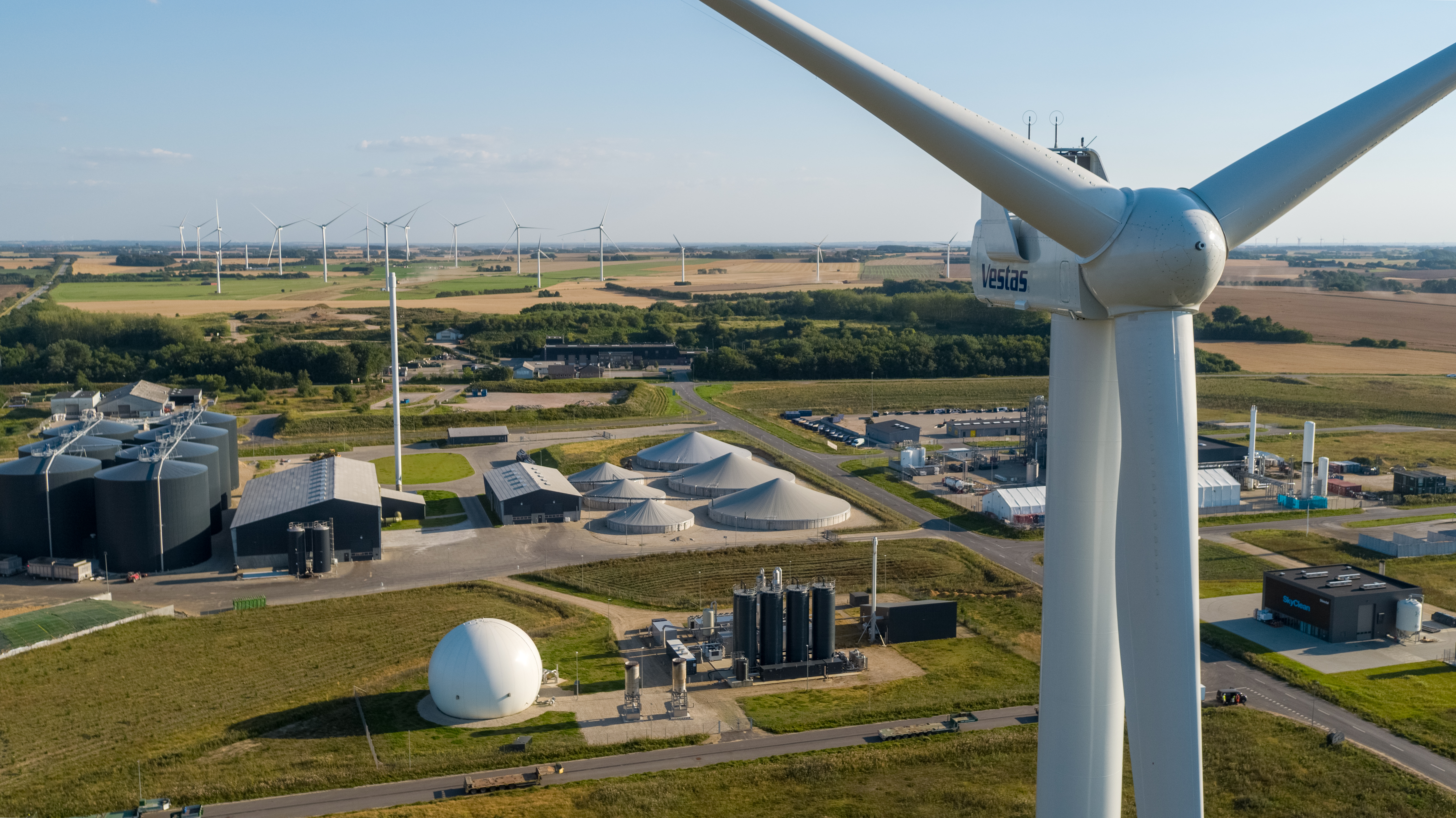
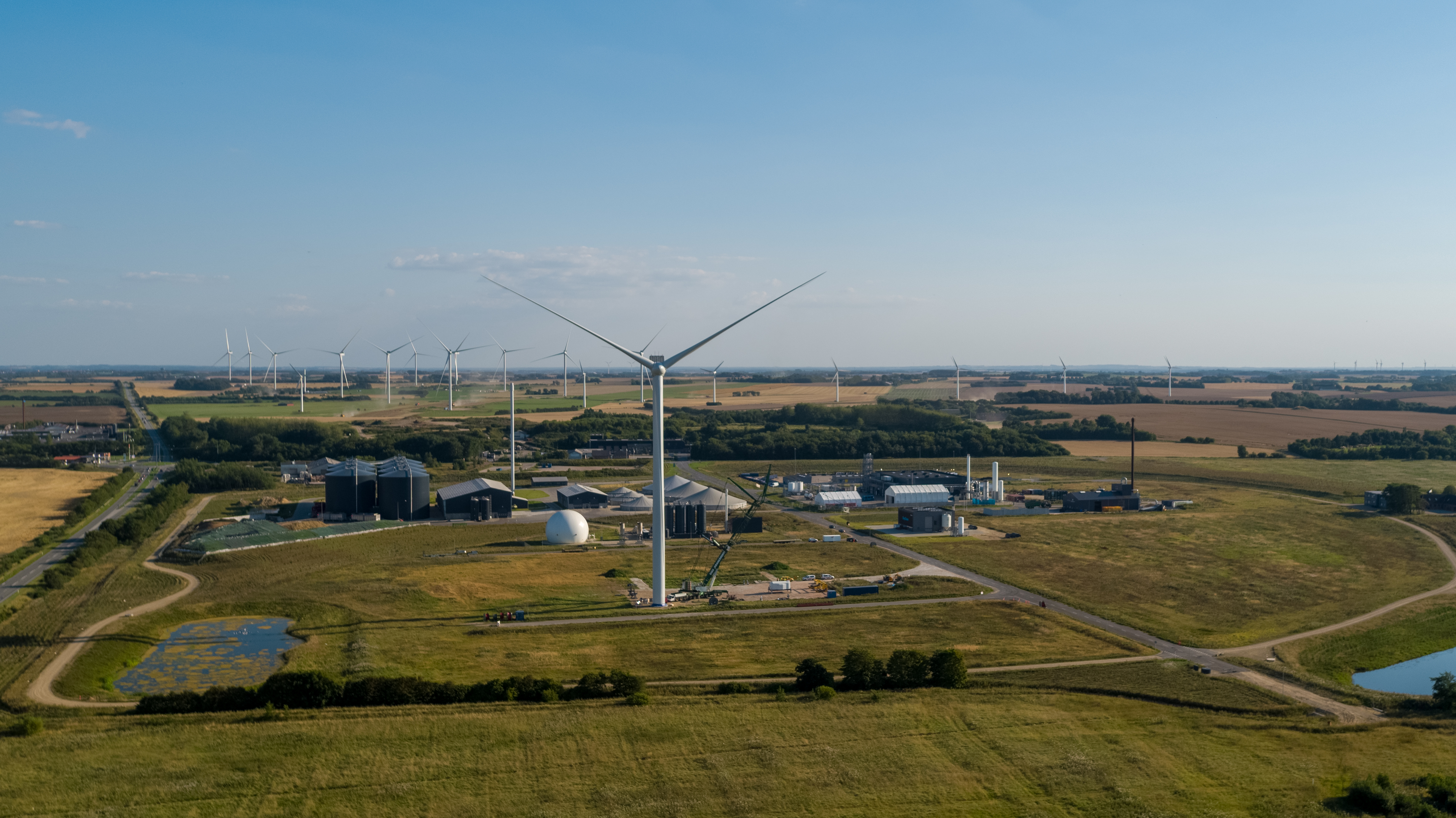
GreenLab is a green industrial park, a national research facility and a technology know-how hub located in Skive, Denmark. Work that eventually led to GreenLab’s formation began in 2008 as a municipal project, the first aim of which was to redress a negative demographic by increasing investment in innovation and the green economy and eventually transforming the rural area into a sustainable energy hub . The closure of local furniture factories in the aftermath of the 2008 financial crisis was one of the catalysts for brainstorming new industrial projects (Interviews 1, 2). Concrete work involving GreenLab began as a municipal development project in 2014 as part of an EU-funded project centred on biogas and power-to-gas technology development. Before that, the municipality had already explored several pathways involving different energy forms (Interviews 1, 2, 3). The project was initiated by the municipal technical department, and, in 2015, a commercial climate fund, Klimafonden Skive (already established in 2010 by the municipality) was put in place to facilitate the commercial development of the project and encourage public-private partnerships to further the local green transition. To avoid the risk of a conflict of interests, the municipal board decided to let Klimafonden conduct the commercial development and initiation of the public-private partnership in GreenLab. Meanwhile, Skive municipality continued its role as a more traditional public authority, such as addressing environmental questions, planning regarding the future of wind turbines, etc., and fundraising for the project (Interviews 1, 2).
Today, the park is home to eight companies specialising in energy storage and resource efficiency. A specific aspect of the park is its provision of internally sourced renewable energy, which serves as the primary energy supply for all resident companies engaged in the production of environmentally friendly goods, including electro fuels, heat, and other sustainable products. The system also allows companies to share their surplus resources within the park, thus decreasing the costs of production. The park is constructed around a circular economy framework that aims to foster innovation to benefit the resident companies and the surrounding region and evolve towards a future industrial symbiosis. For example, converting agricultural waste into resources such as biogas and biomass both reduces carbon emissions and engages local farmers’ production. Stimulating regional growth by generating new employment opportunities and creating value-added products are the primary objectives. The Danish government has supported the project by designating GreenLab as an official regulatory energy test zone and by allocating c. DKK 9.m in smart adaptation financing. In addition, it has received over DKK 1.bn of funding from various (mainly private) sources. In figures, the project now covers 60 hectares of land and has raised over DKK 3.bn in investments from private and public sources (Interviews 1, 2, 3, 4, GreenLab 2023). As the project has developed and GreenLab’s activities have evolved in more complex directions than mere energy production, Skive municipality’s focus has also shifted from job creation to branding and storytelling, aspiring to embed the green transition as a more integral part of the Skive community (Interview 4).
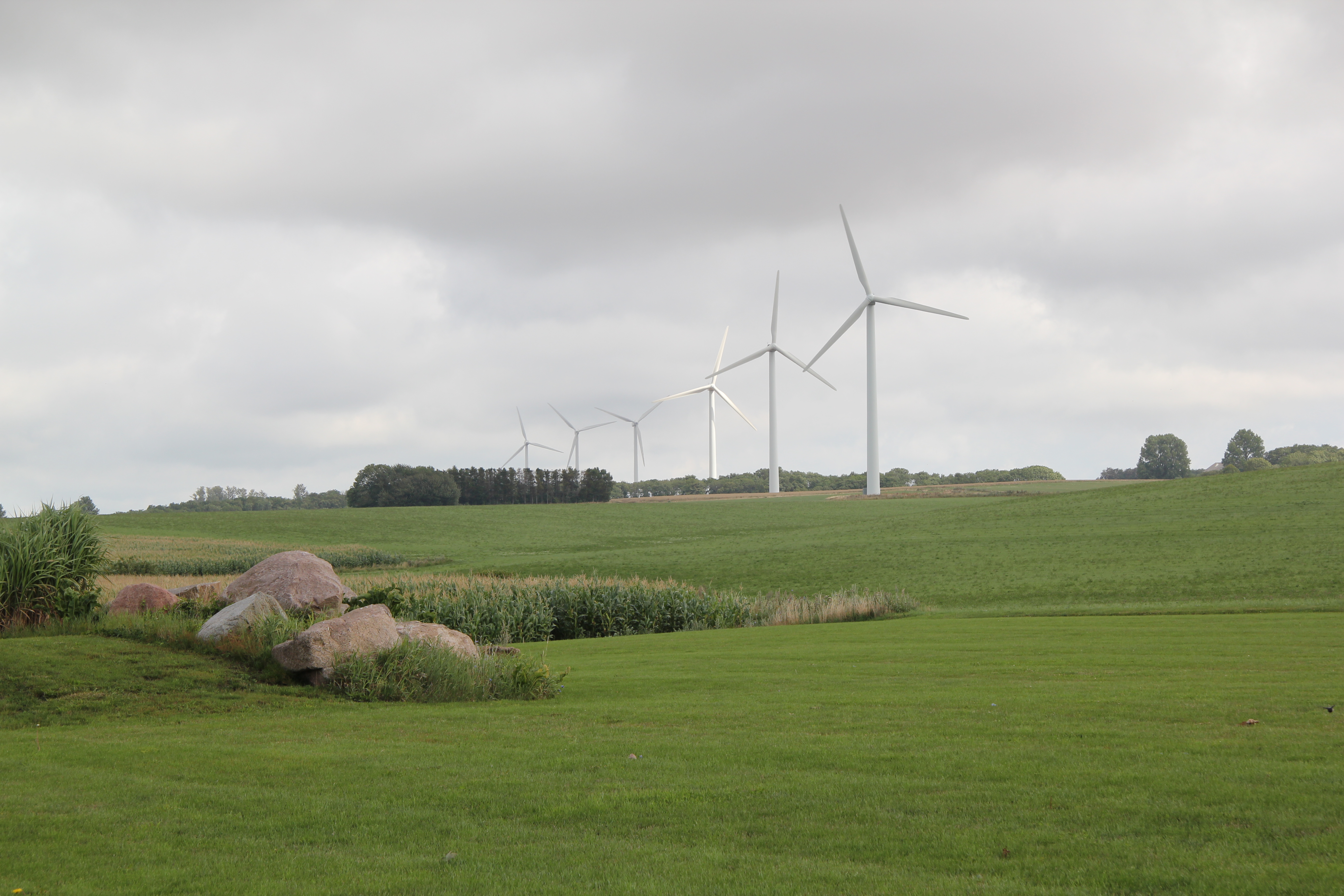
The work achieved under the GreenLab project has fed into the Baltic energy island project underway on the island of Bornholm, Denmark. As Denmark is the clear frontrunner in offshore wind energy production in the Nordic countries with 2,308 MW, it has had considerably more time and experience in building links between local (rural) communities and energy production (Nordic Energy Research 2023). The Energy Island Bornholm project represents the “third generation” of wind energy production, where offshore wind is collected on an (artificial or natural) island and transported to other destinations. On completion of the project in 2030, Bornholm (20,000 households) will produce energy for 3–4 million households in all. A relatively small offshore wind turbine is already owned by the regional municipality and serves the needs of local residents, and two much larger turbines are linked to national goals to reduce emissions (Interview 5).
The current aim of the Bornholm project is to link municipal development goals related to industrial development and an increase in population with the potential offered by the offshore wind hub, in turn creating the type of industrial symbiosis ecosystem successfully established in Skive. The municipality has suffered from a long-term budget deficit and population decrease, raising worries over maintaining public services such as schools and kindergartens in the future. To generate a more lasting solution to these structural problems, Bornholm is seeking investments to create a new business ecosystem. The aim is to move beyond merely being a subcontractor for large energy companies during the relatively short building periods of new installationss and instead enhance its position on the new energy frontier to create long-term employment and a new type of industry. Other sustainability goals besides renewable energy production are also linked to the energy island initiative, such as reaching zero carbon emissions by 2040 and recycling or reusing all waste by 2032. Ultimately, the aim is to combine the energy hub with broader municipal development goals and to turn the tide on attracting new people and investments to the island because, without substantial support, it will be difficult to scale up from simple energy installations to establishing larger green industries (Interviews 5, 7). In June 2023, Denmark and Germany signed an agreement to develop a joint offshore wind power project by the early 2030s. The electricity generated by the park will be shared by the two countries (BMWK 2023; Bornholm info 2023).
Skive. Photo: GreenLab.
3.1.2. Direct and indirect local benefits
The GreenLab industrial park works closely with scientists and international companies. These partnerships utilise local resources and upgrade less-value resources (such as manure), generate new employment, add to the diversification of the economy, and have a positive impact on the local community. At present, the park has created 80 permanent jobs directly and generated more employment indirectly. Other economic benefits include an increase in demand for local services, including more hotel visitors and contracts for local building companies. A local farmer interviewed noted that it was relatively easy for farmers like her to get involved with the GreenLab project because, after the initial set-up, the process was straightforward for the provider of raw materials (in this case, slurry from her pig farm). Despite the learning and rethinking still required, earnings from selling slurry have been significant, so the farmers see the project as a profitable investment. (Interview 6).
Although there is no direct impact on education, the park is in close dialogue with the local college and in the future, some activities may be relocated to Greenlab to encourage and continue this exchange. The project has also created research and education programs with several universities, while the state has provided financing for GreenLab to conduct more mission-driven research. Lastly, there has been significant media coverage of the various initiatives, which local stakeholders believe has contributed substantially to the municipality’s revitalised image (Interviews 1, 2, 3, 4).
One clear benefit of the GreenLab project has been its ability to engage a wide network of people, resulting in close co-operation between the industrial park, the climate fund, the municipality, and local business development stakeholders. Their overall aim is to trigger systematic change via industrial symbiosis. After GreenLab was separated from the Climate Fund to become its own joint stock company, the fund and the municipality have been working together on connecting more resources and waste flows from businesses to solve new environmental problems, such as excess nutrients in fjords (Klimafonden). The climate fund is shifting towards biofarming, and a growth partnership has been established between the Greenlab Skive company, Klimafonden, Skive municipality, the local chamber of commerce Business Skive, and representatives of local educational institutions (Interview 4).
Bornholm has begun its work towards local benefit creation by identifying possible pathways to this goal. Two roadmaps have been drafted with this purpose in mind, one of which is of a technical nature and the other focussing on optimising the economic effects for the benefit of the local community. The Danish state is supporting long-term development by investing in the establishment of a business lighthouse, the Baltic Energy Island, which will focus on fostering knowledge production, education and innovative green solutions. This is a decisive step towards attracting new types of businesses, labour force, and residents to the island (Interviews 5, 7, Bornholm info 2023).
Skive. Photo: GreenLab.
3.1.3. Social acceptance and perceptions of justice
Skive’s impressive history of renewable energy projects has helped the GreenLab project evolve, as the local community were already familiar with many of the themes involved. Staunch support for GreenLab also came from within the municipal administration, as its original drivers were “visionary and persistent public administrators” (Interviews 1, 2). The substantial commitment from the municipality acted as a kind of a double-edged sword: on the one hand, it led to doubts about whether investing major resources into a single project was a reasonable approach, while on the other, it has served as a legitimising element throughout the project’s lifetime (Interviews 1, 2, 4).
“Lots and lots and lots of hard work - a lot of coffee drinking.” (Interviews 1, 2).
Already at the early planning stages of the GreenLab project, the Skive municipality engaged in active, ongoing discussions at a local level in an effort to galvanise broad social acceptance for the initiative. In practice, this has included activities such as inviting people to view the future building site, co-create ideas, and identify ongoing concerns. With the same purpose in mind, Klimafonden set up a physical office to house GreenLab long before construction work on the site began in order to maintain a permanent meeting place promoting an open-door policy. Klimafond has also participated in a variety of more general communal activities by providing venues for hosting meetings, for example (Interviews 1, 2, Klimafonden). Informing people about the social, economic and environmental goals of the project has been another element of these social acceptance efforts, as well as keeping citizens up to date about changes as they occur. The emergence of new workplaces proved an important legitimisation step: as people noticed that others they knew were being employed by the GreenLab, the previously abstract ideas and concepts became notably more tangible (Interviews 1, 2, Klimafonden). Overall, the process of engaging with local stakeholders and securing social acceptance has proven positive, although there have been complaints relating to certain side effects: smells emanating from protein plants and increased noise and traffic. Interestingly, some landscape-altering installations like wind turbines have evoked far less negative feedback compared to other Danish municipalities (Interviews 1, 2, 4, Klimafonden). According to a local farmer, general discussions of the importance of the green transition were the main motivation for finding out more and becoming involved in GreenLab co-operation. Another element that has generated trust in the project has been GreenLab’s ability to make realistic promises and keep them (Interviews 4, 6).
In Bornholm, local concerns have primarily revolved around landscape changes, as well as possible damage that the new installations could cause to marine life. Some residents will have to relocate, and there are currently insufficient plans to ensure adequate compensation for neighbours to the coming installations. Other concerns relate to agricultural land use interests and a broader resistance to internationally owned energy installations. Since Bornholm already has its own small-scale wind energy plants, some residents would prefer to invest only in locally owned projects such as these, as benefits from a larger project may seem more abstract and top-down in nature. Connecting Bornholm’s own grid with that of Energy Island is a technically challenging task that might nevertheless increase the social acceptance of the project if combined with the energy security of the island as a whole, allowing the municipality to make a full non-carbon transition (Interview 5).
Stakeholders expressed the view that larger energy companies interested in Bornholm should also invest in the broader surrounding area and help plan for its well-being in a longer perspective. However, investing in a form of direct compensation (such as building new sports facilities, which is one traditional route) is seen as controversial, as it may easily create an impression of ‘charity’ directed towards the local communities. If the companies arriving in the area fail to build a lasting relationship with the local community, the initial compensation can quickly seem insufficient compared to the ongoing impacts caused by the energy installations (Interview 5).
Bornholm. Photo: Ágúst Bogason.
3.1.4. Communities and future visions
Granting the GreenLab project status of a strategic priority and committing a great deal of their technical department resources was a risky undertaking for Skive municipality. This commitment allowed a process of co-creating, negotiations, knowledge exchange and networking facilitation between local businesses, all of which were essential to the success of the project (Interviews 1, 2, 4). As the project has flourished, Skive has continued to link the municipality as a whole to its narrative, creating the slogan “Pure Life” and significantly increasing the number of civil servants working with sustainability. After the slogan’s introduction, private businesses have taken it up as well. It is undoubtedly possible that municipal branding activities have certain value in and of themselves by demonstrating that the municipality is actively doing something. Following a similar logic, when new activities and people create a synergy in an area, more jobs and businesses often follow (Interview 4, Klimafonden).
In Bornholm, the municipality is striving to create a link between green energy projects and the overall future direction of the community, namely, the goal of reaching 42,000 inhabitants to secure essential municipal services. Thus far, most measures to turn the demographic tide have proved unsuccessful, but according to expert estimations, the workforce needed to maintain the future energy installations would increase the population and hit this target. An example suggesting that the Energy Island plan is becoming a project grounded in its environs is that small local communities of volunteers have begun promoting their regions to potential investors (Interviews 5, 7).
One essential way of considering the well-being of the whole community would be increased investment in nature-inclusive design (e.g., options that lessen the damage to ecosystems that new installations may cause) or landscaping activities (such as larger land purchases than absolutely necessary for the energy installations enabling the creation of new environments around the windmills). These types of initiatives would facilitate new topographic approaches and encourage other future goals like increasing biodiversity or creating recreation areas. Here, a willingness displayed by large energy companies to spearhead these initiatives operating in the area is key (Interview 5, Nordic Energy Research 2023).
Denmark has a long and chequered history of green energy transitions, primarily in the form of wind energy. Consequently, there is much less debate about the environmental concerns or benefits in relation to new energy installations. Nevertheless, there are various other environmental benefits that could further improve the social acceptance of new energy projects. Future legislation and market demand for more sustainable production methods will impact industries with relatively high CO2 output per Added Value, such as agriculture, manufacturing and transport, all of which are present both in Bornholm and other rural areas. Approximately 14% of local jobs on the island are in industries dangerously exposed to climate change, underlining the need to accelerate green transition solutions. The Energy Island project has also proposed this argument in relation to its initiative (Interview 7).
Ilosjoki wind park. Photo: Helena Raatikainen.
3.2. Finland: Northern Ostrobothnia and Northern Central Finland
3.2.1. Case description
The development of wind energy in Finland is aligned first and foremost with the European Union’s climate goals and at a regional level, with regional programmes and planning. These programmes usually consist primarily of qualitative rather than specific quantitative goals. A notable exception is Finland’s national carbon neutrality 2035 roadmap, which proposes a rapid increase in electricity production, with a wind power share of 22 TWh (Majava et al. 2022). In regional strategies, the Vision for the 2025 programme for Northern Ostrobothnia includes the goal of utilising green transition opportunities. The associated climate and energy planning document designates a central role for wind energy. In Central Finland, the 2040 regional land use plan is in the process of being reformed to include, among other themes, a significant increase in wind energy construction. Similarly, the municipality of Pihtipudas has taken the initiative to feature wind power in its municipal strategy for 2021–2025 as a part of a larger vision for sustainable development (Keski-Suomen liitto 2023, Pihtipudas 2021).
The Finnish cases followed the setting up of new wind parks in Northern Ostrobothnia (Pohjois-Pohjanmaa) and Northern Central Finland (Pohjoinen Keski-Suomi). Both regions have historically been important peat production locations, and as the state has decided to discontinue the use of peat in energy production, the green transition has become a highly prescient issue. However, both regions have very differing energy production histories. Wind parks are a relatively new phenomenon in Northern Central Finland (although now witnessing a rapid expansion). The region was previously unsuitable for wind energy production, but the increased height of current turbines (up to 300 metres) and reduced building costs have made exploring new sites feasible (Interview 8). There are currently 14 wind park projects in progress or completed, and another cluster of parks has been accepted for future planning.
In Northern Ostrobothnia, there is a more established tradition for wind power production, as the region is located on the coast of the Bothnia Bay. 42% of Finland’s wind parks are situated here, amounting to over 550 windmills generating tax revenues of EUR 1.3 bn by the end of 2023 (Tuulivoimayhdistys 2023). The regional project ‘TUULI’ (“WIND”) was active between 2020 –2023 and featured a plan for a wind park cluster whose production would be equivalent to two nuclear power plants (Interview 9; Fingrid 2022).
In Northern Central Finland, the initial planning stage for the wind park projects was financed with funding from the Ministry of Environment and EU regional development funds. As part of the contracts with the industrial sector, wind energy companies agreed to cover the costs of further planning and survey work, while land-use planning was conducted separately in each municipality (Interview 10). In Northern Ostrobothnia, there have been several projects supporting wind construction in recent years. The ‘TUULI’ (“WIND”) project was financed through the EU Structural Funds programme and supported by all 30 municipalities of the region and the Council of Oulu region (Interview 9). A related project, estimating the expected regional economic and employment effects of industrial-scale wind power, was funded by the Ministry of Economic Affairs and Employment, and the survey work was conducted by the region itself (Interview 11).
3.2.2. Direct and indirect local benefits
The most direct and tangible local benefit in both regions has been the property tax that wind power companies pay to each municipality, consisting of EUR 30,000 m per year. This income can have a potential lifespan of over 30 years and will play a significant role in the economy of small municipalities that often encounter difficulties maintaining their public services as independent constituents. The focus of discussion has typically revolved around this question, relegating other possible benefits to the margins (Interviews 10, 12). In addition, there are other direct monetary benefits and compensation for landowners who live close to a wind park or are impacted by one, which in turn also generate a certain amount of tax revenue. In some municipalities, wind power companies have entered individual agreements with residents or set up “village voucher” schemes, whereby a percentage of the overall profits (ranging from 3.5 to 5%) are ringfenced for use for the common benefit of the entire community. The owners of the land where the wind turbines are situated agree on the specific use of these funds jointly as a group (Interviews 10, 13).
Monetary benefits and compensations bring long-term local benefits during the lifetime of the wind park, facilitating more ambitious long-term development plans as well. However, in Northern Ostrobothnia, which has considerably more experience of these types of financial structures, some experts have noted that property tax is sometimes overplayed as a benefit. For example, stakeholders may overlook the possibility that some of the benefits may “leak” outside the region or municipality (Interview 9).
Many of the indirect benefits are relatively short-term as they mostly span the construction period of the wind park, most often constituting an increase in the use of local services or workforce during this time. During the one to two years spent constructing a wind park of average size, the impact on the regional economy can reach up to EUR 6,9 m. Once the wind park is constructed, the regional economic impact decreases to c. EUR 1 m per annum during the installation’s thirty-year life span (Käännekohta 2023). Wind farms also require maintenance work after construction has been completed, which may employ several specialists (Interview 9). In Ostrobothnia, wind power has thus far employed workers for 23,700 labour unit person-years, and those working in maintenance may have contracts of up to 25 years (Tuulivoimayhdistys 2019). Despite the strong trend for building more wind power, only 11% of the economic impact of construction remained in the Ostrobothnian region in 2022, pointing to the fact that most of the workforce and equipment is imported from abroad (Käännekohta 2023). This is despite the fact that some wind energy companies claim to favour local service providers, e.g., cement companies. In Northern Central Finland, however, the impact on employment has been somewhat greater than initially expected (Interview 10, 14). New energy projects may also help ensure that certain private services remain in the municipality. Other minor indirect benefits include the possibility of improved road maintenance around the park or expanding the establishment of broadband services during construction (Interviews 8, 9).
Wind power-related services and activities represent the greatest potential to have a significant positive impact on the regional economy, with estimations varying from one to EUR 63 m. However, whether this potential actually materialises is subject to many other issues, so the most optimistic estimations should be viewed with caution. Much depends on actions taken to increase the availability of local labour and the skillsets necessary for providing wind power services. New work opportunities will not bring benefits if there is a lack of skilled technical workers, a problem faced by all the Nordic rural regions (Käännekohta 2023; Slätmo et al. 2023).
Ostrobothnia, which has had more time to identify and address this specific problem, has launched several initiatives to directly address the current skill gap by establishing educational programmes in regional vocational schools, e.g., for electricians and mechanics. More resources could conceivably be set aside for this by establishing a regional skills centre or an online platform to map regional skills for wind energy companies, for example (Interviews 9, 12, 14). Municipalities hope that establishing education programmes to promote these types of jobs will also encourage young people to remain in the region by diversifying the range of opportunities available to them (Interview 14). Municipalities can also invest in attract maintenance companies to the region to increase the diversity of skills available (Käännekohta 2023).
Finally, the most long-term yet least tangible benefit is an increased attractiveness and positive branding image for the region. While it is difficult to measure this impact in concrete terms, it has the potential to set a region or a municipality apart from its neighbours at a time when most are struggling to adapt to population decline and, as a result, are forced to come up with new ideas for the future. Joining a network of carbon-neutral municipalities (“HINKU-kunnat”), as Pihtipudas plans to do on completion of its first wind park, is one way of creating a new narrative for the municipality and hopefully attracting new initiatives, residents and tourists. The green transition work to date featuring wind energy has also motivated the municipality to explore other funding possibilities within the field, such as the European Just Transition Fund (Interview 10).
Environmental benefits were not a feature in any of the interviews conducted: they are seen as too abstract to suggest a specifically local benefit. Although the younger generation undoubtedly experiences climate issues as a specific and urgent topic, their voice is insufficiently heard in discussions (Interview 13). However, due to the war in Ukraine, energy self-sufficiency has rapidly transformed from an abstract question to a definitive local one. The ability to produce more electricity than is needed within the municipality (as has happened) is clearly seen as a local benefit, even as the wind park is linked to global energy markets and fluctuations. Transforming the local energy landscape with the help of local renewable energy would require significant legal and planning reforms. Nevertheless, establishing energy islands would be extremely beneficial from the viewpoint of the future security of energy supply. A decentralised energy supply could also help alleviate some of the electricity transmission problems, as there would be less need to transport it back and forth (Interview 12).
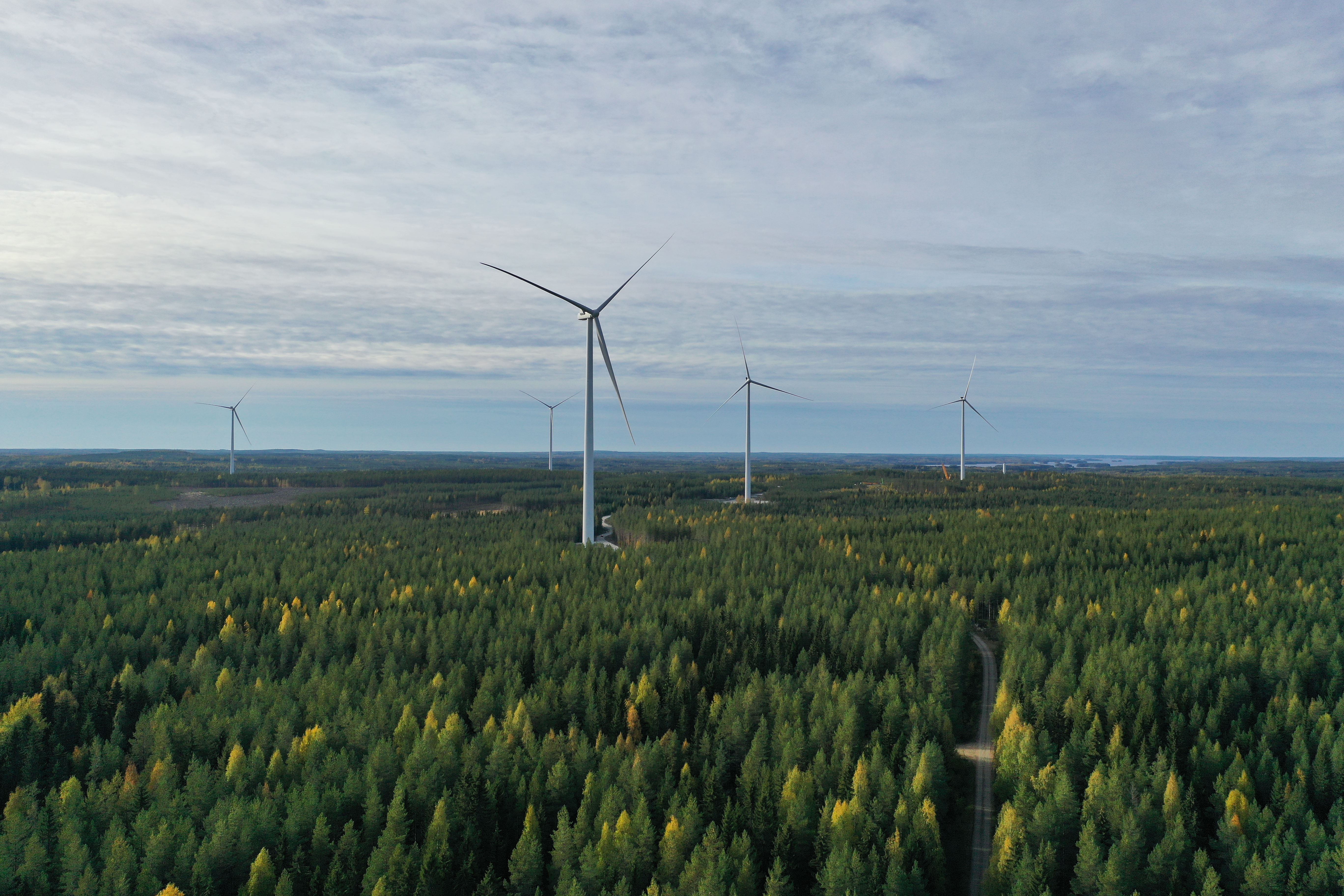
Ilosjoki wind park. Photo: Martti Junikka.
3.2.3. Social acceptance and perceptions of justice
To inform citizens about upcoming energy projects and collect their feedback, municipalities often approach people living close to the proposed site by post and by organising open meetings. Recently, some regions have experimented with new methods to include other important stakeholders, such as external experts. One method of creating a more inclusive social discourse is the setting up of a citizen panel on an online platform. A wider net of engagement may highlight issues that national regulatory bodies may be unaware of, such as compensation packages not reaching certain groups due to outdated regulations (e.g. in the case of granting only nominal compensations to people owning land in the area’s transmission lines) or failing to address all possible impacts. The first phase of the citizen panel process identifies potential problems, and the second analyses these to find solutions (Interview 15).
A major challenge for social acceptance is that some benefits that are substantial to the municipality, namely the property tax, may appear abstract to an ordinary citizen and do not inspire a sense of justice. For this reason, more long-term work must be put into uncovering the possible benefits that have more enduring, positive effects (Interview 11). Profits confined to municipal control may provoke even more criticism by incurring the belief that decision-makers may discard balanced estimations of negative impacts in favour of future profits (Interviews 8, 15). In any case, people who are opposed to wind parks on principle are unlikely to change their viewpoint no matter the counterarguments provided (Interviews 8, 13).
Other ways to improve social acceptance of a wind power project relate to how the processes are planned and conducted in general. For example, centralised projects are more likely to gain acceptance than those that scatter new installations across the region (Interview 9). Local ownership is a factor that increases social acceptance, even if its actual impact on the regional electricity market is small. In general, people trust companies that remain in place and maintain the energy parks instead of selling it to a new operator (Interview 8). Active local operators would also encourage industrial co-operation, by utilising wind park electricity to support local industries, and perhaps even looking into hydrocarbon use. Without active participation, however, municipalities have little agency beyond offering the plot of land. To date, Finnish regional energy companies have not been actively interested in the green transition (Interview 12).
3.2.4. Communities and future visions
Regional identity plays a key role in both Northern Central Finland and Northern Ostrobothnia. For Northern Ostrobothnia, wind power is already an established direction to move towards in terms of increasing municipal attractiveness and identity building. For Northern Central Finland, there is an urgent need to find alternative industries after the phase-out of peat production, which makes wind parks attractive in the eyes of peat landowners and municipal directors. (Interview 8). Using the energy produced within a municipality for local benefit to a greater extent than hitherto is an important emerging theme. This would require establishing more decentralised solutions: by exploring various ways of developing electricity processing possibilities within a region through the setting up of small-scale hydrogen production (although this is still largely at a theoretic stage) or by supporting nearby energy industries, resulting in more efficient use of the multiplier effect (Interviews 11, 12, 14). Furthermore, decentralised renewable energy production could be linked to circular economy initiatives by exploiting the heat generated during the electricity production process. Local wind park shareholders paying less for their electricity would be another obvious way to gain more acceptance (Interviews 9, 15).
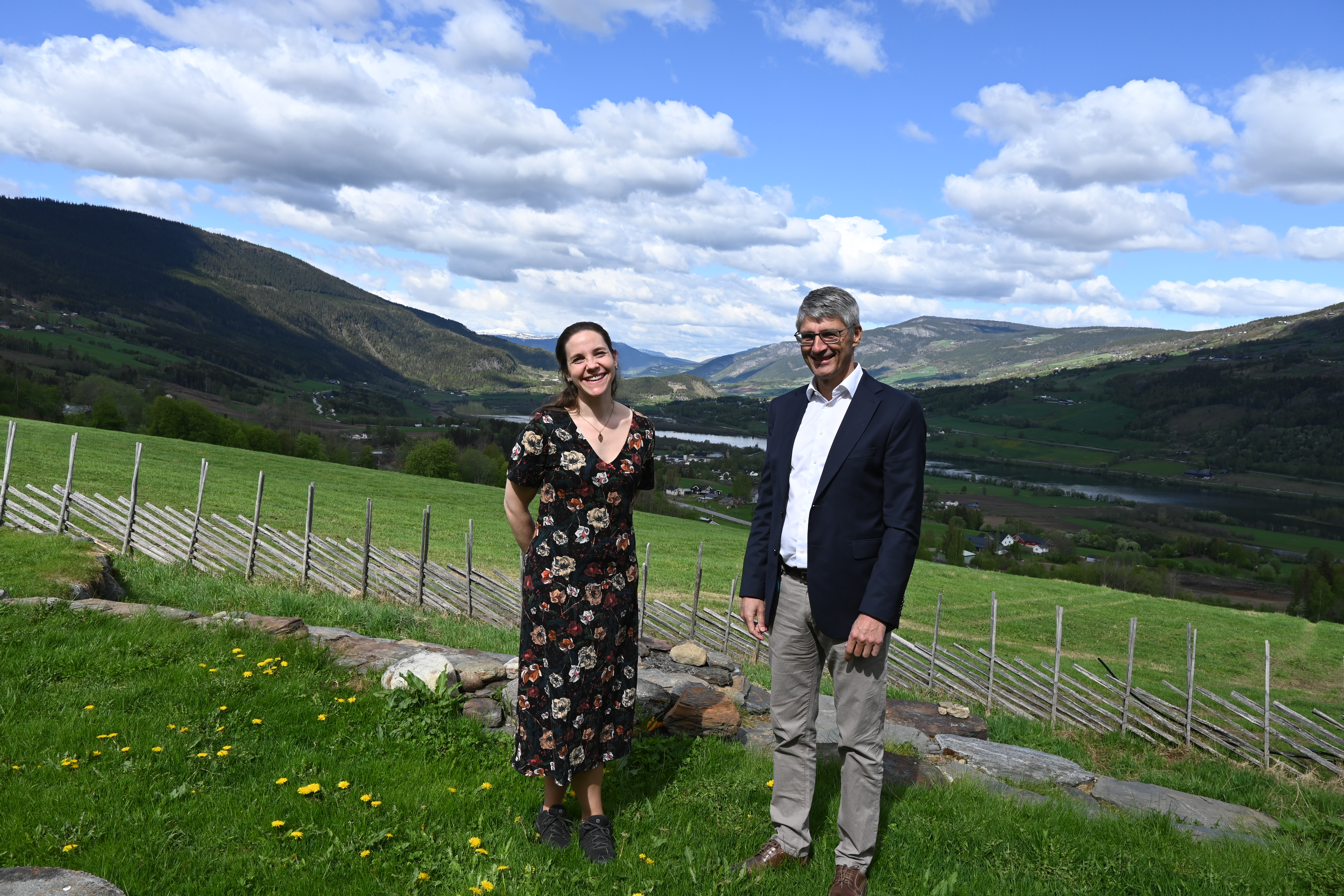
Gudbrandsdal. Photo: Krafttak for grønn vekst
3.3. Norway
3.3.1. Case description
The Norwegian cases compare developments in two neighbouring municipalities, those of Nord-Fron and Nord-Odal, both located in the region of Innlandet. The first one encompasses new wind energy construction, and the other consists of a hybrid project aiming to commit both local businesses and municipalities in Nord-Fron and the surrounding area to green transition plans.
In Nord-Odal, the Odal wind farm project began development in 20102–2011, but due to economic fluctuations and a period of strong local opposition, it was not completed until 2021. The work began under the aegis of Swedish company Eon, which was then acquired by a German wind company during the project, with the municipality playing only a very minor role. In 2014, the municipality voted against the project amidst strong local resistance, but in 2016, the new municipal council decided to greenlight the project after compensatory measures were increased. Nonetheless, despite the positive decision, Eon stalled its investment. In 2020, a smaller Norwegian energy company Akershus Energi, owned by the neighbouring county, assumed responsibility for the project. Currently, the project is co-owned by two public funds, and Akershus Energi has operational responsibility (Interviews 16, 17, 18).
The Nord-Fron municipality has a long history of renewable energy in the form of hydropower plants, which date back to the 1950s, and there are also various other minor projects related to the green transition. The municipality is working on climate accounting (klimaregnskap) by focusing on sustainable procurement and investments, solar cell systems on municipal buildings, and supporting a hydroelectric powerplant (Interviews 19, 20). Most notably, Nord-Fron is located in Gudbrandsdal valley, where the project Krafttak for Grønn Vekst (“Power take-off for green growth”) was established. The project formally began in 2019 and concludes in 2023, with plans already in motion to continue in another form. Its primary concept is to combine the growth and interests of local businesses, industries and communities while maintaining an environmental consciousness in regard to all operations. To date, 12 municipalities and 900 individual members have been involved in the project (Interview 21).
The guiding motivation for the Krafttak project is that a green transition – with all its related regulations – is likely to happen regardless of local-level action, and therefore, local businesses should prepare for the coming demands in advance. Instead of municipal actors, the project encouraged and challenged industries to evaluate their carbon footprint. After recruiting leaders representing large industries, the project continued outreach activities among municipalities and other local businesses on a voluntary basis. As the project has evolved, it has also turned to other other goals, such as solving problems surrounding population decreases and the challenge of increasing regional attractiveness. The sectors currently involved are the recreation economy sector (the tourism and cabin-building industry, representing the largest industry in the region), as well as farming, green energy, IT, and the production industry. The project envisaged an investment fund from the beginning to combine the use of both public and private financing and make a significant impact on green transition efforts within companies. The main goal of the project is to generate new jobs via green transition, with environmental benefits on a lesser level of priority and support new green business models in the region. These activities have spurred companies that initially were mainly interested in “a box-ticking exercise” of corporate sustainability to also engage in more strategic sustainability planning (Interviews 21, 22).
3.3.2. Direct and indirect local benefits
Nord-Odal negotiated a specific property tax of 7% for the wind park compared to the 6% municipal rate for other businesses. A neighbouring municipality had previously succeeded in negotiating a higher revenue and was used as inspiration. After a Norwegian operator took control of the Nord-Odal wind power project, the municipality further negotiated the inclusion of local service providers and other businesses during the wind park’s construction phase. The wind park currently employs 10 people in the municipality, of which half are employed by the local energy company and half by Siemens, who manufacture the turbines. Several subcontractors working during the construction period came from the region, and local services such as restaurants and service stations also gained additional revenues. It is also possible that the construction phase helped some service providers sustain activities throughout the pandemic, suggesting a more long-term impact (Interviews 16, 17, 18). In addition to direct benefits, converging interests have included increased road construction, resulting in improved forest access for landowners. The surrounding business community also believes that the wind park will generate overall positive opportunities in the future even though these have yet to materialise (Interviews 16, 22).
In Norway, municipalities are not necessarily informed about new energy projects even as they reach the phase where contracts are being negotiated with landowners. This can result in situations where a lack of information during the initial project phases diminishes the municipality’s leverage over the energy company to engage more substantially in local industrial growth. In the case of Nord Odal, neither local industries nor the new industrial park under development could avail of locally produced power. Moreover, wind power’s potential to create more highly specialised jobs could have been explored in more depth. Despite these obstacles, the recent energy crisis cast locally produced energy in a significantly more positive light, according to local opinion (Interviews 16, 17, 18).
The benefits of the Krafttak project are expected to combine economic growth and green transition. The stakeholders involved acknowledge the potential controversial elements of the project’s objectives but strongly maintain that the future value of continuing on the path chosen would represent a significantly beneficial paradigm shift for the whole region. ‘Green growth’ in the sense of generating new types of jobs, ensuring the vitality of local industries and tourism via smart specialisation, reducing emissions, and creating a new regional image would result in the indirect benefits increasing to a whole other level. For the time being, however, no precise calculations regarding the effects of the project are available (Interviews 21, 22).
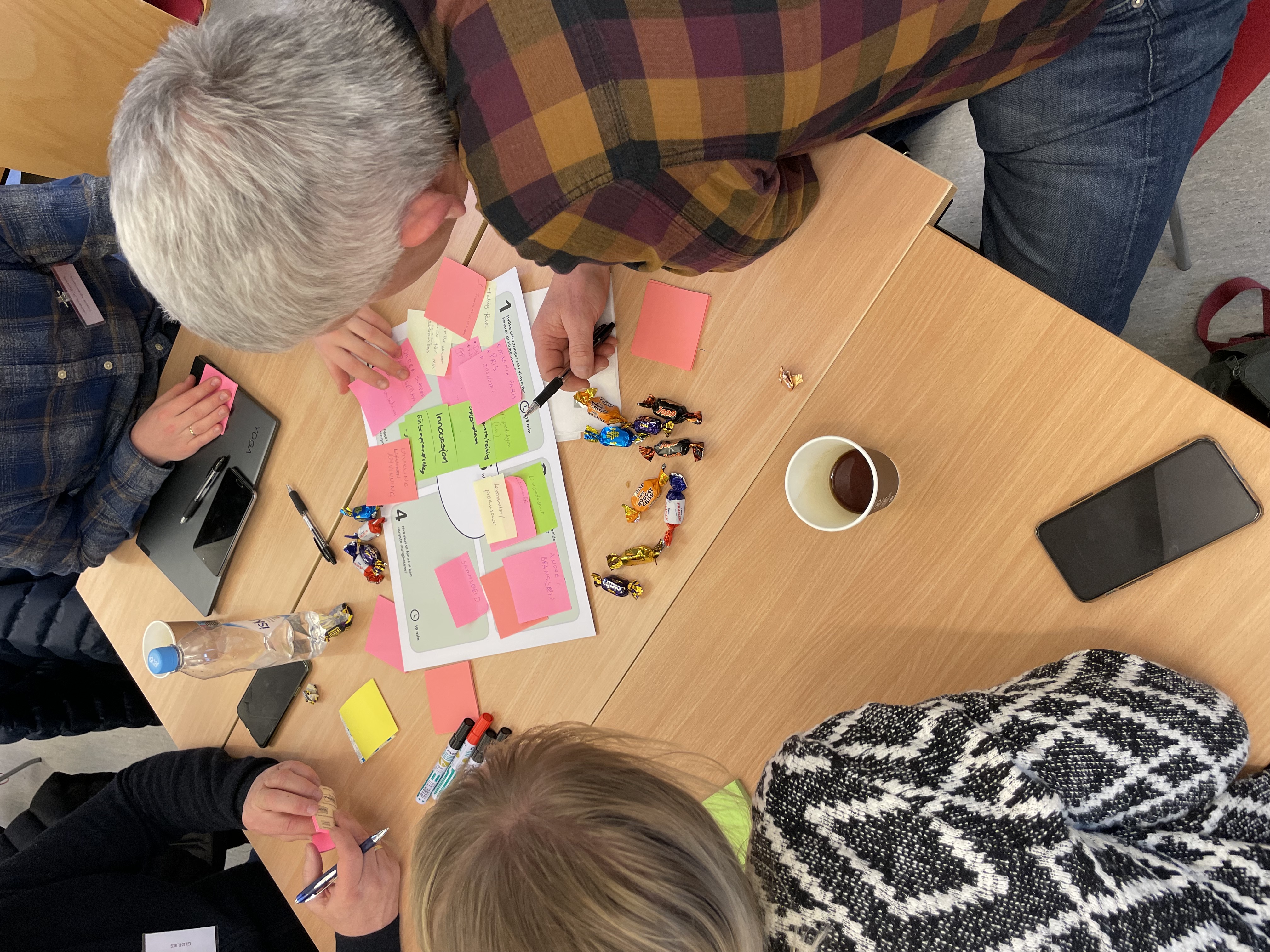
Photo: Krafttak for grønn vekst
3.3.3. Social acceptance and perceptions of justice
Initially, Nord-Odal cited the positive impact in the form of profits, greater national awareness and jobs that a wind power project could bring to the small municipality. In recent years, however, the public debate surrounding wind energy has grown more heated and divided. Nord-Odal alone has seen personal threats to politicians and one act of suicide in the wind farm area, which became a tragic symbol of resistance to the project (Interviews 17, 18). Under such circumstances, opposition groups quickly seized the discussion and formed organised action groups, such as the Let the Forest Live (La skogen leve) group. When the German company bought Eon, the population’s sense of alienation towards the project increased. As the on-site representatives consisted largely of external consultants, the relationship between the local community and the energy company’s decision-makers further diminished. Some came to view the project as an example of local priorities being overruled by the EU. The major sore point pertaining to the project throughout its gestation was the use of pristine forests in the pursuit of profit. Advocacy groups such as hunters and cabin owners have been especially concerned about disruption to the surrounding landscape, including increased light pollution. Efforts to increase outreach and external public-orientated communication, including setting up an office to inform people about the coming installation, fell short due to general public apathy. Other means of providing relevant information, such as guided tours around the turbine park, public lectures and a project website, have attracted more attention. (Interviews 16, 17, 18).
After the wind farm was acquired by a Norwegian company, anchoring its goals in local interests has proven easier because it connected in a more transparent and visible way to people’s everyday lives. There are possibly three reasons for this change in attitude. Firstly, the local population were open to the targeted property tax agreement to maximise municipal income, as well as the agreement to add some additional compensations. Secondly, knowing that profits were now directed towards a Norwegian public stakeholder made the overall reception of the project more positive. Finally, the Norwegian operator demonstrated significantly more attention to local needs, e.g. by holding a meeting with local hunters’ associations and compensating for the impact of construction work by building a new extensive road network to address their criticisms. The eventual agreement reached also included a commitment to construct a new ski facility at a cost of NOK 9 m to compensate for the ski trails rendered unusable. However, while this last benefit is very directly bound up in the local context, it is unclear whether it has noticeably added to local acceptance of the project, as the additional running costs of the facility will have to be met by the municipality. (Interviews 17, 18). Furthermore, public ownership has also complicated both the decision-making process and social acceptance of the project, as it means that the wind power project’s priorities are subjected to political shifts occurring within the election cycle. Committing to potentially controversial goals, such as green transition, poses certain risks for politicians, making them less eager to take risks as project managers (Interview 16). Despite these challenges, the Nord-Odal municipality remains committed to the wind park project, and based on the feedback the project has received, 70% of residents currently feel either positive or, at the very least, curious about the wind farm. The recent energy crisis also played a significant role in generating a positive shift in public discourse (Interviews 16, 17).
Similarly, in Nord-Fron, the most conflict-triggering situations emerged due to a lack of public involvement and interest, especially beyond the key stakeholders. While linking the benefits of the green transition to wider social and economic goals is pertinent, this can conceptually appear somewhat ‘fuzzy’ to the ordinary citizen, making it more difficult to connect the several simultaneous developments under the same project. Nonetheless, the multidimensional nature of the Krafttak project has allowed it to address local communities from several different directions at once, increasing the chances of gaining the sought-after impact and local engagement (Interviews 20, 21, 22). Since Nord-Fron produces six times more electricity than it needs and has already moved far ahead in the green transition through hydropower use, themes of energy security or discarding fossil fuels may seem less urgent (Interview 19). For the most part, the local population first became aware of a project when it was already in full swing, resulting in a sense that their voices were left unheard. Another problem that the project has in common with wind energy development is that the vocality of resistance makes the opposition seem more wide-spread than it actually is. (Interviews 20, 21, 22).
“You build trust around communication, presence and accessibility.” (Interview 16).
3.3.4. Communities and future visions
In Norway, green energy has been such a traditional part of local energyscapes, in the form of hydropower that for many it is all but invisible. Hydropower production in Nord-Fron, for example, is such an established part of local industry and the landscape that it has ceased to influence local inhabitant’s views on renewable energy’s potentially wider benefits. This may go some way to explaining Norwegian municipalities' somewhat passive approach regarding the green transition and new energy projects. As a Nord-Fron municipality representative summarised, “it’s not the municipality that builds power, the power companies do” (Interview 20). However, under Norwegian regulations, the municipality is nonetheless directly involved in the process by owning a small share in the project, and on a more abstract plane, Nord-Fron envisages a dynamic relationship with the power plant, where in return for relinquishing land areas, they secure added value which can be put to use for the entire community (Interview 19)
Representatives of both municipalities agree on the overall need to reduce emissions. Nord-Fron has experienced the impacts of climate change in the form of floods and landslides, and substantial national and municipal funds have already been allocated to floodproofing, leading to a sense that reducing consumption and lessening temperature increases is essential. Overall, however, the general debate has remained muted and many within the public administration believe that, in essence, a small municipality has limited opportunities to position itself at the forefront of addressing climate change challenges (Interviews 19, 20). The Krafttak project has noted that the most promising path towards a holistic future vision is to first involve businesses, then gradually narrow down to individual municipalities and eventually citizens. By 2022, the project had succeeded in engaging all 12 municipalities to create an emissions reduction climate plan (Interview 21).
“The most important thing is that when someone wants to do something, we’re ready to help them because it's now, not next year” (Interview 21).
The Krafttak project links several future development goals with the green transition agenda, including smart specialisation and addressing population decreases in rural municipalities, by including these themes in municipal climate plans. Traditionally, municipal development issues have been discussed separately from climate concerns in official strategies, but in the coming municipal plan of 2023, they may be brought together (Interviews 19, 20, 21). This may well encourage the inclusion of a more holistic green-transition approach to these objectives.