Myth #8: Owning a car is a necessity for life in the Nordic Region.
Cyclists passing through a human-scaled built environment in Copenhagen, Denmark. Photo: Yadid Levy / norden.org
Car ownership can often restrict residents’ freedom by providing new burdens through things like parking and maintenance. Instead, the car can become an essential part of the sharing economy. Policies and planning mechanisms can assist residents who require a car by helping to grant them access to vehicles when it is necessary, but limiting the unnecessary burden on residents from parking, financing, and maintaining their own personal vehicle.
This is especially important in urban areas. Copenhagen has witnessed an increase in the total number of cars by 28% between 2014 and 2023, even though the population has only increased by about 13%.
City of Copenhagen. (2024). Mobilitetsredegørelsen 2024 [The Mobility Statement 2024]. Accessible at: https://kk.sites.itera.dk/apps/kk_pub2/index.asp?mode=detalje&id=2796
Helsinki Region Transport. (2021). Helsingin seudun maankäytön, asumisen ja liikenteen Seutubarometri 2021 [Helsinki region land use, housing and traffic regional barometer 2021]. Accessible at:https://staticfiles.hsl.fi/globalassets/hsl/tutkimukset/seutubarometri/seutubarometrin_2021_tulokset.pdf. (In the inner city, the share of trips done by car is only about 9%, showing that people do not rely on the car nearly as much as they think they do.)
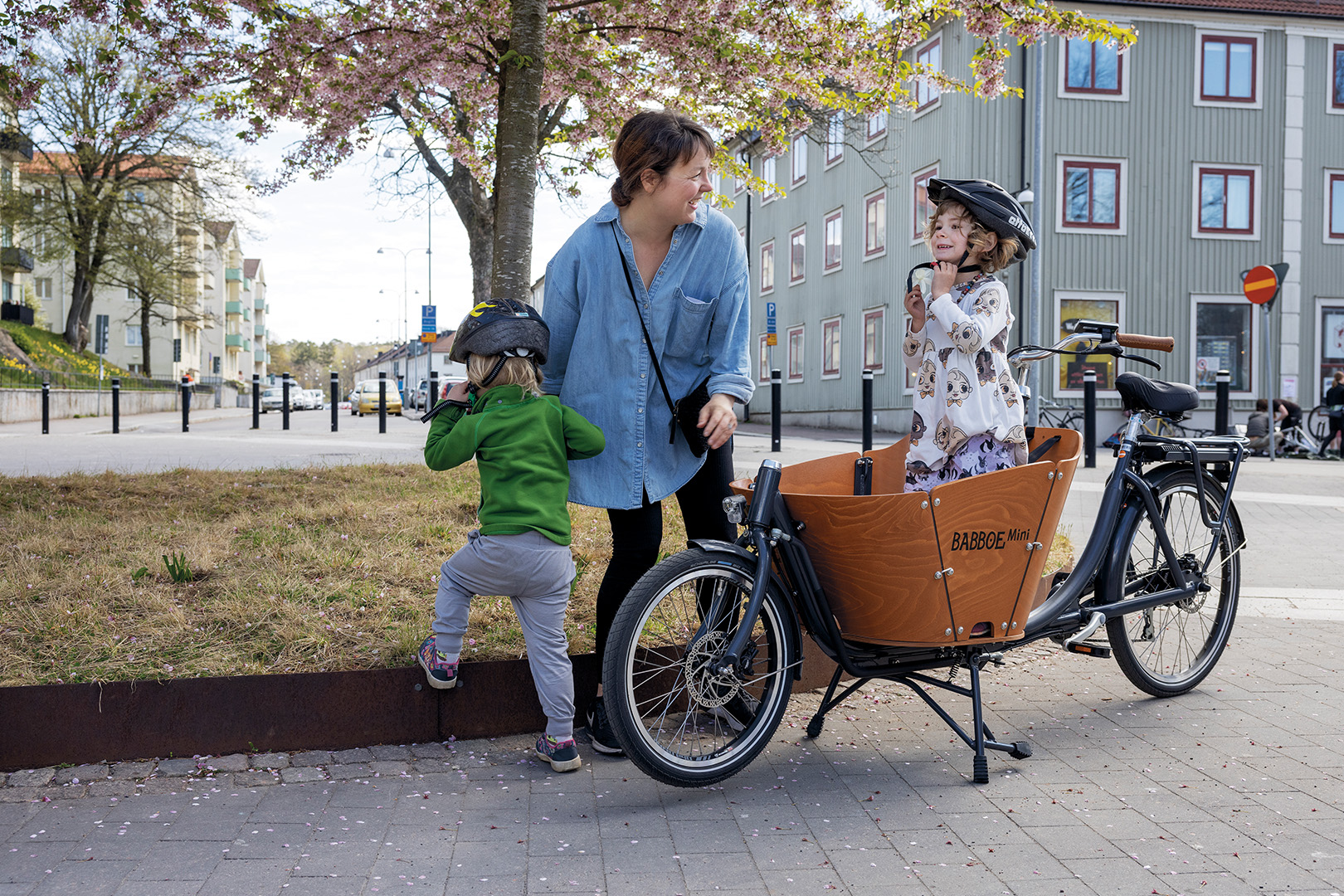
While there are occasions in which the car is a necessary mode of transport, many alternative options exist, such as e-cargo or box bikes for travelling with children, or train networks or car rental options for visiting places outside the region. But this means that cycling policy and planning needs to work in tandem with support for other regional transportation networks—such as bus, train, or ferry access to more rural, remote, or tourism destinations—as well as support for mobility sharing and Mobility as a Service (MaaS). If cities and regions discourage travelling by private car, other options must be accessible, affordable, and efficient in lieu of the car to ensure residents have fair and reliable transportation to meet their daily needs. Reducing car reliance can enable greater freedom of movement and flexibility if investments and trade-offs are made with mobility justice in mind. In 2021, 50% of respondents from the Helsinki Region stated that no other modes can replace the freedom of movement with a car. Yet, 48% also express a disinterest in living a car-dependent life.
Ibid.
Policy/planning implications:
Provide a range of shared mobility options for residents.
Through partnerships with private companies, car sharing can be baked into a city’s robust public transport system. For example, pre-existing public parking spaces can be available for private actors to place their car-sharing vehicles. Additionally, subsidies for things like cargo-bikes can help parents who feel like car ownership is a necessity to pursue alternative sustainable options that still accommodate the needs of growing families. Funding that enables local governments to implement pilot projects or expand mobility services is necessary to empower residents to switch to more sustainable mobility behaviours.
Through partnerships with private companies, car sharing can be baked into a city’s robust public transport system. For example, pre-existing public parking spaces can be available for private actors to place their car-sharing vehicles. Additionally, subsidies for things like cargo-bikes can help parents who feel like car ownership is a necessity to pursue alternative sustainable options that still accommodate the needs of growing families. Funding that enables local governments to implement pilot projects or expand mobility services is necessary to empower residents to switch to more sustainable mobility behaviours.
Enable people to choose the bicycle for leisure trips or running errands.
Some reports have shown that car use is higher for leisure trips compared to commuting.
Plan at the neighbourhood scale with accessibility in mind.
Transport policies that encourage us to reduce our transportation while still enabling high degrees of social and economic engagement could have more beneficial impacts on the environment. This could be achieved through polycentric planning models in larger cities or planning for dense urban centres in smaller towns. This also means ensuring new development happens on existing transport lines (transit-oriented development) or is developed in tandem with extended cycling and pedestrian networks. Such planning can also make these towns more attractive to residents and avoid urban sprawl. Concepts like the 15-minute city that provide residents with access to key services at a neighbourhood scale could be useful if developed in an equitable way.
Some reports have shown that car use is higher for leisure trips compared to commuting.
Lönnqvist, H. & Salorinne, M. (2022). Etätyötä jatkossakin – mutta kenelle ja missä? Vajaa puolet Helsingin työpaikoista soveltuu hyvin etätyöhön. Helsingin kaupunki, Kaupunkitiedon verkkolehti. Kvartti 1/2022. https://kaupunkitieto.hel.fi/fi/etatyota-jatkossakin-mutta-kenelle-ja-missa-vajaa-puolet-helsingin-tyopaikoista-soveltuu-hyvin
Plan at the neighbourhood scale with accessibility in mind.
Transport policies that encourage us to reduce our transportation while still enabling high degrees of social and economic engagement could have more beneficial impacts on the environment. This could be achieved through polycentric planning models in larger cities or planning for dense urban centres in smaller towns. This also means ensuring new development happens on existing transport lines (transit-oriented development) or is developed in tandem with extended cycling and pedestrian networks. Such planning can also make these towns more attractive to residents and avoid urban sprawl. Concepts like the 15-minute city that provide residents with access to key services at a neighbourhood scale could be useful if developed in an equitable way.
As a policymaker or civil servant, try cycling in your city today.
If you are a civil servant or policymaker who has never cycled in your city or region, test it out. Enjoy the benefits and seek to understand the challenges that cyclists are facing from their perspective.
If you are a civil servant or policymaker who has never cycled in your city or region, test it out. Enjoy the benefits and seek to understand the challenges that cyclists are facing from their perspective.
Good practice examples:
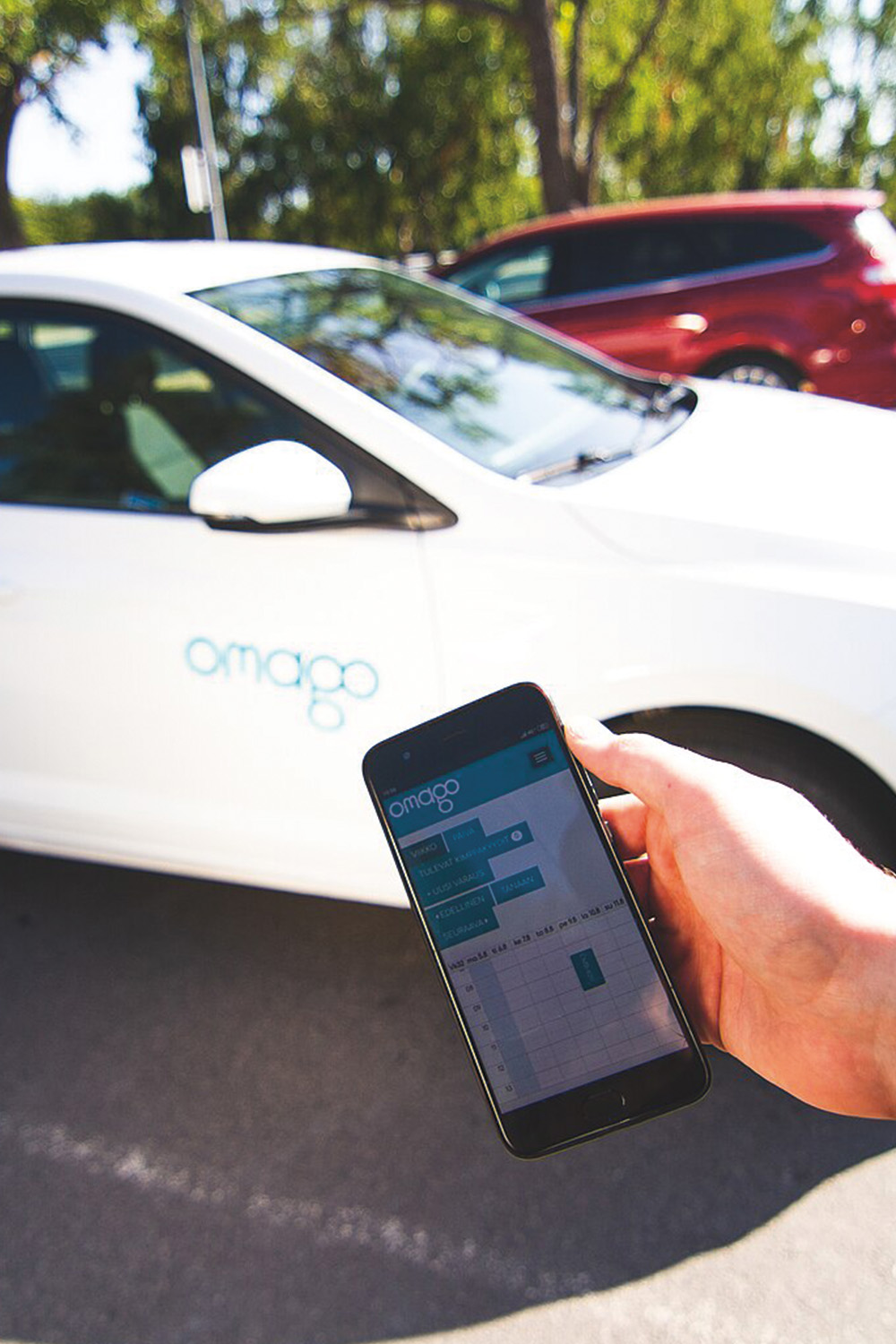
Omago offers electric cars and other shared vehicles in major cities such as Helsinki, Espoo, Vantaa, Jyväskylä, and Tampere, Finland.
Photo: Omago
Photo: Omago