4. Pathways towards circular cities: Enablers and challenges of urban agriculture
Proponents of UA argue that it can promote agri-food sustainability and food security while delivering various ecosystem services with positive impacts ranging from health benefits to the promotion of social inclusion (Caputo et al., 2020; Menconi et al., 2020; Russo and Cirella, 2019). Nevertheless, the pathway is unclear, and different urban centres having difficulties transitioning to a more circular urban agriculture paradigm (International Resource Panel, 2021).
Derived and inspired by the literature on circular economy and UA (D’Ostuni and Zaffi, 2021; Ferreira et al., 2018; International Resource Panel, 2021), five categories of drivers and challenges are defined to clarify the pathway to more circular cities through UA (see Figure 2). These categories are not mutually exclusive, as each are interlinked with one another. “Drivers” are defined as factors that enable and encourage the transition to circular UA (what are the benefits?), and “barriers” are impediments or bottlenecks that obstruct and limit transitions (what are the disadvantages?). In the following sub-sections, these drivers and barriers are introduced, discussed, and exemplified through the SiEUGreen experiences.

FIGURE 2: Drivers and barriers of UA to resource circularity in cities
4.1 Environmental impacts of UA and circularity of resources
There is a deep urban dimension to the world's environmental and climate challenges. With 52% of the global population living in urban areas and the expected increase of this share to 68% in the following decades (United Nations, 2018), urban areas greatly impact the environment while at the same time experiencing vulnerability to environmental issues (namely, extreme weather events, biodiversity loss, and pollution). Therefore, cities play a crucial role in the pursuit of an economically, socially, and environmentally sustainable future.
Sustainable agricultural practices in urban settings have the capacity to substantially reduce environmental impacts and resource consumption. Regarding energy savings, studies have shown that UA uses less energy when compared with long-distance supply chains, particularly in relation to transportation, cooling, and storage activities (International Resource Panel, 2021; Lwasa et al., 2014). On the other hand, recent technological developments, and the integration of agriculture into existing buildings in the form of zero-acreage farming (rooftop gardens or greenhouses, edible green walls, and indoor farming operations), can provide significant energy savings and increase energy efficiency of buildings (Tapia et al., 2020; Wong et al., 2003). Research has also suggested that UA supports resource efficiency, especially concerning water and fertiliser usage (Armanda et al., 2019). Irrigation represents around 85% of global water consumption. Recovering wastewater and closed-loop systems by recirculating the irrigation water in hydroponics to produce food in cities can play a vital role in reducing global water demand (Pollard et al., 2018; Rufí-Salís et al., 2020). Some research has also found that UA can reduce resource consumption—for example, it can minimise the need for food packaging (Hallett et al., 2016)—and recycle waste as fertiliser, thereby closing the production-to-waste loop (Rudisill et al., 2015). Using organic waste as fertiliser can decrease the consumption and environmental impacts of mineral fertilisers and emissions from landfills (International Resource Panel, 2021).
Box 5: SiEUGreen experiences: Reduced resource consumption and improved efficiency
|
UA can also foster different climate change mitigation and adaptation strategies, improve carbon capture, improve air and water quality, promote agricultural biodiversity, and maintain ecosystem services with positive environmental impacts (International Resource Panel, 2021; Nicholls et al., 2020). UA can indirectly improve urban adaptation capabilities, namely with water management, by mitigating the risk of floods and landslides caused by runoff from non-permeable surfaces in cities (e.g., streets, roofs, and car parks; Tapia et al., 2020). The expansion of urban green areas through UA can contribute to climate regulation by both reducing emissions and promoting the additional capture of CO2 emissions. Furthermore, UA has the potential to shorten the distance between production and consumption, which reduces “food mile” emissions (Hallett et al., 2016). Worldwide, around 30 to 50% of food is lost, especially fruits and vegetables, due to inadequate infrastructure. UA improves food proximity to markets which can potentially reduce emissions as well as food loss (International Resource Panel, 2021). Another UA positive effect is on biodiversity as urban agricultural sites can become ecological corridor habitats for fauna, especially birds and insects (Clucas et al., 2018; International Resource Panel, 2021; Zhao et al., 2019).
Box 6: SiEUGreen experiences: Biodiversity and climate change mitigation
|
The debate on the positive and negative environmental impacts of UA and the transition to resource circularity is still ongoing. While examples of positive environmental impacts of UA exist, these tend to be context sensitive (local context, business models, etc.). Some detrimental effects of UA, such as contaminating aquatic ecosystems, worsening water quality, and promoting health risks, are still being discussed (Graefe et al., 2019; International Resource Panel, 2021; Perrin et al., 2014; Taylor and Lovell, 2015). The effects of urban pollution on the quality of food produced in cities, especially due to heavy metals and organic chemicals, also raise concerns about health risks. The impact of UA on, for example, the dissemination of vector diseases such as mosquito-borne illnesses caused by stagnant irrigation water, or on food waste reduction and transport emissions still lack further empirical research to clarify absolute UA gains (Armanda et al., 2019; International Resource Panel, 2021).
As most UA assessments focus on economic and social aspects, the environmental benefits or drawbacks remain ambiguous or lack empirical data. Therefore, there is a need to develop suitable methods, tools, and indicators to evaluate the contribution of UA to resource efficiency and to mitigate environmental externalities (Armanda et al., 2019; Mok et al., 2014; Pollard et al., 2018). The Life Cycle Assessment (LCA) method, which evaluates the environmental impact of a product from cradle to grave, seems a promising tool for assessing the environmental performance of UA (Armanda et al., 2019). Overall, further evidence-based research on UA's actual environmental impact and health risks is necessary, as well as a deeper understanding of technology's role in fostering sounder (or at least neutral) ecological impacts.
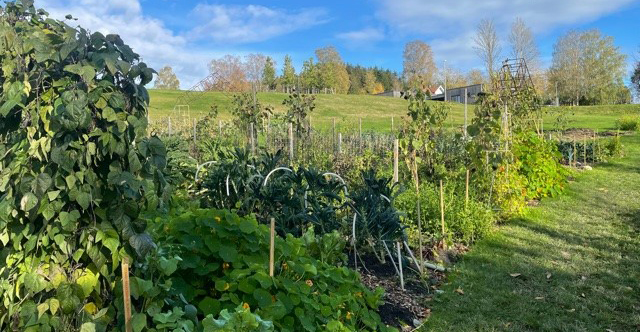
Urban farming in Campus Ås, Norway
4.2 Technological developments in UA
Technical solutions are essential to fully take advantage of the potential of UA for closing the resource loop in cities. Many non-renewable resources are becoming scarce, such as phosphorous, which is critical in the production of soil additives to optimise agricultural production (Zamparas, 2021). Additionally, water scarcity affects 40% of the world's population (World Bank, 2022), highlighting the need to adopt sustainable water management systems. These trends, combined with increasing waste production and the consequent challenges of managing waste, indicate the need for technological developments and their urgent implementation. Regarding waste management and sanitation in a circular economy, UA finds value in untapped resources within the urban waste sector, mainly organic waste and wastewater. Annual production of food in Europe demands about 11 Mt of nitrogen, 2.9 Mt of phosphorus, and 2.5 Mt of potassium of manufactured fertilisers (Fertilizers Europe, 2018). At the same time, Europeans produce 3.6 Mt of N, 1.7 Mt of phosphorus, and 1.3 Mt of potassium as part of human excrement each year (Kisser et al., 2020). Considering that more than 75% of the European population lives in urban settings, the potential to generate nutrients from human excrement in cities is vast. Nevertheless, with the conventional linear sanitation management system, most of these nutrients are lost to the environment, causing or adding to pollution downstream. The linear sanitation system involves the transportation of resources far from the sources of origin, with intensive use of water and energy, causing inefficient and untenable recovery of resources. Redesigning the waste management system from a linear to circular resource flow is paramount. There are already several innovative technological solutions to address these problems, especially through nature-based solutions which enable the recovery and reuse of resources and reduce environmental degradation, health risks, and overall costs (United Nations, 2017). Several of these solutions have been tested in the SiEUGreen showcases.
Combined with integrated post-treatment systems, anaerobic digestion of source-separated blackwater and food waste is one promising technology that facilitates bioenergy production, nutrient recovery, and pathogen/micropollutant removals (Eshetu, 2019). The organic matter in waste (such as blackwater, organic household waste, and garden waste) can be used as the primary resource input. For example, the anaerobic treatment of blackwater in anaerobic bioreactors enables energy recovery from organics which can be used to generate heat and electricity in the form of biogas. This treatment also retains most of the nutrients available in the solid and liquid phases of the digestate, which is a reliable feedstock for producing organic fertiliser. This fertiliser can supplement or replace chemical fertiliser.
However, anaerobic digestion alone is not enough to remove pathogens and pharmaceutical residues to the level that meets the required reuse or discharge limits; therefore, the waste must undergo post-treatment. For a reliable operation of the nutrient recovery processes and improved quality of the recovered nutrients, the effluent of anaerobically treated blackwater should be free of organic, particulate, and colloidal material and, as low as possible, in soluble micropollutants (Moges et al., 2020; Todt et al., 2015). The recovery of ammonium and phosphates as struvite is an example of turning waste streams (anaerobically treated blackwater effluent and urine) into fertilisers (De Graaff et al., 2011; Günther et al., 2018). Another promising circular approach for sewage sludge management or excess sludge from anaerobic digestion (the solid digestate) is its conversion into biochar. This process requires the combination of the excess sludge with waste wood biomass and spent coffee grounds which allows for recovering nutrients and energy, contributes to carbon sequestration, and reduces GHG emissions (Opoku and Boateng, 2021).
Urine is also a rich resource as it has a high nitrogen-phosphorus ratio, and thus, it can be an excellent supplement to many organic fertilisers and composts with a lower ratio (Hellström, 1998). Nevertheless, the urine must be separated from faeces through devices such as urinals or urine-diversion toilets to be used as fertiliser. A disadvantage of this process is the unpleasant odour (especially from stored urine) and social resistance to its use for growing crops. The nitrification of urine in the anaerobic digestion bioreactors is a possible alternative to overcome these shortcomings. This process can reduce smell, stabilise the liquid in storage, and provide a better plant nutrient solution. The nitrification process is different depending on the purpose: to increase storability, it should be performed on high-strength solutions, and to improve plants' nutrients, it can be performed on diluted solutions just before watering plants (Jenssen et al. 2022). Additional treatment as UV and active coal filtration, can also be used to obtain a fertiliser product that is free of infectious agents and pharmaceuticals (Mæhlum et al., 2022).
Urine and source-separated blackwater can also be a substrate for growing microalgae. Microalgal-based processes produce biomass as a secondary raw material for purposes such as bio-fertiliser, biofuel, or other applications like animal/fish feed (depending on the quality and composition of the algae biomass). Microalgae have a high growth rate where it takes only a few days to complete the entire growth cycle, and high photosynthetic abilities compared to plants (Brányiková et al., 2011).
Box 7: SiEUGreen experiences: Waste stream loops for urban agriculture
|
Composting is another sustainable resource recovery technique. The main process of composting involves transforming organic household waste into organic fertiliser, which can increase the self-sufficiency of urban farming systems while lessening the volumes of waste disposal in landfills. This technique has great potential to replace the reliance on peat. A non-renewable resource, peat is also one of the most efficient carbon sinks on the planet, making its preservation an important goal (Aurdal et al., 2022; Jenssen et al., 2022; Mæhlum et al., 2022). Composting can take place on different scales, from industrial applications using different composting technologies to small-scale composting in individual gardens. Therefore, it can easily be implemented and adapted to urban farming systems.
There are different processes for decomposing organic matter. For example, vermicomposting uses different species of earthworms to accelerate the decomposition process of food waste. Vermicomposting begins with providing the worms with a bedding material (e.g., a mixture of decomposing food waste). Gradually, one adds small portions of food waste into the worm bin. Earthworms will eat through the food waste and excrete waste in the bottom layers of the bedding. This organic material which has been “treated” by the earthworms, generally makes nutrients more available for plant uptake and gives the soil a better structure. Leachate compost (i.e., the liquid that drains from the compost) and vermicomposting have high nutrient content and can be collected and used as fertiliser (Jenssen et al., 2022). Furthermore, the worms from vermicomposting systems can feed fish within aquaponic systems (Jenssen et al., 2022).
Box 8: SiEUGreen experiences: Closing the loop on organic waste
|
As UA requires large amounts of water, technologies that minimise water usage are also relevant. The treatment of greywater and capturing rainwater can significantly reduce stress on urban water supplies. If treated, it is possible to reduce water consumption by more than 90% by reusing greywater for in-house applications. Biofiltration in filter beds or constructed wetlands is suitable for treating greywater. The combination of both types of filters results in the removal of phosphorus and nitrogen. The use of single-pass biofiltration in porous media and intermittent loading is a well-known, and widely used technology in Nordic countries for small wastewater flows in houses and cabins (Jenssen and Vraale, 2003). Constructed wetlands and green walls also act as a biofilter and/or can remove a range of pollutants such as organic matter, nutrients, pathogens, and heavy metals from the greywater (Mæhlum et al., 2022). The challenge has been to make biofiltration systems more compact for urban and peri-urban areas and implement an irrigation system that efficiently reuses water. Nonetheless, fixed-film or fluidised filter beds are efficient as they deliver highly hygienic water with low energy consumption and a small carbon footprint (Mæhlum et al., 2022). After treatment, which includes UV-filtration for hygienisation, the water is stored in a tank and is ready to be used for irrigation. Surplus water can be infiltrated on the ground if the soil is suitable. Otherwise, it can be channelled to a drainage network or another appropriate recipient.
Using blue-green infrastructures for stormwater retention is suitable for preventing flooding and leaching from UA, improving water quality, increasing biodiversity, and minimising water scarcity. These alternatives include green roofs, biofiltration systems, rain gardens, wetlands, ponds, and open channels, which also have the potential to create pleasant urban environments. Stormwater systems can be designed to harvest and treat rainwater for the irrigation of UA and other green areas (Eiter et al., 2022). Urban runoff systems can also be a source of irrigation for UA. Nevertheless, the water must be treated to avoid chemical compounds and infectious substances that can damage crops and the health of those who consume them. Risks of infection depend on the distribution of the water on the ground and the period between harvesting and using the water for irrigation. As urban stormwater runoffs are irregular, other water sources are needed to provide reliable irrigation systems that can cope with dry periods while delivering good water quality throughout the growing season (Eiter et al., 2022).
Regarding water management, hydroponics and aquaponics are very effective as they contribute to waste reduction, nutrient recycling, and water reuse. These closed-loop systems can save 40% of irrigation water and 35-54% of nutrients daily compared with linear systems (Rufí-Salís et al., 2020). Nevertheless, technical barriers such as the lack of waste segregation infrastructure and metrics to measure circularity need to be addressed. Further research is also needed to assess the economic feasibility of these systems (International Resource Panel, 2021).
Box 9: SiEUGreen experiences: Water efficiency and recycling
|
Despite the advantages mentioned above and the demonstration of many of the technologies in the SiEUGreen showcases (see Box 7-9), implementing these solutions requires more experimentation and large-scale tests. The security concerns with treating waste streams, particularly the handling and processing of blackwater locally, are critical. The biogas produced by an anaerobic digestion plant is composed of methane (50-75%), carbon dioxide (25-50%), water, nitrogen, oxygen, hydrogen sulfide, and ammonia. Methane is highly combustible, and hydrogen sulfide and ammonia are poisonous; therefore, health and safety precautions are needed (Chrebet and Martinka, 2012; Salvi et al., 2012). Additionally, social acceptance and awareness towards these technologies require effective engagement strategies that can reshape social behaviours and negative perceptions of waste. Finally, it is also necessary to further research the environmental impacts and economic potential of these technical solutions in order to build a business case for up-scaling in urban settings.
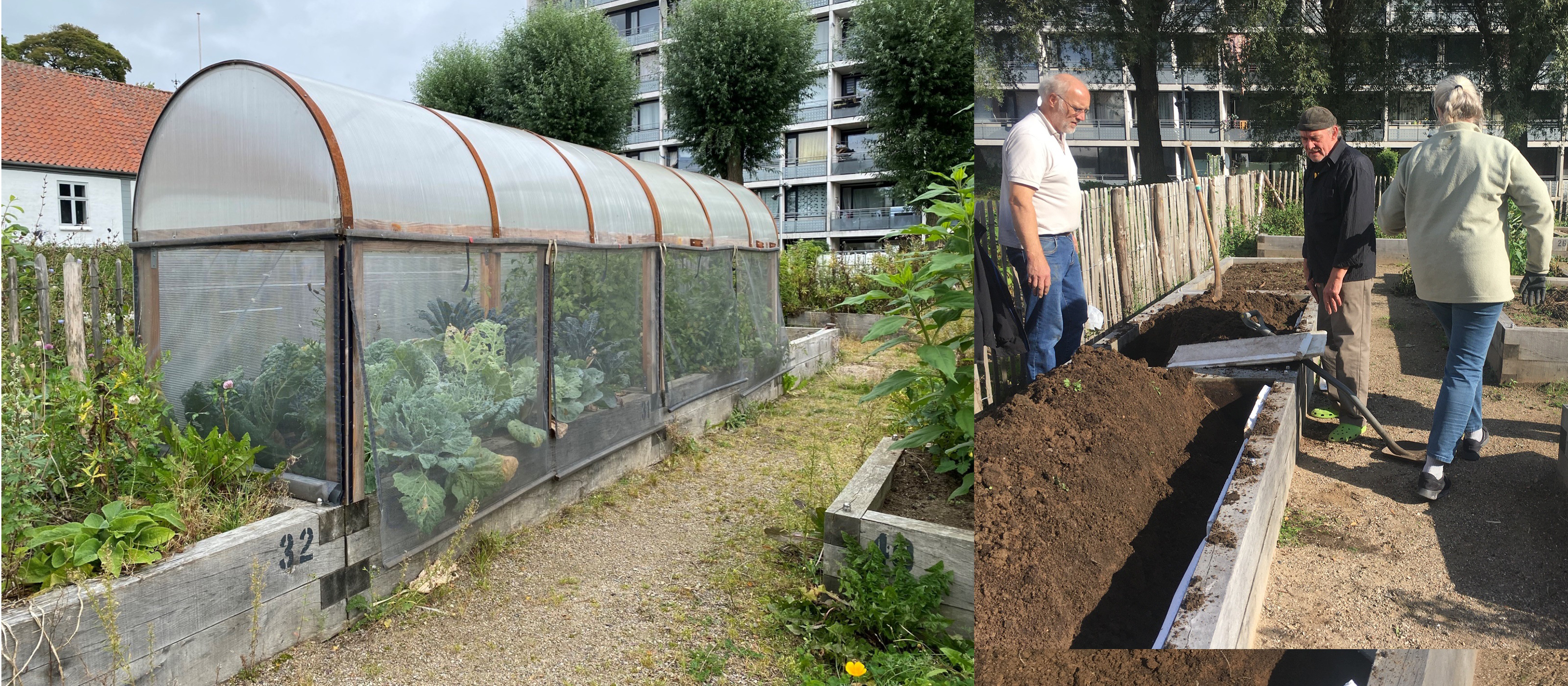
Polytunnels with recycled materials, World Gardens, Aarhus, Denmark.
4.3 Economic dimension: the business case of UA & circularity
Driven by global demographic trends, increasing and rapid urbanisation, and limited accessibility to land, UA is expected to play a crucial role in food production in the coming decades. UA enables short and resilient food supply chains (e.g., lower transportation costs), high-quality and environmentally friendly food (e.g., no use of pesticides or herbicides; lower resource requirements concerning land, water, and fertilisers; lower carbon footprint) and a stable production all year round (DRAXIS, 2021). Additionally, the COVID-19 pandemic and the Russia-Ukraine war have revealed the vulnerability of global and regional food supply chains (Levi and Molnar, 2022). Localising food production through UA initiatives has the potential to lessen the risk of logistics system breakdowns, reduce costs, and create more resilient supply chains. In times of crisis and economic hardship, including rising energy costs and inflation uncertainty, growing one’s own food can help alleviate poverty and reduce living costs while granting access to healthy food (Armanda et al., 2019; Poulsen et al., 2015).
Nevertheless, the economic benefits of UA differ widely depending on the type and process of UA implementation, with different challenges and opportunities arising from the spatial location, functional focus, origin, market orientation, and even farmer income level (Poulsen et al., 2015). Recent market research shows significant potential for the global urban farming market, which was already worth US$137.5 billion in 2021 and is expected to reach US$281.9 billion by 2030 (Market Watch, 2022). In particular, the market potential of vertical farming is expected to reach US$9.7 billion globally by 2026 (Markets and Markets, 2020, 2021). Vertical farming is defined as a soilless cultivation method in a controlled indoor environment (Benke and Tomkins, 2017). It usually includes aquaponics, hydroponics, and aeroponics technologies, with hydroponics having the largest market share (Despommier, 2020; DRAXIS, 2021). Recent innovative and efficient technologies such as light-emitting diodes (LED), heat pumps, and active heat storage, as well as the use of 5G for automation and smart urban farming, have improved the potential of vertical farming to feed cities (Despommier, 2020; DRAXIS, 2021).
Several commercial exploitation possibilities were identified in SiEUGreen as one of the main objectives of the project was the demonstration of how technological and social innovation in urban agriculture can have successful economic impacts with different technological solutions, concepts, and products successfully demonstrated through the different project showcases (Box 10).
Box 10: SiEUGreen experiences: examples of potential exploitation
|
Less commercially driven types of UA, such as community gardens, also play a crucial role in the economy, despite focusing on self-supply or small-scale production oriented for local markets. Community gardens provide social services with the potential to generate employment related to the maintenance and governance of the gardens. Therefore, they can boost the local economy or even raise property values by enabling access to green areas. In the long term, this can be an advantage to property owners and municipalities collecting property taxes (Hallett et al., 2016; International Resource Panel, 2021).
Box 11: SiEUGreen experiences: Business models with a social focus
|
There are several factors that can hinder the growth of UA markets. Access to private financing is still a barrier as banks remain hesitant to grant loans to private investors in this new and uncertain market (Cong and Thomsen, 2021). The significant initial capital investment necessary for establishing highly productive agriculture in cities, such as vertical farming, is another issue that may hamper UA markets (Armanda et al., 2019). Depending on the size and level of automation (from predominantly manual irrigation and harvesting operations to semi-automatic processes), the capital costs for planning and setting up UA facilities and operations are high. Furthermore, vertical farming is largely non-mechanised and thus dependent on highly skilled manual labour, adding higher operational costs than food production costs in rural areas.
Another set of barriers is linked to the economic viability and competitiveness of UA products. This relates to linear economy lock-ins. For example, chemical fertilisers are generally less expensive than bio fertilisers (Cong and Thomsen, 2021). The limited variety of crops grown with UA techniques can also reduce its marketability (Armanda et al., 2019; Ferreira et al., 2018). In addition, there are limitations related to the incompatibility of land costs versus financial returns of UA, which links directly with the small size of plots available to urban farmers (Ferreira et al., 2018) as well as the lack of access to land/competitive land use, especially when competing with residential and commercial interests (Armanda et al., 2019). Furthermore, costs to adhere to national and international standards concerning, for instance, organic certification can also be a hindrance (International Resource Panel, 2021).
The ongoing energy crisis and the increased prices of gas and electricity are likely to worsen these economic barriers, thereby negatively impacting UA initiatives. This affects not only commercial greenhouses and vertical indoor farms but also small-scale household operations. Here, the role of innovation in UA technology and recycling of organic waste for energy production (e.g., biogas) is essential to overcome these obstacles.
The significant knowledge gap concerning the diversity and characteristics of circular business models for valorising agro-waste and by-products is still significant (Dagevos and Lauwere, 2021; Donner et al., 2020). UA-based business models are distinct from standard ones as UA products are likely to face difficulties competing within mainstream commodity markets and against global prices. Nevertheless, UA can benefit from market niches linked with the demand for “circular”, “fresh”, “ethnic”, and “tasteful” products that rely on short food supply chains and producer/consumer relationships, especially in developed countries. These conditions can be enablers for marketing both agricultural products and services associated with UA (Skar et al., 2019b).
Finally, the passive economic impacts of UA are poorly recognised. Public authorities often overlook the passive financial gains of UA (e.g. ecosystem services) as well as other social impacts, namely on health benefits, alleviating poverty, and improving lifestyles (International Resource Panel, 2021).
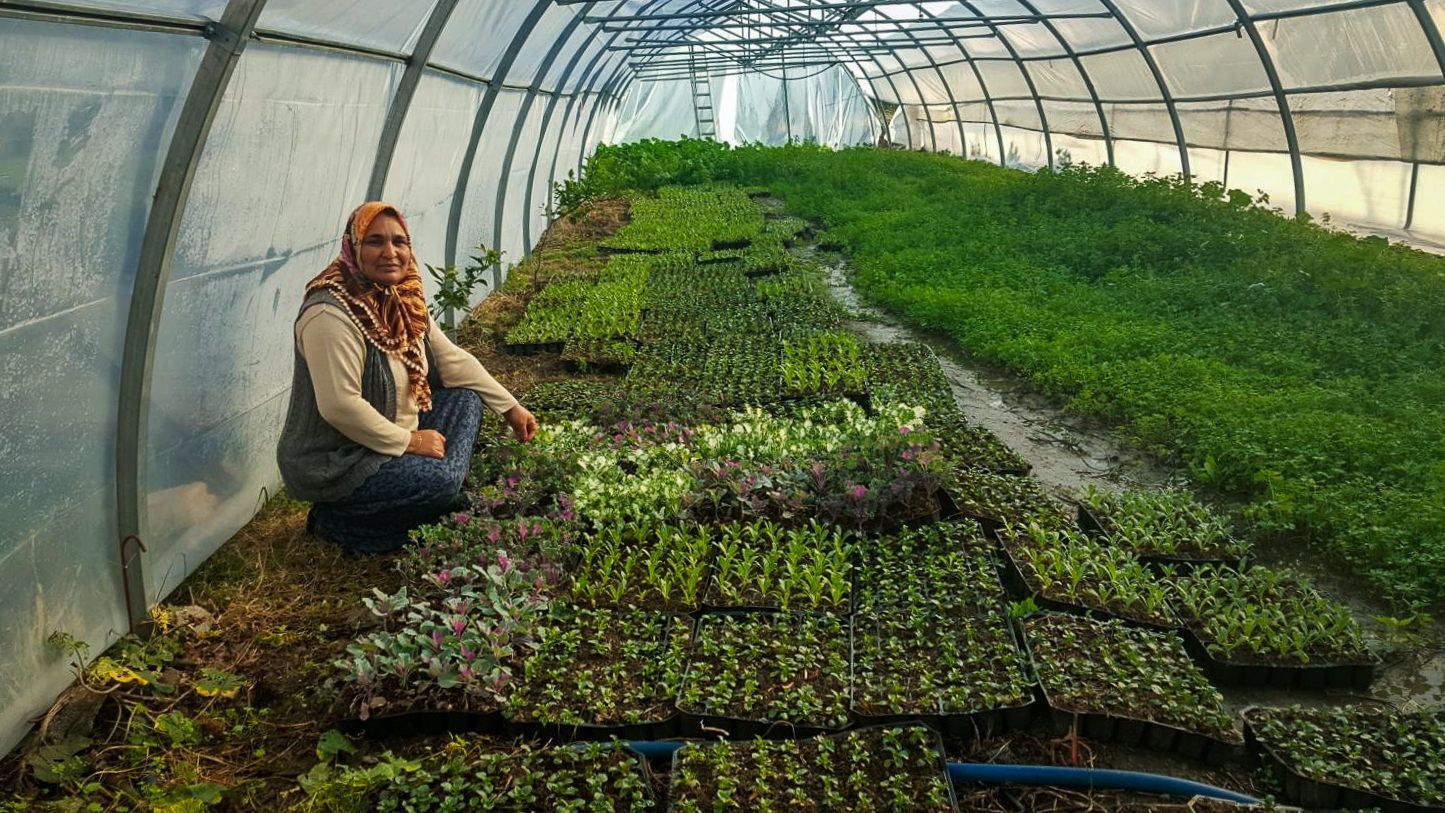
A greenhouse from Women Cooperative in Antakya, Turkey.
4.4 The social and cultural dimensions of UA
Several studies have pointed out how UA can promote social inclusion (Davidson, 2017), reduce poverty and crime (Ferreira et al., 2018; Zeunert, 2020), dismantle social barriers (Corcoran and Kettle, 2015), empower women (Hovorka, 2006), maintain traditional knowledge and cultural connections (Barthel et al., 2010; Shostak and Guscott, 2017), support human health and well-being (Brown and Jameton, 2000; Zeunert, 2020) and improve environmental education (Barthel et al., 2010; Hovorka, 2006).
Box 12: SiEUGreen experiences: Social inclusion
|
Another potential social benefit of UA is the connection to culture, especially food culture. UA supports communities to maintain and nurture cultural identity while sharing values and customs with others. For emigrant communities, it can represent a continuation of cultural practices and traditional agroecological knowledge associated with their home country (Tapia et al., 2020; Taylor and Lovell, 2015).
UA's physical and mental health benefits have also been documented. UA can decrease risk factors for poor health, such as obesity, by expanding the supply of fresh and healthy food at reasonable prices. Studies report that UA increases fruit and vegetable intake and food diversity (Audate et al., 2019; International Resource Panel, 2021). Impacts on mental health are often attributed to the opportunities UA creates for people to meet and socialise and the associated effects of these encounters, such as increased life satisfaction, reduced loneliness, improved happiness, and less stress. (Cong and Thomsen, 2021; International Resource Panel, 2021; Zeunert, 2020). Some potential but less empirically studied benefits are the improvement of environmental awareness among people and the dissemination of circular economy practices that are a byproduct of UA implementation (Barthel et al., 2010; Cong and Thomsen, 2021; Hovorka, 2006; International Resource Panel, 2021).
Box 13: SiEUGreen experiences: Healthy food
|
Despite the potential benefits, social and cultural barriers can also hinder the implementation of circular strategies within UA. Users’ perceptions and misgivings concerning waste can limit a closed-loop approach to UA (International Resource Panel, 2021). As Antić et al. (2020) highlight, the use of human waste as a fertiliser in UA needs further research to clarify the implications it could have on human health and the benefits it can bring to the environment and food security. Users for whom agricultural practices are not a custom or interest may also become disengaged with UA projects. Additionally, users’ apathy or unwillingness to participate in recycling efforts, especially those involving technologies with high maintenance requirements or demanding lifestyle changes, can also cause obstacles in generating a functional and sustainable circular economy.
Box 14: SiEUGreen experiences: Social awareness and acceptance— behaviour, cultural, and social barriers
|
Alongside these social hesitancies towards UA, inadequate incentives to reuse bio-based materials (Pascucci, 2020) and the potential to exacerbate processes of gentrification (Horst et al., 2017; Safransky, 2014; Sbicca, 2019) are also pinpointed in the literature as adverse effects of UA. In fact, UA may reinforce and deepen societal inequities by benefitting privileged communities and resourced organisations and contributing to marginalisation and even displacement of socioeconomically disadvantaged households.
Local governance and public policies have a central role in supporting and promoting UA as a method for overcoming social barriers and anchoring circular practices that use waste streams to grow food in cities. Since local governments are responsible for a wide range of local infrastructure (e.g., water supply, waste management, sewerage treatment), they have a pivotal role in enabling practices and mechanisms (e.g., financial incentives, regulations) that encourage closing loops in cities and optimising food supply chains.
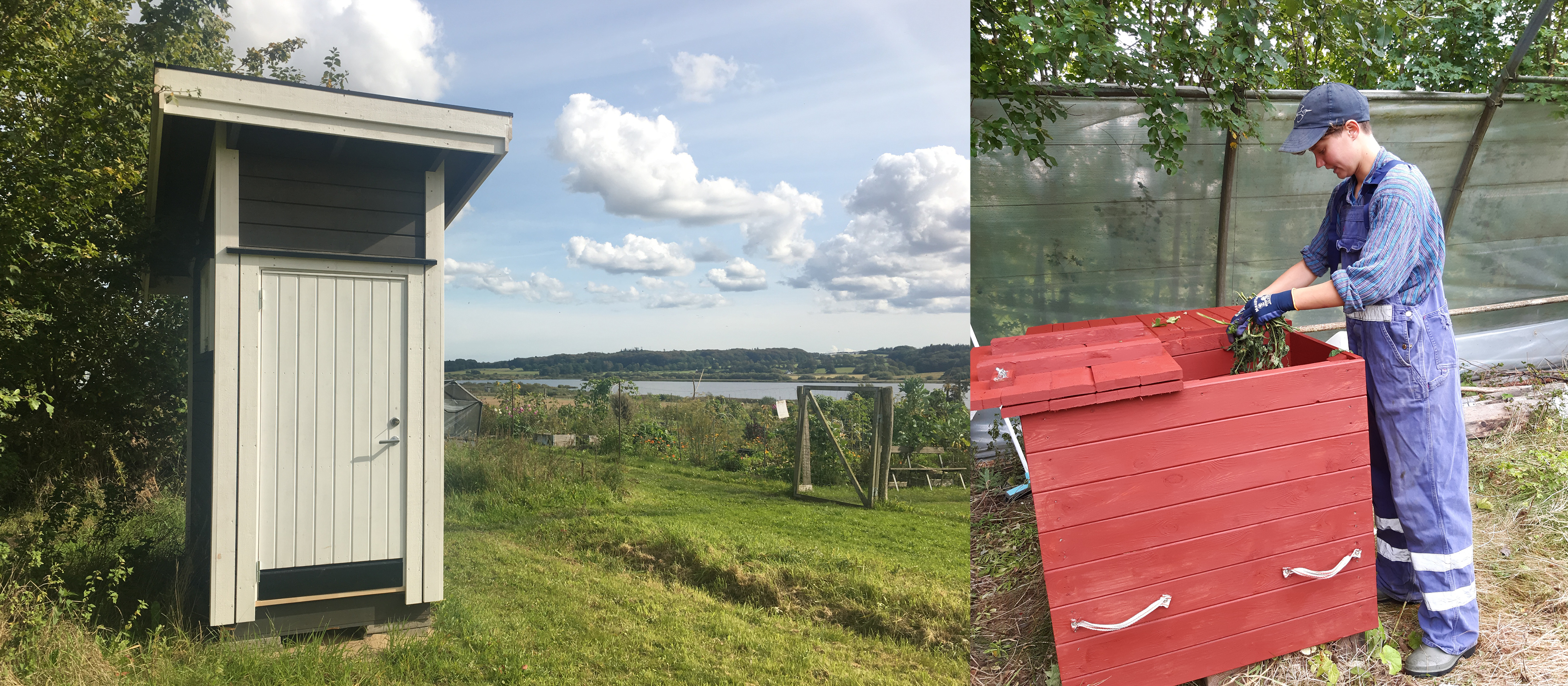
Solar-driven toilet and the janitor taking care of the compost in Brabrand Fællesgartneriet, Aarhus, Denmark.
4.5 Regulatory and institutional issues: governance for a more circular UA
European policy frameworks and strategies recognise the importance and necessity of integration of food, energy and water sectors—also known as the F-E-W nexus—to address global challenges such as climate change and economic, environmental, and social security. Food, energy, and water are recognised as human rights and are strongly represented in the UN SDGs as access to these resources are essential to people’s life (United Nations, n.d.). In the European Green Deal (European Commission, 2019), the EU emphasised that a more sustainable EU economy relies on the efficient use of resources, moving to a clean, circular economy while restoring biodiversity and cutting pollution in the pursuit of climate neutrality by 2050. As part of the European Green Deal, the Farm to Fork Strategy aims to accelerate the shift to fair, healthy, and environmentally friendly food systems. This strategy acknowledges the intertwined connections between healthy people, healthy societies, and a healthy planet (European Commission, 2020a) and addresses challenges and opportunities in all food system phases (production, distribution, consumption, and disposal). But even in 2015, the EU Circular Economy Action Plan already highlighted the need to “(…) establish a concrete and ambitious programme of action, with measures covering the whole cycle: from production and consumption to waste management and the market for secondary raw materials” (EC, 2015: 2). The action plan covers not only legislative efforts but also funding tools in a significant policy push committing €222.7 million to support Europe’s transition to a more “closed-loop” future (EC, 2015, 2017, 2019).
The importance of local governments to achieve these goals is stressed in international and national agendas, such as the New Leipzig Charter 2020, which emphasises the pursuit of the common good using the transformative power of cities. The charter provides a policy framework to envision and realise European and global agreements, such as the Paris Agreement and the European Green Deal at the urban scale, and it emphasises the need for inclusive and affordable urban policy that ensures safe services and infrastructure (European Commission, 2020b). Specifically related to food, the FAO initiative Food for the Cities (2011) was a pioneer programme for highlighting the role of cities as drivers for making food systems more sustainable and resilient (FAO, 2016). A further stepping stone was the Milan Urban Food Policy Pact in 2015 that pushed forward the development of holistic strategies integrating food, social economy, environment, and health at the local level in more than 240 cities and towns around the world. Most recently, the EU’s Food 2030 framework pledged that solutions driving the transformation of current food systems towards sustainability could be achieved through a well-governed and more systemic research and innovation (European Commission et al., 2020). This document outlines that “governance and systems change” is an important element for delivering solutions to improve nutrition, the climate, circularity, and innovation.
The policy landscape suggests the importance of UA in strengthening the connection between the food, energy, and water sectors. The role of public policies coordination enabling framework conditions measures (e.g. legal frameworks, taxes, incentives, infrastructure development) in addressing market failures, technological limitations and socio/cultural difficulties is paramount in improving the circularity of resources in cities. Nevertheless, despite the gains that could be made by linking F-E-W policy areas, several limitations still hamper that development. Specifically, regulatory frameworks can diminish the use of waste streams, as national regulations vary somewhat between countries and are generally quite restrictive. Further research on the hygienic risk of local use of waste resources and thorough routines for waste treatment, as well as coherent regulations, are still necessary (Jenssen et al., 2022). At the same time, upscaling the use of waste as a resource for food production in cities challenges current management structures and requires transformative governance models, new technical skills and tools, and reshaping the roles of civil servants and consultants within transformative processes as well as addressing social/cultural challenges and foster the diffusion of UA and circular economy information for both UA enterprises and civil society.
Box 15: SiEUGreen experiences: Regulatory limitations for implementing circular approaches for UA
|
Other institutional barriers related to managing bio-based systems include the lack of defined property rights for biological materials and the ambiguity about who has the ownership of food as well as organic waste resources and who is in charge (and is liable) for managing it (Pascucci, 2020). Other hurdles are related to planning, with many local authorities failing to integrate UA activities into urban plans (Ferreira et al., 2018). In fact, territorial planning instruments and urban land use regulations have an essential role in officially acknowledging UA as a viable and worthwhile use of urban space (International Resource Panel, 2021).
Box 16: SiEUGreen experiences: Urban development versus UA.
|
A significant challenge is the lack of mechanisms to anchor UA in the socioeconomic fabric of the city. This reflects the siloed development of planning policies, such as food and enterprise policies. This hints towards the importance of strategic governance towards UA implementation within a circular approach: a coherent roadmap to align policies at several levels and areas - not isolated initiatives. Therefore, looping resources through UA requires the development of urban transformative capacities (UTC). UTC encompasses the “collective ability of all actors in an urban innovation ecosystem to conceive of, prepare for, initiate, and perform” transformative change at social, organisational and ecosystem levels, thus enabling sustainable future development (Wolfram, 2016).
Box 17: SiEUGreen experiences: Importance of governance at the urban level; recommendations for implementation of circular approaches for UA
|