Defining a social impact start-up and related concepts
A social impact start-up (up to five years old) offers a business model that provides solutions for existing welfare challenges. Therefore, they positively impact society while also making money (Den Sociale Kapitalfond 2022). Similarly, a social entrepreneur is an entrepreneur or company that gains income under regular market conditions but re-invests surplus to resolve a societal challenge (Brøgger 2017; Wallenberg Academy 2017).
Some public actors concretise this, stating that, to be considered a social entrepreneurial company, the company must re-invest over 50% of their profits to further their societal goals or otherwise maintain it as a priority (Suomalaisen työn liitto 2022; Tillväxtverket 2022). For both impact start-ups and social entrepreneurs, social innovation is a cornerstone in the business model. Social Innovation “refers to the design and implementation of new solutions that imply conceptual, process, product, or organisational change, which ultimately aim to improve the welfare and well-being of individuals and communities” (OECD n.d.). While accounting for the variety of related terms, this study will focus primarily on social impact start-ups/entrepreneurs that provide innovative solutions to welfare challenges.
Central for social impact start-ups is supporting an inclusive work life. The start-ups offer new products, services, and technologies that strengthen societal diversity and inclusion. They are also examples of new pathways for the labour market in terms of enhancing the quality of the work life. Impact start-ups are particularly apt for striving towards goals to improve health and well-being, supporting solutions that have the power to generate change, making education and employment more inclusive, and encouraging communities to become more sustainable and resilient. Figure 1 illustrates this dynamic through the four pillars of societal contribution, which also have positive spill-over effects for several sustainable development goals. Impact investment and innovative enterprises are key to reaching several SDGs such as ending poverty, ensuring health and well-being, ensuring quality education for all, promoting decent work for all and sustainable economic growth, reducing inequality, and making cities and human settlements more inclusive, safe, and sustainable.
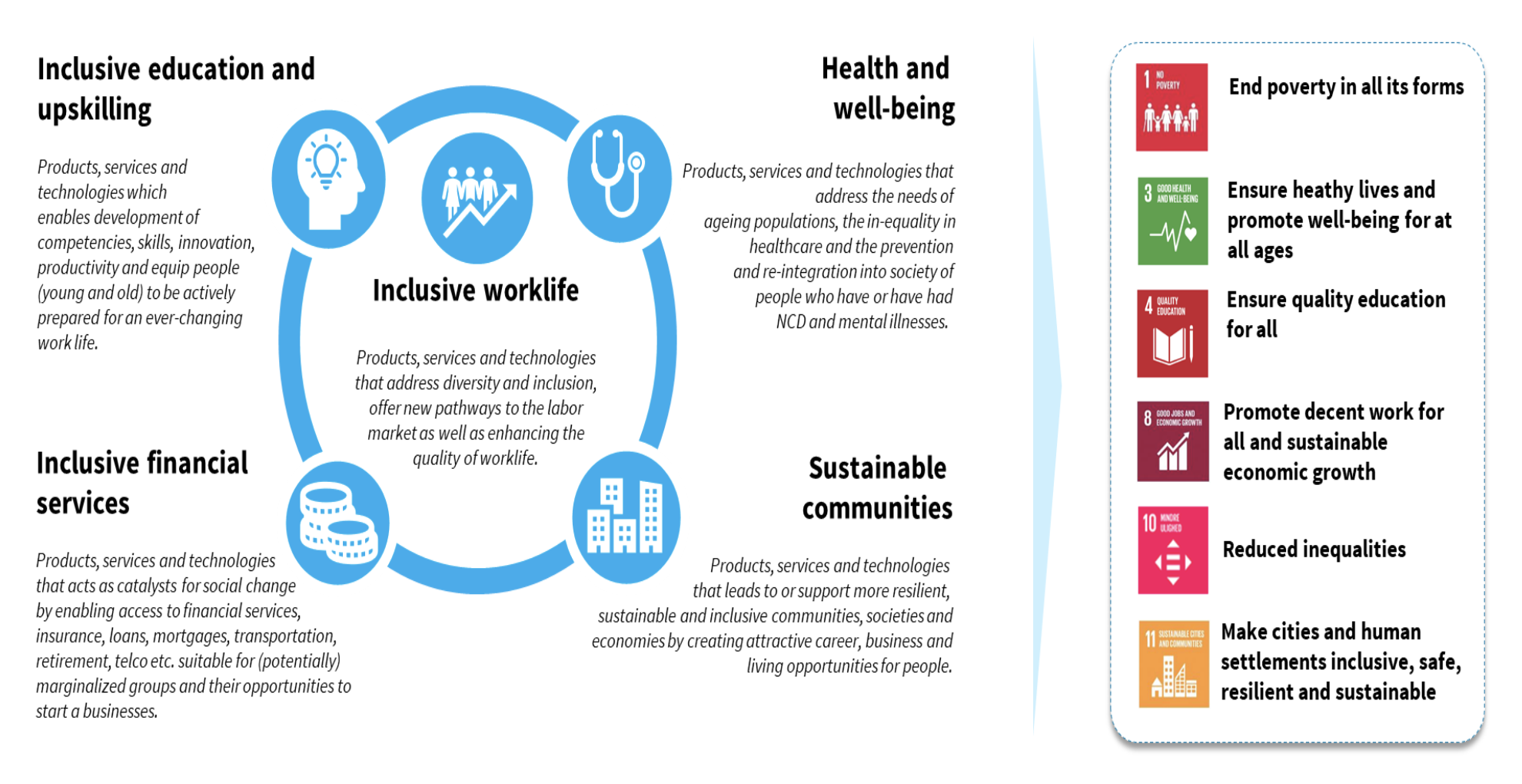
Figure 1. Four pillars of impact start-ups and relations to SDGs.