1. Introduction
According to the UN (2025), only around 18% of the SDGs are on track globally, while approximately 66% are either off track or progressing too slowly. In 2020, a report by the OECD underscored the essential role of local and regional governments, noting that some 65% of the SDG targets cannot be achieved without their involvement (OECD, 2020).
In this context, it is essential to gather local and regional actors’ insights based on their work on the 2030 Agenda, pinpointing not only successes, but also challenges, gaps and areas for improvement. Equally important is understanding their expectations and priorities for global sustainability cooperation beyond 2030. Given their pivotal role in implementing the Global Goals, any future agenda should be grounded in their needs, realities and perspectives.
The Nordic context offers valuable lessons from SDG implementation, shaped by local actors’ extensive experience with the 2030 Agenda. Several features of the Nordic model support effective local engagement in implementing the SDGs. These include strong local self-governance and autonomy, open and trusted dialogue across levels of government, proactive local and regional government associations (LRGAs), early municipal adoption of the SDGs and a collaborative civic culture. These elements were also explored further in the Nordic Voluntary Subnational Review (2024).
Formal discussions on the global sustainable development framework beyond 2030 will begin at the SDG Summit in September 2027, as mandated by the Pact for the Future adopted at the 2024 Summit of the Future. In anticipation of this meeting, preparatory research and consultations are already underway among policymakers and experts. This policy brief contributes to these efforts by presenting perspectives from Nordic sustainability actors working within local and regional authorities, Nordic LRGAs representing the interests of municipalities and regions, and youth representatives.
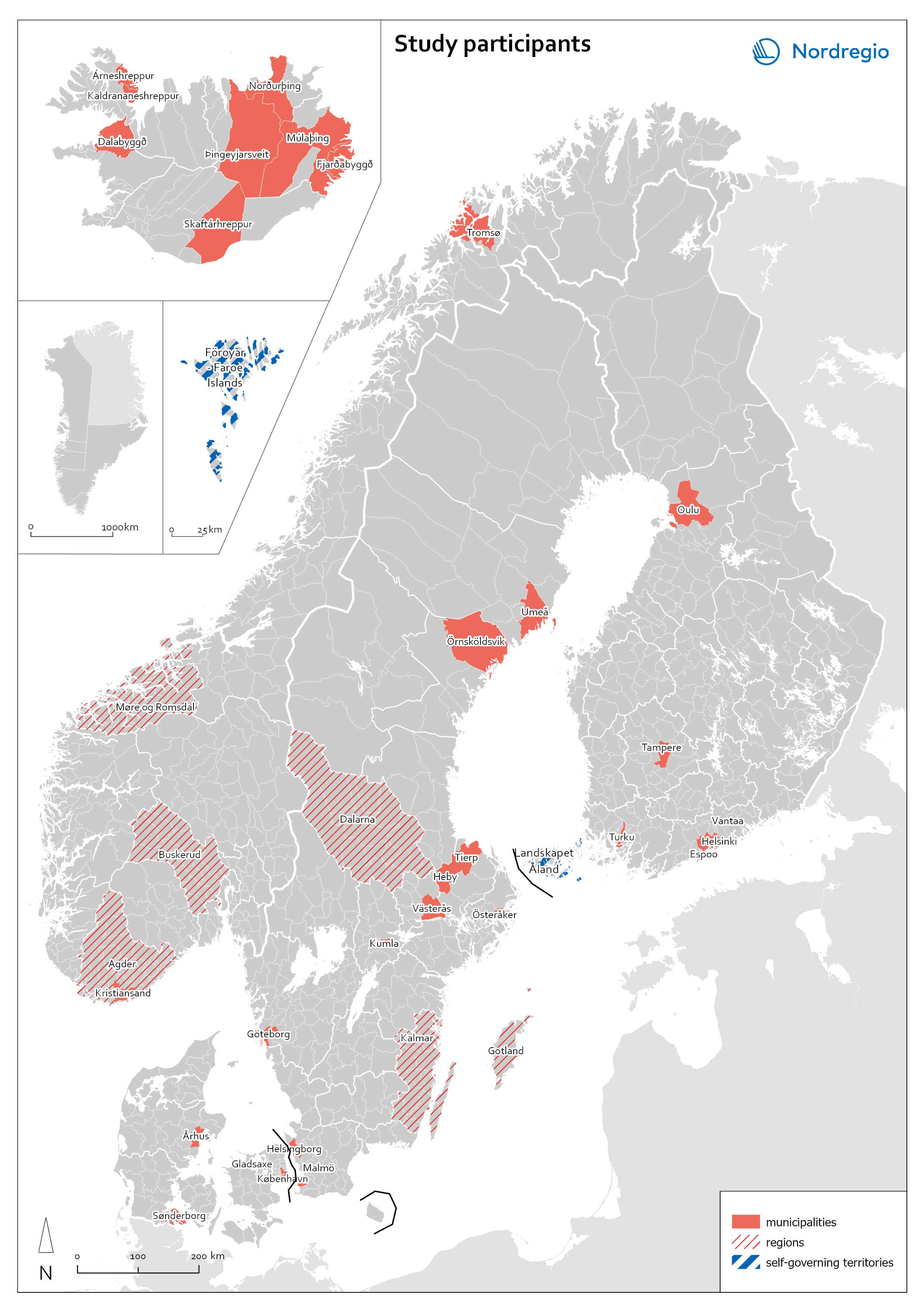
This policy brief is based on findings from focus group discussions, complemented by interviews and written input from Nordic sustainability experts. Between spring and winter 2025, perspectives were gathered from 30 municipalities, 6 regions, 6 LRGAs
The Association of Finnish Local and Regional Authorities, the Icelandic Association of Local Authorities (Samband íslenskra sveitarfélaga), the Norwegian Association of Local and Regional Authorities (KS Kommunesektorens organisasjon), the Swedish Association of Local Authorities and Regions (Sveriges Kommuner och Regioner), the National Association of Municipalities (Føroya Kommunufelag), and Åland Municipal Association (Ålands kommunörbund).
Municipalities and regions were selected in close dialogue with the LRGAs, who recommended relevant candidates in each country. Most contributors were civil servants working as sustainability advisors or specialists in areas such as climate action, environmental and social sustainability, or biodiversity. In Iceland, project administrators working on sustainable community development also participated. Youth representatives from Denmark, Finland, Iceland and Sweden were engaged through Nordic environmental and sustainability organisations.
Map 1. Study participants: municipalities, regions and self-governing territories.
Note: LRGAs and youth representatives are not represented on the map.
This policy brief is based on findings from focus group discussions, complemented by interviews and written input from Nordic sustainability experts. Between spring and winter 2025, perspectives were gathered from 30 municipalities, 6 regions, 6 LRGAs
The Association of Finnish Local and Regional Authorities, the Icelandic Association of Local Authorities (Samband íslenskra sveitarfélaga), the Norwegian Association of Local and Regional Authorities (KS Kommunesektorens organisasjon), the Swedish Association of Local Authorities and Regions (Sveriges Kommuner och Regioner), the National Association of Municipalities (Føroya Kommunufelag), and Åland Municipal Association (Ålands kommunörbund).
Municipalities and regions were selected in close dialogue with the LRGAs, who recommended relevant candidates in each country. Most contributors were civil servants working as sustainability advisors or specialists in areas such as climate action, environmental and social sustainability, or biodiversity. In Iceland, project administrators working on sustainable community development also participated. Youth representatives from Denmark, Finland, Iceland and Sweden were engaged through Nordic environmental and sustainability organisations.
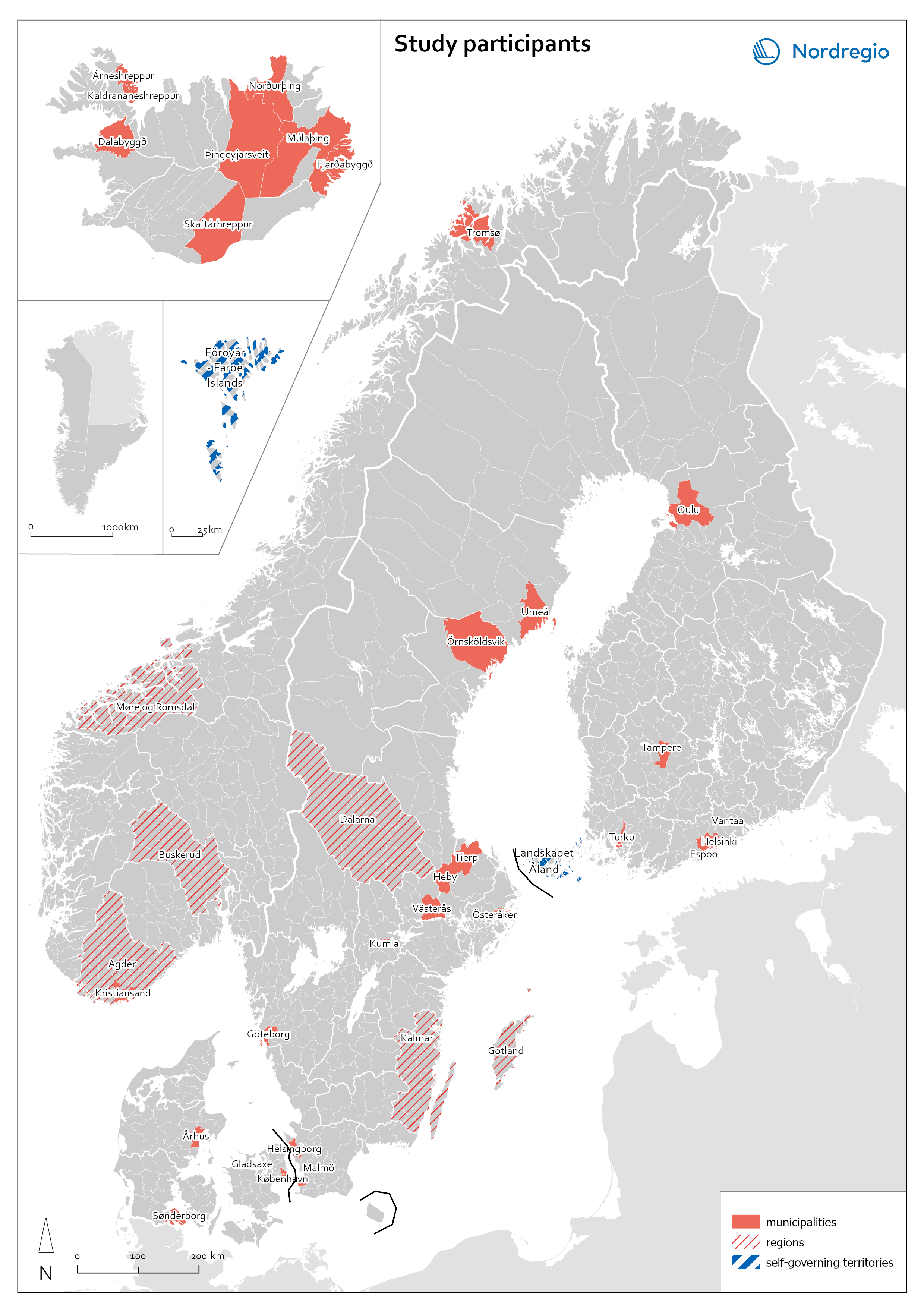
Map 1. Study participants: municipalities, regions and self-governing territories.
Note: LRGAs and youth representatives are not represented on the map.
Note: LRGAs and youth representatives are not represented on the map.