Images: Žilvinas Ka; Sonia Dauer / Unsplash
Introduction: Ukrainian civil preparedness – A wake-up call
Although Ukraine had experienced war on its borders since 2014, it was not fully prepared for Russia’s full-scale attack on 24 February 2022. The civilian population lived everyday lives: they worked, planned for the future, built communities and modernised cities and villages. Many dismissed the idea of a full-scale modern war in central Europe as highly unlikely. Civil preparedness systems focused primarily on local security challenges, such as floods, industrial accidents or fire safety, rather than military aggression.
That reality was radically altered on the morning of 24 February 2022. Missile strikes, bomb attacks, and the Russian ground invasion destroyed any illusion of stability. Military facilities, residential areas, hospitals, schools and transport infrastructure were all targeted. Thousands of civilians were killed.
Ukrainian society faced unprecedented challenges, including widespread internal displacement and logistical collapse, and essential services were under enormous strain. The civilian population went from leading ordinary lives to seeking refuge in bomb shelters. Many people organised volunteer support groups or enlisted in the armed forces.
This situation exposed widespread deficiencies in civil preparedness. Many communities lacked adequate shelter, early warning systems or stocks of critical supplies. Local governments were forced to respond rapidly as the crisis unfolded. Businesses faced numerous challenges, such as disruption to production, destroyed infrastructure and the urgent need to evacuate personnel and relocate facilities.
Despite this, Ukrainian society has demonstrated remarkable resilience. People formed volunteer groups, and businesses adjusted to support military and humanitarian needs. Local authorities set up relief centres for displaced persons and developed new civil defence systems in response to the changed circumstances.
The war has shown that civil preparedness is a collective responsibility shared by all parts of society. To maintain resilience in a crisis and foster a strong sense of security among the population, the public and private sectors must be integrated.
Based on interviews conducted during July–October 2025 and studies of relevant documents, this report provides insights into civil preparedness in Ukraine and the Lviv region. We evaluate civil preparedness among local and regional authorities and their role in maintaining critical infrastructure, particularly in the areas of energy supply, food security, health and education. This report was initiated by the Nordregio Thematic Group for Regional and Local Resilience and Attractiveness, and provides lessons in civil preparedness that may prove valuable for the Nordic countries and others when adapted to their regional and national contexts.
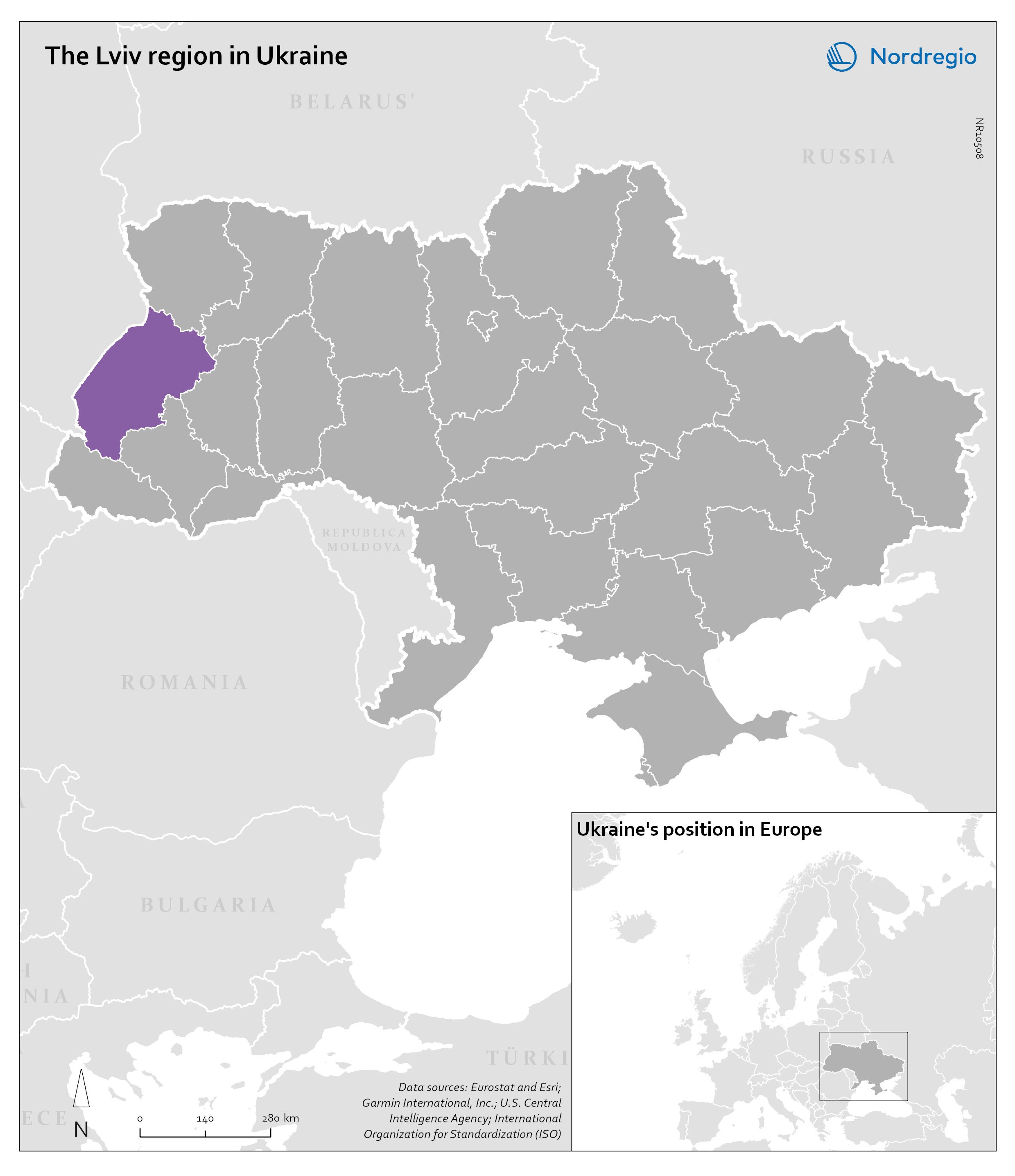
Map 1. The Lviv region in Ukraine. Source: Nordregio