3. Exploring 5G frontiers: Unveiling strengths and challenges across sectors
3.1. Healthcare
5G’s capabilities, surpassing those of 4G, include reduced latencies and increased capacity (PwC, 2021a). As such, it has been highlighted as a catalyst for innovation within the healthcare industry. Notably, 5G played a role in addressing the challenges posed by the COVID-19 crisis. Relevant applications included aiding interactions between healthcare professionals and patients, facilitating self-isolation, and streamlining contact tracing (Nordregio, 2022a; Siriwardhana et al., 2021). The timely deployment of these technologies not only addressed pandemic challenges, but provided valuable lessons for effectively managing a post-pandemic world.
5G showcases versatile applications within healthcare, ranging from supply chain management (e.g. smart manufacturing, goods monitoring, remote data collection, self-service systems, remote services) to telehealth (encompassing telemedicine, telenursing, telepharmacy, etc.), to telesurgery and innovative diagnostic methods (Georgiou et al., 2021; Popov et al., 2022). In applications related to telesurgery and diagnostics, 5G networks support Ultra-Reliable and Low Latency Communications (uRLLC), needed to enhance connectivity (Siriwardhana et al., 2021) and so enable services in remote rural areas lacking traditional healthcare facilities, thereby addressing gaps in access to medical services (Santarsiero et al., 2023). Moreover, the technology holds the potential to improve emergency services, including medication transportation using drones (Nordregio, 2022b), as well as treatment, care and rehabilitation support (Nordregio, 2022c).
These developments could help address significant challenges in Nordic and Baltic health services, ensuring universal, equitable and sustainable healthcare in ageing societies and sparsely populated areas. The health sector’s emergence as a prominent vertical within the Nordic-Baltic region’s 5G realm led to its selection as the first topic for the 5G N-B MT project event series. During the event, examples from Luleå University of Technology (LTU) (Sweden) highlighted 5G’s role in expediting rehabilitation for stroke patients and in real-time alert systems for nursing home accidents. Additionally, Oslo Hospital and the Norwegian University of Science and Technology (NTNU) (Norway) provided inspiring examples of early-stage cancer detection and prevention. These innovative 5G projects not only benefit the health sector, but offer a glimpse into the future of the industry and the challenges that must be addressed.
3.1.1. 5G and options for healthcare in sparsely populated areas
LTU, in collaboration with Ericsson, Telia and TietoEVRY, has successfully established the 5G Innovation Hub North in Northern Sweden. The initiative encompasses six diverse testbeds across four municipalities, providing both outdoor and indoor 5G networks. Supported by Interreg Nord, Vinnova, Tempestiftelserna, the European Regional Development Fund and LTU, the project aims to foster innovations in the wireless communications industry – particularly among small to medium-sized enterprises (SMEs) – and contribute over the long term to a more inclusive society (LTU, 2021).
The Innovation Hub has conducted trials across various sectors, including mining and energy. Recently, LTU has further strengthened its collaboration with Telia and Ericsson by participating in the NorthStar innovation programme. The programme focuses on accelerating 5G adoption in industry, emphasizing especially the development of smart, sustainable transport solutions (LTU, 2023). As a result, the examples of LTU and the 5G Innovation Hub North featured in numerous 5G N-B MT project events.
When it comes to healthcare innovation, LTU’s focus has been on improving health in sparsely populated areas. Projects funded by the European Regional Development Fund, Norrbotten Region and Region Västerbotten, as well as municipalities including Övertorneå, Luleå and Skellefteå, have sought to establish Upper Norrland as a natural innovation environment for developing and testing 5G healthcare solutions (LTU, 2021). An exemplary trial involves Brain Stimulation, a company originating from Umeå University research. Utilizing Microsoft’s 5G-connected ‘HoloLens’, the innovation enables physical therapists to guide stroke rehabilitation patients through mixed-reality experiences, tailoring rehabilitation tasks for home practice. The approach addresses the long-distance challenges arising in Nordic rural regions, offering significant value for patients and specialists alike (Figure 10).
Another trial features Raytelligence’s ‘E-sense’, a sensor employing radar technology to monitor vital parameters in an elderly care facility in Övertorneå. Resident care has been enhanced by the sensor’s capability to automatically detect and alert staff to incidents, eliminating the need for manual activation of alert systems. This immediacy in detection can improve residents’ quality of life and reduce the strain on healthcare resources (Figure 10).
Despite notable successes, the integration of 5G into industrial or real-service applications faces significant hurdles, potentially impeding its widespread adoption. A primary obstacle lies in the intricate nature of these technologies, which necessitates simplified applications to enhance marketability and generate demand. Annika Svensson, project manager at LTU’s Centre for Distance-spanning Technology (CDT), underscored the importance of user-friendly 5G applications during her presentation at the first 5G N-B MT project event. According to Svensson, while ‘5G is all around us’, its transition into industrial or real-service applications for the general public requires a more straightforward approach: ’It needs to be less complicated than when researchers are running the trials’.
Another impediment to the seamless incorporation of 5G is the misalignment between device manufacturers and service providers. Many start-ups still operate within the framework of 4G and Wi-Fi, highlighting a shortfall in understanding and preparedness when it comes to the potential of 5G. The lack of a clear business case further complicates matters, with major market players struggling to see the evident advantages of 5G in healthcare. Svensson, in pointing out the pressing need to define the main advantages of 5G networks in healthcare, highlighted the importance of identifying collaborative opportunities between research and businesses. While universities, particularly research bodies, are at the forefront of 5G advancements, there is still space for a more prominent role fostering collaboration and disseminating knowledge about 5G’s applications and benefits in various industries.
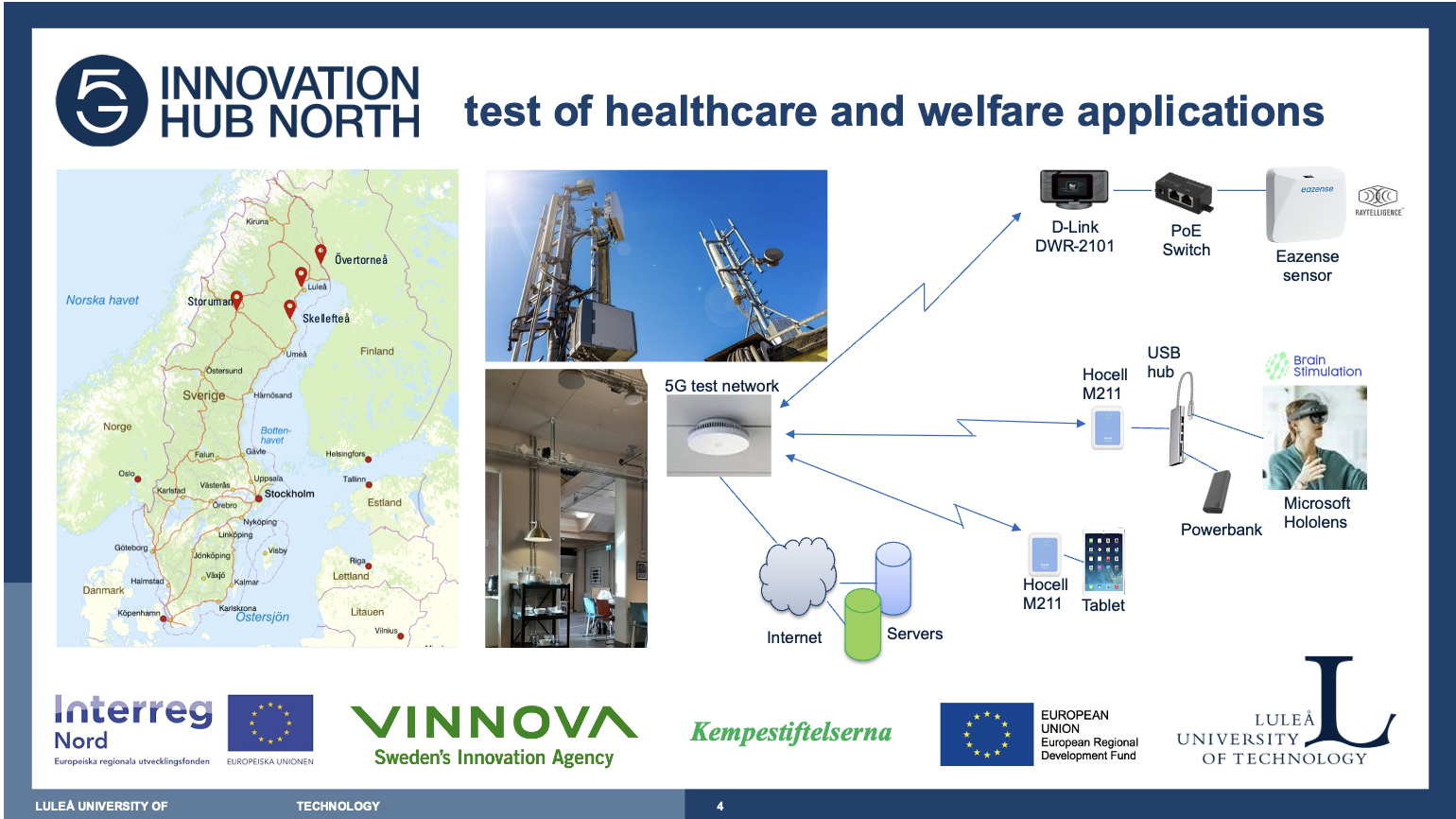
Figure 10. 5G for healthcare and welfare in sparsely populated areas
Source: LTU presentation
Source: LTU presentation
3.1.2. PillCam for automatic detection in the screening of colon cancer
In terms of innovative health applications, 5G may enable the utilization of ‘PillCams’ for automated polyp detection in colon cancer screening. PillCams, which resemble capsules, essentially function as miniature endoscopes. When ingested, they navigate the gastrointestinal tract, offering a non-invasive means of visualizing potentially pre-cancerous polyps before they turn into malignant tissues (Khaleghi et al., 2022).
Conventional colonoscopies – the current standard for polyp detection – bring inherent risks, discomfort and logistical challenges. The reluctance of many people to undergo the discomfort of a traditional colonoscopy, coupled with the fact that it is an expensive procedure and requires the availability of a hospital with the resources to perform it (usually in big cities), limits its overall effectiveness. Moreover, it is human-dependent and risky, leading to potential errors, and time-intensive and expensive for patients, usually involving specialized endoscopists. All this justifies the search for more accessible, cost-effective screening method alternatives (Hestvik, 2022). This need is particularly pronounced in light of the fact that colorectal cancer is the third most common cancer and the second leading cause of cancer-related death globally for both men and women. Simultaneously, early detection and removal significantly improves the chances of diagnosed patients leading a normal life (Khaleghi et al., 2022).
Oslo Hospital University, in collaboration with the NTNU and Telenor, conducted case trials that utilized 5G technology to facilitate wireless capsule endoscopies (Hestvik, 2022). The PillCams (Figure 11) transmitted real-time images through the cloud for remote examination, aided by AI algorithms trained to analyse and report potential polyps. In their current format, PillCams require battery capacity for data transmission. Here, the value of 5G technology becomes even more evident, as it can minimize the capsule’s on-board power consumption while ensuring end-to-end transmission security. This allows on-the-fly optimization of capsule camera parameters for high-accuracy polyp detection.
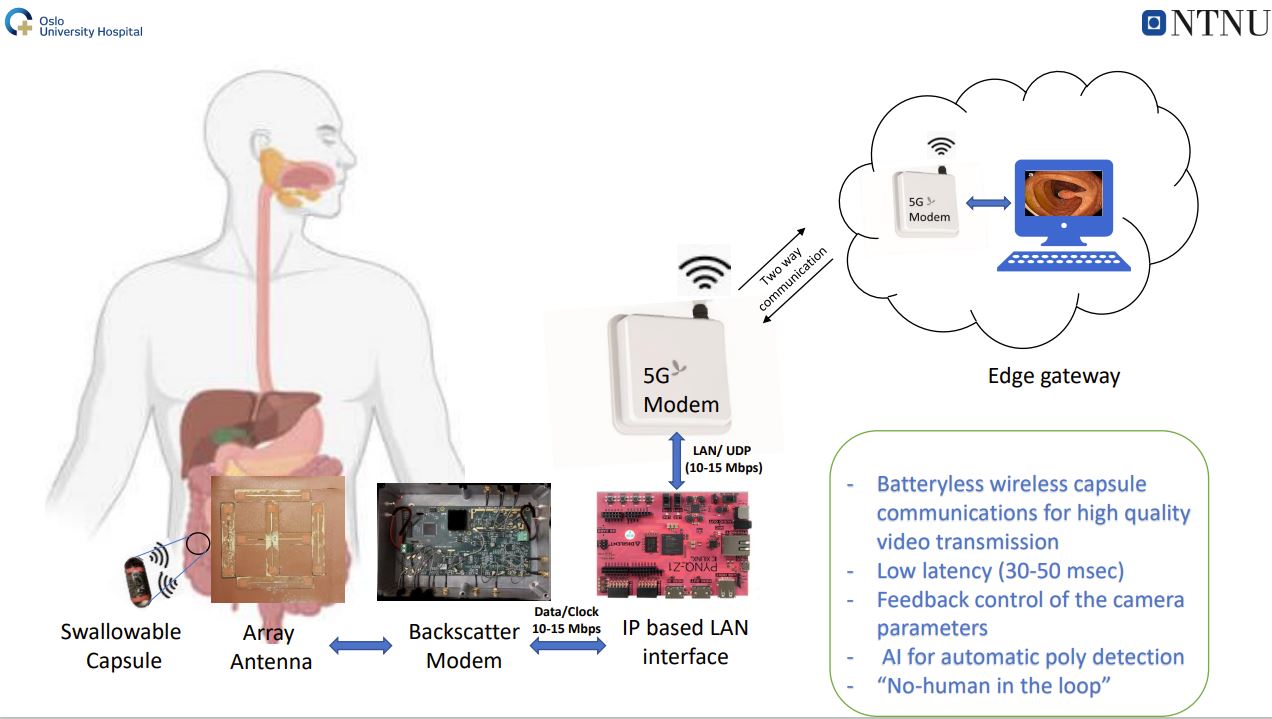
Figure 11. Screening for colon cancer.
Source: Norwegian University of Science and Technology (NTNU) and Oslo University Hospital
Source: Norwegian University of Science and Technology (NTNU) and Oslo University Hospital
A primary driver behind this innovation was the need to bring new services to the general population, both in central Norway and the country’s remoter areas. However, this innovative approach faces a number of hurdles. Ilangko Balasingham, Head of the Wireless Biomedical Sensor Network Research Group at the University Hospital of Oslo, who presented this example at the project event, highlighted several critical challenges. The efficiency and limitations of the technology still need to be validated. Such limitations could affect the reliability and usability of 5G-enabled healthcare applications. As Balasingham put it, ‘If the PillCam misses a few polyps, it will harm the technology’s reliability’. Additionally, data privacy is an ongoing concern, requiring strict adherence to regulations and ethical considerations around data usage. Balasingham stressed the ‘need for strong confidence that procedures and technology developments align with regulations’.
Moreover, the market’s maturity and financial challenges present additional obstacles to the adoption of 5G technology in healthcare. Public healthcare systems are often constrained by limited resources and may hesitate to allocate funds to early-phase development/testing of new technologies, leading to delays in the integration of innovative solutions into healthcare settings, thus hindering the sector’s ability to leverage the full potential of 5G. These financial barriers not only prolong the adoption timeline, but pose challenges when it comes to aligning with the rapid pace of technological advancements in other sectors. As a result, healthcare systems may struggle to keep pace with technological innovation, limiting their ability to deliver optimal care through 5G-enabled solutions.
In essence, while the PillCam 5G application has the potential to revolutionize colon cancer screening, technological, data privacy and financial complexities stand in the way of its integration and widespread adoption. Nevertheless, this application opens the door to various opportunities, including remote surgery and targeted localized treatment (Khaleghi et al., 2022).
3.1.3. Key messages
The event on 5G in healthcare highlighted the potential for transformative impacts across both the Nordic-Baltic region and Europe more generally. Key takeaways pointed to the role of 5G in bolstering time-critical and reliable health services, opening up avenues for innovative cross-industry collaborations.
In terms of regional growth and competitiveness, the Nordic-Baltic countries are well-placed to take the lead in 5G health innovation, transitioning from clinical trials to real services. Doing so, however, requires overcoming a diverse set of technical, security and regulatory challenges that stand in the way of the widespread adoption of 5G technology, overshadowing in some cases financial constraints. Implementation hurdles in real-world industrial or service settings, especially for the general public, underscore the need for recognized added value and acceptance. Simplification is therefore necessary for widespread adoption beyond research trials, as highlighted in the Luleå and Oslo examples (Is the new application simple enough? Is it perceived as efficient as other mainstream options? etc.). Collaboration between universities and industries holds promise for effective operations and should be encouraged.
Market immaturity also represents a significant obstacle, casting uncertainty on business development and investments. Event discussions revolved around getting industries on-board, adapting the technology as widely as possible, and identifying business areas where 5G can be effectively leveraged. A central concern for many countries revolves around extending 5G coverage to sparsely populated or remote areas. While 5G is undoubtedly a technological leap, addressing this challenge necessitates deeper discussions on connectivity, accessibility and ensuring such areas are not left behind by new technologies.
3.2. Mobility and transport
It is estimated that the 5G roll-out will contribute around US$700 billion to global GDP by 2030, with one-third of this value originating from the transport sector (Monserrat et al., 2020). Beyond economic growth, 5G’s potential benefits extend to safety, energy efficiency, climate change mitigation and employment. From connected and autonomous vehicles to smarter and more efficient logistics, improved urban transportation to Mobility as a Service (MaaS), the application of 5G is projected to have considerable impacts on the entire transport sector.
The availability of 5G presents a opportunity to modernize public transport, improve traffic flow and enhance urban mobility, thereby promoting infrastructure-sharing and encouraging the use of public transport over private cars. The technology’s potential impacts also extend to better monitoring and improved safety – e.g. reducing road accidents attributed to human error (Hakak et al., 2023).
When it comes to logistics and supply chains, 5G is expected to impact autonomous operation, simplify communication processes and reduce costs, in doing so enhancing the potential for connected freight and autonomous shipping/ handling (Kountche et al., 2023; Lagorio et al., 2023; Rendon Schneir et al., 2022). In terms of the pursuit of a carbon-neutral economy, 5G-enabled connectivity is also expected to drive down energy consumption, potentially by as much as 30–70% in the transport sector, linked with mechanisms such as truck platooning, smart infrastructure and optimized driving patterns (Hakak et al., 2023; Monserrat et al., 2020).
Nevertheless, several technical and legal challenges remain, including safety concerns, legal responsibility for autonomous vehicles, uncertainties in how energy use and climate change impacts are assessed, and cybersecurity risks (EPRS, 2022; Monserrat et al., 2020).
In this context, the 2nd 5G N-B MT project event was dedicated to 5G applications in the transport and mobility sector, and included several examples already being tested in the Nordic-Baltic countries. A number of presented initiatives from Latvia highlighted 5G’s potential when applied to smart city transport infrastructure, addressing aspects such as traffic signals, parking systems and public transport hubs. Turning to the maritime industry, the event discussed 5G for autonomous shipping in Finland and the main challenges posed. Finally, the impact of 5G on the safe operation of unmanned aerial vehicles (UAVs) was explored, with a focus on Sweden and the Drone Centre Sweden testbed in Västervik.
3.2.1. Smart city transportation infrastructure and insights from 5G-ROUTES Project
LMT is a Latvian telecommunications operator engaged in the development, testing, implementation and scalability of telecommunications solutions both locally and internationally. It operates in diverse fields, including mobility, drones, Internet of Things (IoT) and public safety. LMT has participated in several innovation testbeds as part of the real-world deployment of novel product solutions, and has been involved in various EU R&D projects in the transport and mobility vertical 5G-ROUTES.
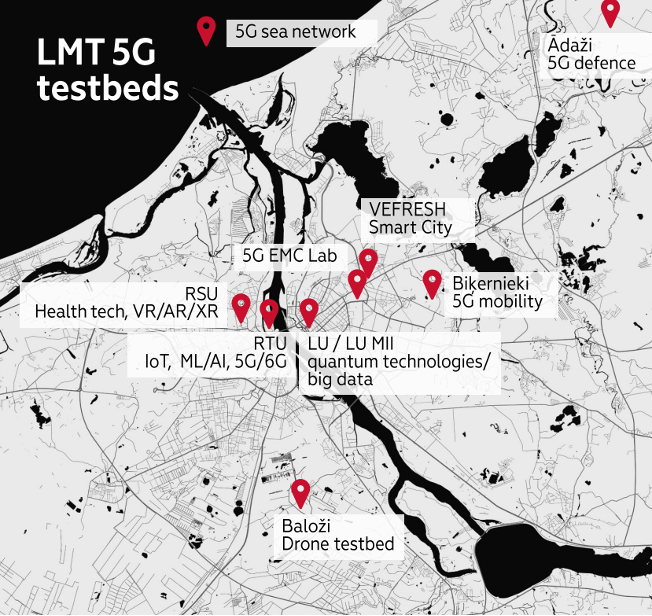
Figure 12. LMT 5G testbeds
Source: LMT
Source: LMT
The 5G-ROUTES project, which received Horizon 2020 research and innovation programme financing, centred around trials for the deployment of 5G interoperable connected-and-automated mobility (digitized motorways, railways and waterways) in the 5G cross-border corridor (‘Via Baltica-North’) between Latvia, Estonia and Finland. The overarching objective was to establish a connected, resilient communication network that would ultimately enhance transportation safety and efficiency. LMT was part of the project’s consortium of 20 companies, leading a working group tasked with creating the 5G infrastructure at the trial sites and providing solutions for digital roads and smart vehicles (e.g. self-driving cars, trains and ferries). Towards this end, a site in Bikernieki, Latvia, was developed to provide a test area for the latest technological achievements made in the 5G-ROUTES project and beyond (LMT, 2023).
Overall, the 5G-ROUTES results emphasize that although 5G serves as a fundamental technology for establishing connected-and-automated mobility, success in its deployment – particularly for the Baltic and Nordic states – relies on various factors. Key considerations include international security concerns (linked with discussions around the installation of 5G equipment from non-European sources) and the need for effective political coordination, particularly in terms of cross-border collaboration (Rizopoulos et al., 2022).
LMT is also actively engaged in various smart city initiatives where it is anticipated 5G networking will play an important role in overseeing a multitude of functions. Elina Lidere, LMT Innovation Ecosystem Leader, pointed out that it ‘will not only be the new connectivity, not just faster internet, but lots of other services that need to be developed and delivered to customers’. This points to potential new markets in public services such as schools, libraries, hospitals, power plants, water supply networks, waste management and law enforcement, as well as transportation systems (Attaran, 2023). The AI-powered Red Light Enforcement Solution in Liepāja, Latvia, underscores the relevance of 5G technology in advancing smart city initiatives and enhancing mobility infrastructure. Leveraging high-resolution cameras and AI algorithms, this system exemplifies how 5G enables real-time data processing and analysis, essential for accurate identification of red light violations (LMT, 2022).
While the Red Light Enforcement Solution showcases the potential benefits of 5G in improving road safety and traffic management, it also raises pertinent challenges. For instance, the reliance on high-speed data transmission necessitates robust 5G network coverage, which may pose implementation hurdles in areas with limited infrastructure. Moreover, there is a need for stringent data protection measures – including ensuring General Data Protection Regulation (GDPR) compliance – amidst the proliferation of sensitive information collected by smart city technologies. Additionally, the effectiveness of such solutions in reducing violations may vary between urban landscapes and traffic scenarios, with tailored approaches required to address diverse mobility challenges. Thus, while 5G holds promise when it comes to revolutionizing smart city initiatives and mobility solutions, its implementation demands a holistic approach if the technical, regulatory and societal complexities are to be navigated effectively.
3.2.2. Automation in the maritime industry: Situational awareness in Finland
Unikie is a Finish software engineering and innovation company dedicated to industrial solutions built around real-time situational awareness. The company’s POLO Port Activity App is a collaborative digitalization platform co-developed with ports and their stakeholders, designed to enhance the overall efficiency of port operations and encompassing the entire sequence of actions/tasks associated with a vessel’s visit. With this in mind, the app aims to facilitate awareness and automation, serving as a user interface for port digitalization and communication while also fostering collaboration within the port community and between different ports.
Petri Kalske, Head of Industrial Solutions at Unikie, emphasized that situational awareness is the cornerstone of digitalization, and stressed data utilization’s vital role in planning, logistics and supply chain management. Here, situational awareness is the ability to collect, analyse and understand real-time information about the various aspects of port operations, namely data related to vessel movements, cargo handling, port infrastructure, environmental conditions, security and other relevant factors. By leveraging real-time data and communication capabilities, ports can streamline operations and improve overall performance. As Kalske put it: ‘Before we can do anything around automation and AI augmentation, we need data, specifically situational awareness data. What is happening, why is it happening, what will happen. Planning and prediction – all of this is reliable of data and a good connectivity. Low latency and reliability, fast connection and capacity, are required’.
Reliable connectivity, low latency, and fast connection capacity for effective automation and AI augmentation, as well as sensor-based solutions, are integral to tracking operations in the field and optimizing port activities. Therefore, network capacity – particularly for advanced operations and use cases – is essential for driving efficiency and innovation within port environments. In this regard, Kalske emphasized: ‘The more advanced operations or use cases, the more crucial is the capacity of the network’.
For example, the Port of Kokkola pilot case uses a private LTE/5G network for real-time monitoring, creating an IoT environment, facilitating operational planning and managing rail traffic. The case thus demonstrates the significant potential of 5G technology to transform port operations by increasing efficiency, automation and situational awareness.
However, this transformative change is not without its challenges. While technical and regulatory hurdles are undoubtedly significant barriers, requiring comprehensive solutions, it was the ‘human factor’ associated with collaboration challenges and the business case for 5G that was highlighted as the most difficult to overcome, with many port and maritime sector entities reluctant to collaborate and share data.
The viability of the 5G business case also remains a concern, despite the potential for significant savings in terms of staffing costs. The creation of autonomous vessels may not be enough to offset the other costly aspects of operations. As the industry navigates these complexities, strategic efforts aimed at realizing the full potential of autonomous shipping and port automation must focus on overcoming technical barriers, addressing regulatory considerations and expanding the application of 5G in logistics.
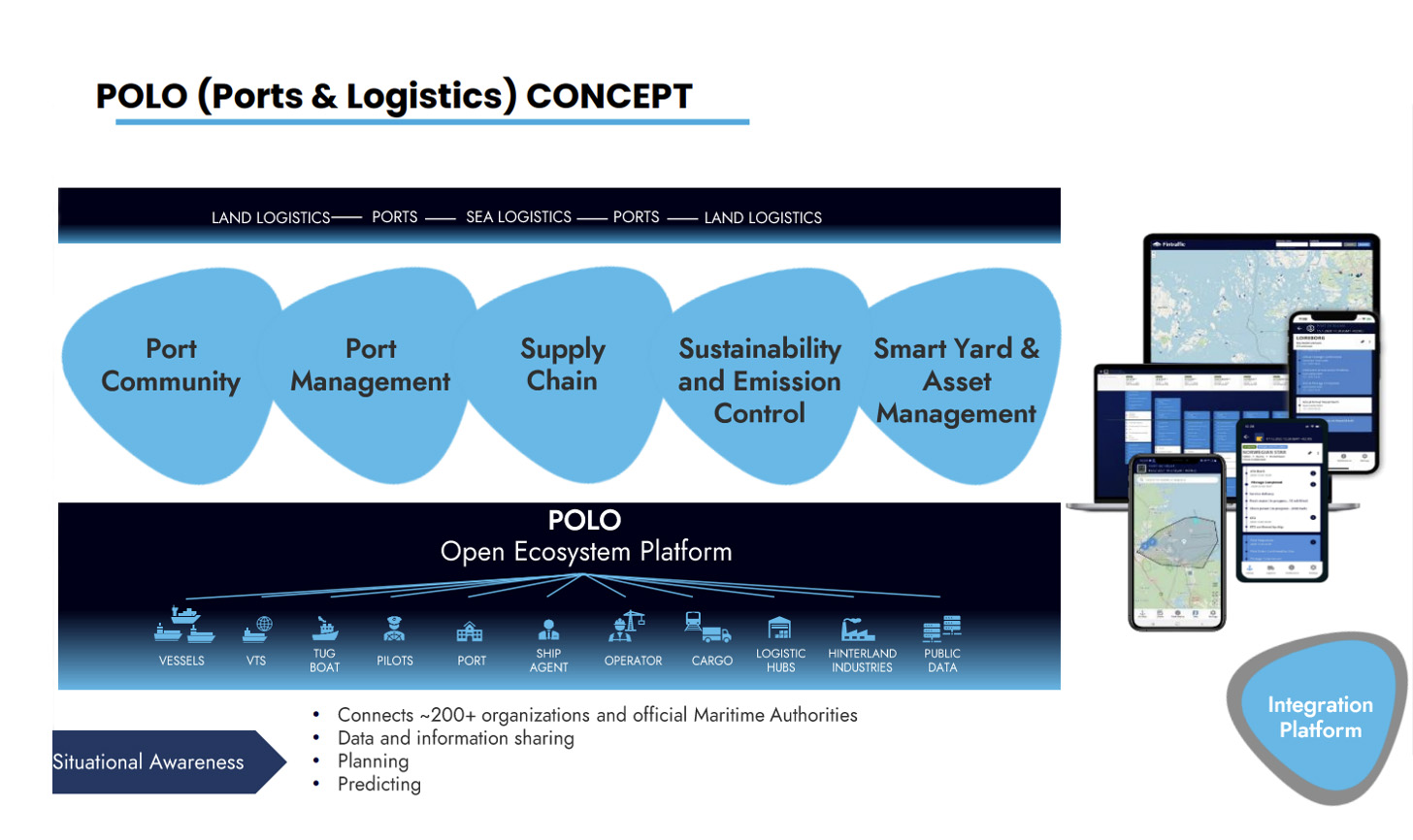
Figure 13. POLO concept
Source: Unikie
Source: Unikie
3.2.3. UAVs in Västervik geographical UAS zone, Sweden
The Drone Centre Sweden testbed in Västervik, launched in 2017 and supported by the Swedish Authority for Innovation (Vinnova), is collaborating with ten partners from diverse sectors, including government authorities, universities and private firms. The testbed was also facilitated by the Västervik local government’s investment in Västervik Airport, which established a central hub for the test area. The unique airspace provided has allowed tests to be carried out using telecom and UAV systems without any interference with existing flight zones and restricted areas. In 2020, the Swedish Transport Agency designated the region Sweden’s inaugural unmanned aerial system (UAS)-zone.
Several recent projects have taken place in this testbed, including the EU AFarCloud agricultural project (2018–2021), which involved 55 partners and ten testbeds across Europe. The project focused on unmanned ground vehicles and UAVs, exploring sensor operation and information collection for diverse cloud services and precision farming. Västervik also hosts the Wallenberg Autonomous Software and Systems Project (WASP), a public–private collaboration aimed at fostering the development of autonomous ground, sea and air vehicles.
In addition, the Swedish Transport Administration granted funding for the ‘Positioning, Navigation, and Communication for Unmanned Aerial Traffic Management’ project (PNK4UTM), dedicated to investigating cellular 4/5G (GSM) technologies essential for the safe operation of UAVs. This initiative serves as a link to future unmanned aircraft system traffic management (UTM) systems, orchestrating diverse roles of UAVs as sensor platforms and transporters of goods and people.
The testbed is also a collaborative space for Search and Rescue with Unmanned Aerial Vehicle System (SAR–UAS), bringing together entities such as the Swedish Civil Maritime Authority, the Coast Guard, Swedish Sea Rescue Association, MSB authority, the Police, Västervik Fire Brigade, SOS Alarm and the Swedish Defence Research Institute. Other partners include Telia, Tre and Teracom, alongside Ericsson and the Swedish Land Survey-owned SWEPOS augmented Global Navigation Satellite Systems (GNSS, e.g. GPS, Galileo, Glonass, BeiDao) service, which contribute their infrastructure in Västervik, thereby supporting the local testing and development of autonomous vehicles.
Overall, as RISE’s Åke Sivertun – the project manager for PNK4UTM– stresses, the testbed in Västervik ‘is a serious attempt to bring the EU commission Drone Strategy 2.0 into practice by using existing and coming GSM infrastructures to facilitate mass introduction of unmanned vehicles into the society in a legal, air safe, cyber safe and convenient way’.
Research Institutes of Sweden (RISE) is a governmental owned non-profit institute tasked with helping turn research into practice in both the public and private sector.
Figure 14. Futuristic view of Västervik UXV development centre
Source: Provided by Åke Sivertun original Richard Granberg (Västervik Utvecklingscentrum VUC)
Source: Provided by Åke Sivertun original Richard Granberg (Västervik Utvecklingscentrum VUC)
3.2.4. Key messages
The second 5G N-B MT project event provided several insights into the deployment of 5G-enabled solutions in the mobility and transport sector. While 5G technology promises to improve efficiency and safety through enhanced connectivity and autonomous capabilities, it is important to recognize the challenges standing in the way of its successful implementation. These include technical hurdles such as network coverage and reliability, regulatory considerations, and societal complexities related to security and GDPR compliance, which could impact public safety and trust in the technology.
Several applications demonstrate the potential benefits of 5G in enhancing road safety and traffic management, but this is contingent on the availability of robust 5G network coverage. Moreover, ensuring compliance with GDPR regulations poses challenges both from a regulatory standpoint and – given the sensitive nature of the data collected by smart city technologies – in terms of societal and ethical considerations.
On the other hand, the event brought home the importance of addressing sector-specific needs and challenges, particularly in industries such as the maritime. Despite potential cost-savings in manpower and efficiency improvements, obstacles such as initial investment requirements, regulatory uncertainties and costly operational aspects make it difficult for stakeholders involved in 5G-enabled solutions to determine their long-term financial sustainability and returns on investment. For instance, while 5G technology offers opportunities to enhance port efficiency, enabling this requires significant investment in 5G infrastructure. Potential savings on staff costs may not suffice as an incentive, however, if labour expenses are not determined to be the most significant aspect of operations.
The importance of collaboration to the success of initiatives such as 5G-ROUTES and the UAS geographical zone in Västervik was stressed throughout the discussion. Interoperability, which is essential for seamless connectivity between systems and devices, requires joint efforts to establish common standards and protocols. Cross-border collaboration is particularly important when it comes to harmonizing regulations and infrastructure development, thereby enabling consistent 5G connectivity across borders. However, these are complex environments, where achieving consensus and alignment is often difficult due to conflicting agendas, objectives and levels of stakeholder commitment. Addressing these collaboration challenges requires concerted efforts to build trust, foster open channels of communication, and clarify the mutual benefits of working together. Here, effective policy coordination has a critical role to play in creating an enabling environment for collaboration – this can be done through aligning regulatory frameworks, incentivizing cooperation and providing support mechanisms for joint initiatives.
3.3. Advanced automation, manufacturing and industry
Manufacturing companies face a pressing need to enhance efficiency and reduce costs through the adoption of new process innovations. Technologies such as robotics, automation, smart factories and flexible manufacturing hold the potential to play key roles in achieving this goal. In this context, the emergence of 5G and beyond technologies is poised to have a transformative impact (Attaran, 2023). In fact, it has been projected that by 2030 5G technologies will have contributed up to US$134 billion to global GDP through revolutionizing the manufacturing industries, underscoring the substantial economic implications of 5G roll-out (PwC, 2021b). This aligns with the expectations of Industry 4.0, which aims to leverage 5G along with technologies like AI and machine learning to enhance productivity and efficiency, while addressing safety and security concerns (Attaran, 2023; O’Connell et al., 2020).
It is anticipated that 5G and beyond technologies will increase industrial control and automation (e.g. robots and smart factories) across the value chain; enhance planning and design, such as the reconfiguration of factory floor production; and enable better monitoring and tracking (e.g. monitoring sensing and real-time communication between machines). Moreover, 5G can be used to facilitate the widespread deployment of intelligent IoT, as well as the adoption of critical communication services (Attaran, 2023).
However, the deployment of 5G for digitization and automation within Industry 4.0 is not without its challenges or complexities. On the one hand, there remains a shortage of industrial experience and readiness to fully leverage this technology. On the other hand, various sectors within the industry are grappling with distinct yet common hurdles associated with infrastructure complexities, limited collaboration and security considerations (O’Connell et al., 2020).
Taking all of the above into consideration, the third 5G N-B MT project event focused on the application of 5G in an industrial setting. Initial discussions centred on the Norwegian experience, specifically how the country’s activities have tried to foster a conducive regulatory environment. This was followed by explorations of two specific examples: one concerning the mining sector in Sweden and the other the wood sector in Estonia.
3.3.1. Regulation of local 5G networks and the Norwegian 5G Industrial Forum
In Norway, the Norwegian Communications Authority (Nkom) has played an important role in facilitating the roll-out of 5G technology by ensuring a conducive regulatory environment, managing spectrum resources effectively, and promoting fair competition and consumer interests in the telecommunications sector. In 2021, noting significant interest from various stakeholders – including industry, business entities and local broadband providers – in frequency resources suitable for local 5G networks, Nkom initiated a consultation process regarding local networks operating within the 3.8–4.2 GHz band (Nkom, 2023). The 3.8–4.2 GHz range (3,800–4,200 MHz) is an important 5G band, providing ample bandwidth with which to satisfy the capacity requirements of local and private networks. In line with this, Nkom also facilitated the issuance of local network licences within this band, making Norway a pioneer by doing so and encouraging pilot testing by industrial stakeholders (Nkom, 2021). As John-Eivind Velure, Director of the Spectrum Department in Nkom, observed in this event, the initiative was ‘quite new but the market has responded well to this. We’re early in Europe to provide this kind of services’.
The objective of the consultation and issuance of licences was to gather feedback and so comprehensively evaluate the efficacy of facilitating local networks within the 3.8–4.2 GHz band (Nkom, 2021). As Velure put it: ‘So far, it’s been quite some interest and we’re expecting [the interest] it to increase. Industry is maturing in terms of how to use 5G as a technology’. Nevertheless, while there has been a positive market response so far to these initiatives, the limited business case (gap between pilots/tests and the market) and collaboration constraints among stakeholders emerged as challenges in discussions.
Linked with the above, another initiative developed in Norway aimed at facilitating collaboration between industry, telecoms and the public sector was also presented: the Norwegian 5G Industrial Forum. The Forum’s main objective is to address the challenges and opportunities associated with 5G technology, with a particular focus on its application in business and society. This involves informing development/innovation efforts through identifying needs and challenges; promoting knowledge-sharing/best practices; and enhancing dialogue between the public sector and business entities (Regjeringen, 2022). Nkom is involved in coordinating the Forum along with the NGO DigitalNorway. The other organizations involved in the Forum – which spans aviation, transportation, energy, telecommunications, technology, media, research and government bodies – include Avinor AS, Bane NOR, Cognite, Equinor, Ericsson AS, Herøya Industripark AS, Ice, ICT Norway, Innovation Norway, Kongsberggruppen, KS, Lyse, Nokia Norway, NRK, the Confederation of Norwegian Enterprise, Oslo Municipality, Schibsted, SINTEF, the Norwegian Public Roads Administration, Statnett, Telenor Norway AS, Telia Norway AS, Yara, the Ministry of Local Government and Rural Affairs, and the Ministry of Trade, Industry and Fisheries (Regjeringen, 2022).Overall, while it is too early to evaluate the Forum’s success, the initiative serves as an example that could be replicated in other countries looking to foster collaboration and innovation in this area.
3.3.2. 5G edge innovations for mining in Sweden
5G and edge computing are being tested in the mining industry to enhance operations, automation and safety. Edge computing, also known as mobile edge computing (MEC) or multi-access edge computing, is a decentralized architecture that places processing and storage resources for applications close to the point of data generation or consumption. Given that processing data at the edge (i.e. ensuring proximity to the point of generation or consumption) is key to meeting the breakthrough latency requirements expected with 5G, there is a symbiotic relationship between the two technologies (Deloitte, 2024; Ericsson, 2023; IBM, 2024).
The 5G Edge Innovations for Mining project in Sweden, financed by NextGenerationEU through Vinnova, brings together academic institutions, research institutes, SMEs and industrial companies with extensive experience in mining technologies. Its main focus is on pilot demonstrations of 5G-connected drones, innovative use of AI technology, and hardware/software development for edge-to-cloud applications. Examples include smart cameras with AI capability and 5G support for mining applications; pilots and demonstrations on 5G/edge technology; and AR that visualizes 3D content in real-world edge environments.
Led by the CDT at LTU, with partners such as RISE, Ericsson, Telia, Hexatronic, BI Nordics, Fieldrobotix, ThingWave and Softhouse, the project seeks to showcase tangible advancements in mining practices(RISE, 2021). Participating SMEs stand to gain a competitive advantage by spearheading the development of applications utilizing advanced 5G networks, particularly those requiring low latency capabilities. It is also anticipated that the initiative will bolster Sweden’s appeal when it comes to research and innovation investments, while enhancing the competitiveness of the country’s industrial sector (Vinnova, 2023).
Several challenges were identified concerning the need to tailor regulatory frameworks and foster collaborative R&D efforts to meet the unique needs of the mining sector. In particular, two critical ones were highlighted: the need to articulate the business value of 5G and the importance of fostering 5G ecosystems. The mining sector, like others, is grappling with significant uncertainty around the business case for 5G. Questions have been raised about the relevance of 5G to businesses and whether its benefits justify further investment, suggesting that further empirical evidence on the business case for 5G and edge systems is needed to drive progress and maximize benefits across industries.
Collaboration and joint R&D initiatives were also highlighted as essential to addressing industry-specific challenges. Annika Svensson, project manager at CDT, emphasized the importance of creating an ecosystem to harness 5G technology for innovation and development. This involves bringing together key industry stakeholders and academic institutions. Svensson noted that while the 5G Edge Innovations for Mining project is making progress in this direction, additional initiatives are needed.
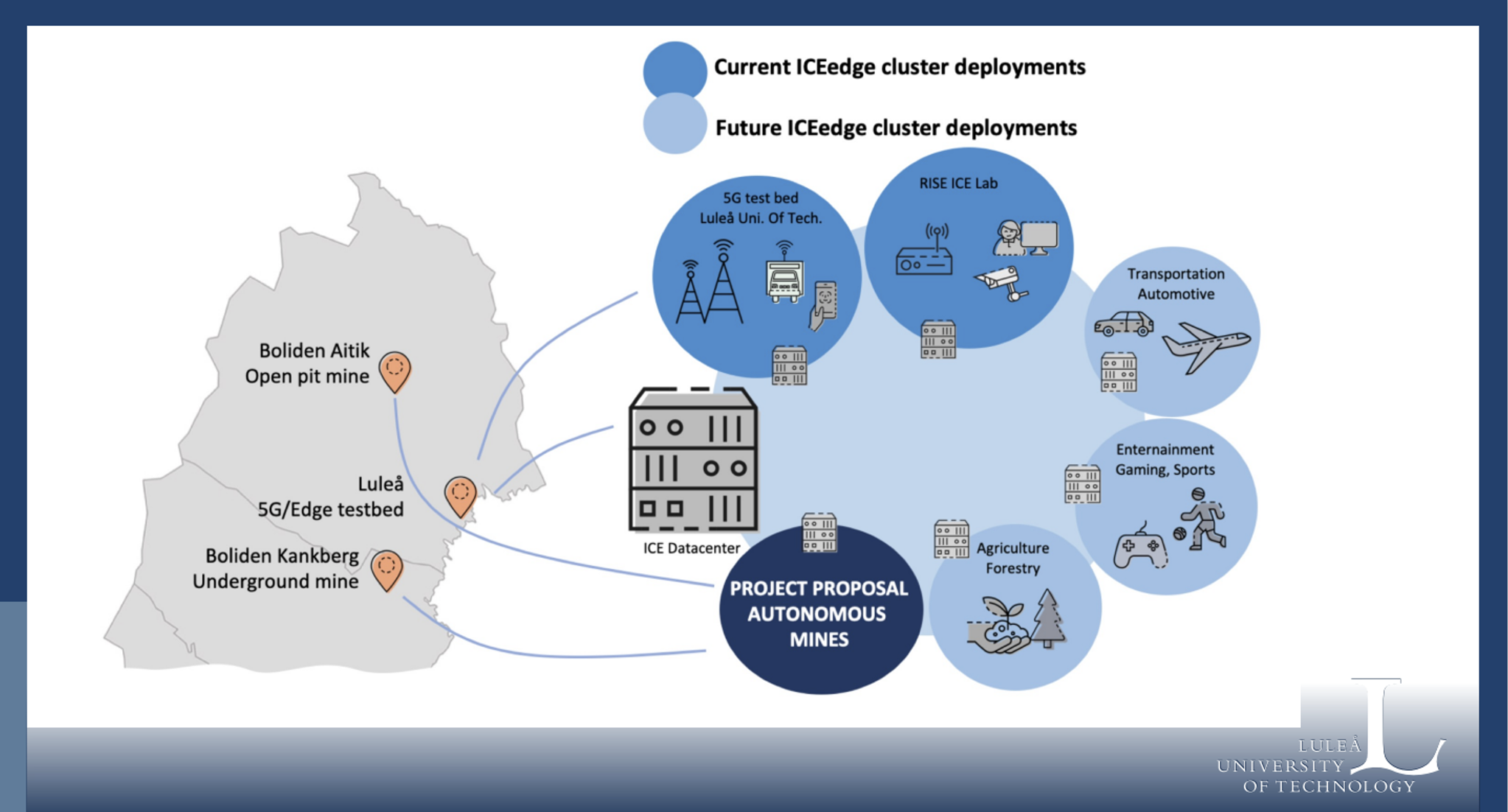
Figure 15. 5G Edge Innovations for Mining
Source: LTU
Source: LTU
3.3.3. 5G-enabled twin transition for the timber industry and wood value chain in Estonia
The introduction of 5G to the wood value chain could have a profound impact on the sector’s digitalization and the development of circular development models for both producers and consumers. The EU-funded 5G-TIMBER project, which spans several disciplines – including wood material modelling, digital twins, AR and 5G technology – aims to help SMEs optimize workflows, reduce waste and improve safety measures. In focusing on the entire wood value chain, the project has sought to test its solution in Norway, Estonia and Finland – countries where wood product manufacturing is significant. Key objectives include a 50% increase in the recycling of wood-based materials, a 15% increase in manufacturing productivity, a 10% reduction in factory workload, and improvements in worker safety standards. Tallinn University of Technology (TalTech) is the designated partner in Estonia promoting the adoption of 5G technologies in real industrial practice, and acts as coordinator for the European 5G-TIMBER project.
Professor Muhammad Mahtab Alam, 5G-TIMBER’S project coordinator at TalTech’s School of Information Technology, discussed how 5G technology facilitates higher reliability, low latency communication, which is essential for incorporating a feedback mechanism into the design process that can prevent errors and reduce waste. For instance, by leveraging 5G, real-time data from construction sites can be transmitted to designers and engineers, enabling them to make immediate design adjustments and improvements. Similarly, 5G connectivity can benefit the development of digital twins of machines and predictions. Real-time data collected from machines can be transmitted instantly over 5G networks, allowing for accurate predictions and the optimization of machine performance. There are also sustainability aspects to utilizing 5G in the timber industry, including extending the wood’s lifetime and facilitating recycling/reuse through digital identification. For instance, ownership and traceability can be achieved by creating a digital ID (i.e. a digital product passport, DPP) for wooden-based products and modules, enabling better recycling decisions and fostering a circular economy. Facilitated by 5G connectivity, stakeholders can accurately monitor and manage the flow of wood materials, ensuring efficient recycling and resource utilization. As Professor Mahtab puts it, ‘with DPP it’s easier to decide how we can recycle the wood’.
In terms of the primary challenges faced in the wood industry, feasibility and security issues related to data-sharing throughout the value chain represent a significant bottleneck. Enterprises are often hesitant or lack preparedness when it comes to sharing data both internally and with other stakeholders. Despite regulatory facilitations, such as those outlined in the EU Data Act, internal data-sharing continues to present obstacles, highlighting the necessity of enhanced alignment and collaboration among industry participants. This challenge is exacerbated by the absence of business models capable of effectively leveraging data-sharing opportunities to the mutual benefit of all parties involved. As Professor Mahtab emphasized: ‘There are companies who see a value of sharing their data, but today there are no such business models available which can exploit this data-sharing and create a win–win situation for everyone’. As a first step towards addressing this challenge, 5G-TIMBER is developing a secure enterprise data-sharing system architecture and enabling solutions that can help foster a culture of collaboration and innovation within the wood industry. In doing so, the hope is that current barriers to realizing the full potential of data-sharing across the value chain can eventually be overcome.
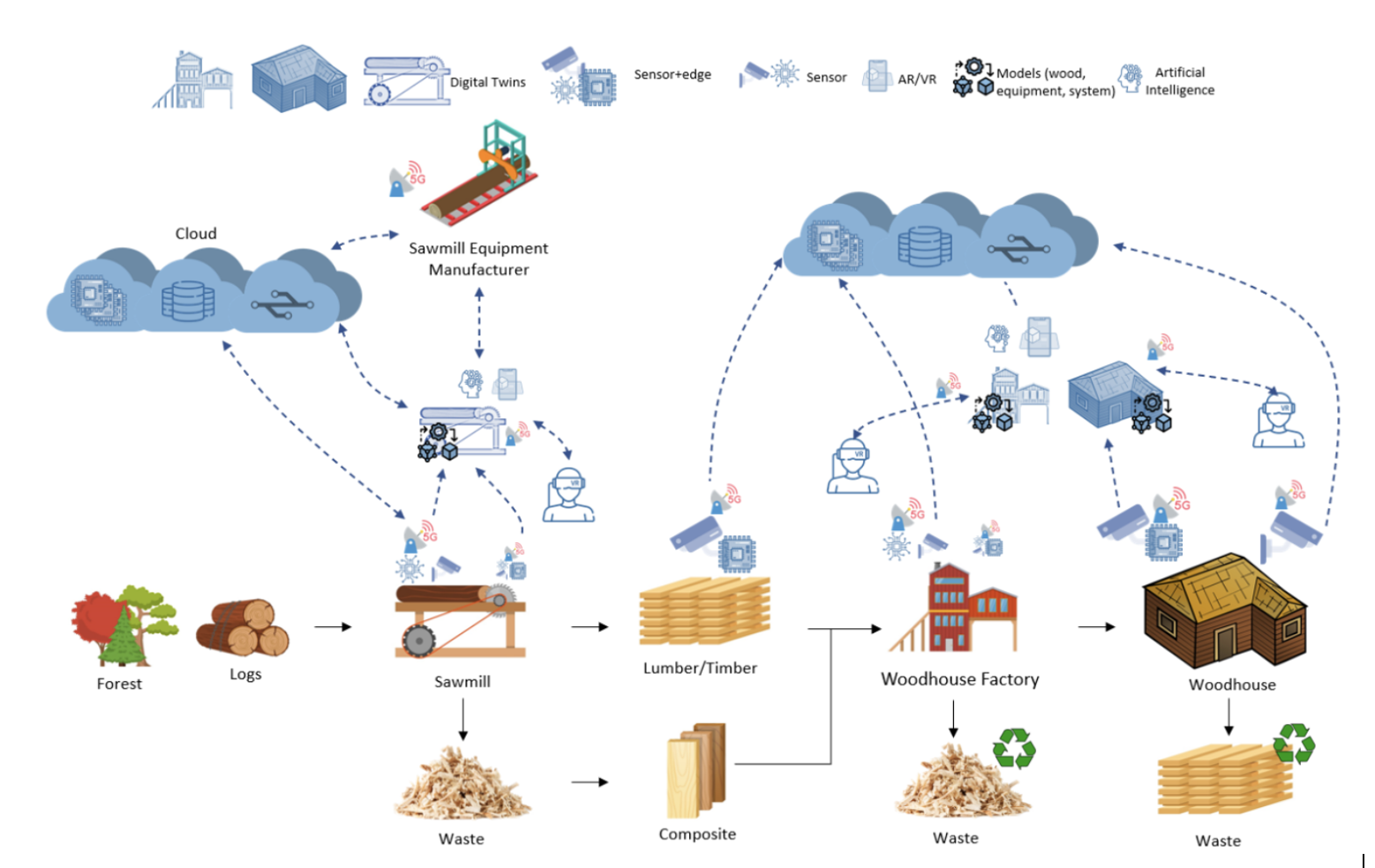
Figure 16. Overall schema for activities within the 5G-TIMBER project
Source: Provided by Professor Muhammad Mahtab Alam (TalTech)
Description: The bottom part, in full color, represents the value chain for wood processing and its use in the construction sector. The top part, in blue, shows the devices, tools and approaches developed in the project. The core of the activities lie in the digital twins of the sawmill equipment, woodhouse factory and woodhouse. On top of this, sensors (e.g. cameras) are exploited to connect the real system/object with its digital twin and perform analyses through edge/cloud computing. Finally, AR/VR and AI are the core technologies exploited.
Source: Provided by Professor Muhammad Mahtab Alam (TalTech)
3.3.4. Key messages
The event on 5G in advanced automation, manufacturing and industry revealed several significant bottlenecks: from limited industrial experiences with the technologies to infrastructure complexities and limited collaboration. The various dialogues made it clear that governments and regulatory bodies play a determinant role in creating an enabling environment for the development and deployment of 5G technology. This entails not only addressing regulatory questions such as assigning spectrum, but promoting collaboration among stakeholders. Initiatives such as the Norwegian 5G Industrial Forum demonstrate how important is to align regulatory and industrial objectives when defining a long-term strategy.
Challenges also remain in the development of a robust business case for 5G adoption, with a noticeable lack of documented cases demonstrating business benefits. There is a pressing need to articulate the value proposition of 5G technology to stakeholders, demonstrating clearly its potential impact on improving operational efficiency and driving business growth.
Collaboration among stakeholders emerged de facto as a critical theme during discussions. It was emphasized that, in order to effectively leverage 5G technology, collaborative efforts aimed at addressing complex challenges and achieving collective goals are essential. Moving forward, fostering collaboration among industry stakeholders, academic institutions, research institutes and SMEs was highlighted as essential for maximizing the benefits of 5G and progressing towards a more efficient, productive and sustainable future.
However, absent from the discussion were topics linked to the human factor, specifically the impact of 5G-enabled technologies on job displacement. As industries increasingly leverage 5G technology to streamline operations and introduce automation – including robotics, AI and machine learning applications – there is the potential to replace certain manual tasks traditionally performed by humans. This raises ethical and societal questions regarding the acceptability of these technological advancements and their implications for employment. Such questions warrant further consideration.
3.4. Media and broadcast, creative industries, and the metaverse
5G has been described as transformative for the media and broadcast sector, as well as for the creative industries, enabling unprecedented connectivity and capabilities that impact how media content is produced, distributed and consumed. Promising faster, more reliable streaming of high-definition content, including resolutions of up to 4K and 8K, the technology offers media companies the capability to deliver superior visual experiences to audiences with minimal buffering and interruptions. In the area of augmented reality (AR) and virtual reality (VR), 5G’s low latency and high bandwidth have significant potential, as demonstrated in gaming and the immersive experiences enabled by edge processing on 5G networks (Gross, 2022). For example, recent market reports highlight a significant shift linked with 5G adoption, with 5G users spending more time on cloud gaming and AR applications compared with users still using 4G (Ericsson, 2021). In addition, 5G enables content delivery tailored to individual preferences and behaviours, with marketable implications for real-time advertising. In terms of remote production and broadcasting, 5G is expected to revolutionize live event production and broadcasting (e.g. global streaming of concerts, sports and news) by enabling remote production from anywhere. Combined with 5G’s high-speed data transfer and real-time collaboration across multiple locations, this will potentially reduce production costs while increasing flexibility for businesses (Digital Catapult, 2021). More generally, the technology is expected to open new opportunities for content creators and broadcasters, while enhancing the viewing experience with faster, more immersive and personalized content across various creative sectors, such as TV, film, music, advertising and the arts. Thus, by increasing bandwidth, reducing latency and integrating with AI, AR and VR, 5G holds the potential to enhance and improve media consumption, positioning the sector as one of the most promising beneficiaries of the technology (Digital Catapult, 2021; Koenig and Veidt, 2023; Whalley and Curwen, 2023).
Despite this promise, there are specific challenges that need to be addressed in the Nordic-Baltic region. A key challenge is ensuring widespread infrastructure deployment across the diverse geographical landscapes of the region’s countries, which include both urban centres and remote, rural areas. This will require significant investment in 5G network deployment to ensure ubiquitous coverage, especially in areas with lower population densities. In addition, navigating regulatory frameworks and spectrum allocation processes across multiple countries presents complexities that must be addressed in order to facilitate seamless cross-border connectivity and collaboration, including between mobile operators, content providers and regulatory bodies (Whalley and Curwen, 2023).
Given the above developments, the fourth and final online 5G N-B MT project event focused on the media and broadcast sector, as well as the creative industries. The event highlighted in particular the trials that have taken place in Denmark as part of the Horizon 2020-funded 5G-RECORDS project, and the related discussion on how 5G will change live production. It also explored the metaverse and AR experiences being tested in and around the Nokia Arena in Tampere, Finland, powered by a 5G network. Turning to the creative industries, another highlighted project was Let’s Create Music, which involves developing a virtual music studio in the Luleå 5G testbed that can help overcome such obstacles as the latency and delay inherent to distance communication
3.4.1. 5G’s impact in content production: Examples from Denmark
Broadcasting operator TV 2 Denmark was involved in running tests as part of the 5G-RECORDS project financed by EU Horizon 2020 (5GRecords, 2022). The 5G-RECORDS project aimed to integrate 5G technology into professional content production environments, evaluating its performance across three distinct use cases: 1) live audio production; 2) multiple camera wireless studio; and 3) live immersive content production (5GRecords, 2022). Morten Brandstrup, Head of News Technology at TV 2 Denmark, highlighted that the broadcaster’s participation was driven by a belief that 5G will revolutionize content production, much like 4G transformed journalism and newsgathering by enabling complex live reporting and social media services.
One specific use case involving TV 2 Denmark is the multiple camera wireless studio. This initiative seeks to address the industry challenge of producing content with fewer resources. By leveraging 5G connectivity, TV 2 Denmark aims to enhance efficiency, flexibility and cost reductions in production setups. Brandstrup emphasized the necessity of using wireless cameras to replace the wired cameras currently used in large live productions. Live production poses a challenge in this regard due to the numerous signals required between cameras and production units. Here, the integration of wireless IP connected to 5G networks enables seamless communication between cameras and production units, facilitating smoother live production processes (5GRecords, 2022).
One of the most recent pilots focused on establishing a private 5G network to cover the UK Coronation in 2023. This test, led by the BBC and the company Neutralwireless, addressed the challenge faced by broadcasters at large events whereby the capacity of mobile network operators is spread over a wide area and may not meet broadcasters’ specific needs (BBC, 2023). As Brandstrup emphasized: ‘Everyone was streaming live on their smartphones. If using the standard way, we would get congestion and would not be able to get the signal back to Denmark. For the time being, when we don’t have commercial service slicing, this way of having a shared spectrum between the broadcasters is a useful way of working’.
However, implementing 5G technology for media production presents several key challenges. Firstly, in order to deploy private 5G networks tailored to media production needs, it is necessary to secure spectrum allocation from regulators. Without this, the infrastructure investments needed for high-quality content production become unfeasible, hindering the sector’s adoption of 5G technology. As Brandstrup emphasized concerning his main recommendation for overcoming challenges in the sector: ‘Private networks are there … but you need spectrum. Ask your regulator to assign spectrum!’
Also, while public networks offer promise, lack of commercial network support for professional services was emphasized as a major limitation. Quality of service (QoS) guarantees and network slicing is essential to meet the demanding requirements of professional media production, but delays and limitations persist in this regard. Without adequate QoS and network slicing capabilities, achieving the low latency and high reliability necessary for seamless live reporting and broadcasting will remain a concern for the sector.
Furthermore, the asymmetry between upload and download speeds in commercial 5G networks poses a significant obstacle for media production. Unlike typical consumer use cases that prioritize download speeds, media production relies heavily on high-speed upload capabilities to transmit large volumes of content efficiently. This discrepancy between the emphasis on download speeds in commercial networks and the need for balanced upload/download ratios in media production underscores the importance of tailored solutions that can meet the industry’s unique demands.
Finally, while pilots and case-by-case experimentation with 5G technology is valuable, it can be rather inefficient if each broadcaster pursues separate initiatives. Collaborative efforts and regional or international cooperation are essential to streamline deployment processes, share best practices and drive industry-wide innovation. As Brandstrup puts it: ‘[It] Can be very time-consuming if all broadcasters want to try out this new technology, repeating the same use cases over and over. Why shouldn’t we join forces and do it together? Regional or even international cooperation’. In this regard, Brandstrup mentioned the recent development of a Nordic 5G Consortium. This consortium, facilitated by Media City Bergen, comprises a cluster of Nordic media companies focused on leveraging 5G technology for the broadcast sector. The consortium is collaborating with governments and organizations to secure resources, while also seeking to support industry development, foster partnerships and advocate for government support to meet broadcast industry needs (Nordic 5G Consortium, 2021). As Brandstrup put it, the ‘Nordic 5G Consortium between Nordic broadcasters [started] to try and make sure we get and understand this technology, and really try to improve this. In Denmark we also joined forces with other institutions, to push this innovation further’.

Figure 17. 5G ecosystem and iterations with other partners on the 5G-RECORDS project
Source: 5G-RECORDS
Source: 5G-RECORDS
3.4.2. Metaverse in Tampere, Finland
In Finland, the City of Tampere has been focused on developing innovative, digital and sustainable solutions as part of its ‘Smart Tampere’ strategic development plan. This programme, which ran from 2017 to 2021, has since been followed by a ‘Data-driven City for Citizens’ – a smart city programme spanning 2022–2025. The focus has been on creating a smart, sustainable Tampere with a carbon-neutral energy system and transportation, alongside user-friendly, individually tailored digital services (Smart Tampere, 2022). Led by the City of Tampere and Business Tampere, the strategy involves extensive collaboration with various stakeholders, including companies, research institutions, organizations and residents. Several testbeds and pilots are already in place, including the Hervanta Mobility Testbed, which showcases the city’s investment in advanced mobility solutions. There is also an IoT testbed where the city can test and implement innovative solutions, ranging from predictive road maintenance to adaptive street lighting.
Markku Niemi from Business Tampere, in presenting these examples, highlighted the role of cities in building digital ecosystems like the metaverse, and emphasized the growing demand for high-speed data transmission beyond current 5G capabilities. Here, the activities at the Nokia Arena were highlighted as an example.
The Tampere Nokia Arena is a multipurpose indoor facility with the capacity for 15,000 people, and acts as a venue for 150–180 events per year ranging from ice hockey games to large cultural gatherings. It therefore aims to serve as a hub for public and private sector collaboration in the testing of 5G applications. As Niemi stressed: ‘The Nokia Arena serves as an open test platform for different services. Nokia is showcasing their technology for their customers, and they have been investing quite a bit in non-commercial solutions inside the arena. But it’s also an ideal location for testing with real customers and broadcasting companies’.
For instance, Nokia and Finnish telecommunication company Elisa have been developing use cases based on VR/AR experiences for hockey games, concert events, etc. (Nokia, 2022). In 2023, Andrea Bocelli’s concert at the Nokia Arena showcased how a commercial event could integrate live remote audiences via a VR experience over a 5G network. The concert utilized 360-degree cameras in the arena, allowing people 175 kilometres away in Helsinki to participate using VR headsets. The high-quality 8K video and stereo audio were transmitted almost in real-time over Elisa’s 5G network. This innovative use of technology allowed audiences to experience a live event regardless of their physical location, hinting at the potential for virtual access to future arena events (Elisa, 2023).
A crucial point highlighted in the discussion was how essential these test platforms are for exploring what works or does not work in emerging technologies like the metaverse. They provide a space for experimentation and innovation, addressing challenges and paving the way for new and immersive digital experiences. At the same time, integrating technological advancements with service offerings poses a key challenge – technological development progresses rapidly, meaning the development of service/business models may not always keep sufficient pace to leverage the capabilities of 5G networks. This again points to the need for collaboration between technology developers, service providers and end-users when it comes to effectively developing and implementing innovative media and broadcast solutions.

Figure 18. Tampere Nokia Arena
Source: Provided by Markku Niemi from Business Tampere
Source: Provided by Markku Niemi from Business Tampere
3.4.3. 5G for the creative industries: Sweden’s Let’s Create Music
In northern Sweden, LTU and its partner BD Pop have been developing the Let’s Create Music project since the end of 2022. The project’s main goal is to enable marketable and sustainable music production, regardless of geographical constraints. By creating a virtual music studio powered by the university’s 5G testbed, the project aims to remove barriers such as latency, facilitating seamless collaboration between musicians, producers and other stakeholders regardless of their location. One of Let’s Create Music’s primary goals is to create opportunities for musicians to work and live in the region, contributing to the growth of the music industry there. As Annica Bray from CDT at LTU highlighted when presenting the project, musicians ‘can create music where they are their most creative selves and establish new contacts locally, nationally and internationally’.
A significant aspect of the project – which is funded by various entities, including the European Regional Development Fund, Region Norrbotten, Luleå Business Region, Skellefteå Municipality and Sparbanken Nord (LTU, 2022) – is the utilization of a 5G test environment, in collaboration with Telia and Ericsson, to examine latency within music production. Activities include camps, masterclasses, technology tests and various iterations of the virtual studio. The aim is to foster creativity and collaboration across borders, bridging the gap between the music, gaming, academic and business sectors.
As Annica Bray emphasizes: ‘The work will take place cross-border, location-independent acting as the vital bridge between music/gaming industry, academia and business developers. In this intersection, innovation grows’. In the most recent tests of their virtual studio, two collaborating musicians in separate rooms managed to overcome the latency and create a 2023 Christmas song on the 5G network.
Although the project is still at an early stage, several challenges have been highlighted. Despite technological advancements, latency remains a persistent issue that can hinder real-time collaboration among musicians separated by physical barriers. The project is testing several different tools available on the market, but as Bray stresses, ‘When there’s a distance, there’s latency’. Moreover, the project’s reflections on sustainability emphasize the importance of considering environmental impacts in the pursuit of technological innovation. While the project has endeavoured to reduce the environmental footprint associated with traditional music production practices by minimizing travel and resource consumption, the full extent of its sustainability impact is yet to be determined.
3.4.4. Key messages
The implementation of 5G technology in the media, broadcast and creative industries of the Nordic and Baltic countries promises to enhance the efficiency, flexibility and cost-effectiveness of production setups, particularly in live production and broadcasting scenarios. Furthermore, the benefits extend far beyond the production side, enabling consumers to seamlessly access a diverse range of services, information and cultural events that would otherwise be more limited. Whether it’s streaming live concerts, accessing real-time news updates or engaging with immersive experiences, 5G can empower communities to stay connected and informed, even in the more sparsely populated areas of the Nordic-Baltic countries.
The integration of 5G into specific use cases and initiatives in the broadcasting industry illustrates the technology’s capacity to address pressing production challenges while enriching content creation with fewer resources. Moreover, initiatives like the Let’s Create Music project showcase how seamless collaboration among stakeholders can be facilitated, thereby overcoming traditional production challenges and potentially leading to regional economic impacts in areas not usually prone to capturing such activities.
While 5G technology holds promise for transforming the sector, several challenges need to be addressed, including securing spectrum allocation, addressing asymmetries in upload and download speeds, and navigating technical intricacies. The infrastructure investments required for the widespread adoption of 5G technology may also pose financial challenges for media enterprises, particularly smaller organizations with limited resources. This points to the importance of developing commercial network support for professional services. A further significant challenge is securing the coordination needed among various stakeholders – including mobile operators, IT solution companies, software developers and content providers – to fully leverage the capabilities of 5G. This requires overcoming the technical, logistical and regulatory hurdles standing in the way of seamless collaboration across diverse locations. Finally, ensuring data security and privacy in the context of personalized content delivery raises concerns regarding the handling of sensitive information.
3.5. Overcoming 5G challenges and fostering collaboration: Nordic and Baltic actors’ perspectives
A key challenge became apparent over the course of the discussions during the 5G N-B MT project event webinar series: namely, the need to break down knowledge silos, address competence gaps between stakeholders and foster collaboration. To further debate this challenge, a panel discussion was organized that took advantage of the 2023 5G Techritory forum in Riga.
The 2023 5G Techritory forum was a dedicated 5G engagement event that attracted approximately 1,600 participants, both online and in person.
Nordic-Baltic panel participants | Affiliation (nationality) |
Heidi Himmanen | Finnish Transport and Communications Agency (Traficom) – Finland |
Þorgeir Sigurðarson | Electronic Communications Office of Iceland (ECOI) – Iceland |
Bård Reian | Norwegian Communications Authority (Nkom) – Norway |
Michael Nilsson | Centre for Distance-spanning Technology (CDT) at Luleå University of Technology (LTU) – Sweden |
Oliver Lekk | Telia Eesti – Estonia |
Elina Lidere | Latvijas Mobilais Telefons (LMT) |
Table 2. Panel speakers on session: Overcoming 5G Challenges and Fostering Collaboration: Reflections from the Nordic and Baltic Countries (5G Techritory 2023)
The key insights discussed by the panel are presented in Table 3, which provides an overview of the self-perceived roles of different stakeholders in the 5G ecosystem (taking into account the panel’s focus on regulatory, operator and academic perspectives), highlighting their main considerations on 5G challenges and thoughts on collaboration. The objective is to systematize the information and provide an entry point for further reflections on visions for 5G development and implementation.
Table 3. Stakeholders’ roles and main reflections
Regulators | Operators | Academia (universities) | |
Stakeholder self-perception: How 5G stakeholders view their roles | Facilitators tasked with ensuring fair competition while also regulating the market effectively and fostering collaboration. | 5G business development and prioritizing customer-centric solutions that meet market needs and preferences. | 1) education and training, including skills and knowledge development; 2) research and innovation related to 5G technology; 3) fostering collaboration with industry partners – including mobile operators and equipment manufacturers – to conduct joint research projects, establish testbeds, and share resources and expertise. |
Stakeholders perspectives: How to address 5G challenges | Avoid misguided regulation and reduce bureaucratic barriers: Streamline regulatory processes and minimizing bureaucracy. International harmonization: Beyond national (Nordic-Baltic) challenges, participate in and influence international harmonization efforts aimed at ensuring a level playing field and fostering innovation in the regions’ 5G market. | Importance of improve regulatory frameworks linked not only with spectrum and public networks but also infrastructures and cross-border coverage challenges: Mobile operators face complexities in terms of permits, access rights and infrastructure installation due to regulatory, logistical and community challenges, highlighting the importance of a robust regulatory framework that enables effective infrastructure maintenance and expansion. | Foster an integrated perspective: Establish conditions that facilitate research activities focused on the specific requirements/challenges of the 5G landscape, without unnecessarily repeating work that has already been done. Focus on targeted, efficient research efforts. |
Clarify 5G business models: Certain industries see limited added value in 5G, posing challenges to its adoption and the development of its business case. | |||
Reflections on collaboration | Importance of encouraging collaboration: Provide more support by encouraging collaboration between academia, industry and government through specific programmes and initiatives. | Importance of involving diverse stakeholders in discussions: Mobile operators have worked with infrastructure providers, communities and regulators to obtain permits, access to sites and rights of way for the installation of base stations and antennas. Collaboration between academia, policy and industry is essential to develop new solutions in different verticals and strengthen the business case for 5G and its added value. | Importance of academia/universities as regional actors: Universities can strengthen their collaboration with regional industry partners by establishing more strategic partnerships, joint research centres and technology transfer programmes. This collaboration can facilitate the commercialization of research results and accelerate the adoption of 5G innovations. |
Source: Insights from the 5G N-B MT panel discussion in 5G Techritory 2023
A deeper dive into the considerations summarized in Table 3 points to the importance of an enabling environment and the role of regulatory agencies in promoting it. As Þorgeir Sigurðarson from the Electronic Communications Office of Iceland (ECOI) highlighted, it is within their mandate to ‘guide and lead the operators and innovators to foster collaboration’, even if it is a challenge to balance the complexities of ensuring fair competition while regulating the market effectively.
A strong emphasis was placed on establishing an enabling, fair and relevant regulatory framework, with two main issues highlighted as relevant: firstly, the importance of spectrum allocation, and secondly, regulatory issues related to public networks. Spectrum refers to the specific radio frequencies used for transmitting data from user equipment to cellular base stations, which then relay the data to its final destination. Essentially, spectrum determines both the speed and coverage of 5G networks (Nokia, 2024). As Bård Reian from the Norwegian Communications Authority (Nkom) stressed, it is very important to ‘provide spectrum to the companies that need it, and at a price that is not prohibitive to use’. On the public networks topic, he added that ‘a lot of industrial applications are probably not going to be solved by private local 5G networks but rather by the public networks through different mechanisms like network slicing and so forth’. To contextualize this issue, it is important to note that businesses have been experimenting with 5G technology in two main ways. Firstly, they can set up their own private 5G networks, which are self-contained and have dedicated frequency bands, giving complete control over security, customization and access. However, setting up such networks requires significant investment. Alternatively, companies can opt for a more cost-effective approach by using a ‘slice’ of a service provider’s public 5G network. This means they get a portion of the network’s capacity without having to build and manage the entire infrastructure. However, there are regulatory concerns and uncertainties surrounding the use of these technologies, which act as barriers to innovation and investment. For instance, there is an ongoing debate as to whether certain experimental services and technologies, such as those delivered via 5G network slicing, comply with net neutrality rules. This ambiguity may deter companies from fully embracing and investing in these technologies (for more on this see Koenig and Veidt, 2023). It also leads to a broader discussion concerning international harmonization challenges to ensuring a level playing field and fostering innovation in the 5G market (Koenig and Veidt, 2023; Yoo and Lambert, 2019).
These intricate relations between regulatory actions and the operational challenges facing mobile operators in the telecommunications industry were further highlighted by Oliver Lekk, Head of the Radio Network Department at Telia Eesti in Estonia: ‘As a mobile operator, you need a good legislative background to be able to keep those important sites and wide-area coverage’. The main reflection concerning spectrum was that from an international mobile operator’s standpoint it transcends national borders, reinforcing the necessity of ensuring seamless coverage, particularly in border areas. As Lekk puts it, ‘radio frequencies don’t care about country borders … Limiting that in a border area means there is no coverage for those people who happen to live there’. This invites further reflection on coverage gaps and how that can contribute to digital divides.
Regulatory challenges are not confined to harmonization, spectrum allocation and public network limitations. There is also the need for a robust regulatory framework that can support mobile operators in effectively maintaining and expanding their infrastructure, which constitutes the backbone of networks and enables wide-area coverage. Elina Lidere, Head of Innovation Ecosystems at LMT in Latvia, echoed this sentiment, adding that ‘everyone wants connectivity, but no one wants the base station in their building’. This reflects another set of community-related challenges affecting the industry, further underlining the need for different stakeholders to work together. Given the multitude of stakeholders involved in 5G deployment, it is essential that all parties are involved in discussions. This includes mobile operators, regulators, infrastructure providers and equipment manufacturers, as well as local governments and communities. As Lidere puts it: ‘We won’t be able to build the new solutions in different verticals on our own – we also need the academic and policy sectors to come together and talk about how to do it and what is needed’.
Collaboration and cooperation are therefore of the utmost relevance, and core to discussions. Facilitating such collaboration through forums, platforms and industry events, where different players can come together to share knowledge, discuss challenges and find solutions, has become an increasingly important activity for regulators – for example, in Norway with its 5G industrial forum and in Finland with its 5G Momentum Ecosystem. Heidi Himmanen from the Finnish Transport and Communications Agency (Traficom) emphasized that this initiative, established in 2018, has allowed all interested parties to share experiences regarding the potential of 5G. It has also helped verticals identify how they can leverage 5G technology for their specific needs. Similarly, Norway has established a 5G industrial forum, which serves as a central meeting point for diverse participants, including the telecom industry, vendors, sectors and regulators. The forum promotes mutual understanding of each party’s needs, requirements and opportunities, fostering collaboration and innovation within the 5G landscape.
At the same time, universities are increasingly shifting from being providers of skills and technology to assuming a broader role in driving regional development, taking the initiative to facilitate collaboration and maximize opportunities. Michael Nilsson, from CDT at LTU, highlighted how LTU have been taking the initiative in northern Sweden through fostering development of the 5G Innovation Hub, and stressed the importance of similar test sites when it comes to the experimenting with and demonstrating 5G applications.
Overall, the challenges identified in discussions highlighted the importance of prioritizing and streamlining regulatory processes; ensuring equitable access to spectrum; enhancing infrastructure development; and promoting knowledge-sharing and collaboration platforms. In addition, addressing the challenges of coordination and alignment between neighbouring countries is crucial. Looking ahead, future avenues for cooperation in the Nordic and Baltic regions were spotlighted. These included harmonizing regulatory frameworks, aligning spectrum allocation policies and establishing cross-border partnerships, thereby facilitating the seamless deployment of 5G and maximizing its benefits across the region, in turn driving innovation, economic growth and societal development.