4. Local government efforts to implement the 2030 Agenda and the different SDGs
This chapter shifts the focus to the Nordic municipalities and their engagement with the SDGs. More specifically, it highlights their efforts to implement the 2030 Agenda, looks at whether they have adopted holistic or targeted approaches, and examines key success factors and perceived barriers. The findings presented are based primarily on data collected through the Nordic surveys, complemented by examples from local cases collected in the Nordic Toolbox.
See Chapter 2 for more details on data sources.
4.1. Exploring municipal engagement towards SDG Implementation
Across all the Nordic countries, the majority of municipalities who took part in the surveys reported that they are either working with the 2030 Agenda; have just started the work; or consider themselves frontrunners. More precisely, the percentages of responding municipalities working with the 2030 Agenda at these different levels of progress breaks to over 95% in Norway and Sweden, 80% of responding municipalities in Denmark
For Denmark, see Figure 1 in Danish Survey
Around 36% of municipalities in Finland and Iceland stated that they were not yet working with the 2030 Agenda – a substantially higher share than in Denmark (18%), Norway (2%) and Sweden (4%). One likely reason for this discrepancy is the different response rates to the survey.
Countries response rates: Denmark 83%; Finland 27%; Iceland 95%; Norway 28%; Sweden 78%.
For more information on the Six Cities Network, see section 3.3.1.
Integrating the SDGs and sustainability agenda into the core functions of the municipality is very important because it [the 2030 Agenda] doesn’t work as an additional strategy.
– Gladsaxe Municipality, Denmark
Note: The figure is based on 73 responses in Finland, 58 responses in Iceland, 97 responses in Norway and 223 responses in Sweden. Some additional municipalities responded ‘Don’t know’ and are excluded here. Results from Denmark are not shown in this figure, as the LRGA in Denmark (KL) conducted a separate survey among Danish municipalities. Question 1 in the Danish Survey provides insights into how many municipalities in Denmark are working with the SDGs.
Figure 8: How far has your municipality come in working with the 2030 Agenda/the SDGs?
Around 10% of responding municipalities in the four Nordic countries in Figure 8 identify themselves frontrunners in engaging with the 2030 Agenda.
The Nordic Toolbox – where municipalities were invited to showcase successful implementations and tools linked to localising the 2030 Agenda – offers context for the survey data. Figure 9 reveals the municipalities that have invested time and effort in sharing their most compelling examples or tools, underscoring their proactive role in advancing SDG localisation. It is interesting to note the substantial diversity among these municipalities, which encompasses both larger urban centres and smaller rural communities. This trend aligns with previous insights, such as those presented in the Norway VSR 2021, which emphasise that successful implementation of the 2030 Agenda is not solely determined by size or resources. Instead, a combination of factors is important, with collaboration and peer-to-peer learning notable factors supporting progress (KS, 2021).
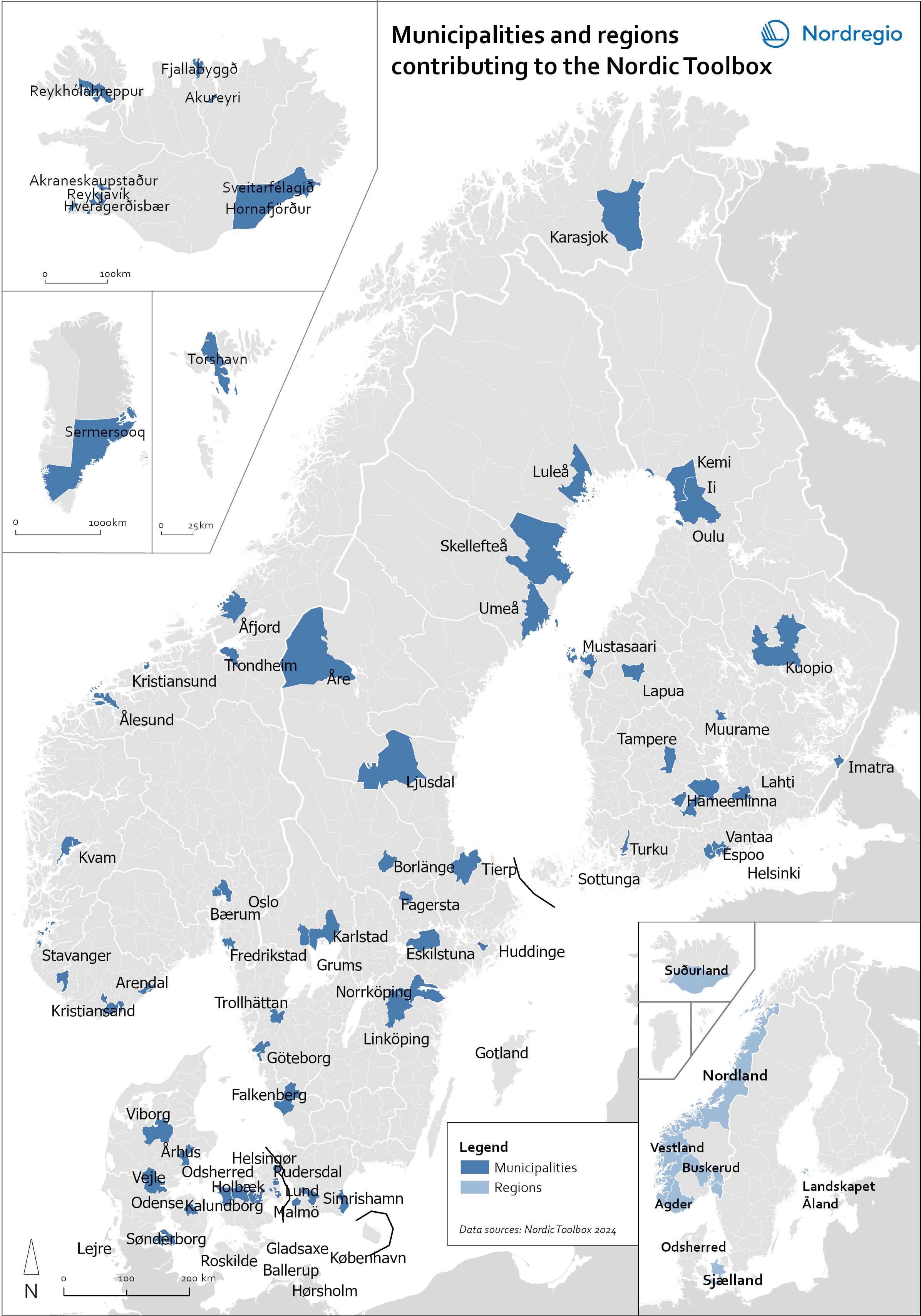
Figure 9: Municipalities and regions contributing to the Nordic Toolbox
4.2. Holistic or targeted approach
While most Nordic municipalities appear to be actively involved in implementing the 2030 Agenda at the local level, a notable trend arises regarding their preferred approach to implementation. A majority of responding municipalities in Finland (71%), Sweden (69%), Norway and Iceland (60% respectively) reported that they work holistically with the 2030 Agenda (Figure 10). This approach involves prioritising all three dimensions of sustainability: social, economic and environmental (for examples, see Box 4). Meanwhile, between 30% and 40% of the surveyed municipalities fall into the second group, stating that they prioritise one or two sustainability dimensions. A follow-up survey question (not shown in Figure 10) reveals that a majority of these municipalities focus on the environmental dimension. Relevant SDG initiatives include, among other things, attempts at reducing transport- and mobility-related carbon emissions, enhancing waste management and preserving natural resources (for examples, see Box 5).
Note: The figure is based on 56 responses in Finland, 25 responses in Iceland, 93 responses in Norway and 207 responses in Sweden. Municipalities that answered ‘Don’t know’ or ‘We do not work with the 2030 Agenda’ are excluded. Results from Denmark are not shown in this figure, as the LRGA in Denmark (KL) conducted a separate survey among Danish municipalities, which does not include a similar question as the one posed here.
Figure 10: Do you work holistically with the 2030 Agenda?
Box 4: Holistic work with the 2030 Agenda:
Examples from the Nordic Region
The SDGs serve as the overarching framework guiding Kristiansund municipality’s strategic development. Tailoring these global objectives to local circumstances, Kristiansund has devised ten bespoke goals aligned with its unique challenges and opportunities, firmly rooted in its social plan. To ensure comprehensive planning and efficient execution in accordance with the SDGs, all municipal plans must adhere to a coherent goal structure. This ensures consistency, linking the municipal plan’s overarching goals with the specific targets and initiatives pursued in departmental plans and activities. The municipality’s commitment to these goals was formalised in the 2018 Action Programme, which set the budget and economic plan for 2018–2021. Ongoing monitoring utilising various models, data analysis and reporting mechanisms occurs through the management system.
These ten goals, along with their corresponding indicators, have been integrated into Kristiansund’s management system, enabling continuity from goal-setting all the way up to action and resultant outcomes within the municipality’s planning process.
In 2018, Kópavogur’s municipal council adopted a holistic strategy that reflects its mission statement, vision and values, as well as its SDG-related strategic goals. The aim was to ensure Kópavogur’s inhabitants could enjoy quality of life in a sustainable and efficient way. Staff, inhabitants and other stakeholders were engaged via online participatory portals and meetings. An important step in implementation was encouraging elementary schools to embrace the SDGs and so reach families through students. Today, implementation is also conducted through strategic budgeting, which includes yearly divisional action plans with SMART (specific, measurable, achievable, relevant and time-bound) targets, related indicators, and actions encouraging sustainability.
An annual survey on citizen awareness of the SDGs in Kópavogur reveals an upward trend, with the level of awareness reaching around 83% by the end of 2022. In spring 2021, Kópavogur developed an SDGs index in order to track the status of SDG implementation within the context of its overall strategy. Most of the indicators are updated yearly.
Odense municipality is currently working to raise awareness among citizens and businesses about its efforts towards SDG achievement. The municipality works with all 17 of the SDGs, rather than selecting specific ones to pursue. As a result, Odense is committed to incorporating sustainability into all aspects of the municipality’s work.
The SDGs committee has identified six specific projects that will initially contribute to Odense municipality taking its share of responsibility for integrating work on the SDGs:
1. Sustainable everyday life: From global goals to everyday goals.
2. Sustainable construction in Odense – with a focus on Vollsmose.
3. Environmentally-certified procurement in Odense.
4. Education on the SDGs and ambassadors for change
5. Gender equality across segregated industries.
6. Odense leads on the climate agenda – utilities and neighbourhoods.
Links to learn more:
UN's Global Goals in Odense
2. Sustainable construction in Odense – with a focus on Vollsmose.
3. Environmentally-certified procurement in Odense.
4. Education on the SDGs and ambassadors for change
5. Gender equality across segregated industries.
6. Odense leads on the climate agenda – utilities and neighbourhoods.
UN's Global Goals in Odense
Box 5: The pursuit of carbon neutrality: Nordic examples from different sectors
Transportation accounts for the largest share of CO2 emissions in Aarhus municipality, making this sector one of the most important in the green transition and to achieve carbon neutrality by 2030. In alignment with the Climate Plan 2016–2020, the city council mandated the development of a plan to ensure Aarhus municipality’s transportation becomes fossil-free by 2030. The Green Transport Plan, integral to the municipality’s broader climate goals, aims to pave the way for a CO2-neutral Aarhus by the target year.
The main delivery of the Green Transport Plan was a step-by-step plan to achieving fossil-free transport for both the municipality’s own fleet and transportation used in connection with the delivery of goods and services. In the 2020 budget settlement, the city council upped its ambitions, choosing to bring forward its goal of having a fleet free of fossil fuels to the end of 2025. The plan is framed as a roadmap containing milestones for the gradual phasing-in of new requirements for the municipality’s fleet, as well as for procurement and tendering, thereby ensuring both Aarhus municipality and its suppliers can convert transportation as cost-effectively as possible.
The municipality of Akranes (Akraneskaupstaður) has pursued several climate-related initiatives and established partnerships with various companies. In 2020 the municipality decided to develop an eco-industrial park (EIP) on reclaimed land north of Akranes at the base of Akrafjall mountain. An EIP is a community of independent production and service-oriented businesses located in a shared, dedicated area. Together, the businesses strive to improve their environmental, economic and social performances: resource consumption is optimised, and waste reduced through sharing and reuse in a ‘circular’ economy.
Akranes aims to achieve several goals with its EIP, including serving as an exemplary model in efforts against climate change. Alongside this, it is envisaged that the EIP will offer local businesses – as well as those elsewhere in the country – a favourable environment in which they can improve their environmental profiles, in turn making them more competitive. Moreover, the sustainability of the town’s commercial sector is intended to be bolstered by the diversity of business located in the local area.
Agder in Norway decided in 2022 to launch an ecosystem accounting system that could estimate climate gas emissions from land use and be used in conjunction with spatial planning (municipal master plans and zonal plans). The system was based on available digital information, with all processing done within a geographic information system (GIS) framework. The model had to overcome several difficulties, including conflicting standards and geographic precisions in the included datasets.
The solution is intended to facilitate better understanding of land use impacts through a visually understandable interface. The model provides data on ecosystem contributions, as well as actual and planned land use, and should be usable by all municipalities, with the results open to everyone.
4.3. Integration of the 2030 Agenda into key steering documents
The respondents were asked whether they had integrated the 2030 Agenda into key steering documents, including local strategies or visions, the local planning system, procurement guidelines or the local budget. Replies from the Finnish municipalities reveal that they have come furthest in integrating the 2030 Agenda into their local strategy or vision. The Icelandic and Norwegian municipalities, by contrast, are the most likely to have integrated the global goals into their local planning systems, while the Swedish municipalities lead the way in terms of integration with local budgets (Figure 11). In the Danish Survey, approximately 75% of respondents indicated that they had integrated the SDGs into existing strategies or plans.
See Figure 3 in Danish survey
Figure 11 suggests that Iceland’s municipalities have not come as far as the other Nordic countries in integrating the 2030 Agenda into local steering documents. This is likely due to the fact that momentum for working with the 2030 Agenda occurred later than in the other Nordic countries.
Note: The figure is based on 53 responses in Finland, 31 responses in Iceland, 95 responses in Norway and 202 responses in Sweden. Multiple answers were possible: i.e. municipalities could indicate more than one steering document into which the 2030 Agenda has been integrated. Municipalities that answered ‘Don’t know’ or ‘We do not work with the 2030 Agenda’ are excluded. Results from Denmark are not shown in this figure, as the LRGA in Denmark (KL) conducted a separate survey among Danish municipalities that did not include a similar question to the one posed here.
Figure 11: Into which of the following steering documents have you integrated the 2030 Agenda?
4.3.1. Strategy, Vision and Planning System
A majority of responding municipalities in Finland (93%) and Norway (66%) reported that they had incorporated the 2030 Agenda into their existing strategy or vision (Figure 11), compared to municipalities in Iceland (35%) and Sweden (49%). Meanwhile, a significantly higher percentage of municipalities in Norway had also integrated the 2030 Agenda into their planning systems (86%) than was the case in Sweden (53%), Iceland (42%) and Finland (34%).
Overall, Figure 11 suggests that many of the Nordic countries’ municipalities have already taken the step of integrating the 2030 Agenda into key steering documents. Successful cases of SDG integration into municipal visions or strategies can be found among municipalities of varying sizes and contexts, for example in urban municipalities such as Gladsaxe in Denmark (see Box 6), smaller rural communities such as Simrishamn in Sweden (see Box 7), and areas such as Åland (see Box 2 in section 3.2).
Box 6: Sustainable welfare and development – The Gladsaxe Strategy, Denmark
Gladsaxe municipality in Denmark has incorporated the SDGs into its overall strategy: the Gladsaxe Strategy. More specifically, the city council has prioritised six SDG-related objectives in its strategy, which encompasses all the municipality’s administrative sectors and activities:
- A good place to live: SDGs 3, 11, 13, 15 and 17
- Children and youth shaping the future: SDGs 4, 11, 13 and 17
- Sustainable business city with strong partnerships and job growth: SDGs 3, 8, 11, 12, 13 and 17
- Equal opportunities for a good life: SDGs 11, 12, 13, 15 and 17
- Climate action: SDGs: 3, 4, 8, 11 and 17
- Health and well-being for all: SDGs 3 and 17
Each objective is linked to the SDGs they contribute to, while SDG 17 (partnerships for the goals) is integrated into all of them. Implementation of the strategy is organised around three dimensions:
- Political focus – progress and results: The Gladsaxe Strategy has been politically adopted and forms the basis of the municipal budget and its strategic investments. Three to five local development indicators have been defined for each of the six strategic objectives in order to measure progress and enable adjustments if progress does not meet expectations. Both quantitative and qualitative development is assessed in follow-up reports.
- Systematic implementation within the organisation: All strategies, plans and decisions link to the Gladsaxe Strategy. The municipality’s strategic goals are integrated into organisation-wide management processes and steering systems, thereby ensuring the objectives make sense within and across departments and units. Furthermore, attention has been given to knowledge sharing about cases across all sectors, with the aim of inspiring employees and leaders to experiment and take action.
- Participation and partnerships for local action: In accordance with SDG 17, the municipality has emphasised the need for cooperation and co-creation with citizens, associations and relevant organisations and enterprises. This involves participation, dialogue and innovation, built around fostering a strong local commitment to a more sustainable future.
Quantitative and qualitative data from the municipality years show that the strategic goals have been integrated into the core areas and services of the municipality and are now embedded within the organisation and the local community. The municipality's Voluntary Local Reviews for 2021, 2022, and 2023 highlight these results and showcase local initiatives such as activities and projects in food waste reduction, circular building, and child-friendly city projects.
Box 7: Simrishamn’s sustainability policy and
governance model, Sweden
In 2019, the municipality of Simrishamn decided to develop a sustainability policy that would integrate all sustainability dimensions (environmental, economic and social) while maintaining a local action programme for national environmental objectives and public health work. The SDGs were analysed in order that they could have a bearing locally. Extensive consultation meetings led to a political consensus on goals and a further increase in the level of policy ambition.
In 2024, as part of a new governance model, Simrishamn adopted an updated version of the sustainability policy valid for the period 2025–2035. All work in the municipality is now based on the sustainability policy, within a framework set by financial management.
Each year, the city council prioritises particular focus areas to be analysed and adapted by various specialist committees. The resultant objectives then constitute the entirety of the municipal council’s aims for the coming year, together with the overarching goal of good financial management.
The sustainability policy is intended to support work on sustainability across the entire municipality. Each committee take into account the council’s focus areas when choosing their strategic objectives for the year, before going on to develop activities and measures to achieve them. This means every unit within the municipal organisation focuses on selected parts of the sustainability policy each year, steering its operations towards optimisation in the relevant areas.
ImpactS:
The sustainability policy, together with the governance model, has provided a good balance and Simrishamn municipality for instance won the Aktuell Hållbarhets Sustainability Award 2023 (in competition with the other 290 Swedish municipalities) in the category of rural municipalities.
The sustainability policy, together with the governance model, has provided a good balance and Simrishamn municipality for instance won the Aktuell Hållbarhets Sustainability Award 2023 (in competition with the other 290 Swedish municipalities) in the category of rural municipalities.
Within the context of the Nordic VSR Report, the municipality conveyed several key messages drawn from their experience to inspire other municipalities:
- Convert to custom goals: When adapting the global goals to the local/municipal level, take account of the responsibilities and conditions that already exist, while always retaining relevance to the purpose behind the goal.
- Perform a local analysis of problems, drivers and influencing factors: Every local community is unique. As such, no one else’s sustainability policy is directly transferable unless you have first carried out your own analysis based on local context and conditions.
- Describe where you are going and target images for what a solution looks like: Everyone wants to live a good life. Focus on securing consensus around that goal before debating politically the means of getting there.
- Reconcile by politics, social acceptance and economic opportunity: Having done so, reconcile solutions that society is willing to accept and political trends can accommodate and deliver.
- Take social acceptance seriously as a prerequisite for implementation: Developments in recent years have shown that social acceptance is something that must be taken into account.
- Give priority to cost-effective measures: Limited resources relative to the size of the problem require wise and diligent prioritisation. This means identifying minimum levels of achievement and then attempting to fulfil or exceed them.
- Give priority to synergistic measures: Priority should be given to measures that affect several different problems – or rather dealing with problems that have a bearing on a number of critical areas but are fixable by minor adjustments in measures.
- A holistic approach is optimal: Each issue can affect other issues, meaning care must be taken to ensure measures in one sustainability dimension or within certain SDGs do not counteract others, or even create completely new problems. Always strive to prioritise holistic solutions where the three sustainability dimensions interact and support each other.
- Ensure constant forward movement until the task is complete: Even those who currently have the privilege of living in countries that enjoy high levels of peace and prosperity, and so are closer to achieving a state of sustainability, must constantly strive towards full sustainability. You must constantly run forward even to remain in the same position.
- Engage in cooperation across administrative boundaries: Collaborate with actors outside the municipality, as well as citizens civil society and the business community. Act in concert with those actors who have parts of the solution to each issue regardless of administrative level (local, county, state, region, the EU, etc.).
- Accept imperfection but strive for perfection: Everyone must begin from where they are in the various sustainability issues and try to improve from there. Nothing is so good than it can’t get even better.
4.3.2. Local Budgeting processes
Local budgets serve as potent instruments for translating local government policies into action through prioritisation and development. Given that it takes significant commitment to carry out this complex task, it is noteworthy that a high proportion of responding municipalities in Sweden (79%), Norway (67%) and Finland (53%) have already taken the step of integrating the 2030 Agenda into their local budgets (Figure 11). In Iceland, by contrast, only 16% of responding municipalities have so far taken this step. Box 8 describes interesting cases of how municipalities have worked with the SDGs in their budgeting processes.
Box 8: Integration of the 2030 Agenda into budget processes
In 2018, the City of Malmö approved its strategy for long-term 2030 Agenda initiatives, opting to embed the SDGs into its existing processes rather than create a separate programme.
As part of the 2019 budget process, the city’s politicians tasked the City Executive Office with reviewing the SDGs' goal structure, with a view to establishing a more enduring framework for integrating progress towards the 2030 Agenda into the city’s own goal structures. Since then, the city budget has been the cornerstone of Malmö’s local 2030 Agenda plan, indicating of areas for development where committees and companies need to join forces in order to achieve a clear shift. Building on this work and with the aim of reinforcing the strategy, the city drafted a VLR in 2021.
The administration also compiles an annual sustainability report that sets out the progress made locally in relation to the global goals. The report contains approximately 100 local and national indicators that fall under the 17 SDGs, providing an overview of what progress towards 2030 Agenda looks like in Malmö.
The ‘Malmö model’ aims to foster collaboration and alignment across various sectors of administration, ultimately driving progress towards the SDGS. Integration of the SDGs into budget and management systems facilitates resource allocation and decision-making, which in turn supports sustainable development initiatives. Furthermore, the model provides a framework for institutionalising SDG commitments, thereby embedding sustainability principles into the city’s governance structure for long-term impact.
Trondheim municipality has integrated the SDGs into local finance structures using existing accounting systems. Through a data science approach, Trondheim connects the 169 UN targets with local accounting standards, developed in collaboration with the European Cities for Sustainable Finance network. The proof of concept is based on KOSTRA (the accounting standard used by Norwegian municipalities), which makes it replicable in other Norwegian cities regardless of local context. Moreover, the logic has been duplicated and tested in cities such as Barcelona and London.
SDG budgeting influences local planning and programming by providing a new perspective on financial resource utilisation. It establishes a direct link between resources and impact, facilitating the redirection of resources towards areas needing attention. Trondheim’s initiative offers a framework for cities worldwide to align financial resources with sustainable development objectives, thereby fostering a more impactful, accountable approach to urban development.
The project "Phenomenon-based budgeting derived from service needs" initiated the creation of a sustainable development budgeting model in Turku, focusing on necessary changes in current operations and decision-making, with an emphasis on social sustainability, particularly for young people.
"Phenomenon-based budgeting" (in Finnish "fenomenbaserad budgetering") seeks to provide comprehensive, systematic solutions that transcend traditional sectoral boundaries within budget structures. This approach addresses complex issues such as well-being, social inequalities, and climate change, which cannot be resolved by a single administrative branch.
Based on the "Children and Youth Well-being Plan," which defines annual priorities, the project uses a system of metrics derived from population data and field experience to inform situational analyses. It prioritises collaborative service planning with interventions designed by multiple stakeholders. The aim is not to increase service output but to adapt information and resource management to be more needs-based.
Emphasis is placed on shared use of facilities, prevention of exclusion, support for multicultural families, and regular monitoring and adjustment of goals and resources to ensure effective implementation.
This process is intended to create a sustainable development budgeting model and identify the necessary changes in current operations and decision-making.
The goal would be that by the 2025, this model will be in use and could be expanded.
4.3.3. Public Procurement Guidelines
The incorporation of sustainability criteria and the SDGs into public procurement guidelines provides local governments with a fundamental tool for enacting meaningful change (Nordregio, 2022). It allows municipalities to not only advance specific SDGs related to sustainable production and consumption, but to ensure coherence between their procurement activities and broader policy objectives. Through creating demand for sustainable products and services, local and regional governments can stimulate market transformation, foster innovation and accelerate progress towards the SDGs (Nordregio, 2022). In the Nordic countries, between 45% (Finland) and 23% (Iceland) of responding municipalities working with the SDGs have already integrated them into their procurement guidelines (Figure 11). Examples such as Vantaa, Oslo and Åland, highlighted in Box 9, illustrate the diverse approaches taken by municipalities.
Box 9 : The SDGs in procurement
The City of Oslo annual expenditures total approximately NOK 26 billion. Leveraging this influence, its procurement strategy aims to promote sustainability through supplier requirements designed to enhance recycling, minimise waste, develop environmentally friendly solutions, and reduce energy consumption and greenhouse gas emissions. Specifically, the strategy includes mandates for transport in municipal procurement and for fossil- and emission-free buildings and construction sites.
Recognising the environmental impact of its procurement activities, particularly within the construction sector – which contributes over 50% of the city’s consumption-based emissions – the council has set goals, including a 30% reduction in greenhouse gas emissions from materials used in new and renovated buildings. Moreover, with the aim of influencing the market towards climate-friendly solutions, procurement decisions are required to take into consideration the carbon and environmental footprints of the entire product lifecycle.
Oslo plans to expand its sustainability efforts beyond construction materials to include other procurement categories, such as food, textiles, electronics and furniture.
From 1 January 2025, all municipal building and construction sites must be emission-free, and mass transport will utilise emission-free methods or biogas technology.
Vantaa has developed an approach to public procurement focused on sustainability and innovation, recognising it as more than just a bidding process. With strategic priorities including carbon neutrality and circular economy, the city evaluates sustainability aspects in procurement through a dedicated team and a web-based checklist tool. Public engagement is also prioritised, with citizens encouraged to make procurement suggestions. Additionally, Vantaa emphasises collaboration with stakeholders to achieve its sustainability goals, drawing on experiences and practices from Finnish, European and local partners.
The impact of budgetary decisions on sustainability in the City of Vantaa is significant, as it shapes the allocation of resources and funding towards initiatives promoting environmental, social and economic well-being.
Procurements in Vantaa
Competence Centre for Sustainable and Innovative Public Procurement
The missing multiplier Nordregio
Vantaa’s Sustainability Reporting 2023
Recognising the pivotal role procurement plays in advancing sustainable consumption and production a practical guide aimed at facilitating sustainable purchasing across various sectors was developed in Åland. This guide, available in the form of a checklist, empowers contracting authorities and entities in Åland to integrate environmental and social considerations into their procurement processes.
The checklist, aligned with both Åland legislation and European directives, serves as a tool for helping foster sustainability practices that adhere to procurement law principles.
4.4. SDG Prioritisation
The survey responses reveal that many of the Nordic municipalities working with the 2030 Agenda do not prioritise individual SDGs: around 32% of surveyed municipalities in Norway, 34% of municipalities in Finland, and more than 50% of Swedish and Icelandic municipalities fall into this category. Turning to the municipalities that do state some SDGs are more important in their work, however, some interesting similarities across countries emerge (Figure 12). Notably, SDG 11 (sustainable cities and communities) is prioritised by many municipalities across all five Nordic countries, while SDG 3 (good health and well-being) and SDG 13 (climate action) are among the top three prioritised goals in four out of the five Nordic countries.
On the other hand, some priority areas are specific to different countries. Many Swedish municipalities, for example, have focused their efforts on SDG 4 (quality education), while SDG 17 (partnership for the goals) is prioritised among many Danish municipalities.
See Figure 6 in Danish survey
The emphasis on climate action, particularly in Finnish and Danish municipalities, can potentially be linked to an increased national focus on climate goals. As Nordic countries encounter significant challenges in implementing SDG 13 (see Figure 2), this approach can be viewed as a strategic allocation of resources. For example, as of 2024, KL in Denmark has shifted its focus away from the broader 2030 Agenda to support municipalities’ implementation of local climate action plans. This is reflected in the Danish Survey, where about 63% of responding municipalities indicated that the political focus on climate and climate action plans had influenced their overall SDG-related efforts.
See Figure 10 in Danish survey
Top-1 | Top-2 | Top-3 | |
|---|---|---|---|
Denmark | 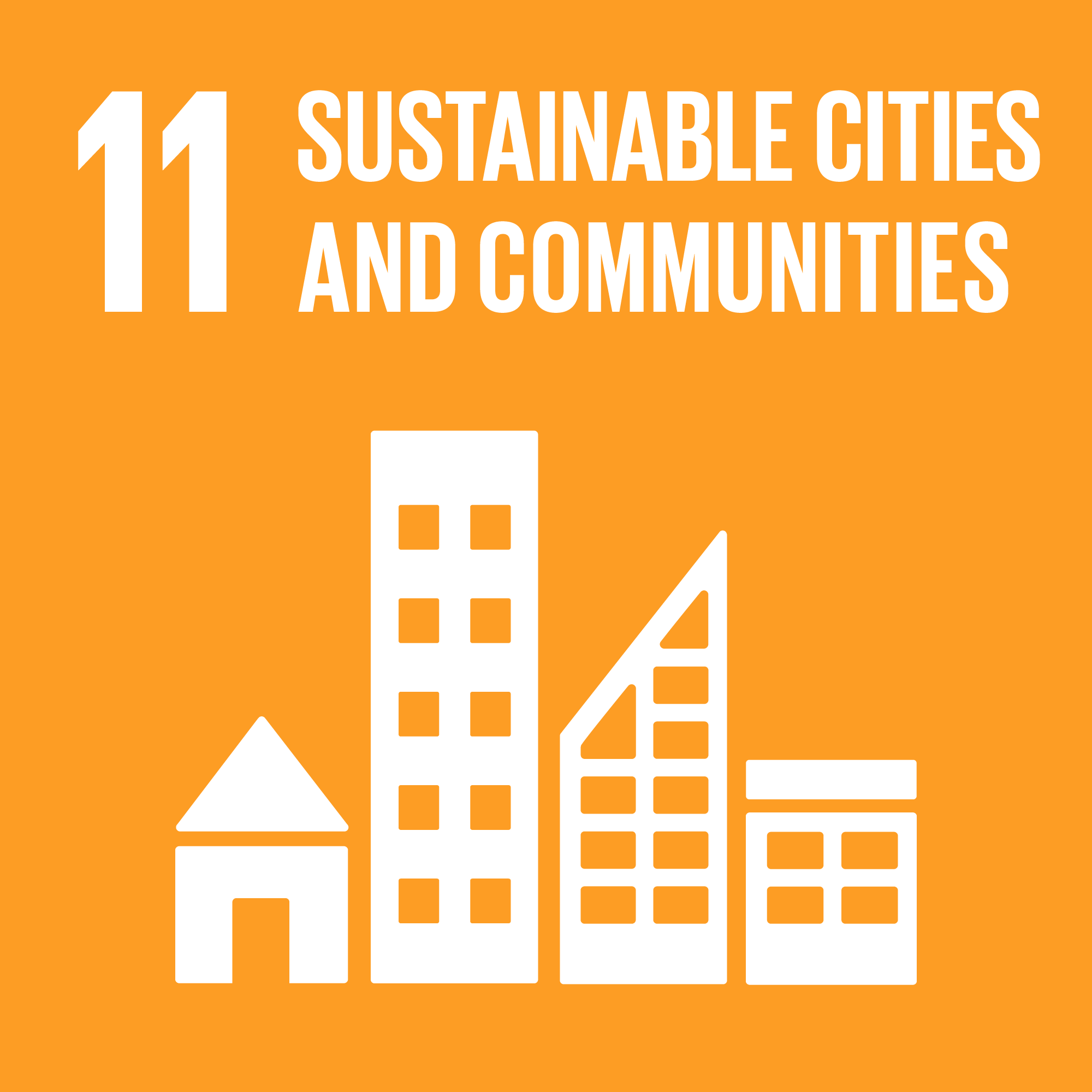 | 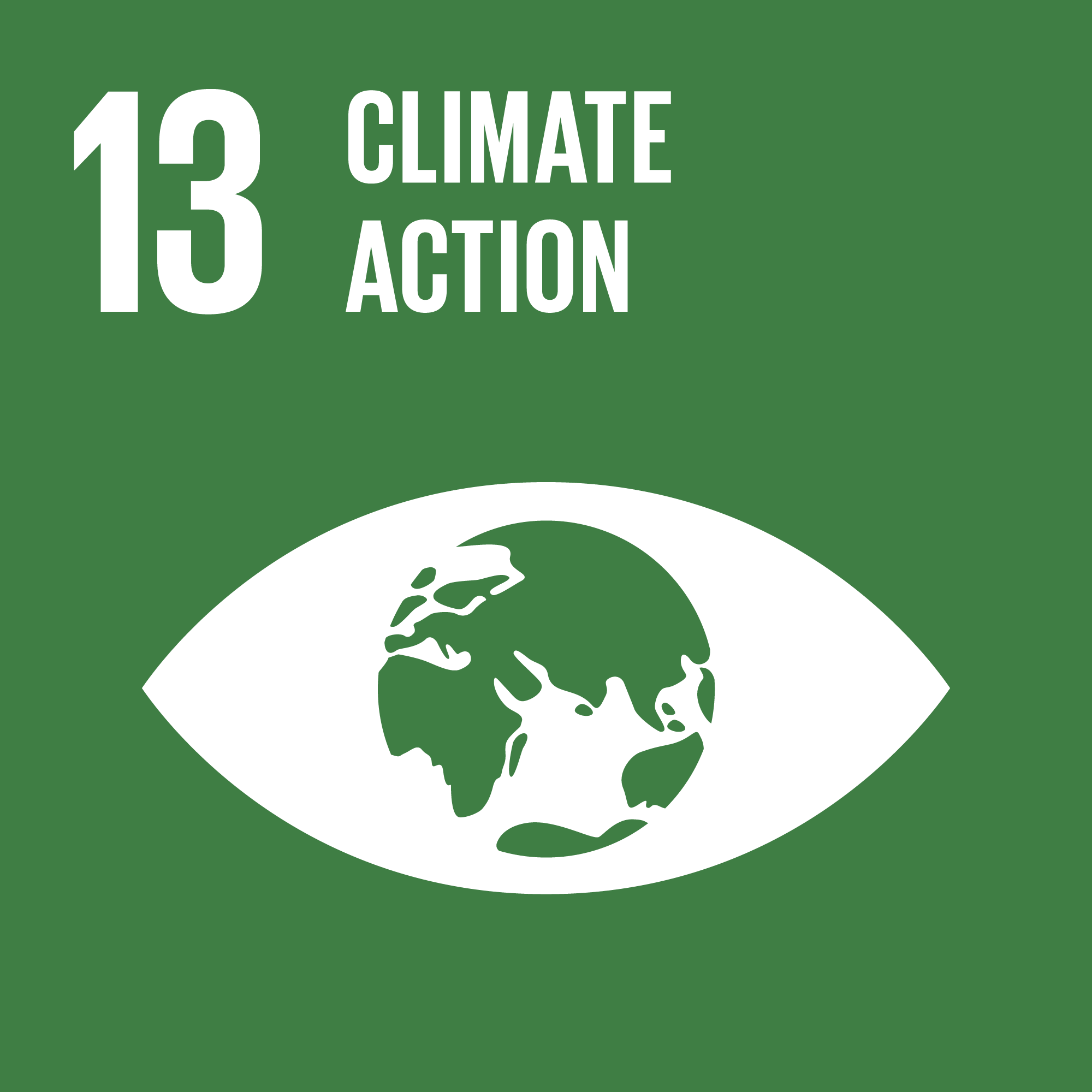 | 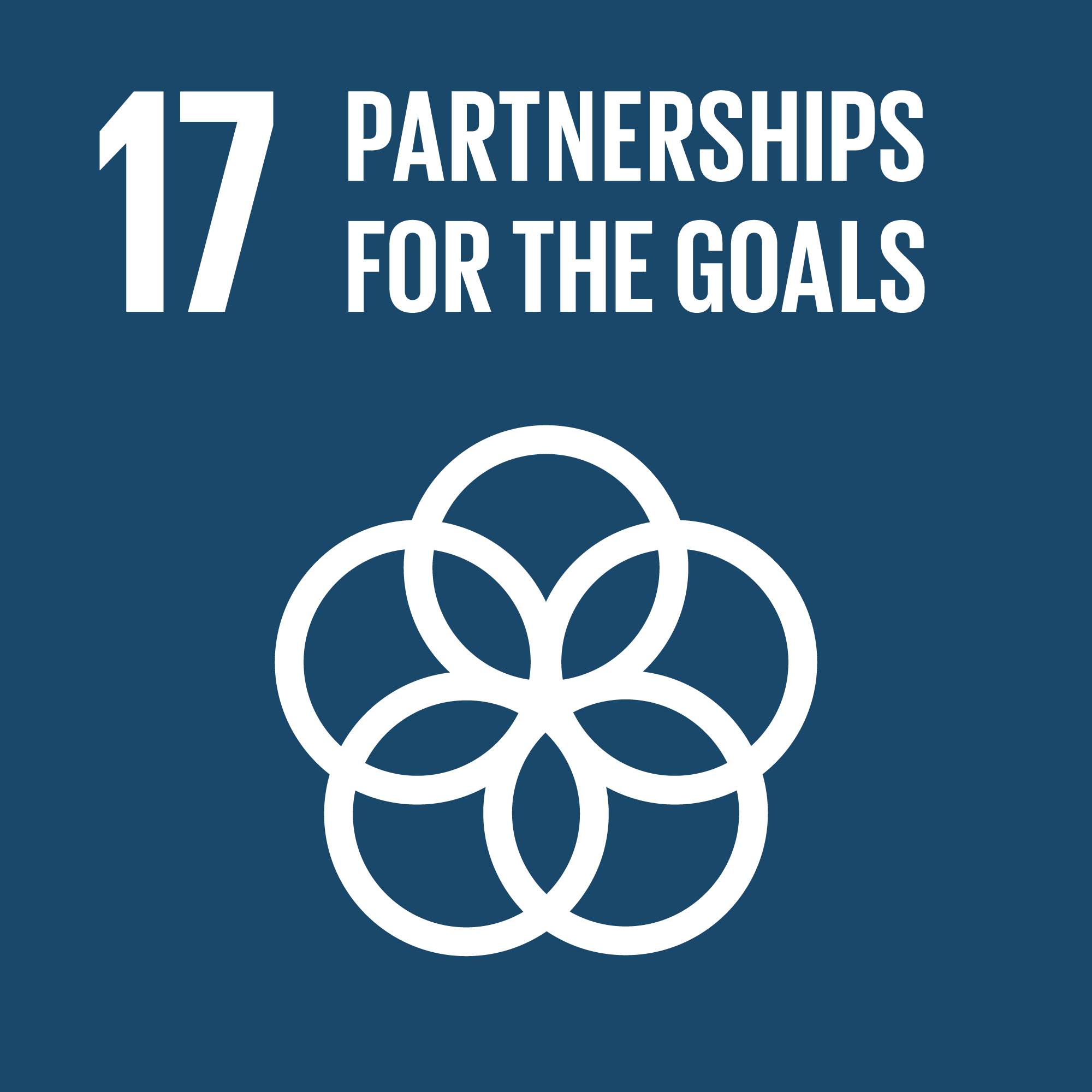 |
Finland |  |  |  |
Iceland |  | 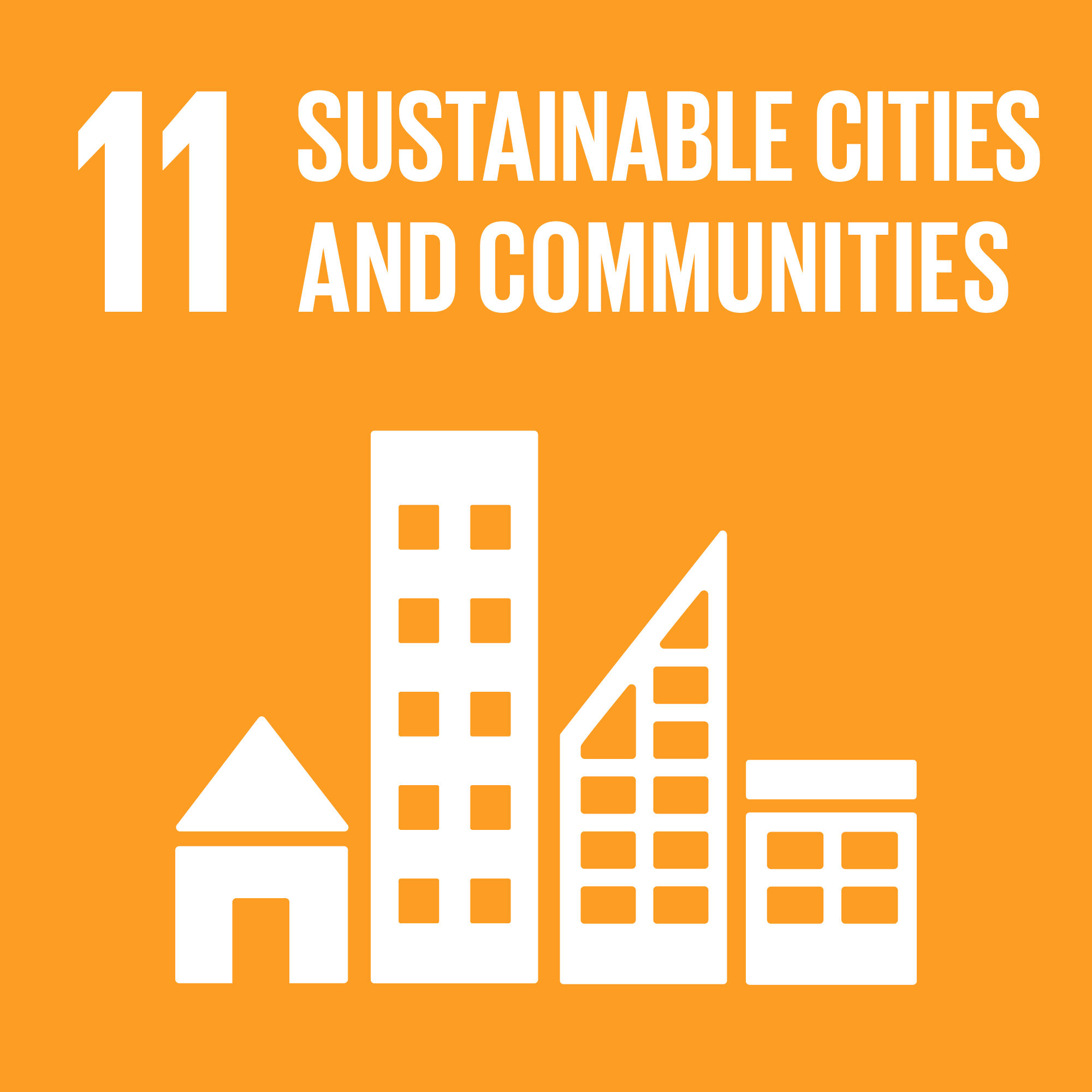 | 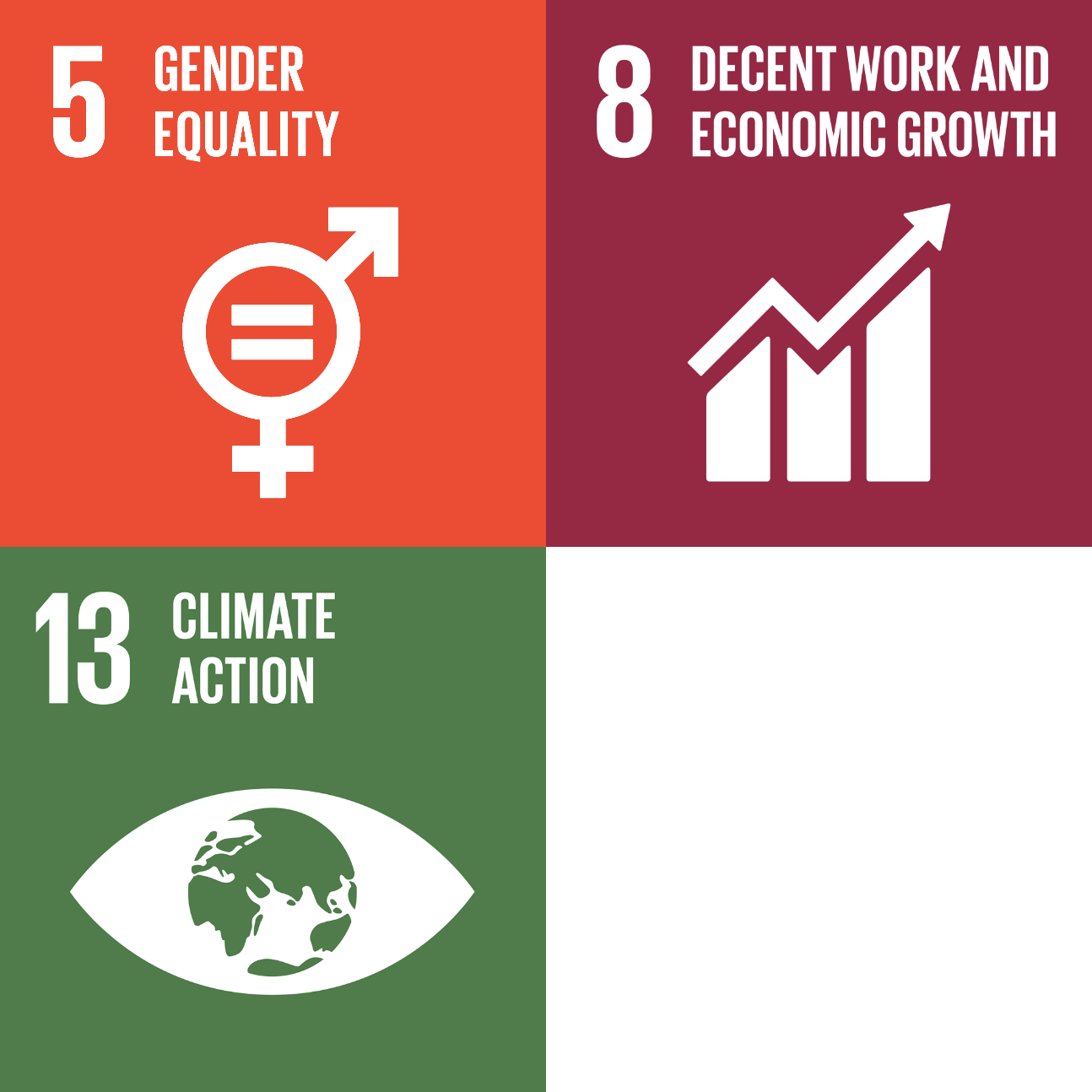 |
Norway | 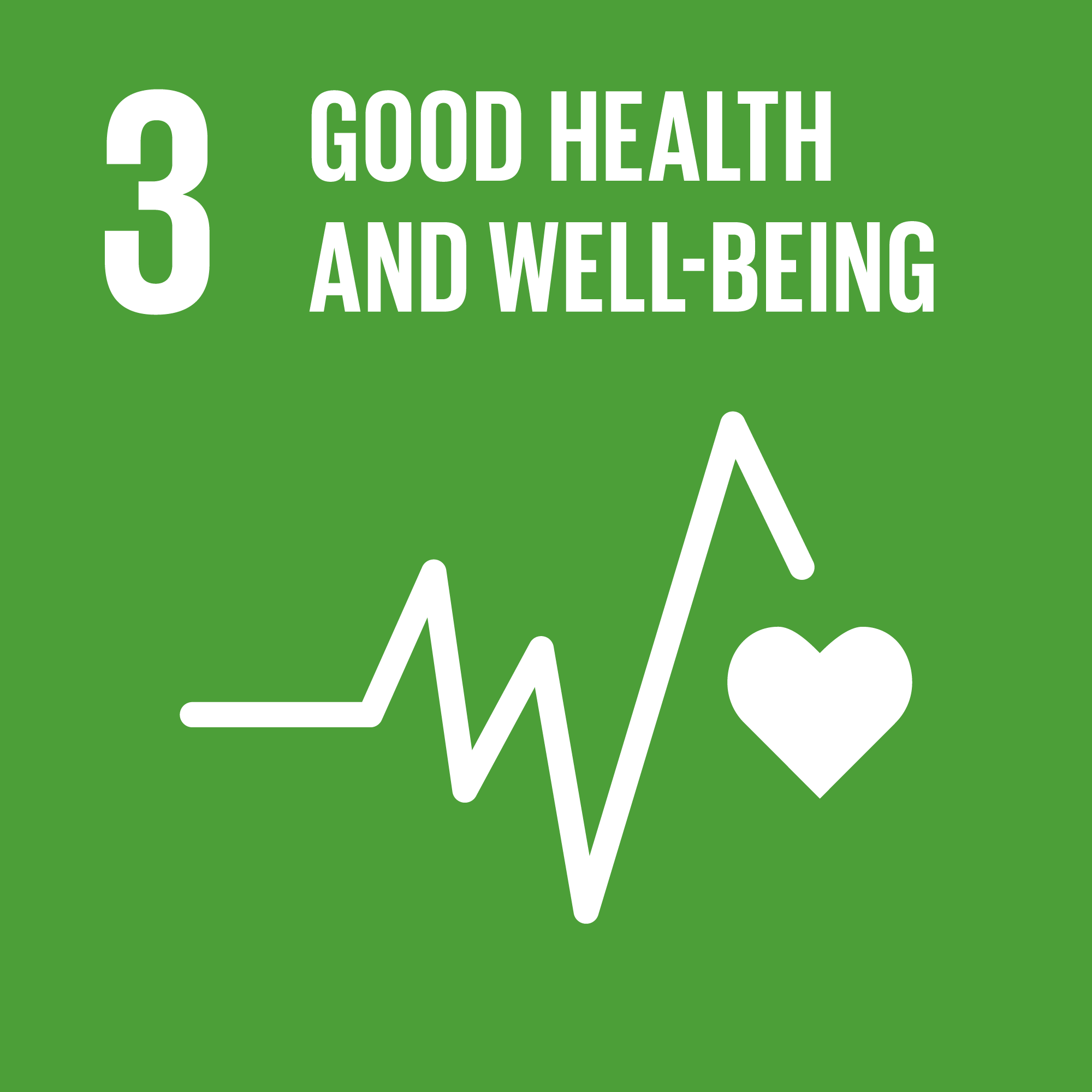 | 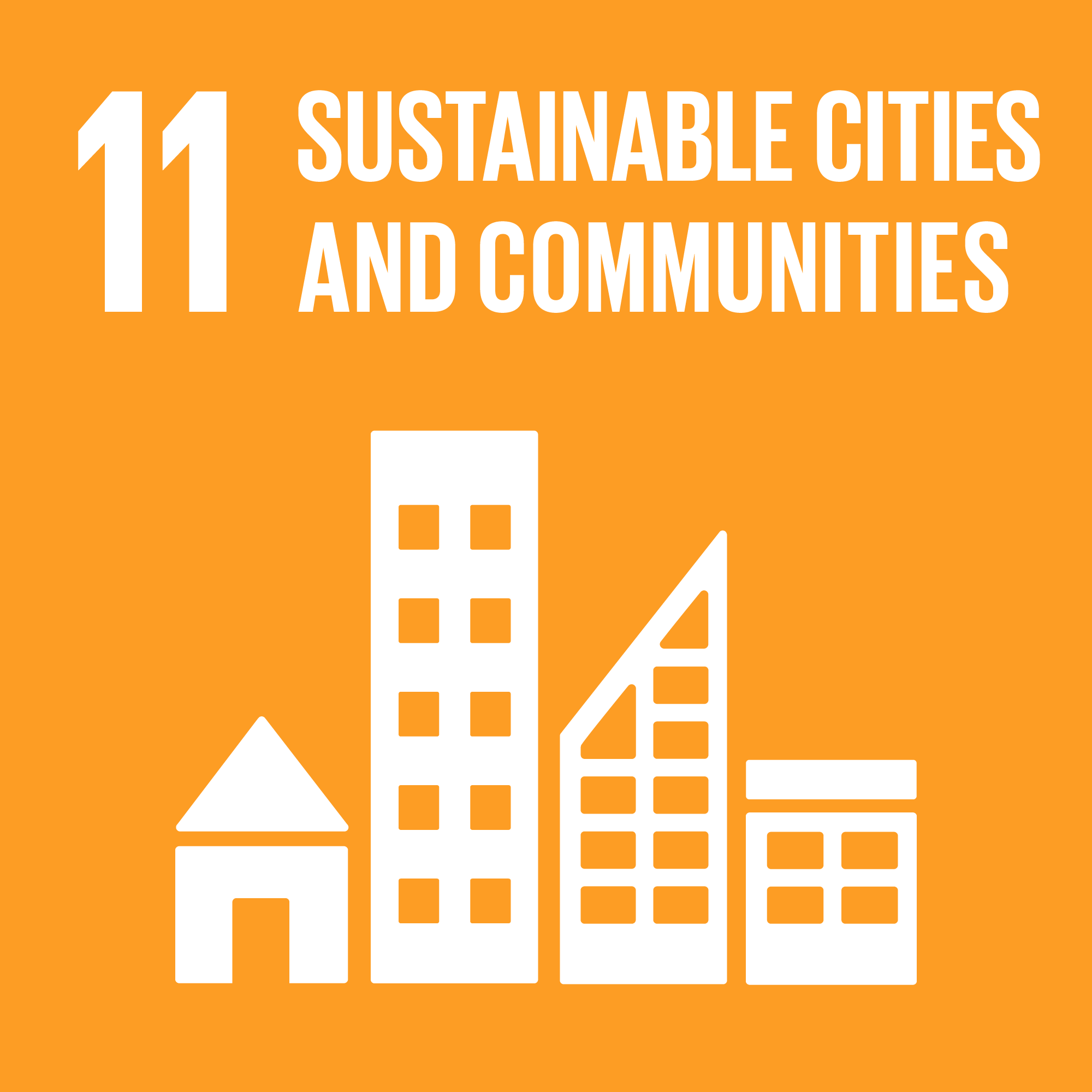 | 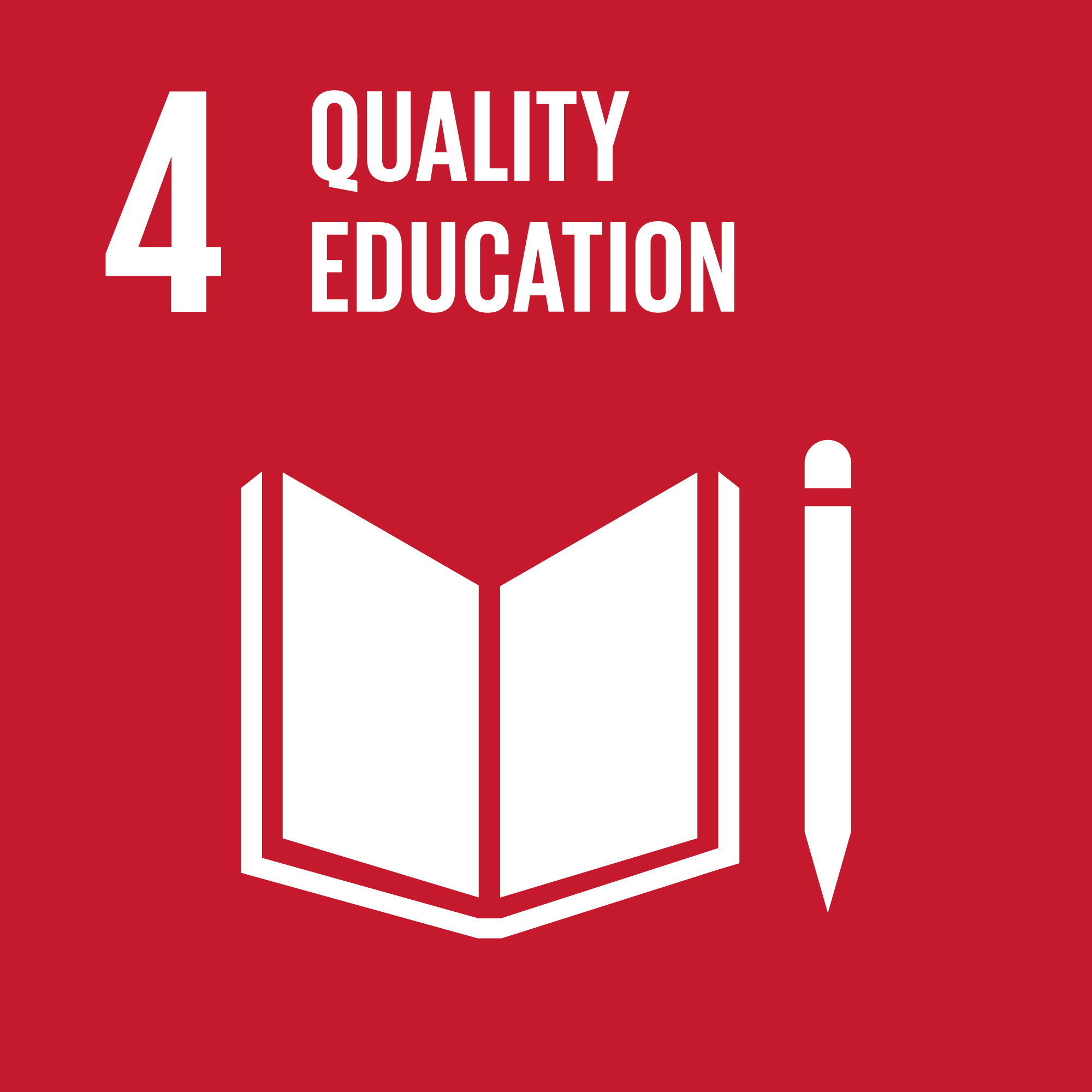 |
Sweden | 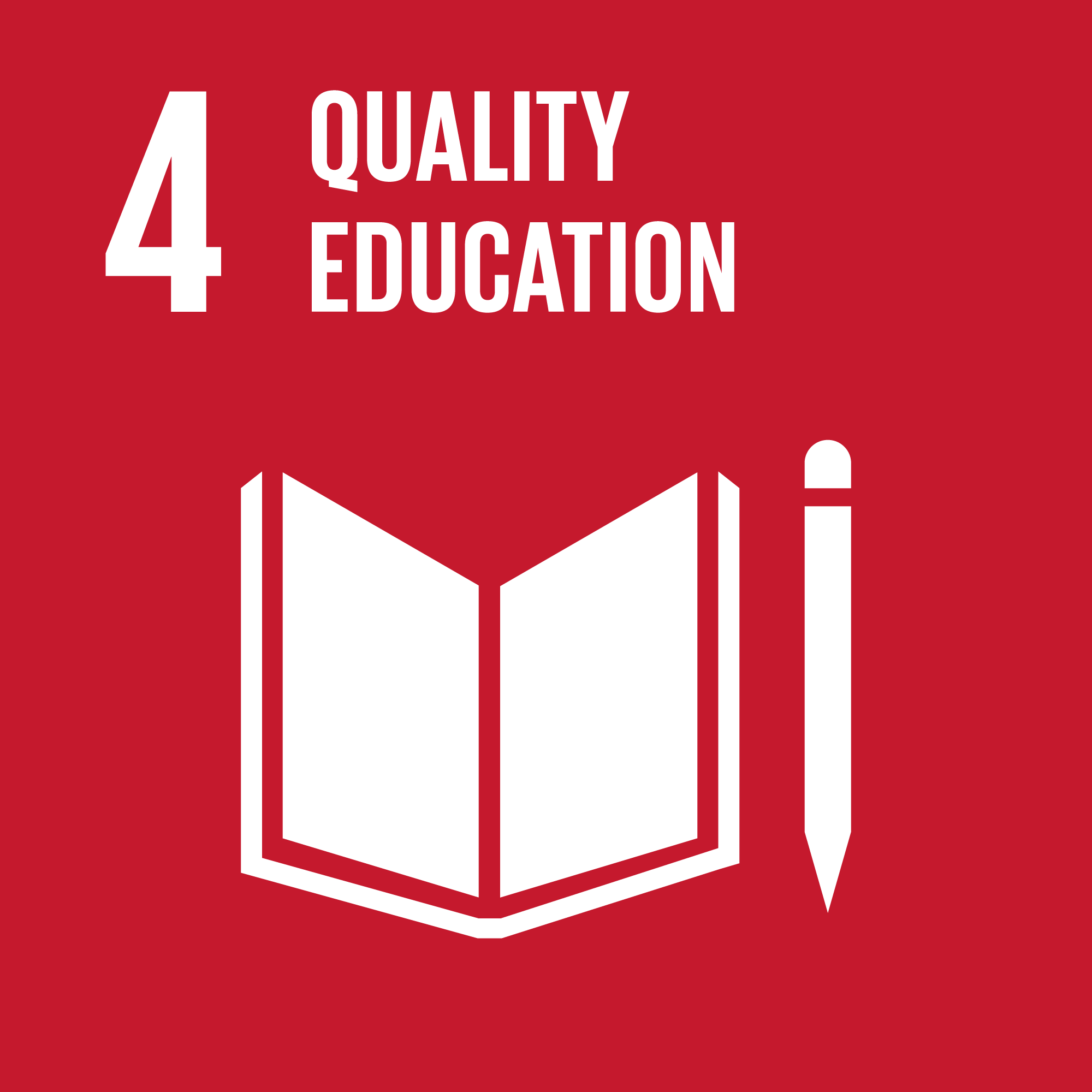 | 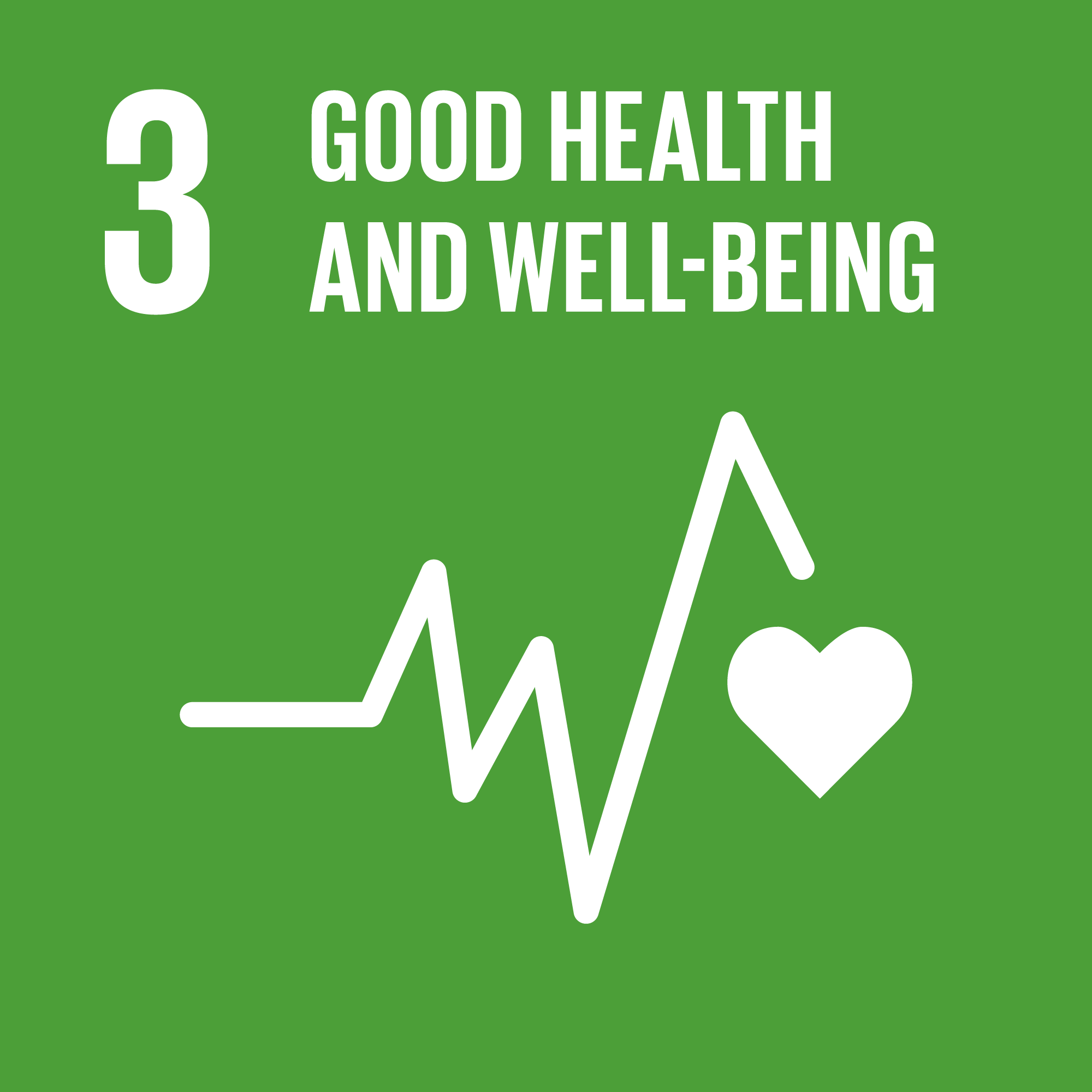 |  |
Figure 12: Which SDGs do you prioritise in your work with the 2030 Agenda?
Note: The figure is based on 50 responses in Finland, 40 responses in Iceland, 92 responses in Norway and 203 responses in Sweden. Multiple answers were possible: i.e. municipalities could choose more than one prioritised SDG. Municipalities could also choose the answer option: ‘We have not prioritised any goal’. The figure shows the SDGs most frequently chosen as priority goals by municipalities. In some cases, individual SDGs received the same number of answers, in which case the SDGs are shown side by side. Municipalities that answered ‘Don’t know’ or ‘We do not work with the 2030 Agenda’ were excluded from the analysis. Results for Denmark are taken from the KL survey of Danish municipalities.
4.5. Critical factors in SDG localisation
Internationally, the Nordic countries have gained recognition for their progress in localising the SDGs, largely due to their capacity to integrate the goals into existing municipal operations. This success can be attributed in part to the decentralised Nordic governance model, supplemented by other governance-relates success factors and challenges (see Chapter 3). This section explores how municipalities perceive both the main drivers of progress and the challenges that remain to be addressed when it comes to advancing local-level implementation of the SDGs.
4.5.1. Factors Driving Success
While there may be slight variations in the prioritisation of different factors, survey respondents across the board highlighted the importance of anchoring the 2030 Agenda in a municipality’s administrative management (Figure 13). Doing so involves integrating sustainability across all levels and activities, including tying them to key documents such as local plans, budgets and procurement (see Box 6, Box 7, and Box 8, respectively). Such alignment ensures the Agenda’s principles become integral to governance, aiding effective progress. This was considered a particularly important success factor in SDG-related work, especially among Swedish and Norwegian municipalities.
Capacity to work with the 2030 Agenda was also highlighted as an important success factor, particularly among responding municipalities from Finland and Iceland. Whether it entails financing sustainable initiatives (see Box 9), embracing new technologies, digitalisation and monitoring tools (see Box 19), or investing in capacity development among staff to augment expertise and competencies (see Box 3 and Box 10), resource mobilisation emerges as a cornerstone for advancing the SDGs.
Political prioritisation of the 2030 Agenda and translating the global goals into local contexts were also considered important to making SDG-related work a success.
1 | |||
2 | |||
3 | |||
4 | |||
Note: The figure is based on 56 responses in Finland, 33 responses in Iceland, 96 responses in Norway and 195 responses in Sweden. Municipalities were asked to rank nine potential success factors on a scale of 1 (‘not important’) to 5 (‘very important’). The ranking of success factors is based on joint analysis of the answers provided in each Nordic country. Municipalities that answered ‘Don’t know’ or ‘We do not work with the 2030 Agenda’ were excluded from the analysis. Results from Denmark are not shown in this figure, as the LRGA in Denmark (KL) conducted a separate survey among Danish municipalities that did not include a similar question to the one posed here.
Figure 13: Important success factors for the local work with the 2030 Agenda
For country-by-country charts on ‘How important are the following factors for the success of your municipality work with 2030 Agenda’, see Appendix 2.
Box 10: SDG learning material for elected representatives in Møre og Romsdal, Norway
The regional authority of Møre og Romsdal, the County Governor of Møre og Romsdal, and the District Centre have collaborated to produce learning material on the SDG’s specially for elected representatives in the municipalities and regional authorities. The material is divided into two parts: a digital track available to all municipalities, and a track where smaller municipalities can get additional support. The material includes films, methods and tools.
Through the collaborative development of this learning material, elected officials were able to access additional knowledge and become aware of different tools for localising the SDGs.
4.5.2. Challenges and Obstacles
Mirroring the success factors, the participating Nordic municipalities also emphasised ‘capacity to work with the 2030 Agenda’ and ‘lack of political prioritisation’ as the primary obstacles to their SDG-related work (Figure 14). This implies that despite the fact many Nordic municipalities work with the 2030 Agenda, there remains ample room to improve the conditions and context in which this work takes place.
1 | |
|---|---|
2 | LACK OF SUPPORT FROM THE STATE |
3 | LACK OF POLITICAL PRIORITISATION |
4 | LACK OF METHODS AND TOOLS |
Note: The figure is based on 44 responses in Denmark, 56 responses in Finland, 33 responses in Iceland, 96 responses in Norway and 202 responses in Sweden. Municipalities were asked to rank six potential obstacles and barriers on a scale of 1 (‘not an obstacle’) to 5 (‘a very serious obstacle’). The ranking of obstacles is based on a joint analysis of the answers provided in each Nordic country. Municipalities that answered ‘Don’t know’ or ‘We do not work with the 2030 Agenda’ were excluded from the analysis. Results from Denmark are included in the analysis. The LRGA in Denmark (KL) conducted a separate survey among Danish municipalities, that included the same question on barriers as was included in the Nordic Survey.
Figure 14: Important obstacles for local work with the 2030 Agenda
For country-by-country charts on ‘How much of an obstacle do the following factors pose in your work with 2030 Agenda’, see Appendix 2.
Capacity to work with the 2030 Agenda: Insufficient resource capacity was identified as a ‘serious’ or ‘very serious’ obstacle by the majority of responding municipalities in all five Nordic countries.
See Figure 12.1 in Danish survey
See Figure 5 in Danish survey
Note: The figure is based on 49 responses in Finland, 33 responses in Iceland, 95 responses in Norway and 206 responses in Sweden. Municipalities that answered ‘Don’t know’ or ‘We do not work with the 2030 Agenda’ were excluded from the analysis. Results from Denmark are not shown in this figure, as the LRGA in Denmark (KL) conducted a separate
Figure 15: Does your local authority have dedicated staff responsible for coordinating and implementation of the 2030 Agenda?
Lack of political prioritisation and support from the state: Alongside ‘lack of capacity’, Nordic municipalities consider ‘lack of state support’ and ‘lack of political prioritisation’ to be the main obstacles to SDG localisation. When political and administrative leaders at all levels of governance prioritise the SDGs, they signal a commitment to sustainability that can galvanise action across government agencies, civil society and the private sector. Conversely, the absence of political prioritisation by national, regional or local politicians and/or the administrative leadership can pose a significant barrier to progress. Without political commitment, efforts to localise the SDGs may lack support and direction, leading to fragmentation, inconsistency and competing priorities within municipal governance structures. This can undermine coordination, resource allocation and overall effectiveness in addressing sustainability challenges.
Challenges ahead: Looking ahead, the survey results shown in Figure 16 highlight the interconnected nature of global economic trends and local sustainability efforts. In the current context of rising inflation and high energy prices, well over half of the responding municipalities in Norway (68%), Finland (65%) and Sweden (56%) stated that there is a considerable or high risk that the global goals will be de-prioritised. By contrast, only 38% of responding municipalities in Iceland saw such a risk. In Denmark, meanwhile, around 30% of responding municipalities stated that the local administration and politicians currently had little or no interest in the SDGs.
See Figure 13 in Danish survey
Note: The figure is based on 55 responses in Finland, 40 responses in Iceland, 95 responses in Norway and 190 responses in Sweden. Municipalities that answered ‘Don’t know’ or ‘We do not work with the 2030 Agenda’ were excluded from the analysis. Results from Denmark are not shown in this figure, as the LRGA in Denmark (KL) conducted a separate
Figure 16: In your view, what is the risk that the current economic stress caused by rising inflation and high energy prices will lead to a de-prioritisation of the 2030 Agenda?
Overall, the challenges faced by the Nordic countries in implementing the 2030 Agenda underscore the critical need for strategic governance, political support and strengthened capacity. A changing political climate, declining support for working with the global goals, and external economic stressors pose significant obstacles to the effective long-term integration of the SDGs into local governance structures. Fostering resilience, prioritising sustainability and maintaining momentum amid changing circumstances is therefore critical to realising the transformative potential of the SDGs and advancing sustainable development for all.
4.6. Key messages
- A large majority (from 98% in Norway to around 64% in Finland and Iceland) of Nordic municipalities are working towards localising the 2030 Agenda and the SDGs. Despite this, differences exist in their implementation approaches: while approximately 10% of municipalities in the Nordic Survey identify as pioneers, between 36% (in Iceland and Finland) and 2% (in Norway) are not working actively with the SDGs at all.
- Overall, most responding municipalities that have integrated the 2030 Agenda and SDGs have done so in a holistic manner, focusing on all sustainability dimensions, from the economic to the social and environmental.
- A number of municipalities have been able to integrate the 2030 Agenda into several aspects of governance and administration, for instance embedding SDGs into the local strategy and vision (from 35% in Iceland to up to 93% in Finland ), local planning systems (from 34% in Finland up to 86% in Norway) , local budgets (from 16% in Iceland to 79% In Sweden) and procurement guidelines (between 23% in Iceland and 45% in Finland).
- While all SDGs are acknowledged as important, some municipalities prioritise individual SDGs in their work, with SDG 3 (good health and well-being), SDG 11 (sustainable cities and communities) and SDG 13 (climate action) among the most important for local authorities. These priorities reflect strategic resource allocation imperatives and tailored efforts to address local concerns, such as environmental challenges and public service provision.
- A number of key success factors were mentioned concerning local implementation of the 2030 Agenda, including incorporation of the 2030 Agenda into municipal management processes (‘anchoring’), capacity to work with the global goals, political prioritisation of this work, and translating the global goals to the local context.
- Lack of resource capacity, including designated personnel for coordinating SDG implementation, can be an obstacle to a municipality’s ability to integrate sustainability initiatives into local governance frameworks (from 77% of municipalities in Finland to 71% in Sweden mentioning this as a serious or very serious obstacle). Additional obstacles to local work with the 2030 Agenda include lack of state support and political prioritisation, as well as lack of access to methods and tools.
- Other exogenous factors, such as financial constraints caused by rising inflation and high energy prices, may lead to de-prioritisation of the 2030 Agenda, as immediate financial challenges demand attention and resources. Around 38% of responding municipalities in Iceland to 68% in Norway view this as a considerable to high risk that the global goals will be de-prioritised.