Photo: Nordregio
II. SWEDEN: JOURNEY TOWARDS A MISSION-ORIENTED APPROACH – ‘MADE IN SWEDEN'.
Markus Grillitsch, Lund University
1. Introduction
The aim of this chapter is to provide an overview of innovation policy developments in Sweden and vertical coordination. It also includes a discussion of the relevance of mission-oriented research and innovation policies. The chapter draws mainly on relevant documentation such as research bills, government decisions, strategic documents, funding agencies’ websites, call documents for research and innovation instruments, and evaluation reports.
The chapter briefly introduces the innovation policy landscape in Sweden, then provides an overview of the main funding instruments, before discussing Sweden’s journey to more challenge- and mission-oriented research and innovation policies. The discussion includes reflections on how challenges or missions are articulated and defined, the level of vertical coordination of research and innovation policy, and the main instruments.
2. Innovation policy landscape in Sweden
Sweden has been a frontrunner in identifying the need for and experimenting with research and innovation policies that address societal challenges and are aimed at system change. This stems from the 2009 Lund Declaration, adopted during the Swedish EU Presidency, which emphasised the role of research and innovation policy in efforts to address major societal challenges (Avdeitchikova and Schwaag Serger, 2024). Since then, Sweden has implemented a range of transformative, challenge- or mission-oriented research and innovation programmes.
In the Swedish context, a variety of government agencies are mandated with implementing these programmes (see Figure 2). These include Vinnova, the Swedish innovation agency, as well as research councils with a dedicated focus on societal challenges, i.e., Formas (the Swedish Research Council for Sustainable Development) and Forte (the Swedish Research Council for Health, Working Life and Welfare). Further, the Swedish Research Council, which in principle supports basic research, has responsibility for several national programmes with a societal orientation. In addition, the Swedish Energy Agency, as an emergency-preparedness authority and sectoral agency responsible for energy, is tasked with realising the sustainable energy transition, and considers research and innovation to be necessary parts of this process. Avdeitchikova and Schwaag Serger (2024) argue that, compared to other countries, government agencies in Sweden tend to have more autonomy in how to fulfil their mandate, which makes it possible to channel resources towards strategic transformative innovation programmes. These governance systems may come at a price, in the form of lower levels of ownership within the national government, as well as coordination challenges at the national level (Avdeitchikova & Schwaag Serger, 2024; Scordato et al., 2021). In addition to these central state agencies, there are a variety of other agencies, as well as foundations that fund research and innovation.
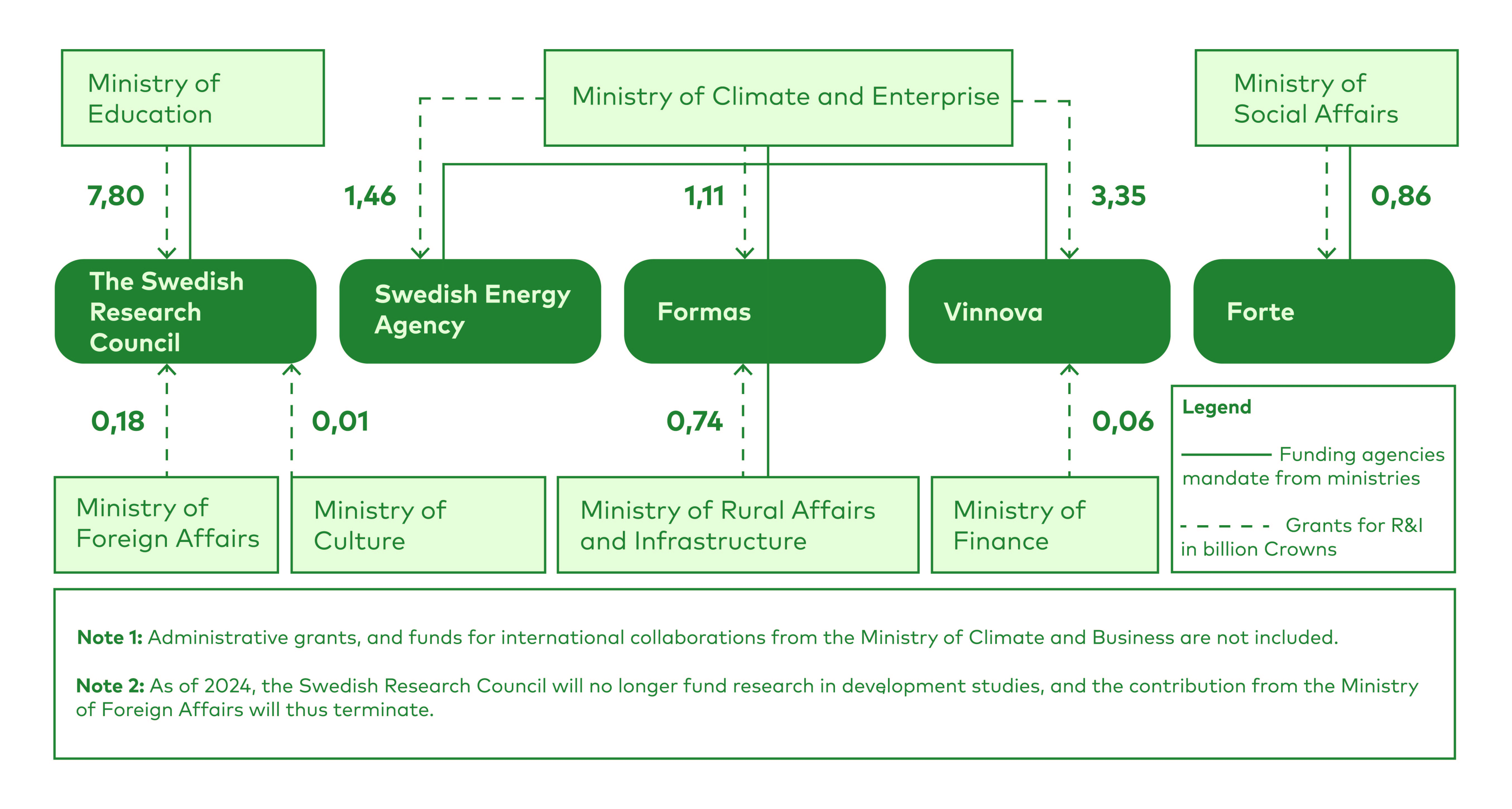
Figure 2: Organisation of government research and innovation funding in Sweden. Source: Adapted and translated from Swedish Government Official Reports (Statens offentliga utredningar (SOU) 2023:59)
The main policy programmes explicitly targeting societal challenges and tangible contributions to system change are Challenge-Driven Innovation (UDI), launched in 2011 by Vinnova; the Strategic Innovation Programmes (SIP), launched in 2012 as collaboration between Vinnova, the Energy Agency and Formas; and, with the same set of actors, Impact Innovation, which announced a call for proposals in 2023. Vinnova also implements mission thinking across their eight priority areas by funding, e.g. innovation platforms or demonstrators. The transformative or mission-oriented approach is therefore increasingly penetrating the various innovation programmes. In addition, the National Research Programmes (NRPs) were launched in 2017 with a view to generating knowledge with societal relevance. Formas has responsibility for four national programmes focusing on the climate, sustainable spatial planning, food, and oceans and water. Forte has responsibility for applied welfare research, working life research and mental health. The Swedish Research Council has responsibility for the national programmes on antimicrobial resistance, migration and integration, viruses and pandemics, crime, segregation, and the consequences of digitalisation.
This very short overview of the Swedish landscape for financing challenge- or mission-oriented research and innovation highlights the complexity of the system. The government inquiry into research and innovation financing (SOU 2023:59) stipulates that the current infrastructure primarily responds to the first and second generations of innovation policy. At the same time, the inquiry stated that changes were required to address the needs of the third generation of innovation policy. The first generation essentially focused on enhancing science and technology, based on the assumption that the knowledge generated will translate into innovation, and therefore societal benefits. The second generation takes a systemic perspective, and appreciates the need to facilitate interaction between knowledge-generation and -exploitation. As such, it is aimed at promoting innovation, but also assumes that innovation will translate into societal benefits. The third generation aims to help address societal challenges, and propel system change (Grillitsch et al., 2021; Laatsit et al., 2022; Schot & Steinmueller, 2018).
The government inquiry suggested a new agency structure informed by seven criteria (secure free research; stimulate international excellence and groundbreaking research; enhance knowledge, innovativeness and competitiveness; connect research and education; enhanced international co-operation; greater directionality; and more efficient administration). This structure should include only three agencies: one for research, one for strategic research and one for innovation. The agency for research should focus on excellence; the agency for strategic research should focus on the needs of Swedish society and industry; and the innovation agency should promote the transformation of society, helping address societal challenges and enhancing economic competitiveness. It is suggested that the lion’s share of the funding should be allocated to the research agency (SEK 8.2 billion p.a.) and the strategic agency (SEK 7.8 billion p.a.) and that the innovation agency distribute SEK 1.7 billion p.a. While there is a perceived need for change, this proposal has attracted criticism. For example, the Energy Agency’s response to the SOU suggests that separating research from its other areas would weaken the energy transition. Vinnova suggests two agencies instead of three, and is critical of the relatively smaller allocation suggested for the innovation agency. Also, it is noted that reorganisations consume resources, and as such have potential implications for existing capabilities related to the work on challenge- and/or mission-oriented policies.
3. Overview of main funding instruments
The 2009 Lund Declaration is often considered as the event that kicked off the shift towards increasingly challenge- and mission-oriented research and innovation policies (Avdeitchikova & Schwaag Serger, 2024). In 2011, Vinnova launched the development of the programme for Challenge-Driven Innovation (CDI), although its budget was insufficient to make a major impact (OECD, 2016). This programme is currently processing its final calls for proposals, after which it will be discontinued. Subsequently, the Research Bills 2012/13:30, 2016/17:50 and 2020/21:60 introduced various instruments that, over time, substantially changed research and innovation policies in Sweden. Three major instruments with an explicit challenge- or mission-orientation have also been developed: Strategic Innovation Programmes (SIPs), Impact Innovation and the National Research Programmes (NRPs). In addition, the Research Bill 2016 also introduced the Collaboration Programme (samverkansprogram). However, it had fewer instruments than the three previously mentioned. This chapter focuses on the three major instruments, as they illustrate Sweden’s journey towards more challenge- and mission-oriented research and innovation policies. It also provides a short summary of the CDI programme and the Collaboration Programme. However, it is important to note that there are other instruments within Vinnova’s priority areas, such as the recent innovation platforms for sustainable food systems and vision-driven health, both of which have an explicit focus on missions.
3.1. Challenge Driven Innovation (CDI)
CDI was established in 2011 as a Vinnova programme dealing with sustainability challenges. In the first calls, Vinnova defined the challenges involved, and from 2018 onwards it referred to the Sustainable Development Goals (SDGs). The programme consisted of three stages. The first sought to develop an innovation-oriented idea of how to solve one or more societal challenges; the second was aimed at developing collaborations between partners and developing innovative solutions; and the third involved supporting the testing and implementation of the solution. CDI also included a facility that would carry out pilot studies. Calls for stage three are currently underway, after which the programme will be discontinued. A total of 783 projects were funded under the CDI programme, of which 51 reached stage three (Ramboll, 2022). In addition to the overall aim of addressing societal challenges, CDI experimented with engaging broader coalitions of actors, and thereby emphasised multi-disciplinary and boundary-spanning collaborations. The stage model was considered a success, and subsequently adapted for SIPs and Impact Innovation, as will be described later. One learning from CDI was that the impact of individual projects/innovations is often limited by conditions other than technology, e.g. business model innovation or supportive regulations (Ramboll, 2022).
3.2. Strategic Innovation Programmes (SIPs)
The SIPs were an important step towards challenge- or mission-oriented innovation programmes. These relate to the Research and Innovation Bill 2012 (2012/13:30) and the Research and Innovation Bill for a Sustainable Energy System (2012/13:21), which proposes that Vinnova, the Energy Agency and Formas should collaborate to strengthen strategic innovation areas. In a first step, a call was announced to formulate strategic innovation agendas via a bottom-up process. A total of 290 proposals were received, of which 136 applicants were granted funding to develop strategic innovation agendas. Then, four consecutive calls were issued to establish SIPs (which, in line with the Research Bill 2012, were initially defined as strategic innovation areas). This resulted in the establishment of 17 SIPs, each of which could be funded for a maximum of 12 years, subject to evaluation at three-year intervals. So far, all SIPs have been evaluated, and have been granted funding for the consecutive three-year period. Assuming that all SIPs will be funded for 12 years, the total funding for the 17 SIPs will amount to SEK 16 billion, of which SEK 7.2 billion will come from public funding (Åström & Arnold, 2023).
The overall objectives (expected programme impacts) were defined as:
- Increasing sustainable growth
- Creating conditions for sustainable solutions to global societal challenges
- Sustainable social development, to secure employment, welfare, environmental and energy policy objectives
- Improving competitiveness and increasing exports for Swedish industry
- Ensuring that Sweden is an attractive country in which to invest and do business.
The programme offices had overall responsibility to, e.g. update and renew the innovation agenda in dialogue with the stakeholders; develop networks and collaborations both in Sweden and internationally; generate and disseminate knowledge; and monitor the activities, thereby ensuring learning and reflexivity. By far the largest share of the funding was allocated to competitive bidding. Programme offices would play a role in defining the call text and nominating evaluators, but had no influence on the selection, and only limited influence in the implementation of individual projects (Fridholm & Hallström Hjorth, 2023; Åström & Arnold, 2023). However, the programme offices could also develop strategic projects in negotiation with the agencies, and target system-level interventions. In addition, they could initiate complementary activities, such as international outlooks, investigations, workshops, courses, graduate schools, networking events or conferences.
The SIPs asked for a broader engagement of societal stakeholders compared to previous initiatives, with the chair of each SIP’s board representing the ‘problem-owner’ (behovsägare). In this context, this refers to a stakeholder who takes responsibility for the problem or societal need addressed, and also has agency in terms of implementing and disseminating the solutions developed in the SIP. In addition, it was requested that the demand side holds the majority on the SIP boards, in the form of private- or public-sector actors who could benefit from the results. The programme office was tasked with steering activities in ways that would benefit demand-side stakeholders.
It has been argued that one strength of the SIPs is the long-term perspective, which is a necessary condition for delivering system change. Some of the programmes that were criticised in the first three-year evaluation were subject to mitigation actions and adaptations, and are now considered successful (Fridholm & Hallström Hjorth, 2023). This implies that the long-term perspective, including regular formative evaluations, allowed for learning and reflexivity, and more generally facilitated the building of the capabilities necessary to run large-scale and complex programme initiatives. The long-term perspective enabled investment in collaborative structures that would yield benefits over time.
While the four rounds of calls for establishing SIPs were quite similar overall, there are also some subtle but important differences. The first call emphasised that the SIPs would create the preconditions for international competitiveness and the creation of sustainable solutions for global societal challenges. This was to be achieved through closer national and international collaboration, joint efforts and renewal, with a long-term perspective. In the third call, the order of priorities changed, with sustainable solutions in first place, and international competitiveness second.
Some small changes are also visible in the intervention logic for SIPs, as shown in Figure 3, from the third-round call text. Compared to the call text for the first and second rounds, there are two changes here: First, the introduction of Goal and Vision (Mål och Vision) as a vertical pillar, which indicates a move towards mission-orientation. Second, the order of the overall objectives (effektmål) or desired impacts has changed. In the first and second calls, increased sustainable growth was in the first position, but in the third call, it moved to third place. In the first, second and third calls, it is stated that SIPs must contribute to at least two of the overall objectives, whereas in the fourth call, all proposals must target sustainable solutions.
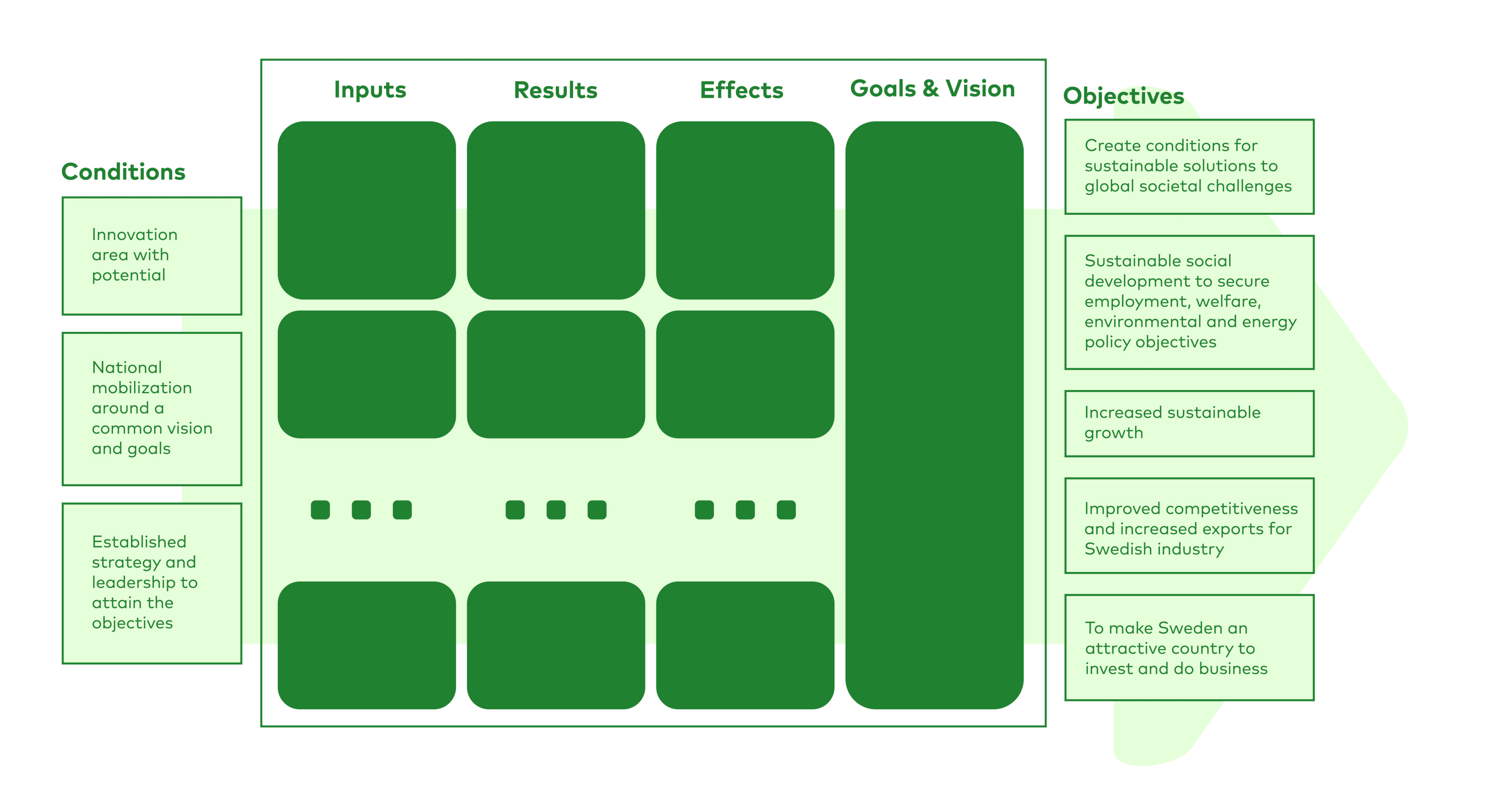
Figure 3: Intervention Logic for SIPs. Source: Adapted from Vinnova et al. (2014)
Overall, the evaluations showed that the SIPs had successfully strengthened international competitiveness in strategic areas, and also enhanced research and development in collaboration between industry and R&D actors (Fridholm & Hallström Hjorth, 2022, 2023; Åström & Arnold, 2023). While the programmes were dominated by industry leaders and key R&D actors, they were also open to newcomers, which led to enhanced networking and collaborations. The dominance of existing industry leaders is explained by the SIPs’ objective of focusing on areas of national strength and importance, combined with competitive bidding. The companies involved reported good expectations for commercial impact, mainly through the development and improvement of products, services or processes. However, the financed projects’ concrete outputs were often prototypes or demonstrations, which may in future lead to the introduction of new products. The companies also reported that the innovation processes were facilitated (sped up), and that the collaboration led to new follow-on/spin-off projects, which suggests that the activities related to SIPs were relevant to the companies concerned. Increasingly, the SIPs also adopted a value-chain perspective to developing solutions that include actors along the whole value chain. R&D actors reported that their international competitiveness has strengthened, and expect this trend to continue in the future. They also suggested that the SIPs have contributed to their ability to work with the industry or carry out industry-relevant R&D. Further, the SIPs have used strategic projects to address system-related weaknesses (Fridholm & Hallström Hjorth, 2022, 2023; Åström & Arnold 2023).
The SIPs’ system effects include enhanced networks, collaboration and competence development between actor groups and sectors. Areas of competence development include PhD education, graduate education, training and life-long learning (Fridholm & Hallström Hjorth, 2022, 2023). The two main topics at EU level, green transition and digitalisation, play an important role in all programmes. Some programmes also worked with aspects such as standards or regulations.
However, in relation to the objective of contributing to system change, the evaluation of the SIPs is critical, and varies between them – and, in particular, between the four application rounds (Fridholm & Hallström, Hjorth, 2022; Grillitsch et al., 2019; Åström & Arnold, 2023). The SIPs have changed over time. Previously, the first round was primarily characterised by a continuation of traditional sectoral and collective research programmes. However, the programmes awarded in rounds two to four increasingly included programmes that were less consolidated and drew less on previous programmes, and as such show greater diversity (Fridholm & Hallström Hjorth, 2023; Åström, et al., 2021). In the fourth call, Viable Cities was selected, which has a relatively strong focus on system change using a mission-oriented approach. This means that while at the beginning there was a rather low degree of ambition in terms of addressing societal challenges, this ambition has increased over time, and system change has become more of a priority. In terms of actor mobilisation and coordination, the SIPs may have contributed to building the capacity needed to drive system change.
3.3. Impact Innovation
With the Impact Innovation programme, the Swedish Energy Agency, Formas and Vinnova aimed to implement the Government Decision (2021-04218), which in turn was based on the Research and Innovation Bill 2020 (2020/21:60). Impact Innovation is a ‘new’ strategic innovation programme for transformative change and sustainable development. These new programmes are aimed at accelerating development in areas of strategic importance for Sweden and broad societal relevance related to Agenda 2030. The programmes will lead to system change and an increased focus on societal effects such as zero-carbon emissions, a circular economy or digital transformation. The programmes will also promote international collaboration, both within the EU and globally. A call for preparatory projects was issued in September 2022. A total of 98 applications were received, of which 23 have been awarded funding to develop full proposals. These proposals were submitted in Autumn 2023, and five Impact Innovation programmes were awarded. A second call is expected in 2025.
The government’s decision relates to previous SIPs, which will be adapted to reflect the transformative ambition. It also relates to the evaluation of the SIPs, which highlights positive outcomes in terms of forging new actor constellations and collaborations, as well as improved competitiveness and increased exports. While the evaluation of the SIPs identified some effects in terms of creating conditions for sustainable development, contributing to global societal challenges and innovations with lower environmental impact, the societal effects were assessed as rather incremental and minor (or at least, had not yet been realised when the evaluations were conducted). For this reason, the decision emphasises that the new programmes’ contribution to system change and to addressing societal challenges must be strengthened, and that fewer but larger programmes will be developed to make a greater transformative impact. The design of Impact Innovation aims to deliver on these goals while also building on the lessons learned from the 17 SIPs. In addition, the programme draws on Vinnova’s experiments with and learnings from mission-oriented programmes in the areas of healthy sustainable food and healthy sustainable mobility. The call text for the Programme Offices for Impact Innovation states:
"The Swedish Energy Agency, Formas, and Vinnova are jointly launching Impact Innovation, which is Sweden’s largest innovation intervention of the 2030s. The objective of Impact Innovation is to accelerate the transition towards sustainability for global competitiveness and societal benefits, aligned with the sustainability goals outlined in Agenda 2030. Impact Innovation is a long-term collaborative effort that harnesses the driving forces from actors across different sectors, including business, academia, the public sector, and civil society."
(Energy Agency et al., 2023, 6)
Each of the five Impact Innovation programme offices needs to have a clear mission to contribute to one or more of the following three areas: attractive and well-functioning communities, good and equal health, and production, consumption and value chains within the planet’s boundaries. ‘A Mission should be bold, ambitious, time-bound, and measurable. It must constitute the overall and long-term direction of the programme. When working towards a Mission, one may need to work with different areas within a programme. The engagement from the various actors participating in the program can vary between these areas’ (Energy Agency et al., 2023, 7).
Figure 4 illustrates Impact Innovation’s organisational structure. Each programme must define clear missions that contribute to system change and societal impact related to the three priority areas. The programme offices are responsible for operating and coordinating all activities and initiatives within each programme. They are also responsible for ensuring learning processes and the necessary reflexivity to engage effectively with the uncertainties and emergent nature of system change. Relatedly, the requirements for monitoring and evaluation systems are more pronounced than those of the SIPs. Each programme will combine constellations of actors from different sectors, including business, academia, the public sector and civil society. The programme offices will also have a clear idea of how to engage the various actor groups in long-term collaboration on the mission, thereby promoting transformative, systemic change aimed at sustainability.
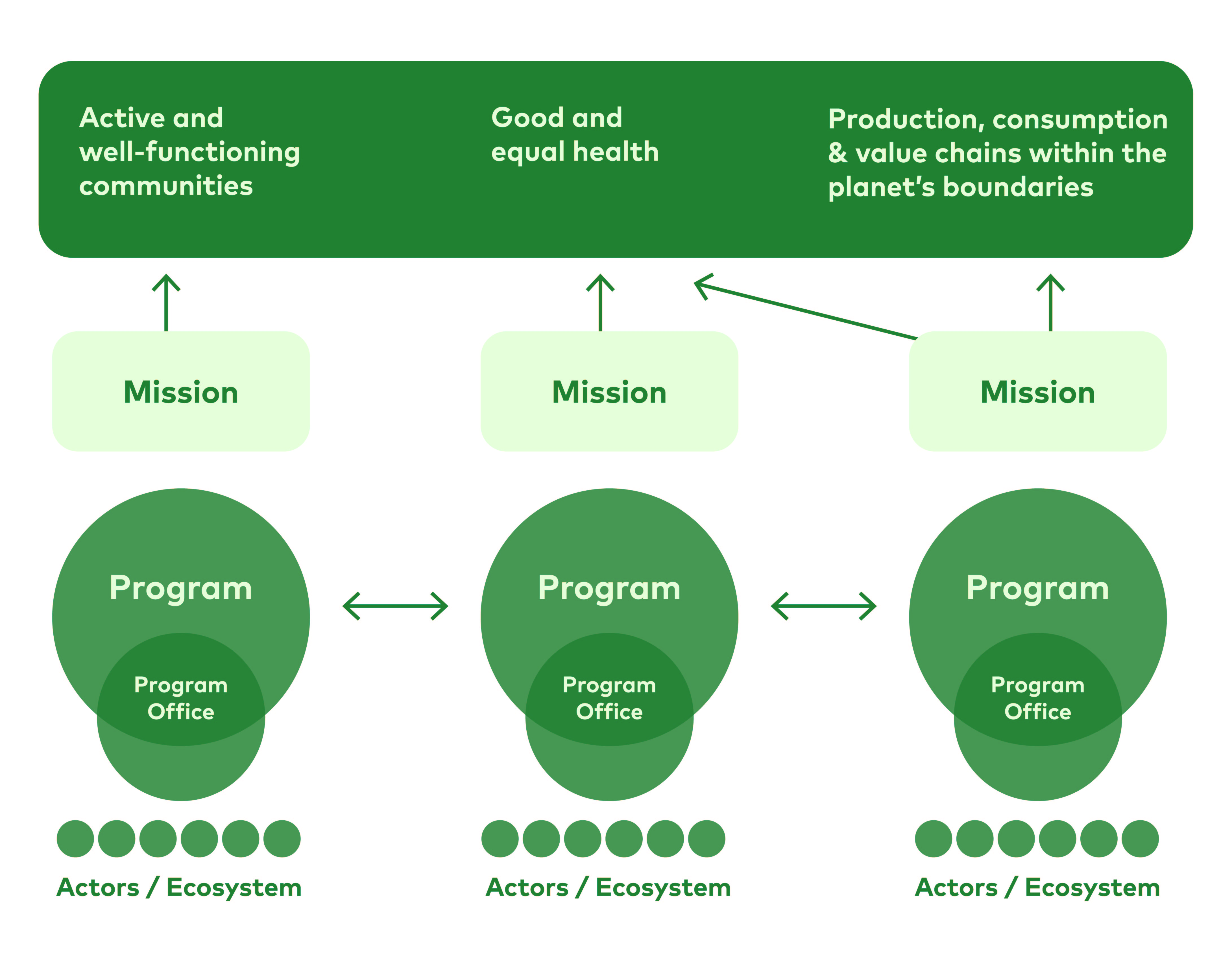
Figure 4: Organisation of the Impact Innovation Programme. Source: Vinnova 2023
3.4. National Research Programmes
The National Research Programmes (NRPs) were initiated with the Research Bill 2016/17:50 and extended through the Research Bill 2020/21:60. The overall aim is to steer research activities in such a way that they contribute to societal challenges, promote inter-disciplinary and cross-sectoral research, and establish links between research and education. The initiative refers to the strategic orientation of research and innovation programmes of the European Union (Horizon) and grand societal challenges (Agenda 2030 and Paris Agreement). The Research Bill 2020/21:60 explicitly refers to the possibility of seeking synergies with initiatives at the European level. In Sweden, the introduction of the NRPs meant that more weight was given to research that is challenge-driven or oriented towards defined societal challenges.
Each of the 13 programmes lasts ten years, which affords a long planning horizon for building research infrastructure. Each programme is coordinated strategically by one of the research councils (Fortes, Formas, Swedish Research Council). Each programme has a programme committee that includes relevant research funders, and facilitates coordination between them to avoid overlaps. The programme committees have their own advisory groups (including the problem-owners) with a broad range of competencies. The purpose of this broad stakeholder engagement is to ensure the challenge-driven nature of national research programmes. A recent evaluation positively assessed the NRPs’ governance structure, but also noted that the programme committees’ influence has rather diminished over time (Arnold et al., 2022). The programmes are primarily implemented through calls offering funding for research grants, innovation grants or collaboration funding.
Each NRP responds to societal challenges that are broadly defined in the Research Bills and then further specified through analysis and dialogue processes orchestrated by the programme committees. For instance, the NRP on climate, the largest of the 13 NRPs, defines six focus areas: sustainable innovation for climate efforts; system-integrated knowledge of climate change, ecosystems and society; production and consumption in line with climate goals; governance for meeting climate challenges; economic and financial drivers for climate action; and a democratic and just climate transformation (Formas, 2022).
Overall, the NRPs bring a more explicit and thematic directionality to the research activities. In consultation with the stakeholders, the programmes also aim to narrow down the themes to define the knowledge needed to address the societal challenges. However, in their implementation, the programmes tend to follow the logic of the research funders, i.e. researchers respond to calls and propose projects in a bottom-up manner, in which the actual research and societal relevance are defined in relation to a particular programme. As such, while they strengthen the innovation system’s knowledge-generation function, the knowledge-exploitation function (and the integration with problem-owners) is less pronounced. This means that actors who could implement and exploit the generated knowledge in ways that promote system change were less present. Accordingly, a meta-evaluation of seven NRPs (Arnold et al., 2022) suggests a relatively strong performance in terms of scientific output and enhanced interdisciplinary collaboration. However, the evaluation also finds that the NRPs had less impact when it came to generating cross-sectoral collaboration (e.g. between research and industry), which diminished their contribution to system change. Arguably, an excessively broad formulation of objectives limited the opportunities to exert directionality, while the lack of system integration (e.g. with actors who could implement and exploit the knowledge generated) limited the potential system impact.
3.5. Collaboration Programmes (Samverkansprogram)
Research Bill 2016/17:50 initiated five strategic innovation areas (later revised to four) based on the work of the National Innovation Council. The National Innovation Council was led by the Prime Minister, five ministers, and ten external representatives from, among others, industry and research (Edquist, 2019). Collaboration Programmes (CPs) were established in the areas of mobility and transport, smart cities, circular and bio-based economy, life science, and advanced manufacturing and materials. Research Bill 2020/21:60 also refers to this programme. Vinnova was mandated (Regeringsbeslut 2019-05811) to support the implementation of the CPs by, among other things, mapping relevant stakeholders, conducting an analysis of the system and the requirements for system change in dialogue with stakeholders, and identifying synergies between programmes. SIPs appear to have been the main tool for CP implementation. As such, it is difficult to assess the real impact of the CPs.
4. Sweden’s journey to a challenge- and mission-oriented research and innovation policy
Research Bills 2012, 2016 and 2020 changed the directionality of research and innovation policies. There is now a clear emphasis on more challenge-oriented research, as well as innovation that contributes not only to international competitiveness, but also to addressing societal challenges and propelling system change. The initial formulations and attempts via SIPs and NRPs have been relatively timid, and bear many traces of previous programmes. However, over time, the SIPs have increasingly emphasised societal relevance, system change and mission orientation. For example, the SIP Viable Cities, which received a grant in the fourth round, has a clear mission orientation and more place-based approach. While the NRPs have sought to direct research towards societal challenges, the link to knowledge exploitation has been rather weak. This reflects a common challenge facing innovation systems – namely that knowledge exploration and exploitation need to be closely connected for the systems to generate innovation and societal impact. Impact Innovation follows the main thrust of the evaluations for both SIPs and NRPs with regard to investment in larger programmes, which recommended that (public or private) problem-owners should be placed at the centre to develop an innovation system capable of tackling selected societal challenges and thereby generating a greater impact.
4.1. Choosing challenges and missions
Overall, the Swedish approach emphasises stakeholder participation, with rather limited directionality from the national government. The government has increasingly articulated that research and innovation policy should contribute to addressing societal challenges. Most importantly, it provided the preconditions for new initiatives such as SIPs, NRPs and Impact Innovation, with substantial funding and the aim of addressing to societal challenges. The government also decided on the thematic areas of the NRPs and the collaboration programmes. However, it defined the objectives and themes in very broad terms. More detailed themes and objectives for the NRPs were developed in consultation with a coalition of actors, funders, the research community and society. The subsequent calls then followed the themes, and researchers proposed relevant projects.
The process that led to the formulation of SIPs was intended or articulated as a bottom-up initiative, as groups of actors were invited to develop strategic innovation agendas, some of which were then consolidated into SIPs. In practice, however, the SIPs are run by quite well-established groups of actors who have the capacity necessary to run large-scale programmes and succeed in national competitions. This was especially true for the SIPs in the first round, all of which were related to previous innovation programmes. Hence, while bottom-up refers to limited directionality on the part of the government, the processes were also top-down in the sense that they were dominated by established and highly capable organisations and groups of actors. Further consolidation and concentration via Impact Innovation may further raise the hurdles for ‘new entrants’, and reinforce the need for established, resource-strong environments in running the programmes.
Impact Innovation is subject to a degree of directionality from the government similar to that of the SIPs, albeit with an expectation that its activities should be larger, more focused, and deliver more impact in terms of system change. However, the call text shows that Impact Innovation provides more directionality in terms of objectives. In addition, the applications are required to propose a clear mission statement, and must demonstrate strong ownership by the problem-owner. In that sense, it might be expected that Impact Innovation will exert stronger directionality, but this is very much dependent on the implementation mechanisms.
In terms of how funding agencies perceive missions, the articulation of the major instruments is not very detailed. However, a detailed elaboration of a Vinnova document on designing missions offers more insights, and reflects the overall picture presented in this report so far (Hill, 2022). As Figure 5 shows, the general perspective is rather bottom-up. It begins with identifying different angles for an intervention, based on meetings, interviews and workshops, coupled with sector analysis and relevant research. These angles are then developed into more specific missions, a step which also entails creating networks of relevant and willing actors. The next step in implementing the missions consists of developing and experimenting with prototypes. Successful experiments are then scaled up to system demonstrators.
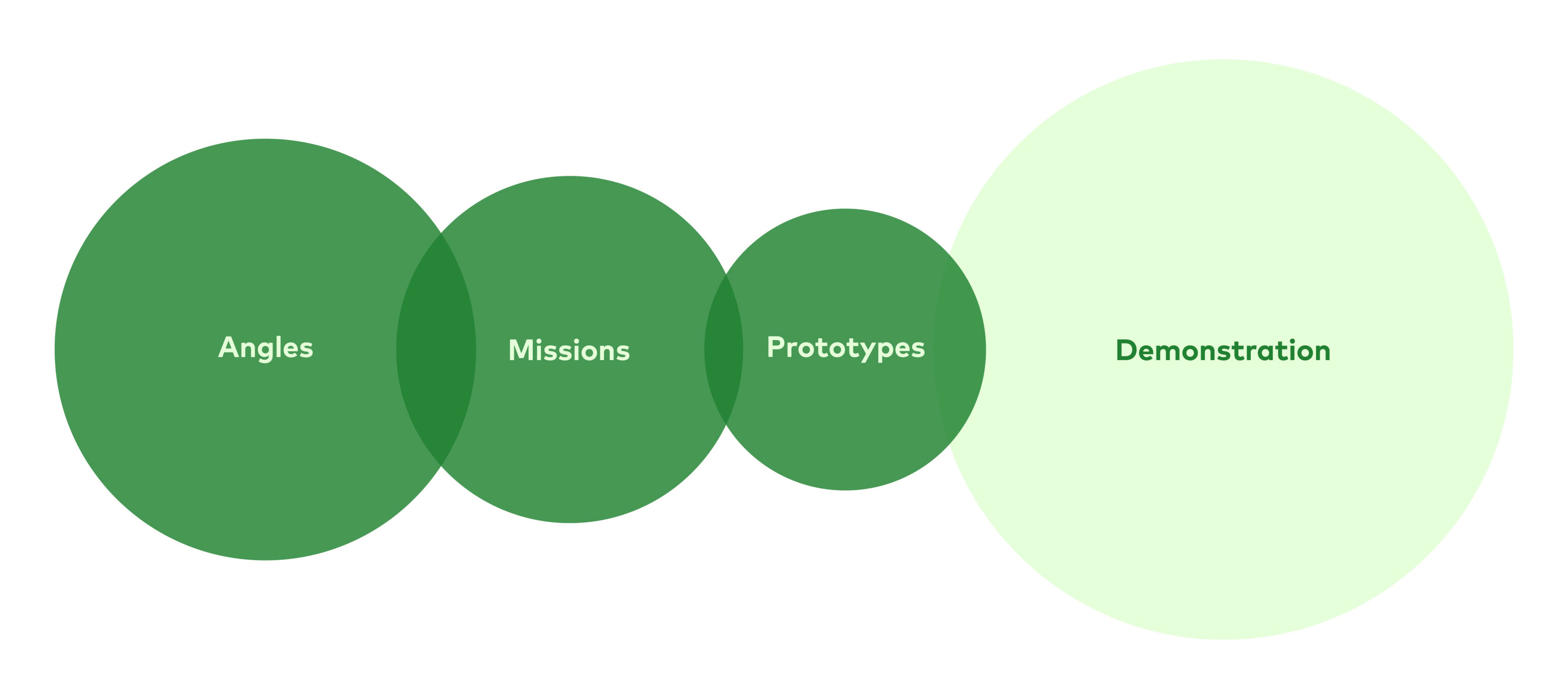
Figure 5: Vinnova model for designing missions. Source: (Hill, 2022, 140f)
4.2. Vertical coordination: Multi-level governance and place-based approaches
With regard to the linkages between the national level and the European/global level, the Research Bills 2012, 2016 and 2020, as well as the consequent implementation in SIPs, Impact Innovation and NRPs, are clearly influenced by the macro-level discourse on grand societal challenges, the climate crisis, the Paris Agreement and Agenda 2030. This influence primarily concerns the broad framing of the challenges, but also the allocation of substantial funding to programmes that are challenge- or mission-oriented. The texts also refer to European initiatives, notably the Horizon programmes. However, this usually takes the form of describing the policy landscape and expressing a wish to create synergies.
The extent to which the SIPs and NRPs contribute to increasing participation in Horizon programmes is somewhat questionable. On the one hand, the SIP evaluations suggest several follow-up projects and propose increased internationalisation, which may include, e.g. Horizon projects. On the other hand, the meta-evaluation of the NRPs (Arnold et al., 2022) is more sceptical, suggesting that the actors pursuing European funding opportunities were already in a strong position to do so. As such, the link between the national and European programmes appears to be grounded mainly on an alignment of challenges, as expressed in the wider discourse and manifested in Agenda 2030.
The SIPs and NRPs are rather silent about their relationship to multi-level governance at local and regional levels. A first hint is provided by the spatial distribution of funds, which largely follows the spatial distribution of the main actors in the research and innovation landscape (Åström & Arnold, 2023). Neither the SIPs nor NRPs specified place-based approaches and context-sensitivity in their calls, nor do the programme evaluations cover these aspects. As a consequence, these programmes have primarily targeted the Swedish landscape while also being largely space-blind, i.e. ignoring the implementing organisations’ locations and environments.
This is quite interesting in relation to the European Commission’s place-based regional development interventions: smart specialisation. The original idea behind smart specialisation was to promote industrial transformation and competitiveness through innovation, while paying limited attention to societal challenges. Recently, various attempts have been made to reorient smart specialisation and European regional development policy approaches to societal challenges (Grillitsch et al., 2023). In addition, the National Strategy for Sustainable Regional Development for 2021–2030 makes a connection between smart specialisation and the overall objective of addressing societal challenges and promoting system innovation, and even mentions missions as one potential approach. As such, while a general direction is articulated, the link between the national challenge- or mission-oriented programmes (SIPs and Impact Innovation) and the regional development approaches is rather weak at the instrument level. This link could potentially be strengthened by building on previous experience with Vinnväxt, which was a place-based approach that supported longer-term collaborative innovation initiatives, with some evidence of system-level effects (Wise et al., 2022).
However, there are signs that this trend is shifting. In Viable Cities, the last SIP, the cities are key actors, and this SIP therefore incorporates a multi-level governance dimension. In addition, Vinnova implemented mission-oriented pilots on sustainable and healthy food, and sustainable and healthy mobility, which adopted a more place-based approach. The experience with mission-oriented innovation programmes is reflected in Designing Missions, which outlines a ‘Swedish’ approach (Hill, 2022). This document foregrounds a place-based approach to missions, in which the situatedness of a challenge in a particular context plays an important role in both problem formulation and negotiating relevant solutions. Furthermore, the overall aim of impact innovation – i.e. contributing to attractive and well-functioning communities – opens up for more place-based approaches, as the relevant communities would often be anchored in place. This means that, even if not explicitly required, municipalities and regions can participate in national challenge- or mission-oriented programmes. Yet, as pointed out in 4.3, little is known about to what extent, how and with what outcomes municipalities and regions would combine policy instruments focused at that level (e.g. smart specialisation) with, e.g. SIPs or Impact Innovation. This means that it remains to be seen to what extent the recent ‘rediscovery’ of the importance of context and place in national approaches will lead to a strengthening of multi-level governance, and a greater emphasis on the place-based design and implementation of mission-oriented programmes.
4.3. Implementation of challenge- and mission-oriented policies
Several features characterise challenge- and mission-oriented policies in Sweden. First, the policies have a long time horizon (10+ years). They are also subject to regular evaluations that enable learning and flexibility. In relation to the SIPs, this has been noted as positive, as it has allowed deficiencies to be identified in several programmes. These were subsequently tackled, leading to an overall positive evaluation of the SIPs.
Second, the programmes’ governance structures foresee broad stakeholder engagement. In the case of the SIPs and Impact Innovation, the programme office must demonstrate this both in the application and in the regular evaluations. In the case of the NRPs, this will be guaranteed by a programme committee, which includes different funders and a broad range of societal interests.
Third, within the SIPs, the possibility of strategic, negotiated projects opens up the possibility of stronger implementation of the missions, via the programme offices. Most of the funding was distributed through calls, and therefore the programme offices could formulate these calls in ways that exercised directionality. However, the funding decisions and the implementation of projects fell largely outside of the programme offices’ sphere of influence. Similarly, the NRPs primarily used traditional calls for project funding to disburse most of the funds.
Hence, while the new governance structures of SIPs, Impact Innovation and NRPs have afforded some directionality in terms of defining the challenges to be addressed, and have also mobilised broader actor coalitions, there is a higher degree of fragmentation at the project level. This raises questions about the extent to which the project portfolios contribute to the transformative mission. At the same time, there is a lack of clarity about how, e.g. NRPs and SIPs and future Impact Innovation programmes are linked at the actor level. For instance, are the beneficiaries of NRPs also beneficiaries of SIPs and Impact Innovation? If so, do the links between actors across sectors exist at the micro-level? It is unclear how individual actors can use combinations of instruments to achieve transformative ambitions. In addition, the extent to which actions at the level of projects can and should be coordinated – and how – remains an open question (cf. Laatsit et al., 2022).
5. References
Arnold, E.; G. Melin; and J. Olsson. 2022. A Formative Meta-Evaluation of Seven Swedish National Research Programmes 2017-2021. Stockholm: Formas.
Avdeitchikova, S. and S. Schwaag Serger (2024), Innovation policy as an instrument for driving transformation – lessons from practice Papers in Innovation Studies.
Edquist, C. (2019), Towards a holistic innovation policy: Can the Swedish National Innovation Council (NIC) be a role model?, Research Policy, 48, 869-879.
Energy Agency; Formas; and Vinnova. 2023. Establishment of Impact Innovation programs: funding of Program Offices ed. Vinnova. Stockholm: Vinnova.
Formas. 2022. Knowledge for a climate transformation: Strategic agenda for the National Research Programme on Climate. Stockholm: Formas.
Fridholm, T. and M. Hallström Hjorth. 2022. Nioårsutvärdering av strategiska innovationsprogram: Slutsatser från fem utvärderingar 2022. Stockholm: Vinnova.
———. 2023. Nioårsutvärdering av strategiska innovationsprogram: Slutsatser från sex utvärderingar 2023. Stockholm: Vinnova.
Grillitsch, M.; T. Hansen; L. Coenen; J. Miörner; and J. Moodysson (2019), Innovation policy for system-wide transformation: The case of strategic innovation programmes (SIPs) in Sweden, Research Policy, 48, 1048-1061.
Grillitsch, M.; T. Hansen; and S. Madsen. 2021. Transformative innovation policy: a novel approach? In Handbook on Alternative Theories of Innovation, ed. B. Godin; G. Gaglio; and D. Vinck, 276–291. Cheltenham: Edward Elgar Publishing.
Hill, D. 2022. Designing missions: Mission-oriented innovation in Sweden - A practice guide by Vinnova. Stockholm: Vinnova.
Laatsit, M.; M. Grillitsch; and L. Fünfschilling (2022), Great expectations: the promises and limits of innovation policy in addressing societal challenges, Papers in Innovation Studies.
OECD. 2016. OECD Reviews of Innovation Policy: Sweden 2016, ed. O.R.o.I. Policy. Paris: OECD Publishing.
Ramboll. 2022. Analysis of the program Utmaningsdriven Innovation. Stockholm: Vinnova.
Schot, J. and W.E. Steinmueller (2018), Three frames for innovation policy: R&D, systems of innovation and transformative change, Research Policy, 47, 1554-1567.
Scordato, L.; M.M. Bugge; T. Hansen; A. Tanner; and O. Wicken (2021), Walking the talk? Innovation policy approaches to unleash the transformative potentials of the Nordic bioeconomy, Science and Public Policy, 49, 324-346.
Vinnova; Energy Agency; and Formas. 2014. Strategiska innovationsområden hösten 2014 - utlysning för att etablera och genomföra strategiska innovationsprogram ed. Vinnova. Stockholm: Vinnova.
Wise, E.; M. Eklund; M. Smith; and J. Wilson (2022), A participatory approach to tracking system transformation in clusters and innovation ecosystems—Evolving practice in Sweden’s Vinnväxt programme, Research Evaluation, 31, 271-287.
Åström, T. and E. Arnold. 2023. Meta-evaluation of the Swedish Strategic Innovation Programmes: As policy instruments for industrial competitiveness and system innovation: Faugert & Co Utvärdering/Technopolis Sweden.
Åström, T.; E. Arnold; and J. Olsson. 2021. Meta-evaluation of the third round of strategic innovation programmes after six years. Faugert & Co Utvärdering/Technopolis Group Sweden.