Areas of regional relevance from the 113 case studies
The 113 inspirational case studies cover a broad range of regional development and policy alignment strategies across the Nordic region. Key themes to emerge from the cases include cross-border cooperation, innovation, urban inclusion, remote work, climate neutrality, tourism sustainability and rural development. The findings from the cases – many of which are explored in greater detail by a series of Nordregio publications referred to below – underscore the Nordic countries’ commitment to fostering integrated, sustainable regional growth.
For a more comprehensive list of the Nordregio publications dealing with the 114 case studies, see the chapter Story map of inspirational cases
1. Cross-border cooperation
Nordic municipalities – particularly in Sweden, Norway, Denmark and Finland – have well-established collaborative frameworks. Nevertheless, challenges remain due to topographical barriers and policy inconsistencies.
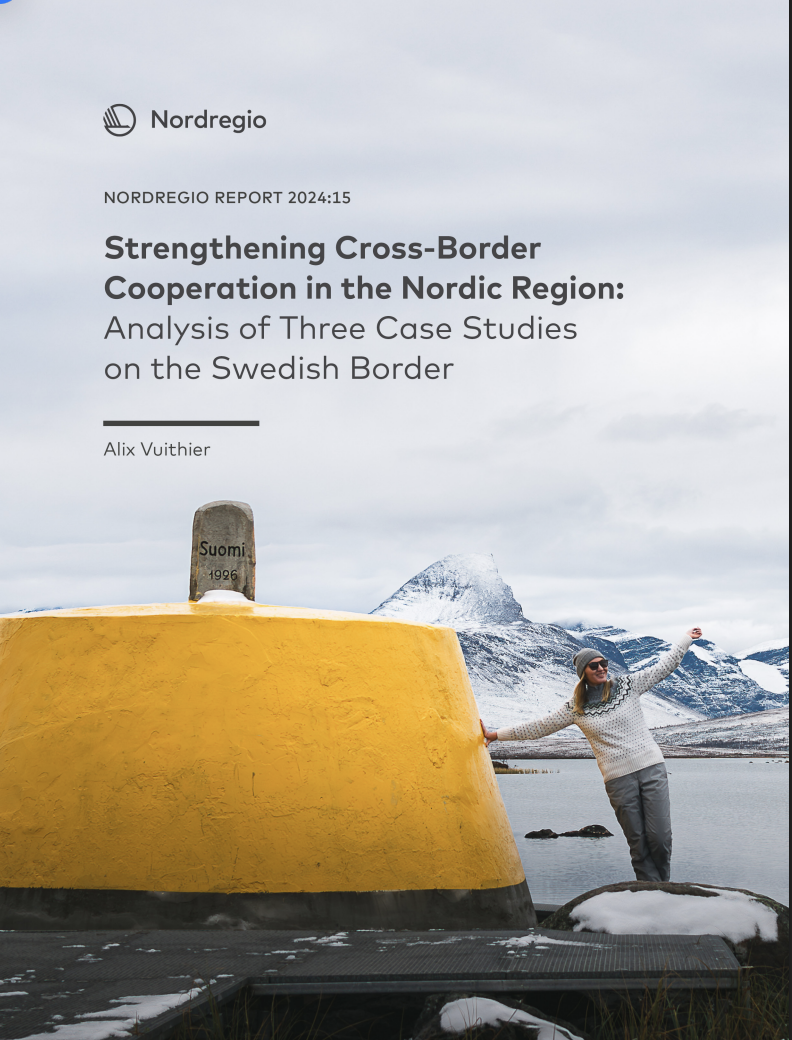
Strengthening Cross-Border Cooperation in the Nordic Region examines how integration can be improved through identifying shared obstacles and research avenues.
2. Urban inclusion and social segregation
Authorities at multilevel across the Nordic region are addressing rising segregation through policies that encourage citizen participation, architectural redesigns and multi-sector collaboration.
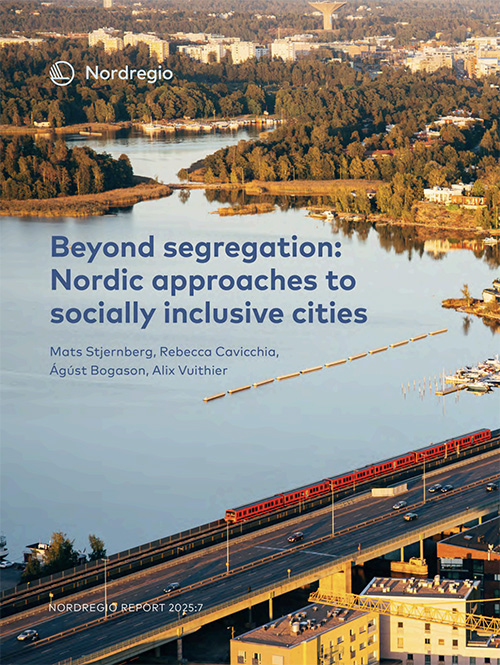
Beyond Segregation: Nordic Approaches to Socially Inclusive Cities emphasises the need for comprehensive strategies aimed at combatting structural inequalities.
3. Remote work and small town attractiveness
The rise of remote work presents opportunities for smaller towns. In practice, however, municipalities often lack formal strategies to harness the full potential offered by this.
Moreover, while digital infrastructure and housing improvements are helpful for attracting remote workers, widespread hybrid work models place limits on what can be achieved.
4. Climate neutrality and governance challenges
Despite being world-leaders when it comes to sustainability efforts, Nordic cities frequently struggle with regulatory barriers and funding constraints.
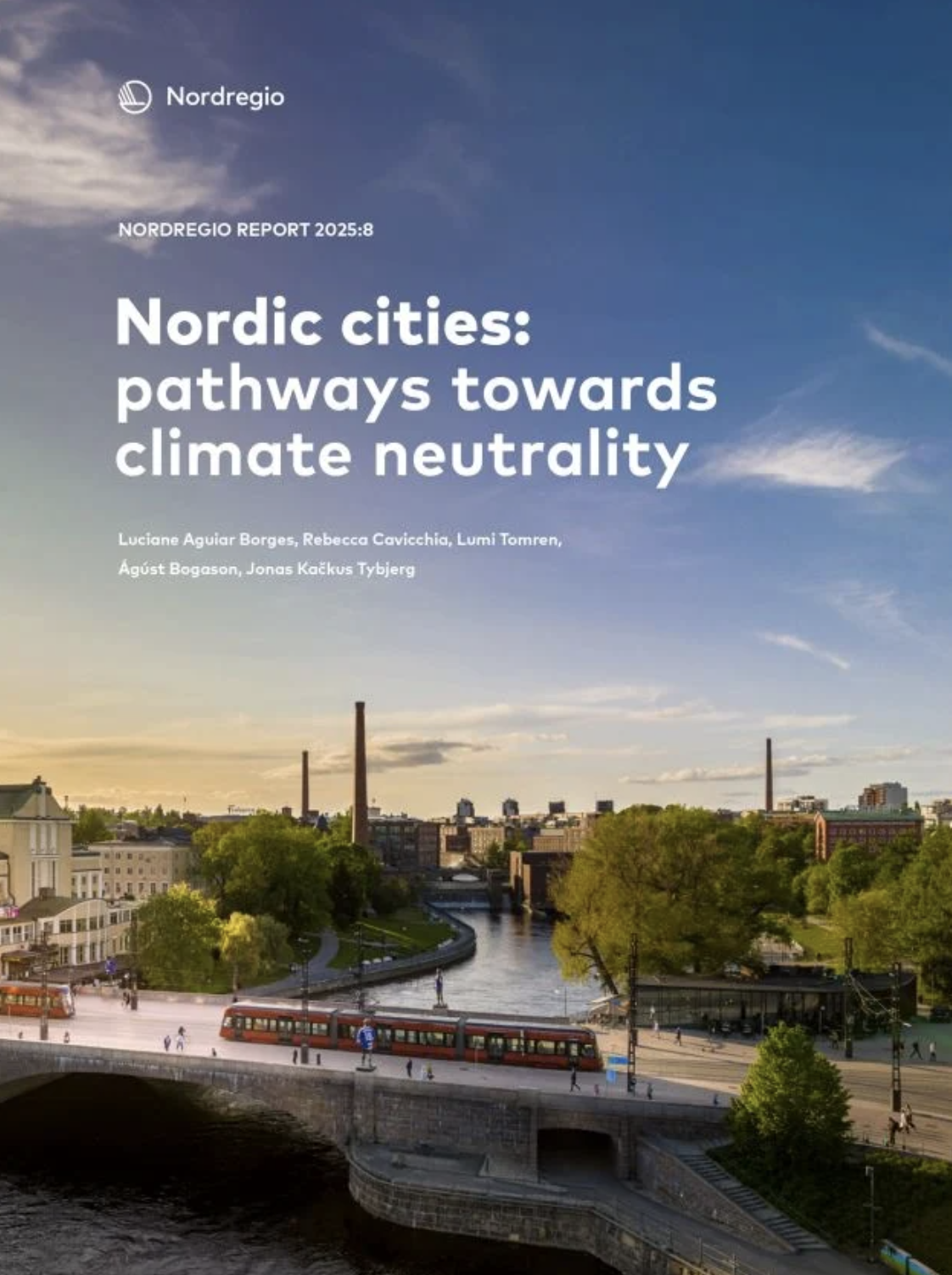
Nordic Cities: Pathways Towards Climate Neutrality details both how outdated national laws limit ambitious climate policies, and how multi-level governance coordination can accelerate progress.
5. Enhancing rural labour markets
Rural labour shortages remain a persistent issue across the Nordic region. Dealing with this challenge calls for tailored strategies, including migration incentives, lifelong learning and leveraging digital solutions.
Here, Strategies to Address Nordic Rural Labour Shortages provides policymakers with six adaptive approaches.
6. Green transitions and local value creation
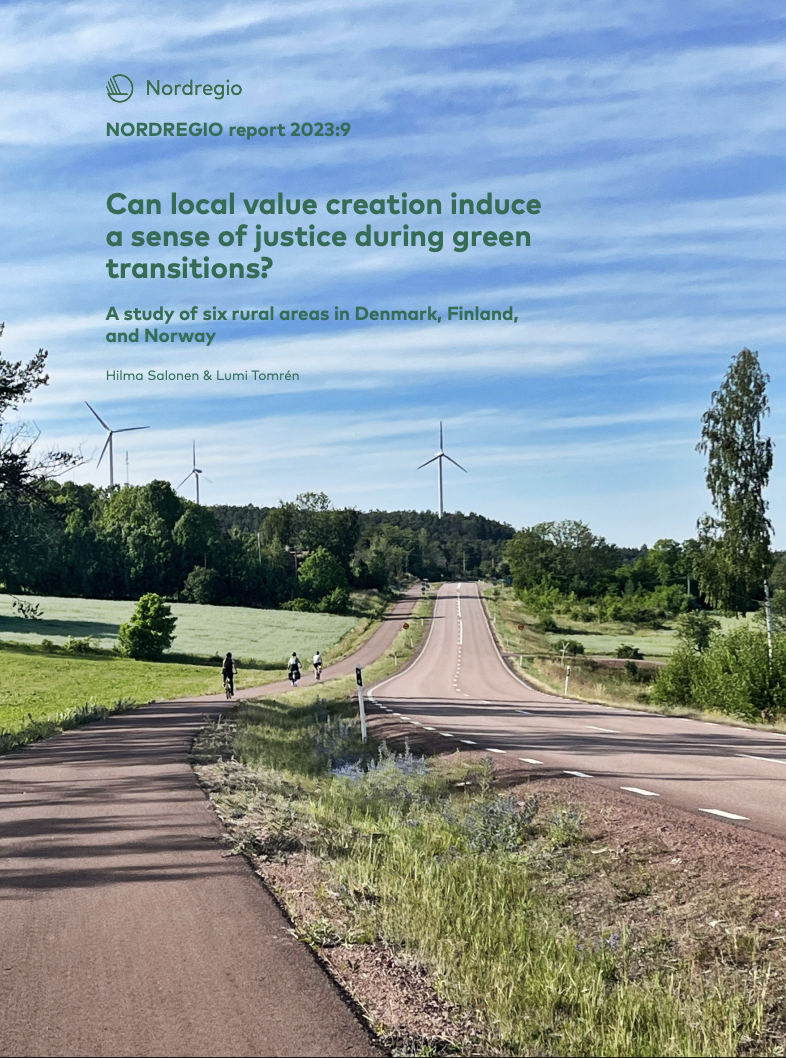
Can Local Value Creation Induce a Sense of Justice During Green Transitions? examines strategies for integrating renewable energy projects in rural areas. In doing so, the report stresses the importance of fostering trust through stakeholder engagement, local ownership and transparent benefit-sharing. Only then can equitable green transitions be assured.
7. Tourism and socioeconomic sustainability
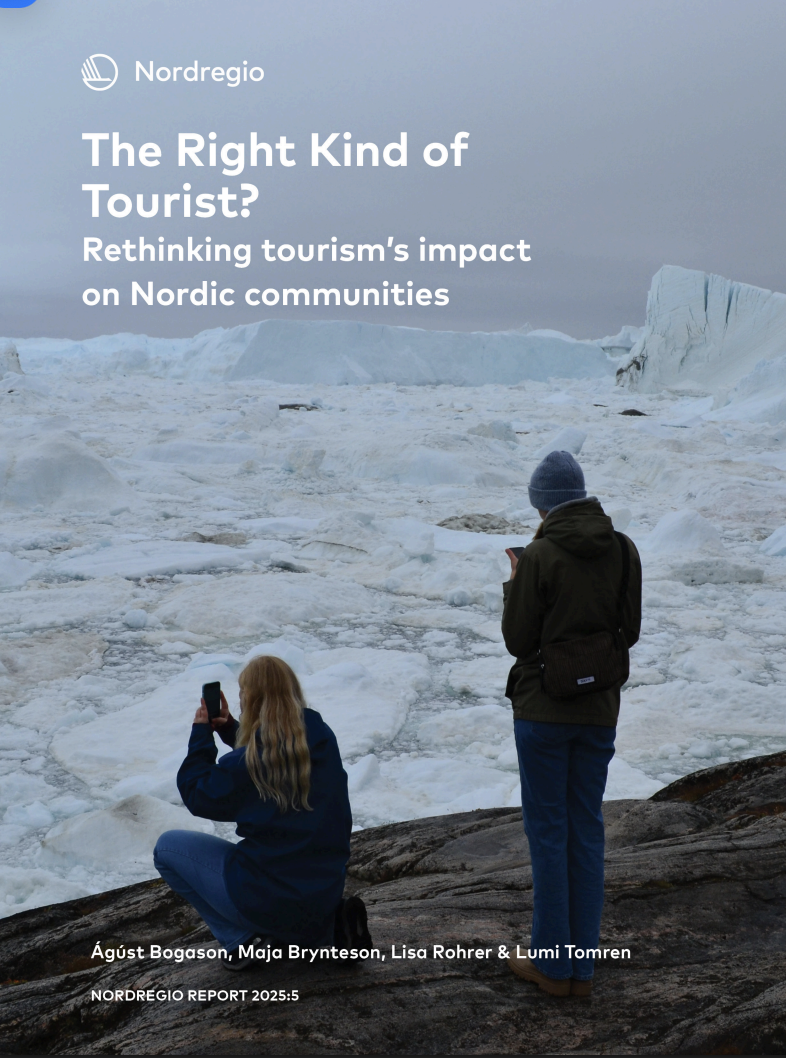
Rural tourism undoubtedly contributes to economic growth. At the same time, maintaining cultural identity and local wellbeing is crucial. In this respect, Nordic policies advocating sustainable tourism practices often fall short in their execution due to gaps between policy objectives and implementation.
The challenges posed by this conundrum are elaborated across eight case studies in The Right Kind of Tourist? Rethinking Tourism’s Impact on Nordic Communities.
8. Collaborative regional leadership
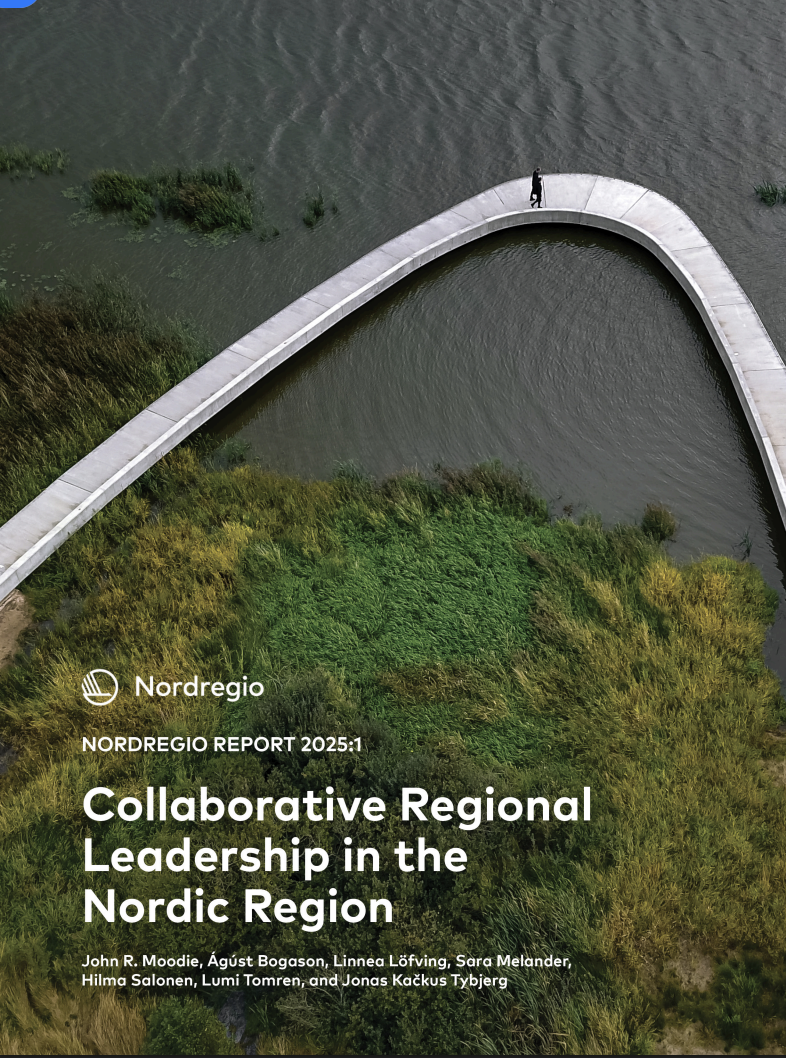
Strong leadership and cross-sector partnerships play a critical role in regional development. Through highlighting relevant enablers and barriers, the four cases in Collaborative Regional Leadership in the Nordic Region point to the importance of long-term governance structures in supporting collaborative initiatives.
9. Adapting to population shrinkage
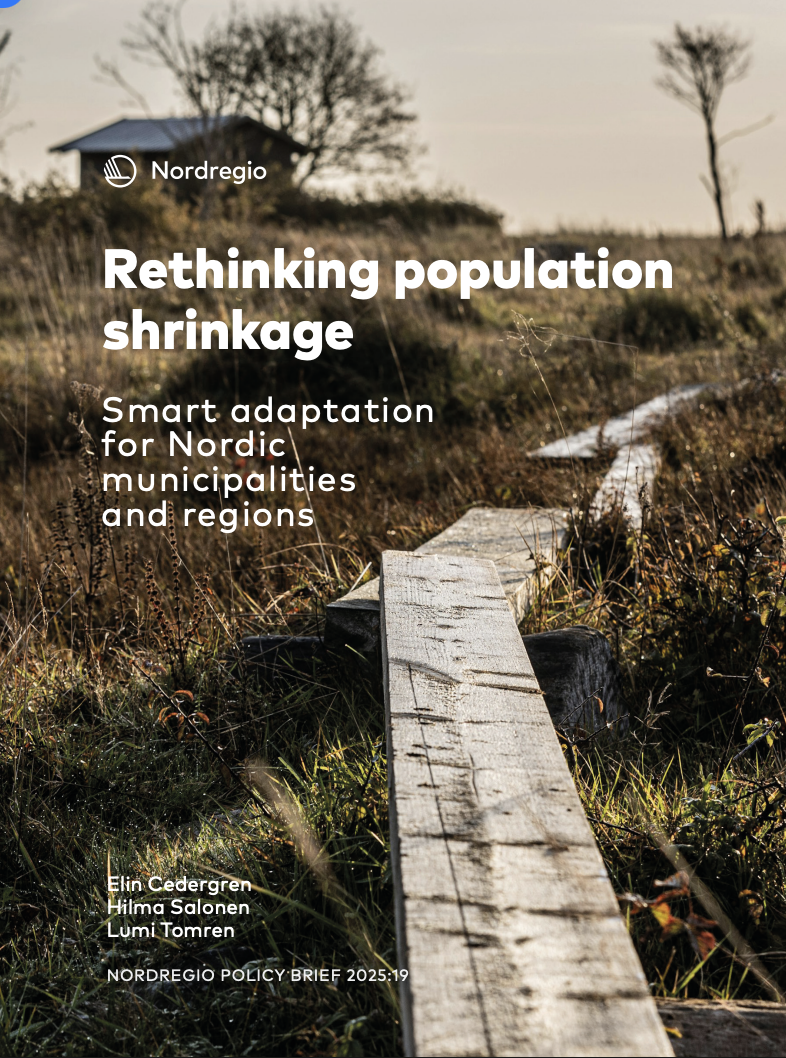
Shrinking populations in Nordic municipalities require innovative planning approaches. This key challenge is the focus of the 34 cases in Rethinking Population Shrinkage. Instead of simply viewing demographic decline as a crisis, regions should apply adaptive urban planning to sustainable services and infrastructure.
10. Mission-oriented innovation policies
Although Nordic innovation policies have moved towards incorporating mission-driven approaches, they remain fragmented in many cases. Denmark, Finland and Sweden are currently experimenting with mission-oriented innovation strategies conducive to better coordination between national and sub-national levels.
Key takeaways
The insights provided by the 113 cases point to the following key takeaways:
- Effective strategy implementation requires policy alignment across local, national and regional governance levels.
- Policy fragmentation remains a barrier to long-term success, regardless pf the fact that the Nordic countries/regions tend to excel in sustainable planning, digital adaptation and cross-sector collaboration.
- Enhanced coordination, knowledge-sharing and data standardisation should be prioritised in an effort to harmonise regional efforts.
Ultimately, the 113 cases provide a valuable resource for any policymaker, urban planner or regional stakeholders working to achieve the Nordic Vision 2030 goal of turning the Nordics into the world’s most sustainable and integrated region.