The cross-border committees
1. Archipelago possibilities in numbers (APIN)
In 2023, Nordic Archipelago Cooperation (NSS) submitted a report on economic benefits linked to archipelago environments. The study, based on the Archipelago Possibilities in Numbers (APIN) project, reported that in the NSS areas of Sweden, Åland and Finland, the tourism industry has not only generated powerful economic effects in recent years, but holds further potential going forwards. Estimates suggest that over the course of a single year (2022), 32 million visitors generated €1,700 million of turnover across the region.
Existing data sources from the three territories were supplemented by mobile data analysis, as it was suspected the official visitor counts fell far short of the reality. Thus, the total number of visits was based on mobile phone positioning data, divided into commercial (e.g. overnight stays in hotels, guest harbours) and non-commercial (e.g. overnight stays in private holiday homes) visits. Calculations were then made of the direct economic value and indirect socioeconomic benefits of the archipelago’s tourism industry: currently, the industry employs 22,000 full-time equivalents and generates €250 million in tax revenue each year.
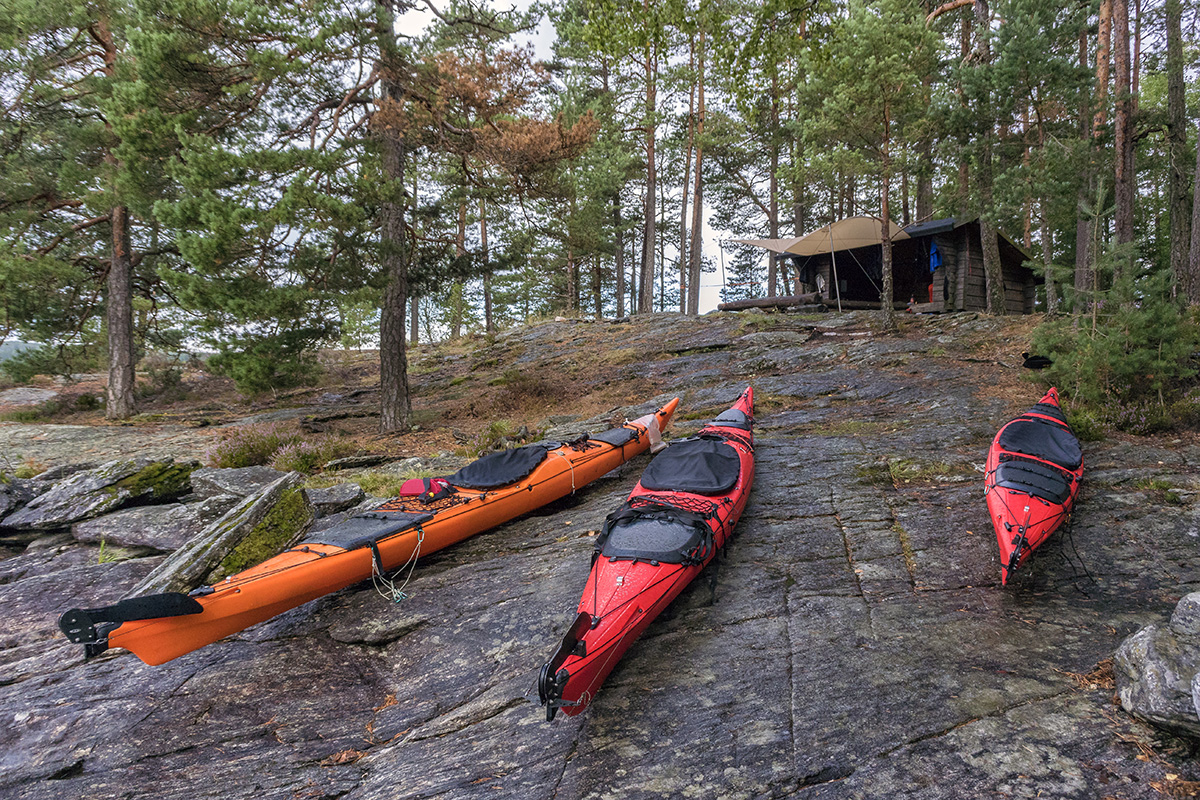
In many parts of the archipelago, tourists tend to restrict their visits to a short period during the summer. Faced with this, the industry has long sought to extend the tourism season. While the broad challenges were already well known, the report was able to translate into figures what it would mean if September matched August for tourist bookings. As Joakim Franklin of consultancy firm WSP, which was responsible for the study, observes:
The same number of visits in September as in August would, all else being equal, mean an increased turnover of €55 million for the tourism industry and an employment effect equivalent to over 9,000 full-time jobs over the course of a month.
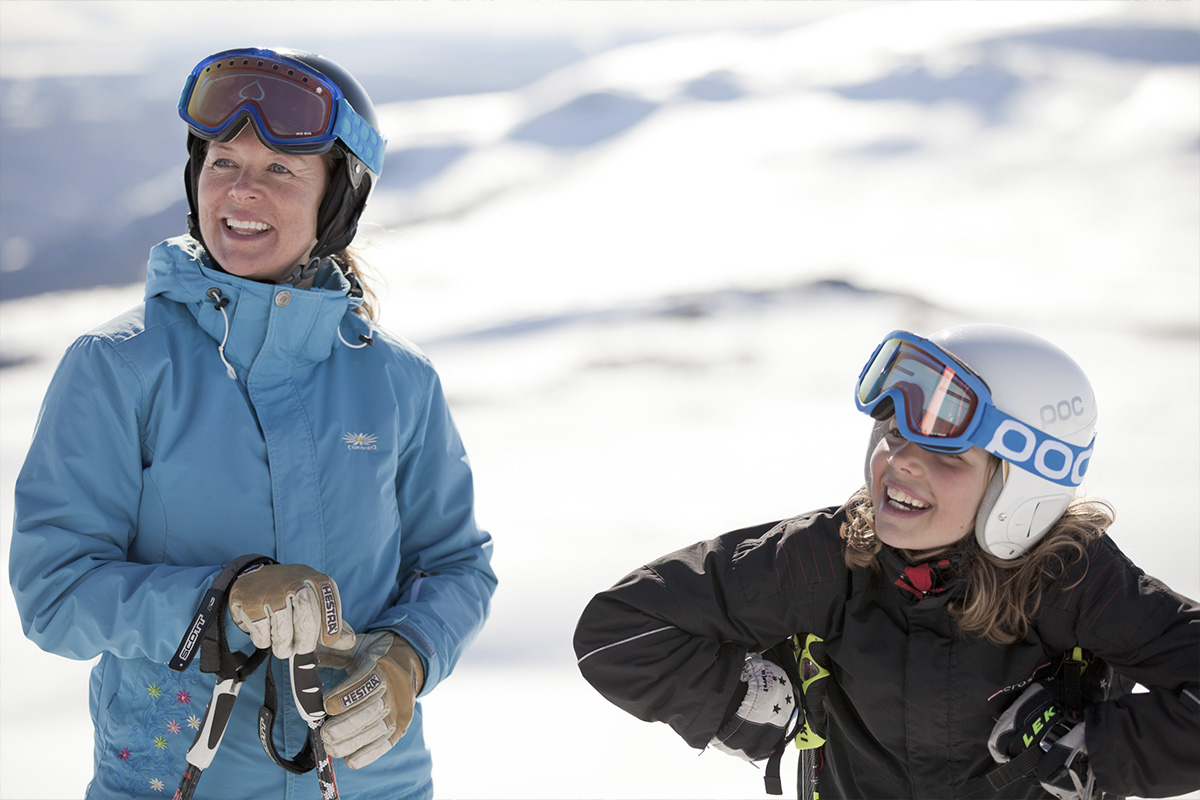
The issue is important from a number of perspectives. For example, if the tourism sector can offer a greater number of jobs and a longer season, then people will be more likely to move to the archipelago. In this respect, Åre in Sweden, which hosts a multitude of ski resorts, is often highlighted. Nevertheless, large seasonal variations put considerable pressure on the environment, infrastructure and – to a certain extent – social sustainability. NSS will continue to address this issue in its future activities and projects.