2. Borderless, secure and vibrant North
Aim
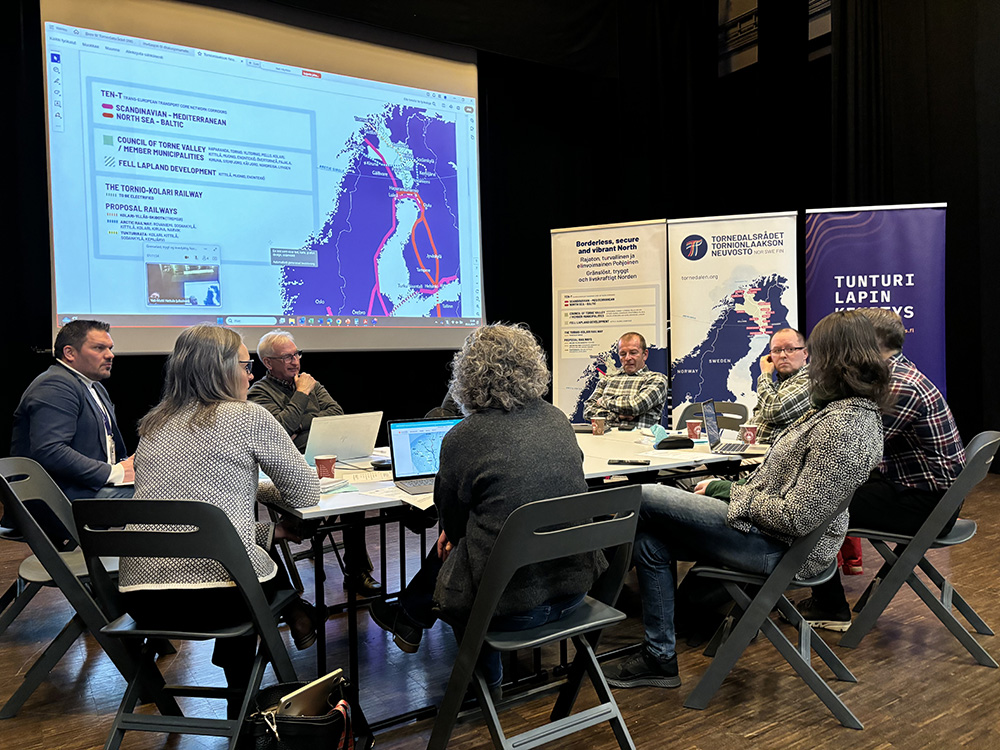
The Borderless, Secure and Vibrant North project project taking place during 2024 sought to arrange a series of 13 meetings at the Council of Torne Valley and Fell Lapland Development Area in Sweden, Finland and Norway. These events aimed to promote cross-border cooperation by giving the parties involved an opportunity to discuss the impacts of planned infrastructure projects on cross-border movement, supply lines and security. In addition, the project spotlighted the preparedness of the border regions’ joint labour market and business areas in the face of potential future crises.
A common thread running throughout the project was the importance of cross-border cooperation. In particular, cross-border transport connections are the lifeblood of these border regions, enabling labour mobility by linking together not only neighbouring municipalities, but the entire Nord Calotte region.
Target
Achieving the project’s goals required the participation of not just the officials and politicians from the municipalities involved, but representatives from a variety of organisations and authorities. Moreover, the content of each event was tailored according to the issues considered most pressing to that municipality.
In the northern municipalities, for instance, the challenges posed to reindeer husbandry by increased traffic and possible new rail connections were discussed. Meanwhile, increased drug smuggling proved to be an important topic in Tornio, Haparanda and Ylitornio. The standout issues to emerge from these discussions are elaborated on below.

Results: Infrastructure and advocacy
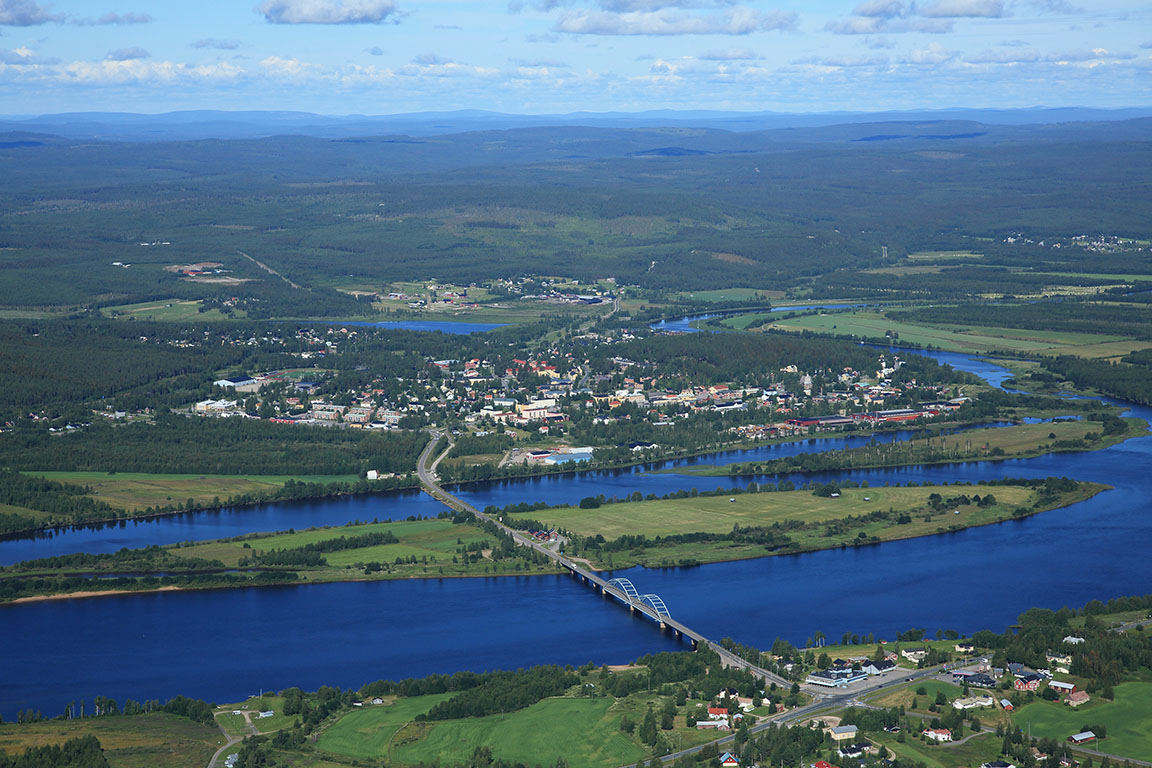
- The bridges over the Torne River linking Sweden with Finland are in need of repair, as they cannot currently support heavy military vehicles. Moreover, bridges without walking and cycling routes pose safety risks due to increasing numbers of tourists who stop in the middle in order to take pictures of themselves straddling the border. Alongside this, there is a need for walking and cycling routes to the Övertorneå-Aavasaksa Bridge, the Pello–Pello Bridge and the Pajala–Kolari Bridge.
- Northern Finland’s road network is also important for maintaining the security of supplies into Northern Norway’s municipalities.
- A prerequisite for new track connections in reindeer herding areas
- A common view is that policymakers do not have a broad understanding of the northern border regions’ untapped potential.
- The geopolitical situation in Europe has changed. As a result, when Finland, Sweden and Norway discuss cross-border security issues regarding supply lines and transport connections, the member municipalities of Torne Valley Council and Fell Lapland Development have increasingly moved centre-stage.
Results: Supply line security and possible future crises
- In terms of preparedness for emergency situations, it is particularly important to ensure the mobility of residents, workers and businesses in border municipalities.
- The Finnish Government’s concept of a ‘border community’
- The increased threat of crises and war should be reflected in the contingency planning of border municipalities. For instance, the Swedish border municipalities are exploring the possibility of receiving refugees from Finland, while Finland’s border municipalities are doing likewise in terms of people fleeing the country’s eastern border.
- It is important that the civilian population is fully prepared for emergency situations, especially in small municipalities in the north, from which there may be long distances, e.g. hospitals, not all official services in their own municipality.
- Cooperation between Sweden’s Police and its Border Guard from Finland (with special troops for border control) is better than ever before.
- Investments are required to combat rising drugs and weapons smuggling in the Torne Valley linking Sweden and Finland.
More generally, the project has led to new cross-border project ideas emerging, cooperation networks being established, and authorities gaining increased knowledge of decision-making, planning processes and preparedness in neighbouring countries.
The project has also facilitated information-sharing on cross-border transport connections, as well as preparedness concerning emergency situations. Nevertheless, much remains to be done to strengthen cross-border cooperation in the Arctic region’s joint advocacy work.
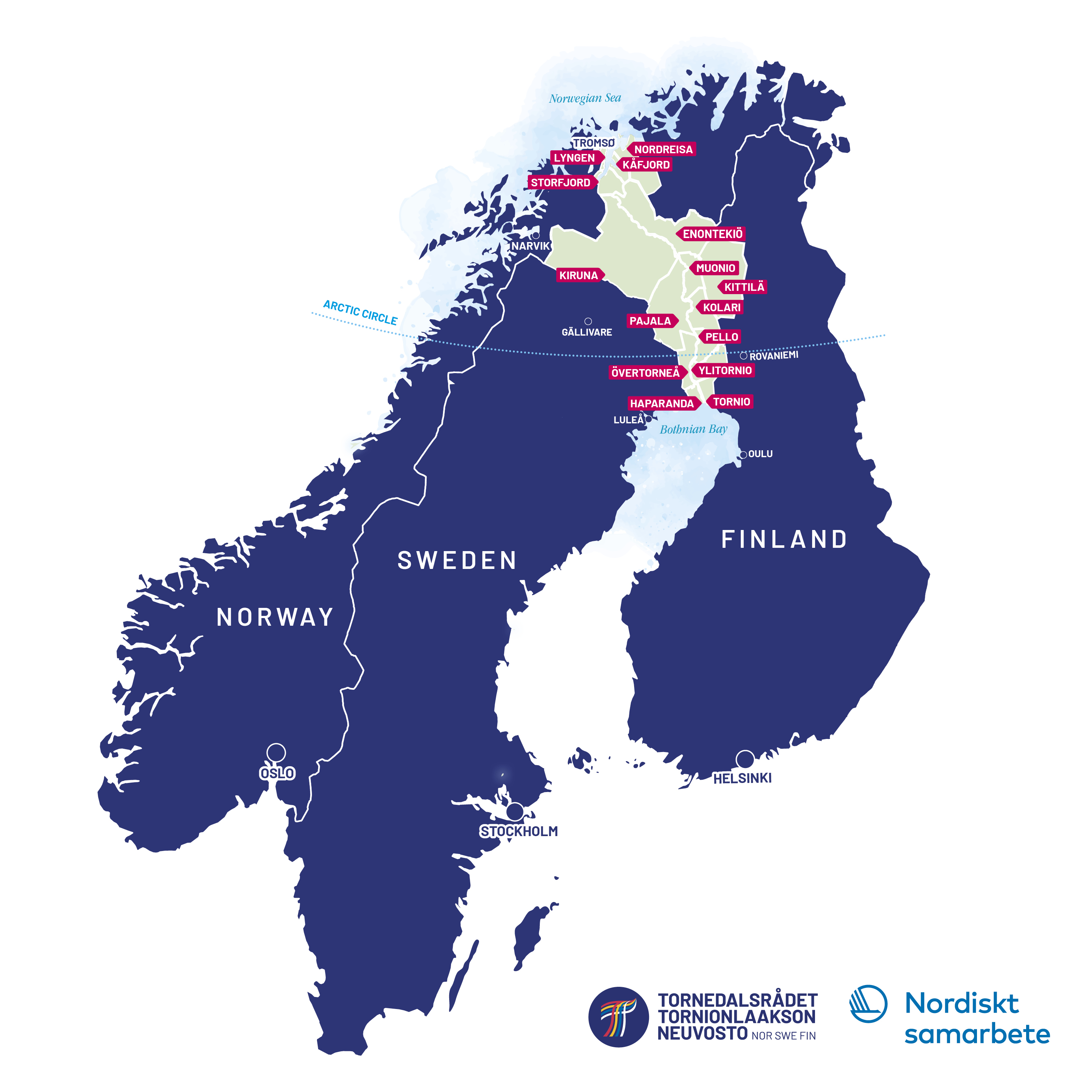
The Council of Torne Valley has 15 member municipalities. These three, Enontekiö, Muonio and Kittilä are members both in the Council of Torne Valley and the Fell Lapland Development: Enontekiö, Muonio and Kittilä.
Source: Tornedalsrådet
Source: Tornedalsrådet