Photo: Christoffer Anias Sandager / visitdenmark.com
Chapter 3. Collaborative Regional Leadership Danish Case Study - Coast to Coast Climate Challenge
The Danish case examines the Coast to Coast Climate Challenge (C2C CC) project, which targeted municipalities and various partners across Region Midtjylland and beyond. Its goal was to develop collaborative solutions for climate adaptation tailored to specific local issues. The case study examines the C2C CC project through the lens of the concept of collaborative regional leadership, examining the key drivers, challenges and enablers of the collaboration. This case study has been conducted by carrying out six semi-structured online interviews with project stakeholders. When choosing interviewees, great attention was paid to their background, position in their institutions and their relation to the project, while trying to maintain diversity. They included employees of Region Midtjylland, various municipalities that participated in the project and water utility companies. To ensure the anonymity of the interviewees, they have been named Interviewee 1 to Interviewee 6 in this chapter. To complement what the interviewees said, elements from reports by C2C CC are included to provide a broader context.
3.1 Overview of key regional characteristics
The C2C CC project was led by Region Midtjylland, a politically governed, regional administrative body in the central part of the Jutland peninsula, which has the core responsibility for welfare and regional development (Region Midtjylland, n.d.-a).
There are five regions in Denmark.
Midtjylland has a population of 1.3 million in 19 municipalities, Aarhus being the biggest city (Region Midtjylland, n.d.-b). The region is mostly rural with small cities and towns. Only municipal centres with populations ranging from 100,000 to 280,000 are considered as larger cities (Befolkningstal 2024).
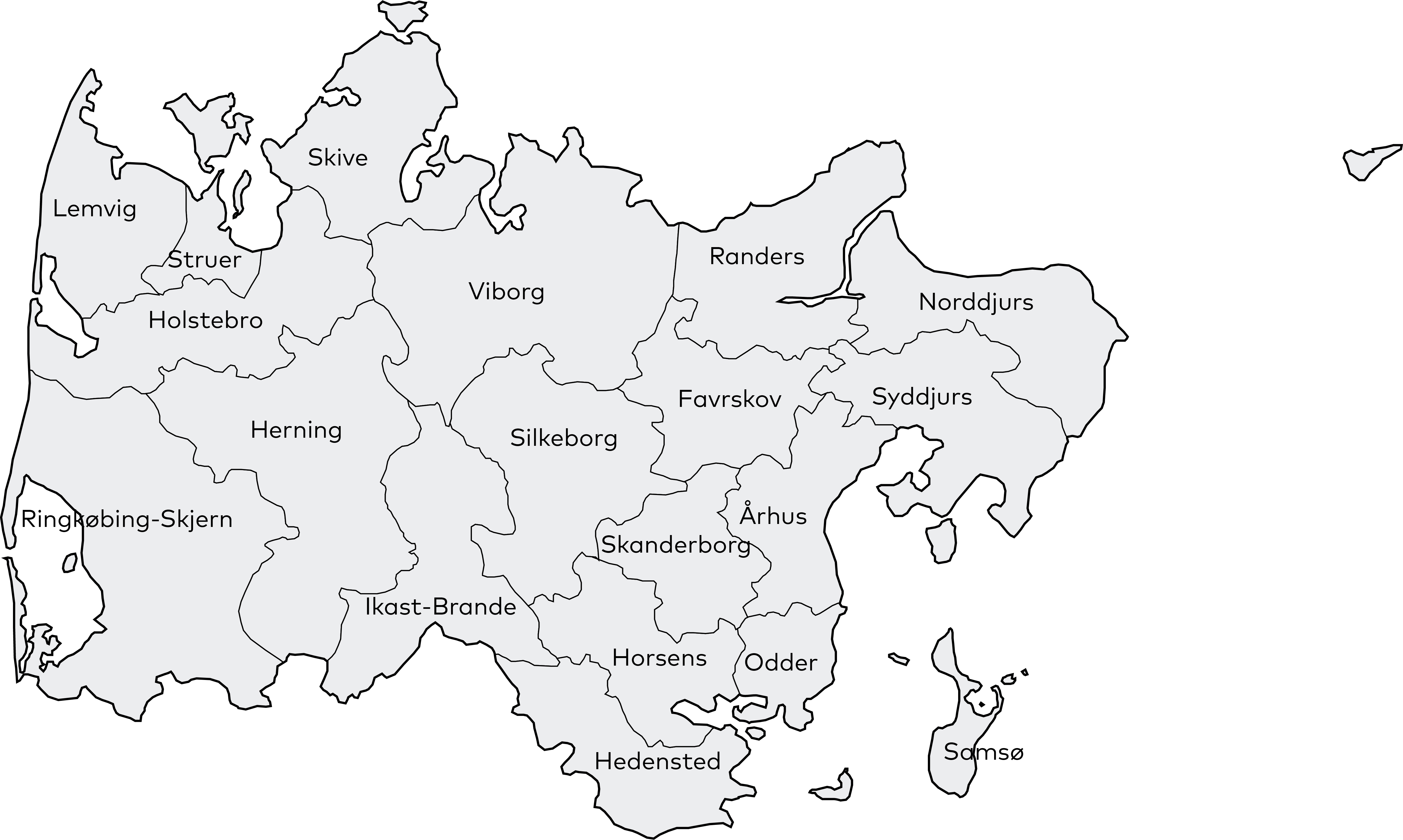
Figure 1. Map of Midtjylland.
The sectors in Midtjylland that employ most people are public administration, education and health (214,000), followed by trade and transport (168,000) and industry, mining and utilities (98,000) (Danmarks Statistik 2024). The average wage is DKK 371,900 DKK p.a. before tax (Danmarks Statistik 2022). Nevertheless, since the region connects the North Sea on the western side and the Kattegat strait on the eastern side, there are significant differences in population and culture. For example, in the eastern part of the region, 37.1% of the population has completed higher education, compared to only 26.7% in the western part. Population density is also significantly higher on the eastern side with 157 inhabitants per km2 compared to 60 inhabitants per km2 on the western side (Region Midtjylland, n.d.-a).
Figure 2. Employment by sector in Midtjylland, 2024 (Danmarks statistik 2024).
Figure 3. Residents' highest gained level of education by municipality in Region Midtjylland in 2022 (Denmarks statistik 2024).
The C2C CC project was built on the pre-existing collaboration between the municipalities and the region, firstly through the national requirement to draw up climate adaptation plans and secondly through a European innovation partnership called “Innovation Partnership on Water”, which stimulated collaboration between authorities, research institutions and companies in the coastal area (Ørsted Nielsen and Wejs 2023). There are also several other platforms for collaboration in Midtjylland on varying topics. For example, the region is part of Klimaalliancen
A Danish partnership to devise a common framework for municipal climate action plans. It is headed by Realdania, the National Association of Local Authorities of Denmark, the five Danish regions, CONCITO and C40 Cities.
See chapter “Future directions of collaboration” for more information.
3.2 Introduction to the case study
C2C CC was a six-year EU-funded LIFE IP programme project from 2017 until 2022 about climate change adaptation in Denmark (C2C CC, n.d.-a). The main aim was to show the potential and added value that climate change adaptation solutions can deliver (C2C CC, n.d.-a). Other objectives included: to formulate a joint long-term strategy among local stakeholders, implement climate adaptation plans in the municipalities, and to identify and improve the resources and capacities of local citizens, municipalities and other stakeholders (C2C CC, n.d.-a). The project had a total budget of DKK 90m, of which DKK 52m came from the LIFE IP programme.
The C2C CC project had four key phases. Phase 1 focused on developing tools. In Phase 2, partners collaborated to ensure the creation of holistic, implementable solutions. Phase 3 addressed the governance aspects of the project. The ongoing After Life phase aims to establish a national organisation dedicated to the ongoing implementation of sustainable solutions (C2C CC, n.d.-a).
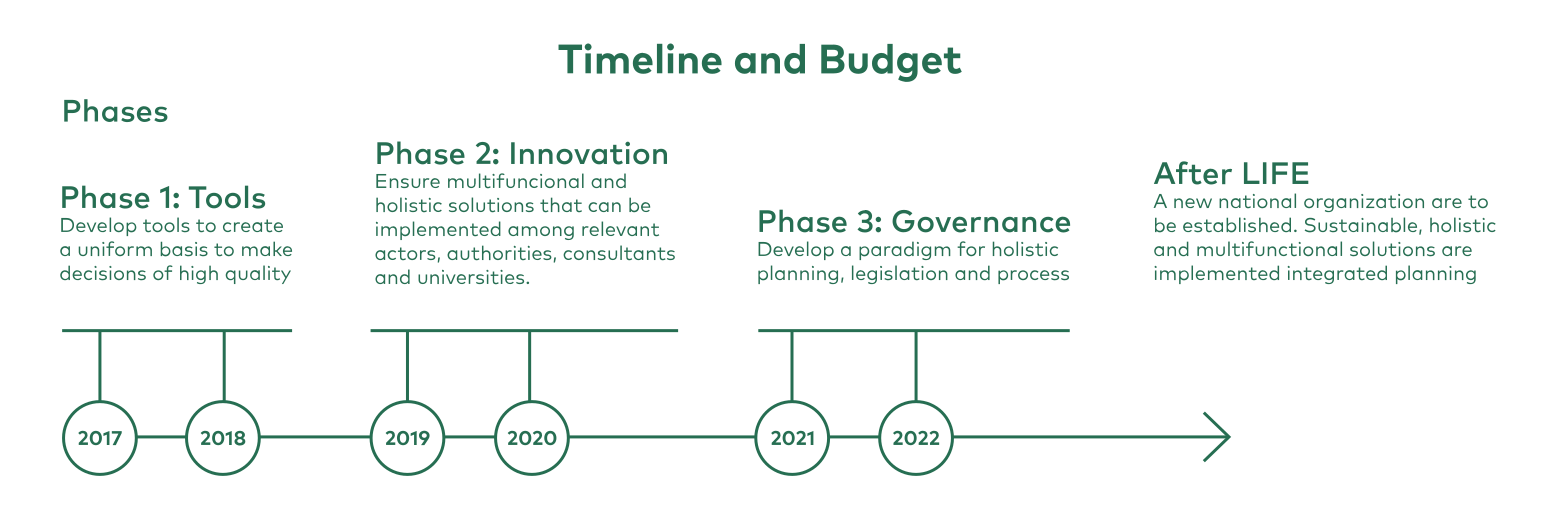
Figure 4. Phases of the C2C CC project (C2C CC, n.d.-a).
C2C CC was a brainwork project, which means that the outputs mainly consisted of plans for implementing the 24 subprojects. The C2C CC project was divided into 24 subprojects that were categorised into four groups – cross-cutting capacity building actions, projects in rural areas, projects in urban contexts, cross-cutting innovative actions (see the full list of projects below) (Interviewee 4 2024). The cross-cutting actions were regarded as overarching thematic projects, which sought to build synergies between the different subprojects addressing specific issues. The 24 subprojects were decided on during the project-application phase and formulated by the partners (municipalities, water utility companies, etc.). They were based on the municipal climate adaptation plans with which the municipalities thought they needed help (Ørsted Nielsen and Wejs 2023).
Cross-cutting capacity building actions: | Projects in rural areas: | Projects in urban contexts: | Cross-cutting innovative actions: |
Sea and Fjords | Håb to Håb | Flood-proofing Horsens' City Centre | AquaGlobe |
Rivers | The Thyborøn Channel and the Western Limfjord | Climate Change Adaption in Hedensted and Tørring | Climatorium |
Groundwater | The River Grenaa Catchment | Randers Climate Ribbon | Permeable Coating |
Rainwater | Randers Fjord | Thyborøn City and Habour | Potentials for increased infiltration in new urban areas |
Governance | Gudenåen | Citizen-driven Climate Change Adaption in Juelsminde | Climate history | Culture history |
Tools | Storåen | Sustainable Urban Drainage Systems | |
Innovation |
Table 1. Coast to Coast Climate Challenge subprojects.
To illustrate how the different subprojects are interconnected, a matrix was developed (see below) (C2C CC 2022). Even though project partners focus on the whole matrix, each subproject has an assigned spot(s) in it. These can be found in the separate subproject descriptions on the project website.
https://www.c2ccc.eu/
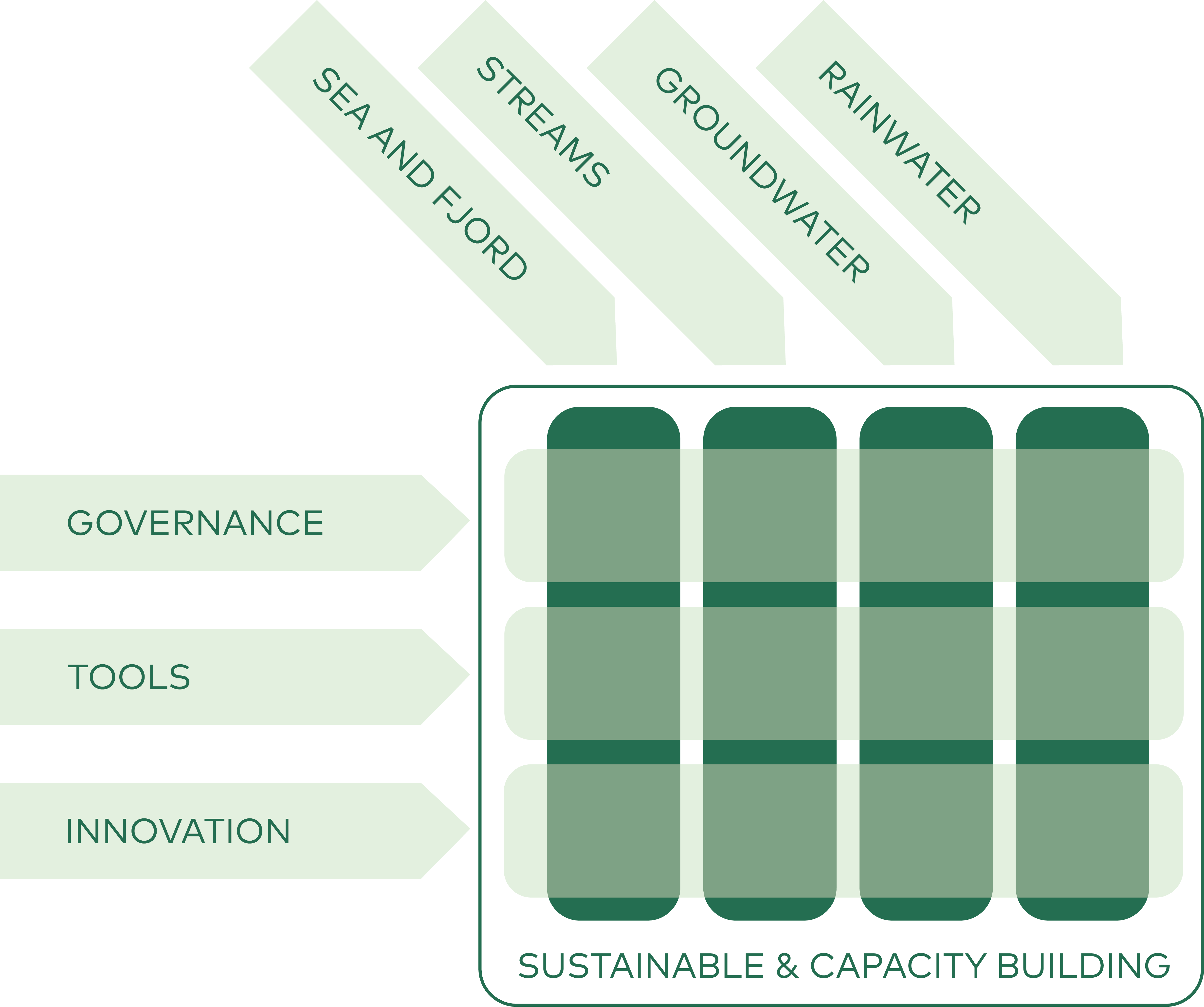
Figure 5. C2C CC subproject matrix (Wejs and Selmer 2022).
There were 31 project partners, most of them being municipalities in the Central Danish region. However, stakeholders such as the Central Denmark EU Office (CDEU), water utility companies and universities also participated. The project was led by Region Midtjylland, an experienced lead partner in similar projects, which made phone calls and organised coffee meetings to encourage stakeholders to participate in the project (C2C CC, n.d.-b; Ørsted Nielsen and Wejs 2023). As one partner recalls, Region Midtjylland had the ability to draw the best out of us <…> I can’t praise the region enough. What they did was so important. It was their characteristics, their crazy talented project managers, they could put themselves in our shoes. They weren’t the authority, they were the glue between us all (Interviewee 6 2024). It should be mentioned that not all municipalities in Midtjylland participated as full partners (e.g. Aarhus). Aarhus municipality was a supportive actor, meaning they did not have a budget or responsibilities but could still take part voluntarily in various activities and hence, gain knowledge. An interviewee speculated that Aarhus refused to participate because they regard themselves as a large municipality,
Aarhus is Denmark’s second largest city.
Concito is the leading Danish green think tank.
The steering committee played an advisory role for the overall project management. It was the leading body, where the chair took key decisions in steering the committee. The chairperson was an employee of Region Midtjylland’s Regional Development department. The steering committee’s remit consisted of setting the course and ensuring progress, providing assistance when needed and making key decisions (C2C CC, n.d.-c). The overall project management was done by the Secretariat, including management of funds, ensuring integration between subprojects, PR, etc. The Secretariat’s staff consisted of employees from Region Midtjylland. The subprojects were run and managed by people from the municipalities or water utility companies that were directly involved in and responsible for the specific subproject. Finally, the advisory committee, consisting of university partners, advised the steering committee, providing feedback and knowledge (C2C CC, n.d.-c).
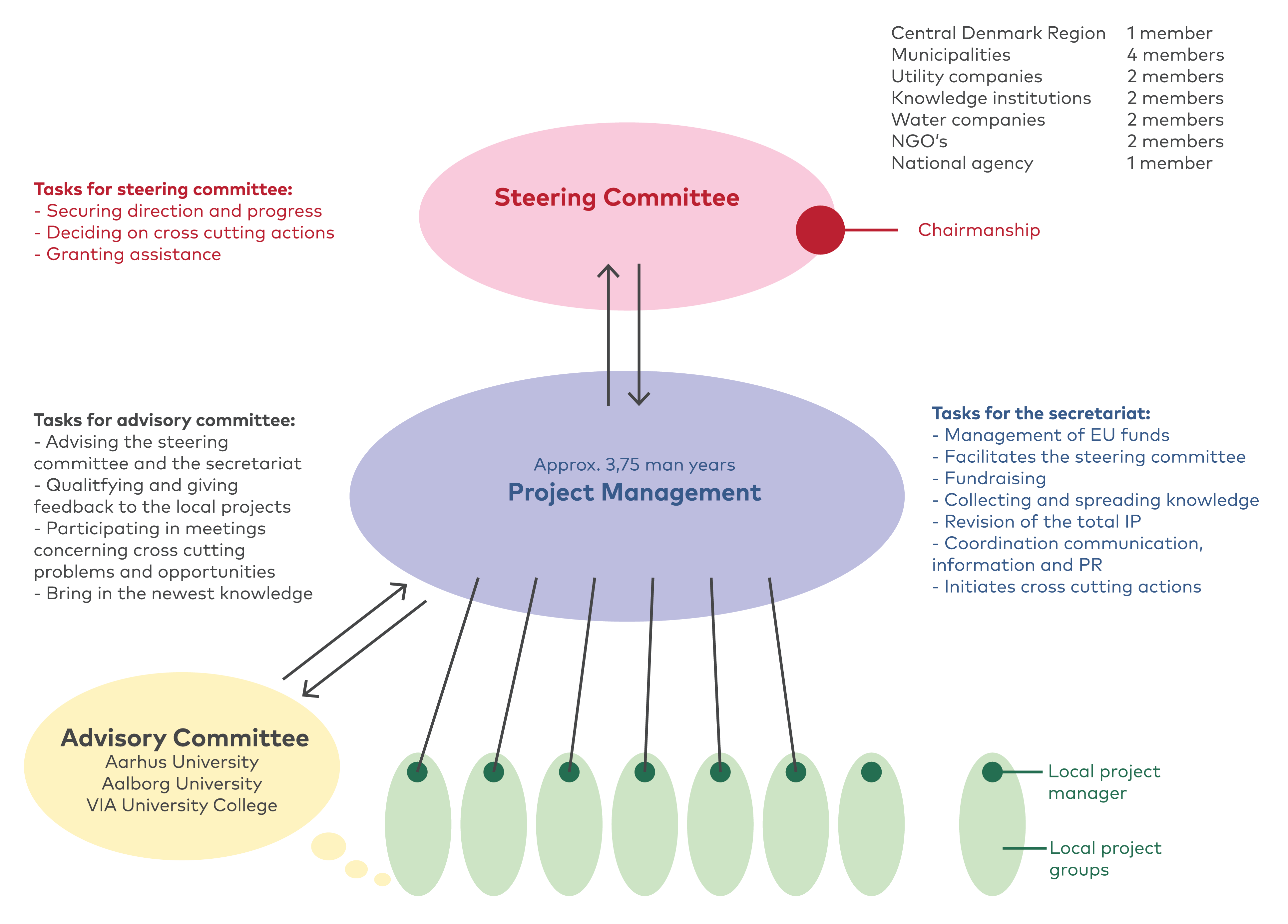
Figure 6. Organisation (C2C CC, n.d.-a).
3.3 Drivers
Since C2C CC was a relatively large project, multiple drivers fuelled it. Firstly, the project, as an idea, emerged from Brussels, where the CDEU office was in close contact with the EU Commission about large environmental and strategic projects. At the time, both the regions and the municipalities were the new outcome of the latest structural-administrative reforms in Denmark and were still in the process of learning how to work with each other, while consolidating themselves in an atmosphere of suspicion and lack of trust (Interviewee 3 2024). Nevertheless, at a conference in the early 2010s attended by the CDEU, the former Commissioner for the Environment stated that there were opportunities for large strategic projects. The CDEU office saw an opportunity because it believed Region Midtjylland had the necessary competences to run such major projects. The CDEU office saw a wide range of possibilities and opportunities and with the support of the Commission pitched the idea of a large-scale project to Region Midtjylland (Interviewee 3 2024). Afterwards, the CDEU, along with the municipalities and Region Midtjylland, began developing the ideas behind C2C CC at various workshops. This brief history of the project’s origins shows that its initial roots stemmed from the EU’s commitment to foster the implementation of the green transition at local level but that without the CDEU and Region Midtjylland’s active engagement, the project would not have been run.
Once the requisite administrative procedures had been completed, contacting municipalities as potential partners began. The overall vision for C2C CC was formulated at a series of workshops. Region Midtjylland acted as the driving force behind the collaboration and as a key facilitator, which is important because EU projects require a leading actor (Interviewee 6 2024), not to mention the fact that the smaller municipalities did not have the capacity or experience to single-handedly manage such large-scale EU projects (Interviewee 3 2024). The fact some people in the municipalities and Region Midtjylland also had contacts in the various utility companies made it easier to identify and pinpoint the most acute issues (Interviewee 2 2024). It was also during the application phase that Region Midtjylland began facilitating the work of the various actors, in particular helping them write applications explaining their ideas and suggestions for subprojects (Interviewee 6 2024).
Municipalities were deeply involved in the initial stage and could also be considered as major drivers, since they were the actors that provided the project with tangible content by suggesting topics for subprojects (Interviewee 4 2024). Most of the specific goals and topics for the subprojects were set in a bottom-up fashion, because the municipalities had the best grasp of local climate issues (Interviewee 1 2024). This proved to be successful, since partners actively suggested what the subprojects should focus on based on their local experience and felt a sense of ownership over them (Ørsted Nielsen and Wejs 2023). Nevertheless, one interviewee stressed that the project was successful because of the balance between well considered ideas suggested by the experts and practitioners from the municipalities (bottom-up) and those from people in regulatory positions who were capable of taking key decisions (top-down) and agreed with the proposals (Interviewee 6 2024). Another project driver was a national regulatory requirement for municipalities to be involved in climate adaptation and draw up a climate adaptation plan by the end of 2013 (Interviewee 4 2024). As the municipalities lacked the necessary competences and resources to draw up the plans, this project was also used to support them and develop their capabilities in climate adaptation. The expectation that they would build competences and that networks involving sectors and municipalities would expand significantly encouraged the various actors to join the project (Interviewee 5 2024). On a formal level, by the time C2C CC began, the municipalities had drawn up their local climate adaptation plans, but now had to be carried out politically (Interviewee 3 2024). In principle, the adaptation plans were the basis for the different subprojects and their goals. In other words, the municipalities could suggest tasks and projects from the municipal climate adaptation plans that required additional resources and which they wanted to initiate as subprojects while also bearing in mind the cross-cutting dimension and why this specific subproject would be relevant for the wider region or the EU (Interviewee 5 2024). As such, even subprojects that involved multiple municipalities were set up in a bottom-up fashion, even though the idea for the project was top-down (form Region Midtjylland and the EU). The project was used as a platform to formalise cooperation across municipal borders and attract additional resources (Interviewee 5 2024). One interviewee suggested that some subprojects were more readily accepted than others, possibly because project partners leveraged their contacts to convince Region Midtjylland to agree to certain suggestions. The formal positions and political influence of the subproject leaders also played a significant role in securing agreement on the topics for subprojects (Interviewee 6 2024). However, this is not to say that other project partners encountered serious problems when it came to having their subprojects approved.
Other key drivers for the project were the constant climate challenges felt in Denmark and globally (Interviewee 1 2024). According to the interviewees, the fact that neither the national government nor local politicians took all of the necessary steps to combat and adapt to the consequences of climate change meant that the project seemed like a good solution from the perspective of Region Midtjylland (Interviewee 1 2024), especially because the region did not have an official mandate to make key decisions on climate adaptation. The current situation became a crucial driver because there was a strong consensus among the project actors that climate challenges are serious and pose a tangible threat to the region. The timing was also good as the partners faced challenges in implementing their climate adaptation plans (Ørsted Nielsen and Wejs 2023). The project’s overall goal of finding solutions to regional challenges with climate adaptation became a driving and a unifying factor in the collaboration.
Based on the interviews and reports published about the collaboration, the main institutional drivers behind the partnership are Region Midtjylland as a leading partner and the CDEU office as a facilitator in the early stages. The national requirement for municipalities to have climate adaptation plans was also a driver as the municipalities did not have the necessary resources to implement them. Climate change, lack of government action and the need for help with climate adaptation were equally important for the smooth running of the project.
3.4 How it all worked
The three main networking activities during C2C CC were coordination, knowledge sharing and training (Ørsted Nielsen and Wejs 2023). While the coordination was primarily done at the subproject level by guiding the various sub-initiatives towards their goals, knowledge sharing and training were anchored in the matrix with the seven dimensions mentioned above.
The original plan was that all of the municipalities in Midtjylland would take part. However, as mentioned above, two showed no interest, while three from Nordjylland joined in (Interviewee 4 2024). Representatives from Region Midtjylland met with officials from municipalities to discuss areas in need of special attention that the municipalities cannot cover on their own (Interviewee 1 2024). All knowledge institutions (universities) that wanted to be a part of C2C CC were also welcome to participate. Some utility companies were invited when it made sense in relation to the municipal subprojects (Interviewee 4 2024).
EU funding meant a certain level of formality was required throughout the project. Certain governing, advisory, budgeting and other structures (the steering committee) had to be set up (Interviewee 3 2024). However, bearing in mind the amount of informal interaction during the project, the formal side (e.g. deadlines) was limited (Interviewee 6 2024). This was partly due to the leading partner, Region Midtjylland, which was also responsible for the administrative side of the collaboration and was good at balancing the formal side with the EU (documentation) and the informal side with the municipal partners and letting everybody know they were always ready to provide help and give advice (Interviewee 2 2024). In other words, when it came to the actual work, a highly informal environment emerged which proved to work well (Interviewee 1 2024).
The municipal teams responsible for the different subprojects tended to hold weekly meetings, a frequency that resulted in effective coordination. On the other hand, some partners considered weekly meetings too frequent and ended up holding ad hoc ones with handpicked participants later on in the subproject (Interviewee 2 2024). However, the whole collaboration had also regular meetings, which were mandated by the EU and took place approximately once a quarter (Interviewee 1 2024). Before the COVID-19 pandemic in 2020, these meetings were held in person and usually took the form of field trips to one of the subproject’s municipalities. In other words, all of the partners came together to experience, get inspiration and learn from each other and the various subprojects (Interviewee 3 2024). The main point of these meetings was to discuss overarching issues that arose as the project progressed (Interviewee 1 2024). The partnership meetings were also used for capacity building and knowledge sharing (Interviewee 4 2024). The interviewees agree that this method was of great benefit to the partnership as it facilitated network building. This approach made key actors aware of the competences of individuals in other municipalities, enabling them to contact the appropriate people for assistance when needed (Interviewee 5 2024). As one interviewee puts it, “It was just the kind of thing you really look forward to going to” (Interviewee 6 2024).
Region Midtjylland did, however, experiment with other types of interaction methods, including workshops, master classes, seminars and international conferences, at which they presented their work to audiences abroad. During the pandemic, C2C CC switched to online meetings which did not cause too much harm to the quality of the collaboration as by that time all the partners knew each other well and had enough time to build a strong social capital and trust (Interviewee 1 2024). On the other hand, the lack of experience in organising online events did pose some challenges initially (Interviewee 4 2024).
Besides these meetings, C2C CC held three conferences at which it made presentations. The first one marked the beginning of the project. The second midterm conference was held at the half-way stage three years into the project and focused on what had been accomplished and what still needed to be done. The third and final conference was used to conclude the project and discuss potential future initiatives, such as Life Act (see chapter Future direction) (Interviewee 3 2024). Region Midtjylland also held occasional thematic meetings with the different subprojects to discuss specific matters that needed to be addressed (Interviewee 1 2024).
A unique aspect of C2C CC was how few collective decisions had to be taken. Since it was an EU project, most of the decisions were taken when the proposal was drafted in the proposal-writing phase of the project, so it was clear what steps needed to be taken (Interviewee 5 2024). Even in the proposal stage, the actors were responsible and had relatively extensive freedom to formulate their proposals. However, when decisions did have to be made at partnership level, administrative issues were rarely raised because most of those decisions were made by subproject teams at municipal level (Interviewee 4 2024). Nevertheless, coordinating subprojects involving multiple municipalities can be challenging due to the larger number of partners involved (Interviewee 2 2024). This makes it imperative that projects have clear goals and guidelines before they start as well as the option to reevaluate decisions at a half-way point (Interviewee 4 2024). It additionally eliminates competition between partners because budgets are allocated in advance (Interviewee 5 2024). One outlier was a situation when Region Midtjylland took decisions as the project leader about the allocation of additional budgets and extra resources. The project partners did not criticise the move because the whole decision-making process was made as transparent as possible and they considered it fair (Interviewee 5 2024).
The collaboration was stressed to have created a truly effective and tight partnership between people, municipalities, knowledge institutions (universities) and the regional authority (Interviewee 1 2024). This resulted in various municipalities and even water supply companies working together to solve similar issues despite being over 100 km apart (Interviewee 6 2024). Since most of the region consists of small and rural municipalities, where budgets are strict and often only one member of staff works on climate adaptation, the ability to consult someone from another municipality can be very helpful when solving issues (Interviewee 1 2024). The municipalities also began using expert knowledge from universities when taking key decisions
Notably Aalborg University, Aarhus University and VIA College University.
According to the collected data, C2C CC stands out with its focus on physical meetings between the actors. Further, the small number of collective decisions that needed to be made throughout the project, led to synergy-building and helped avoid disputes. Last but not least, a close network of connections within the partnership made it possible for people to receive advice or assistance easily and quickly whenever they needed it.
3.5 Challenges
According to the interviewees, the collaboration proceeded smoothly with relatively few challenges and no disputes. Although the study identified some obstacles, these were effectively overcome. This apparent contradiction highlights how positively project partners remember the collaboration. They reported effective communication, close cooperation, and mutual understanding, all of which made a significant contribution to the success of the project. The key player in minimising challenges of the collaboration was the regional authority Region Midtjylland, which was an effective facilitator every time there was a need for it (Interviewee 5 2024). When minor issues were encountered in the form of disagreements that arose in the different subprojects, Region Midtjylland would assist with some specialised input and help the subprojects move on. That said, on most occasions, the subproject leaders were able to handle the situation (Interviewee 2 2024).
Nevertheless, the few challenges that did become evident, were usually administrative or political (Interviewee 5 2024). When two or more municipalities had to work together but had slightly different outlooks, the regional authority would step in to help solve the problem. Examples of administrative disagreements included questions about the allocation of money within subprojects, whether the subproject complies with the administrative laws, whether everybody has done what they promised to do, and whether everything has been reported correctly and in enough detail (Interviewee 5 2024).
Another natural and common challenge relevant to most collaborative partnerships is staff turnover in various departments (Interviewee 2 2024). Due to a constant labour market movement, it is not uncommon to lose partnerships over time. To avoid this, projects like C2C CC need to make sure that they do not become isolated, one-off endeavours. They need to be renewed or reimagined continuously in line with the circumstances (Interviewee 2 2024).
One example of a unique challenge involved two subprojects that ended up being water knowledge hubs – Aquaglobe (responsible for inland waters) and Klimatorium (responsible for coastal waters). The two subprojects were located on different sides of the Jutland peninsula but had relatively similar goals. According to interviewees, the similarities in their areas of interest led to a slight degree of competition at first due to increased pressure to deliver (Interviewee 6 2024). However, Region Midtjylland successfully stopped this from developing into an issue by allocating funds separately after the project was done, in order to incentivise utilising collaboration opportunities between the two subprojects (knowledge hubs) and minimise competition. The goals of the two subprojects were also described in greater detail to distinguish between them. In other words, they were pulled into the project as two, equal value-carrying partners, without one being favoured over the other (Interviewee 6 2024).
Another crucial element in most politically driven projects is the engagement of politicians. For the most part, it was the politicians on the regional and local levels that were the key to solving issues, but in some cases their political interests hindered collaboration (Interviewee 1 2024). As C2C CC involves climate adaptation, stakeholders such as businesses and farmers had an interest in its decisions. In one case, a mayor of a municipality was thought to have been pressured by local interest groups to halt and delay the project’s implementation (Interviewee 2 2024). In another case, Region Midtjylland lost control of part of a subproject with seven partners when a local mayor (one of the partners) chose to act independently and ordered an allegedly illegal cutting of a ditch near a water stream (Interviewee 1 2024). These two cases were reported to the police and became a national case. In these situations, the project's mandate ended, as neither the project partners nor the region had the authority to override the municipality's decision if it wished to proceed differently (Interviewee 4 2024). In other words, political interests made it difficult for this subproject to find common ground for all of the partners to this subproject (Interviewee 3 2024).
Challenges were mostly not evident among project partners that worked on C2C CC but were more frequent on the level of political leadership, especially because there was no consensus, what exactly the region and the municipalities were supposed to have responsibility for. There were also mentions of municipal employees asking Region Midtjylland to help explain to politicians the benefits of the C2C CC project (Interviewee 1 2024). The regional authority tried to build knowledge by explaining to politicians why joint environmental policies are important and what kind of indicators it is relevant to follow (Interviewee 4 2024). However, it proved difficult to make decision-makers listen, as the issue was not at the top of the agenda at that time. Since this C2C CC is a brainwork project, additional funding for the actual physical implementation of some subprojects is required. This was a challenge because the national level had little interest in forming a dialogue at that time,
Both the EU Commission and the US White House invited project partners to present their work.
Participation by the universities also turned out to be a challenge. Originally, they were supposed to be full-fledged partners, but the project was not fully funded by the EU and so partners were expected to accept a degree of self-financing, which the universities could not afford due to budget constraints (Interviewee 3 2024). A partial solution was proposed. Region Midtjylland encouraged the universities to set up advisory knowledge groups, from which the project could buy services such as advice and analyses. According to the interviewees, the universities were still only partially involved, and their full potential not exploited (Interviewee 3 2024). They have, however, published reports about and analyses of C2C CC.
The interviews highlighted that everything worked smoothly with only minimal challenges. The issues that did arise were mainly connected to administrative or political matters, such as difference in funding, a single case of competition over resources, local politicians’ political interests and engagement. The fact that the universities were not full partners was also a challenge.
3.6 Enablers
Several ‘collaboration enablers’ contributed strongly to the success of C2C CC. Firstly, the straightforward nature of this type of project means you have to determine the main financial details in advance, i.e. during the project application phase. As mentioned above, this eliminates any reason for competition and incentivises the collective pursuit of goals and close cooperation throughout the project (Interviewee 5 2024). Therefore, instead of focusing on how to secure as much funding as possible, partners can direct their attention to building a sustainable network. Something similar can be said about the subprojects’ goals. All of the tasks and expected results were set in stone during the application phase, so there was no need to take pivotal decisions during the project period. All the details had already been laid out in dialogue with Region Midtjylland and the subproject leaders (municipalities, universities, etc.) (Interviewee 5 2024; Interviewee 1 2024).
Another key enabler of the collaboration was the project leader. Both the regional authority, Region Midtjylland in Denmark and its EU office CDEU in Brussels, were crucial to the project’s startup and successful implementation (Interviewee 6 2024). The CDEU played the most important role at the very outset by engaging in dialogue with the representatives of the EU Commission, while Region Midtjylland was responsible for the smooth running of the six-year project. As mentioned in the examples above, this primarily took the form of coordination, facilitation and hands-on assistance whenever needed. The project partners all agreed that Region Midtjylland’s experience in such EU projects and high-level leadership skills proved decisive for the success of C2C CC (Interviewee 6 2024).
In general, the project partners had a great deal of respect for each other and considered each other equals. Their admiration for each other’s work was a significant enabler and helped get the most out of the project. Region Midtjylland, which was considered a key element in the partnership, was held in particularly high esteem for its top-class skills in facilitation and problem-solving (Interviewee 6 2024). The exceptional links between the municipalities and the regional authority were not as evident before the C2C CC and are a direct result of it.
The final key enablers were the collective need for competence building, the challenges posed by climate adaptation and the project’s goal of finding solutions for the region. As discussed in the section about the main drivers of the project, most of the actors in the region realise and notice the harsh consequences of climate change, especially during major storms and when streams and rivers overflow (Interviewee 2 2024). As climate adaptation was a completely unfamiliar subject, there was a collective understanding that a project like C2C CC was needed.
To recapitulate, the key collaboration enablers were a combination of the following: excellent leadership by Region Midtjylland, high demand for competence and network building in the field of climate adaptation and early decisions about project funding and goals. These three enablers ensured the project ran smoothly and engagement levels were high.
3.7 Achievements
Undoubtably the most important achievement of C2C CC was the creation of a truly tight network of municipalities and actors (horizontal relations). All of the interviewees agreed on the importance of fostering successful cooperative networks, which have facilitated communication between municipalities because people in different departments have learnt who to contact directly (Interviewee 5 2024). In addition, personal connections and a sense of collective identity make a positive contribution to lasting partnerships between municipalities. As one interviewee recalls, ‘when you enter a meeting room, everybody knows who is who and each other, the atmosphere is just good (Interviewee 3 2024). By organising various events for members of the partnership, the project leader, Region Midtjylland, made a major contribution to these close links and played a key role in building trust among the participants (Ørsted Nielsen and Wejs 2023). To understand the importance of this partnership, it is relevant to look at the administrative history of Denmark. The 2007 structural reform reduced the number of municipalities and replaced the 13 counties with five regions. The municipalities and politicians then allocated a lot of resources to staff and tried to get to know as many relevant people in the field as possible (Interviewee 3 2024). At the time, the newly formed regions and municipalities had to find out what their purpose and role were in the overall national structural system. While geographical proximity between the municipalities led to some dialogue across municipal boarders, it was only when C2C CC was launched that the collaborative potential was fully revealed (Interviewee 3 2024).
Another important achievement of the collaboration was the successful completion of all 24 subprojects, all of which contributed to climate adaptation in one way or another. However, what is most important is that most of the subprojects did not end when C2C CC did. Based on what was done in C2C CC, the municipalities now have the ability and the tools to continue working together beyond what was initially envisaged. Some of the subprojects resulted in actual buildings, e.g. Aquaglobe and Klimatorium, run by two utility companies. Both of the centres have successfully exploited the momentum gained from C2C CC and developed into knowledge centres. The Klimatorium has positioned itself as a national climate centre and potential venue for climate-related meetings (Interviewee 4 2024), while Aquaglobe has partnered with the government to form a sort of national cooperation in water technology and climate adaptation (Interviewee 4 2024). These examples and other subprojects with further potential are discussed in a strategy and an After Life Plan published by the C2C CC project. The plan describes the main principles behind climate change adaptation that could be replicated in the future as well as next steps for the subprojects. Finally, it presents an action plan, which describes how long the different subprojects should be expected to function and what might grow out of them (Wejs and Selmer 2022). The After Life plan highlights the numerous possibilities and underscores the importance of ensuring the sustainable continuation of these types of projects.
C2C CC created a large collection of tools along the way. Many of them were further refined after the project ended and are now being implemented nationally (Interviewee 1 2024). One example is a uniform protection-level assessment tool spanning municipal boundaries, which makes it easier to pay closer attention to non-monetary effects instead of looking only at climate adaptation in financial terms. Another key aspect born out of tool development is a common language for climate adaptation. Drawing up a common strategy at the end of the project allowed the collaboration to show in practical terms that the partners are on the same page when discussing climate-related issues (Interviewee 1 2024). The strategy addresses the lessons learned during the six years, how to tackle climate adaptation effectively by providing five key takeaways and how to work with it on a day-to-day basis (Wejs and Selmer 2022). The C2C CC collaboration is also presenting the strategy nationally to other regions.
Finally, as mentioned previously, the collaboration has published useful reports and analyses about its own partnership and is aware that its good practices should and could be reproduced in other types of partnerships. In fact, since C2C CC was an EU-funded project, there have been several opportunities to convey the project’s results to EU institutions. One of the partners identified contributions made by the partnership in the 2021 revision of the EU’s climate adaptation strategy (Ørsted Nielsen and Wejs 2023). The analysis by Aarhus University, one of the partners supporting the project, led to a document explaining most of the partnership’s aspects, successes and improvements (Ørsted Nielsen and Wejs 2023). Some of their insights are also discussed here to complement the interviews with experts.
The collaboration’s key achievement is the network of like-minded specialists who benefit from each other’s knowledge. Other important achievements included the successful completion of the subprojects, new tools and the publication of reports providing insight into the collaboration.
3.8 Benefits
In general, partnerships and collaborations help build knowledge and capacity and develop new norms (Ørsted Nielsen and Wejs 2023). Compared to conventional governance, they are expected to give rise to more wide-ranging and coherent climate policies and solutions to regional issues because the actors contribute to the collaboration with their own unique knowledge, interests and competences (Ørsted Nielsen and Wejs 2023; Bednar, Henstra, and McBean 2019; Bauer and Steurer 2014; Lee and Painter 2015). To be more specific, C2C CC has identified numerous benefits of large-scale project collaboration compared to working alone or engaging in bilateral cooperation. First and foremost, the main advantage is probably the ability to capitalise on the potential for regional integration by having a systemic and a holistic mindset when planning and running projects instead of having several separate goals (Interviewee 3 2024). This is reflected in the matrix described above (Figure 4), where cross-cutting topics are illustrated to help answer questions about how to create a good governance structure, how to steer these processes, how to create appropriate tools for this, etc. (Interviewee 3 2024). These indicators are not place-based as in most of the subprojects. However, these dimensions allow for a more nuanced means of integration to emerge. In short, the main benefit of such large collaborative projects is that the various partners are forced to think across boundaries instead of focusing on their own issues and geographical area. This is important because municipal borders, for example, are artificial constructs and natural processes and decisions related to them do not necessarily adhere to the municipal boundaries. A decision made in one municipality (or country) can have significant negative impacts in another area, which is why collaboration is crucial (Interviewee 4 2024).
An equally significant benefit is the opportunity for smaller actors to learn from the project leader how to effectively coordinate similar projects. Participation in major projects tends to foster a more positive attitude towards the project team among management and political leaders (Interviewee 6 2024). Another compelling reason to collaborate is to build cross-border connections and learn how various non-state actors, such as universities, can leverage their research departments to develop innovative solutions to address contemporary challenges (Interviewee 4 2024). Even though the collaboration began with a range of strict formalities, it ended with a very tight network of informal partnerships (even friendships) and developed trust between the actors across the region (Interviewee 3 2024).
A third benefit is related to economic optimisation (Interviewee 1 2024). It adds weight to project applications (especially in the EU) when a project leader combines with other partners. Larger projects can attract more funding, particularly if one of the participants in the collaboration is known to be reliable and has experience with similar projects (e.g. Region Midtjylland) (Interviewee 3 2024). It can also lead to a wider range of possibilities during the implementation phase and a greater chance of the project being a success. Lastly, the six-year timeframe gave municipalities a clear direction and enough time to work on their subprojects, whereas shorter and smaller projects can restrict and interrupt actors significantly more (Interviewee 5 2024).
3.9 Improvements
Despite good overall coordination, the collaboration could have benefited from even better integration of the partners, especially when it comes to the different leadership levels and the relationships with the political level. It was hoped that having the National Association of Local Authorities of Denmark as part of the organisation would clear up the debate about the division of labour between the regions and the municipalities (Interviewee 1 2024). Nevertheless, when the subsequent national Life Act project was discussed, the National Association backed out of the discussions, since it took too long to come to specific decisions. In a similar vein, municipalities and universities should also be better at cooperating and finding synergies. Even though the C2C CC partners had access to the knowledge centres at partner universities, the interviewees felt that not all of the opportunities were exploited (Interviewee 3 2024) due to unwillingness on the part of the municipalities to make contact with research institutions, as per the initial idea when the universities were invited to join the collaboration.
Another improvement that was raised was to involve local politicians at a higher level, which could have been achieved if the project had been built up in a way that better reflected their thoughts, needs and political agendas from the outset. C2C CC focused mainly on experts in the field, only inviting in politicians when necessary. Greater engagement by politicians from the very start would have meant a stronger sense of ownership from their perspective and greater opportunities for all of the partners (Interviewee 4 2024). For example, if experts evaluate that a channel needs to be narrowed or rebuilt, the project may fail if the politicians fail to convince people it is necessary. Balancing political power and expertise is a constant battle (Interviewee 2 2024). It is especially important to keep the politicians updated after elections when there has been a change in political leadership, as the new incumbents may be misinformed or unaware of such initiatives, which can lead to problems. Young people and their voices have not been appropriately represented in C2C CC either, and this is expected to be improved on in future projects. One way of doing so is involving the universities to a great extent in the planning and execution phases of the project. It is crucial to involve young people such as university students in these activities as they have a different knowledge set, which can be really useful for the partnership (Interviewee 4 2024).
A final recommendation to emerge from C2C CC is the need to formalise or extend project structures (Interviewee 6 2024). In this case, the project did not stick to its original form and was upscaled to national level under the name ‘Life Act’. One interviewee emphasised that discontinuing a network that has been carefully developed over six years would be a significant loss. Although the networks and former partners still exist, changes in personnel may have a detrimental effect on collaborations. Establishing a regular system for collaboration would mitigate the risk of losing valuable partnerships (Interviewee 6 2024). This is also why it is important to have a partnership structure where the same people are continuously and consistently participating in meetings and networking events (Interviewee 5 2024).
3.10 Future direction
The C2C CC project finished at the end of 2022. Even though the interviewees all agreed that the six-year endeavour was a success, the project revealed areas of the region in need of immediate attention due to constant climate change. While there are several examples of this in the Central Danish region, three of the most acute areas are the Gudenåen river, the Thyborøn Channel as well as the Western Limfjord (Interviewee 3 2024). Based on the conclusions of the C2C CC subprojects regarding the need for transformation in these areas, significant investments (e.g., from the EU) are anticipated. The first indications and rumours of such investments are already emerging (Interviewee 3 2024). Talks about advice and borrowing funds have already been held with the EU’s Investment Bank, which has published the EU Climate Bank Roadmap to support climate-related initiatives (Interviewee 1 2024; Interviewee 3 2024). The Investment Bank was curious about the current situation in the region and did not preclude anything from future discussions.
Even though the KlimaMidt initiative started before C2C CC, it was further developed as a by-product of C2C CC with the capability of fostering collaboration on a broader spectrum of topics (Interviewee 1 2024). KlimaMidt is a structure where Central Jutland municipalities can meet and develop partnerships within the framework of Klimaalliancen (Region Midtjylland, n.d.-c). As part of KlimaMidt, Region Midtjylland has assigned employees to work with representatives of the municipalities on identifying common issues that can be raised at Klimaalliancen (Interviewee 1 2024). The region north of Region Midtjylland, Region Nordjylland, has also been inspired by RegionMidt and set up a similar structure, which is a prime example of how important it is to share knowledge over regional and municipal borders. In a similar vein, competences that have been acquired during the six-year project are still being used, even though the collaboration has come to an end (Interviewee 4 2024; Interviewee 5 2024). A key example of this is how easily the small municipalities were able to write the application for the new Life Act project, thanks to their experience from the C2C CC initiative.
While C2C CC has not been revived in a version 2.0, Denmark applied for funding for a similar project under the EU Life programme, called Life Act (Action for Climate Transition). In summer 2024, it was confirmed that the application was successful and would receive funding for the next eight years. The project has a total budget of DKK 200 million, 60% of which will be covered by the Life programme (Life Act, n.d.). While the new Life Act project is not a direct continuation of C2C CC project, it will try to resemble the original one, albeit on a larger scale. Region Midtjylland will once again act as project leader due to its successful coordination of the previous EU project. The key difference between the first and the second initiatives is that Life Act will not be constrained by regional borders but will cover the whole of Denmark. In fact, the project will include all five of Denmark’s regions, 27 municipalities
There are 98 municipalities in Denmark.
DK2020 was a Danish initiative to help municipalities draw up climate action plans as per the Paris Agreement. The project was headed by Realdania, the National Association of Local Authorities of Denmark, the five Danish regions, CONCITO and C40 Cities.
Attitudes to the effectiveness of the new Life Act project vary between the interviewees, despite them all agreeing it is highly necessary and useful. While some are certain that the project will be as successful as C2C CC, others are more sceptical because of some underlying factors. Firstly, while it is welcomed that Life Act will be implemented nationwide, the move from a regional to a national setting runs the risk of being done too rapidly (Interviewee 6 2024). Additionally, the C2C CC links and networks might be lost due to the large number of actors (Interviewee 5 2024; Interviewee 6 2024). This concern is partly due to the fact that C2C CC is not being continued, so everything is being built from the ground up under a new name.
The interviewees may not have known about the exact objectives of the Life Act project at the time of their interviews.
Another fear was voiced that has been related to a possible new structural reform in Denmark where the regions as structures would be removed or restructured (Interviewee 2 2024). This would be pivotal to the success of future collaborative projects like C2C CC or Life Act because of the crucial role the regions play in facilitating partnerships. On top of that, smaller entities, e.g. rural municipalities, would not have the resources to manage such large projects (Interviewee 2 2024). However, this too is an early concern, that is yet to be justified.
3.11 Conclusions and recommendations
C2C CC exemplifies a success story by demonstrating the benefits and potential of creating an integrated partnership. Before the C2C CC project, the municipalities in the region had fewer opportunities for interaction and collaboration. However, due to active networking during the C2C CC project, the stakeholder interviewees felt that there had been a significant increase in the number of partnerships, a trend they expect to continue (Interviewee 2 2024). C2C CC is, therefore, a good example of collaborative regional leadership in the Nordics. Several aspects of C2C CC deserve to be highlighted and taken into account by future partnerships. The circumstances need to be right before you set up a collaborative structure. For C2C CC, it was crucial that the municipalities in the region were all in a similar situation regarding climate adaptation, all of them were in need of assistance. Paradoxically, having national or regional (EU) requirements without the necessary resources can encourage the creation of collaborative partnerships. A common goal endorsed by all parties is equally important for a successful cooperation.
When the proper conditions are in place, it is crucial to keep in mind that whatever the topic of the collaboration, the main byproduct of a successful topic-specific, project-type partnership will probably be network development. A tight network is highly beneficial in rural areas with few resources, since it accelerates processes and enables more to be done with fewer staff. The aforementioned analysis of the C2C CC partnership also provides a list of recommendations and suggestions based on experiences during the project. While the recommendations are similar to the analysis, it additionally suggests: (1) the need for such collaborative initiatives to be mandatory to follow through without abandoning it midway (as with EU projects), (2) holding regular meetings for municipalities and partners, not just for the subprojects, (3) ensuring full transparency and (4) setting up a secretariat (in this case within Region Midtjylland) (Ørsted Nielsen and Wejs 2023). Building on existing recommendations, our own interviews and findings, we emphasise several key aspects necessary for achieving successful regional collaboration:
- Firstly, make as many of the decisions as possible before the project starts in order to minimise confusion, conflict and competition between the partners and focus on implementation. In other words, it is imperative that as much as possible is considered during the application-writing phase (roles, financial details, responsibilities, ways of working, etc.). On the other hand, it is equally important to hold evaluation sessions, for example, at the half-way stage.
- Secondly, specific subprojects, goals and objectives should be considered in a bottom-up fashion. For the partnership to function flawlessly, support for the ideas from the bottom (municipal employees) has to be properly understood at the top (politicians and managers). In other words, a bottom-up approach with constructive feedback from the top is a good combination when setting the agenda. A middle manager with good connections in several organisations can play a key role at this stage by acting as a facilitator between the top and the bottom.
- Thirdly, a good project leader is essential. Region Midtjylland played an exceptional role in the C2C CC collaboration, and its experience in project management was key for the success of the partnership. A crucial characteristic of Region Midtjylland is that it was always available to provide assistance to partners at every step of the way during the project.
- Fourthly, inclusion of all of the available competent stakeholders capable of assisting with the collaboration at least partially is pivotal (especially knowledge institutions, politicians and young people). Sufficient funding for contingent partners needs to be secured, as they will not all be able to participate without it. Consider partners from outside the immediate region or interest area as well, but be aware that too broad a spectrum of partners might reduce the effectiveness of the partnership. While local politicians need to be involved from the outset so that they have a sense of ownership of the project activities and are prepared to take big decisions whenever necessary, it is equally important to consider that their personal political ambitions could pose challenges to the collaboration.
- Fifthly, organise mandatory in-person meetings where the actors can get to know each other and understand each other’s roles. This will facilitate knowledge sharing later on in the collaboration. Specific human characteristics, e.g. being talkative, outgoing and professional, can also have great positive impact at this stage.
- Sixthly, such kind of collaboration needs to be either recuring or formalised while maintaining a single topic or focus area. If such projects are carried out once and not repeated, over time the developed network will disappear due to people changing jobs. In other words, the created networks need to be nurtured and updated all the time. However, some interviewees fear that collaboration may not be as effective as expected if it becomes too broad.
References
Bauer, Anja, and Reinhard Steurer. 2014. ‘Multi-Level Governance of Climate Change Adaptation through Regional Partnerships in Canada and England’. Geoforum 51 (January):121–29. https://doi.org/10.1016/j.geoforum.2013.10.006.
Bednar, Danny, Daniel Henstra, and Gordon McBean. 2019. ‘The Governance of Climate Change Adaptation: Are Networks to Blame for the Implementation Deficit?’ Journal of Environmental Policy & Planning 21 (6): 702–17. https://doi.org/10.1080/1523908X.2019.1670050.
Befolkningstal. 2024. ‘Største Byer i Danmark’. 2024. https://befolkningstal.dk/stoerste-byer-i-danmark/.
C2C CC. 2019. ‘Interim / Final Report Covering the Project Activities from 01/11/20161 to 31/12/2018 Corresponding to Phase(s) 1 (2017-2018)’.
———. 2022. ‘Coast to Coast Climate Challenge Layman’s Report’.
———. n.d.-a. ‘About C2C CC’. https://www.c2ccc.eu/english/about/.
———. n.d.-b. ‘Partnerne’. https://www.c2ccc.eu/om-c2c-cc/partnerne/.
———. n.d.-c. ‘Projektets Organisering’. https://www.c2ccc.eu/om-c2c-cc/organisering/.
Danmarks statistik. 2022. ‘Hovedtabel Personindkomster Efter Indkomsttype’. 2022.
———. 2024. ‘Beskæftigede Efter Branche’. 2024. https://m.statbank.dk/Data?lang=da.
Denmarks statistik. 2024. ‘Befolkningens Højest Fuldførte Uddannelse’. https://www.statistikbanken.dk/statbank5a/SelectVarVal/saveselections.asp.
Interviewee 1. 2024. ‘Interview Danish Case’.
Interviewee 2. 2024. ‘Interview Danish Case’.
Interviewee 3. 2024. ‘Interview Danish Case’.
Interviewee 4. 2024. ‘Interview Danish Case’.
Interviewee 5. 2024. ‘Interview Danish Case’.
Interviewee 6. 2024. ‘Interview Danish Case’.
Lee, Taedong, and Martin Painter. 2015. ‘Comprehensive Local Climate Policy: The Role of Urban Governance’. Urban Climate 14 (December):566–77. https://doi.org/10.1016/j.uclim.2015.09.003.
Life Act. n.d. ‘About LIFE ACT’. https://life-act.eu/english/about-life-act/.
Ørsted Nielsen, Helle, and Anja Wejs. 2023. ‘Partnerskabet Coast to Coast Climate Challenge (C2C CC): Analyse Af Partnerskabets Performance’. Aarhus Universitet, DCE – Nationalt Center for Miljø og Energi.
Region Midtjylland. n.d.-a. ‘Hvad Er Regionen’. https://www.rm.dk/om-os/hvad-er-regionen/.
———. n.d.-b. ‘Kommuner i Region Midtjylland’. https://www.rm.dk/om-os/hvad-er-regionen/kommuner/.
———. n.d.-c. ‘Regionens Arbejde Med Klima’. https://ru.rm.dk/klima-og-miljo/klima/regionens-arbejde-med-klima/.
Wejs, Anja, and Dorthe Selmer. 2022. ‘Fælles Strategi & After LIFE Plan’. Coast to Coast Climate Challenge (C2C CC).