Photo: Julia Kivelä / Visit Finland
Chapter 4. Collaborative Regional Leadership. Case study: Greenreality Network, South Karelia, Finland
This case study explores the Greenreality Network: a well-established platform for multi-stakeholder collaboration in the green energy and environmental sectors in South Karelia, Finland. Originating from a small cluster of local start-ups, the network has expanded to include members from academia, public and private businesses, municipalities and the regional administration. Through an informal yet organised approach, the network demonstrates how broad collaboration can support innovation and growth in a regional economy.
The case study draws on six semi-structured expert interviews conducted between March and August 2024. The participants were selected because of the active role they played in the network, their responsibilities and the sectors they represented. During the interviews, they were asked to reflect on the network’s drivers, achievements, challenges, opportunities and future directions. The findings of this case study provide insights into and recommendations for multi-stakeholder collaboration in the context of regional development.
Overview of key regional characteristics
South Karelia is a rural region in southeastern Finland, bordering the regions of South Savo, North Karelia and Kymenlaakso, as well as Russia. Two of the nine municipalities in the region have city status: Lappeenranta and Imatra. The surrounding areas consist of smaller towns, villages, and extensive natural environments, including forests, lakes, and agricultural land. Lappeenranta serves as the regional capital and as the main driver of economic and cultural growth in the region.
The population of South Karelia is relatively small, approximately 125,000 (Statistics Finland, 2023). It is also notably ageing, with 29% aged 65+, reflecting broader demographic trends seen across rural areas in the Nordic countries. The two cities in the region have a somewhat younger and more diverse demographic, in particular Lappeenranta, which is home to the Lappeenranta-Lahti University of Technology (LUT), and a campus for the LAB University of Applied Sciences.
Governance in South Karelia consists of municipal councils responsible for local administration, public services and planning, and the Regional Council of South Karelia, which coordinates regional development and works with the municipalities, businesses, and educational institutions to implement regional strategies and oversee the implementation of national policies.
Economically, the region has prominent roots in industrial sectors such as forestry, paper, and metal. Tourism is also important, with Lake Saimaa, Finland’s largest lake, and various historical sites attracting visitors. However, the geopolitical situation has put a strain on economic activities in recent years, particularly since the Russian invasion of Ukraine and the ensuing closure of the Finno-Russian border, which has halted tourism, cross-border trade, and economic cooperation with Russia.
Over the last decade, the region has fostered an expanding knowledge-based economy, with a focus on education, research, and technology-driven enterprises, and has made particular advances in green energy production and sustainable industries. A unique feature of South Karelia is its pronounced culture of stakeholder collaboration. The region benefits from active partnerships between public authorities, private enterprises, and academic institutions. The collaborative approach to innovation is exemplified by this case study, which explores the Greenreality Network – a business-oriented network which has evolved from a local group of entrepreneurs to a wide network of stakeholders across sectors, within and outside of South Karelia.
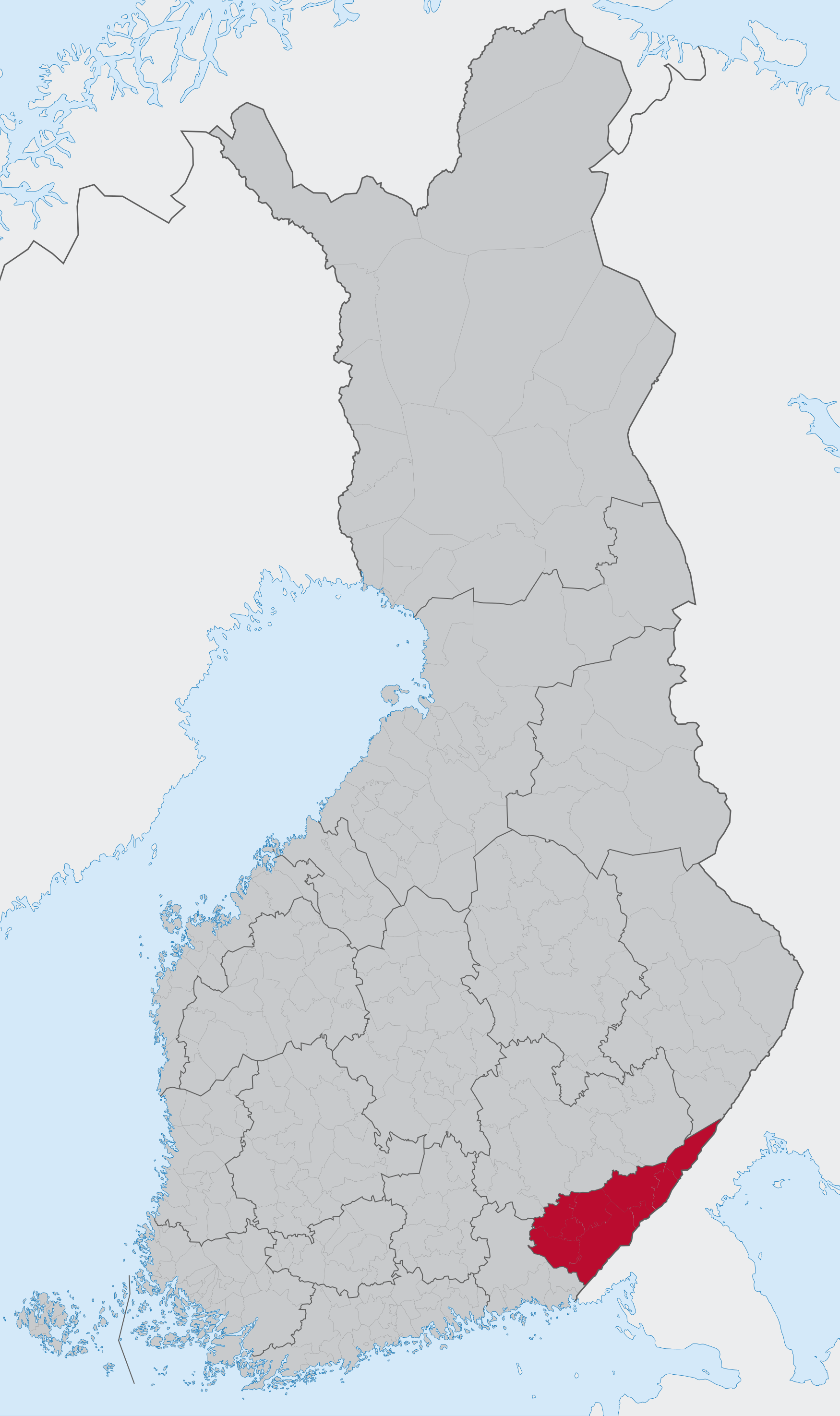
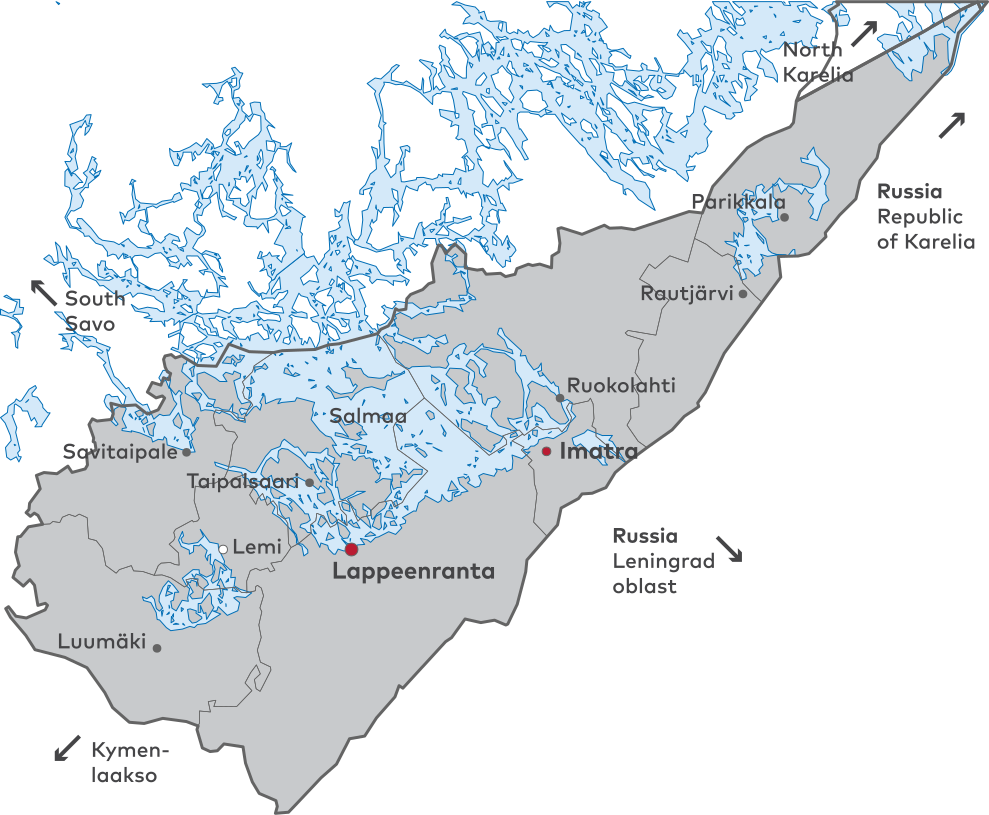
Map 1. Map of South Karelia
Introduction to the Greenreality Network
The Greenreality Network is a business-oriented network focusing on actors in the energy and environmental sectors based in South Karelia. When the network was founded in 2012, its primary goal was to act as a showcase and discussion forum for green energy start-ups in Lappeenranta, as there was an absence of a dedicated platform for this growing sector in the region. Initially, the network’s activities were highly local, focusing on creating connections and familiarising members with one another, but without a distinct vision for the future. Over time, it has expanded into a regional collaboration with 50 members, including private and public companies, the LUT-University, municipalities and the regional council (see Fig. 1). The businesses in the network range from technology start-ups to established corporations operating in global markets.
The City of Lappeenranta plays a central role as the coordinator of the network, while the LUT-university provides a link to on-going opportunities for research and collaboration, bridging the gap between academia and industry. The objective of the network is to increase local and regional investments, promote the member companies, encourage networking and knowledge sharing, and provide a shared platform for innovation. By facilitating the pooling of resources and increasing visibility, the network also aims to position South Karelia as a centre for green innovation in Finland, leveraging the region’s green profile. While most members are still in the green energy sector, the network also includes other industries in the environmental sector organised into thematic sub-groups for sectors such as real estate, transportation and solar energy.
The governance structure of the Greenreality Network follows an informal approach within a more organised framework and is designed to encourage collaboration and strengthen trust between members. As the network coordinator, the City of Lappeenranta manages operations: organising events, seminars, and regular meetings; creating marketing campaigns; supporting members in raising funds; and facilitating collaboration in general. To provide strategic direction and allocate resources, the network has a steering group consisting of representatives from the regional council, the City of Lappeenranta, and member organisations. The steering group has a chairperson and a vice-chairperson, often from well-known corporations, who actively lead on its agenda. While the network operates with these elements akin to formal organisations, it retains a flexible structure, ensuring that decision-making power resides with its members. Maintaining a low threshold for participation is also a central feature of the network, with the annual membership fee kept at a modest rate.
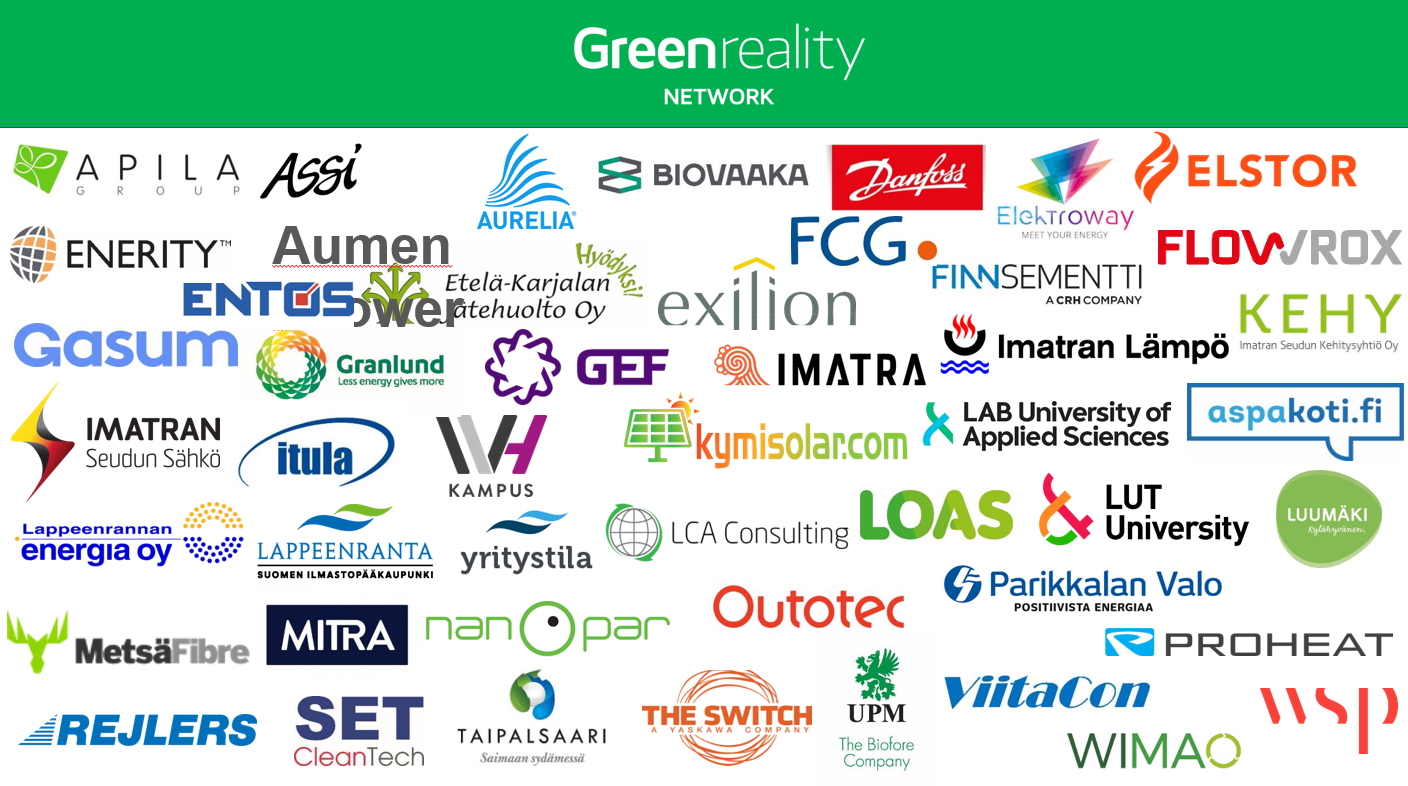
Figure 1. Greenreality Network members.
Drivers
An important driving force throughout the network’s history has been its ability to offer a channel for direct discussions with representatives from the city of Lappeenranta on various issues. The network has facilitated discussions on topics such as zoning issues, permits and public funding, providing a direct link to the city leadership, as well as the LUT-University. Sharing tacit knowledge between industry actors, such as technological discussions and industry indicators, in a way not possible through formal routes, is another key aspect driving collaboration (Interviewee 5, 2024). As cooperation with new partners has strengthened and the Network has joined other national and international networks, its scope has expanded organically.
External factors have also played a role in driving collaboration in the Greenreality Network. Socio-economic challenges, particularly those arising from global and regional crises, have underscored the importance of sustainability and green technologies. The closure of the border with Russia and the subsequent cessation of all cross-border networking activities has further heightened the need for energy self-sufficiency, economic resilience and new business avenues in the region. This context has made the network’s goals of promoting green technology and sustainable practices even more relevant and urgent while also increasing a sense of shared responsibility for the vitality of the region (Interviewee 3; Interviewee 6, 2024).
Lastly, the broader mainstreaming of green energy and the rise of green tech industries have provided a favourable external environment (Interviewee 2, 2024). While the network initially represented a niche industry, the last decade has seen a growing recognition of the importance of green technologies, in Finland and internationally. This shift has heightened interest and increased support for initiatives like the Greenreality Network, facilitating its expansion and attracting new members and partnerships outside South Karelia.
How it all works
The Greenreality Network is characterised by regular and varied interactions. Members have the opportunity to meet several times a year at both formal and informal gatherings. Networking meetings are held four times a year, typically hosted by a member company. During these meetings, different workshops and brainstorming sessions are held to collectively discuss and develop Research, Development, and Innovation (RDI) activities and update members on relevant activities in the region. A general meeting is also organised annually, at which major decisions are voted on, ensuring all members have a say. In addition to these structured events, the network also organises more casual interactions, including social gatherings such as lunches and dinners, which help build personal connections and trust.
Close collaboration between members and the City of Lappeenranta is also prioritised. A key part of its role as the network facilitator is staying updated on the status of each company, such as their growth or pressing obstacles, so their needs are better understood. To do this, structured one-to-one meetings are held once or twice a year, at which members provide input and feedback on network activities and raise emerging concerns, such as advocacy-related issues, land and zoning questions, or their views on collaboration with LUT University (Interviewee 3, 2024).
The collaboration with LUT University also strikes a balance between formal and informal interactions, which allows for flexibility in project organisation and for experimentation. While financial investment in this partnership is not substantial, numerous theses have been written highlighting its impact (Interviewee 4, 2024). The collaboration between members and LUT University is designed to be multidirectional, so the university can present ideas to companies and vice versa. The city also plays an integral role in supporting this collaboration by maintaining an overview and empowering interactions (Interviewee 6, 2024).
While in-person meetings are valued for their effectiveness in fostering relationships, the network also uses digital tools for communication and collaboration. Regular newsletters keep members informed about ongoing projects, upcoming events, and other relevant updates. Digital surveys are used to gather feedback and collect ideas for potential projects. The network consciously avoids overly complex digital platforms, preferring simpler methods, such as emails and Teams, to maintain an informal and accessible communication environment (Interviewee 1, 2024).
Challenges
While the Greenreality Network has not been marred by any notable disputes, challenges and discussions do arise about practical issues and strategic direction. These discussions usually arise from the differing priorities of the diverse membership (Interviewee 4, 2024). With the varied backgrounds and objectives of the stakeholders—including large corporations, small startups, educational institutions, and municipalities—some friction is to be expected. For instance, energy-related issues often dominate the agenda due to the significant number of members from the energy sector, sometimes overshadowing other environmental themes (Interviewee 2, 2024).
Regarding strategy, there has been debate within the network about the level of formalisation needed. While the informal structure is seen as a key asset, some members have raised concerns about the efficiency and long-term sustainability of this approach. The ad-hoc allocation of city resources has been questioned, for example, with suggestions of adopting a more structured and strategic model for resource allocation. However, moving towards a more formal organisational structure could put at risk the flexibility and member-driven nature that currently defines the network (Interviewee 1; Interviewee 2; Interviewee 5, 2024).
To address financial concerns, the membership fee has also been discussed. Increasing the relatively low fee to secure more stable funding has been considered but has been resisted by corporate members because higher fees could potentially exclude smaller businesses or make the membership the first item on the agenda if the need for budget cuts arises (Interviewee 2; Interviewee 5, 2024).
On the practical side, competing interests can occur when prioritising and selecting participants for collaborative projects, especially those involving EU funding. With multiple potential partners vying for limited spots, choosing who to include can be difficult. This challenge is further complicated by concerns over intellectual property rights and competition among businesses. To address these concerns, non-disclosure agreements and one-on-one meetings have been brought in as part of the grant writing process (Interviewee 6, 2024). The network has also taken steps to train members to apply for research funding themselves.
Lastly, growth and new interest in the network raises questions about how it should adapt to change. With activities extending outside the region and new industries emerging in the green economy, discussion about the defining elements of the network–both geographically and thematically–are increasingly topical. While navigating these questions can be challenging, the network focuses on keeping discussions open, accepting compromise and empowering its members to make decisions by voting on them. Addressing these challenges is part of the network’s ongoing efforts to ensure that it serves a purpose and adds value for its members.
Enablers
The Greenreality Network’s ability to thrive is supported by several enabling factors, including a culture of collaboration in the region, effective leadership on the steering committee, and the supportive role played by the City of Lappeenranta.
South Karelia has a longstanding culture of collaboration, the modest size of the region facilitating communication and relationships between stakeholders. The informal and regular network gatherings have further strengthened trust between actors through open discussions (Interviewee 1, 2024). In addition, both public and private actors recognise the financial and demographic strains faced by the region as a challenge for them all, and they share an interest in boosting the region’s vitality and a collective sense of urgency and solidarity (Interviewee 3, 2024).
Good leadership also plays a significant role in the network’s success. The steering committee has been central to the strategic work, with leaders from large corporations serving as chairpersons and bringing dedication and drive to the network. The active engagement of the chairs has been highlighted as a key factor in fostering a culture of trust and commitment among members (Interviewee 3, 2024). The City of Lappeenranta’s supporting role in the entrepreneurial ecosystem around green technologies is also notable. In 2021, the city created a fixed-term position (2021-2027) for a grant writer to help secure project funding and grants, a resource priority rare in Finnish municipalities. The post was set up under the Green Electrification Ecosystem Agreement (2021–2027), a national collaborative project to facilitate green electrification in a range of sectors, and pursues the agreement’s objective of attracting EU funding for local companies (Interviewee 6). The presence of a dedicated project coordinator for funding applications has significantly enhanced the network’s capacity to attract resources for collaborative projects involving public-sector stakeholders, LUT University, and corporate stakeholders. More and more cities are now considering creating a “grant writer” position.
Benefits
Interviewees considered the informal encounters that enable the participants to discover shared challenges and opportunities to be the most significant benefit of the network. Members report that the network fosters trust and open discussion and that regular interactions provide a platform for generating new ideas and sustaining collaboration. Global companies with outposts in the region reported that the network has also helped them become more visible locally, as they may not have had direct connections to individual actors or public authorities before joining (Interviewee 5, 2024). The success of the network is also rooted in the mutual trust among members and the shared visions for the region’s development.
The impact on the regional innovation ecosystem is also a notable benefit, with the network heralded as a role model for collaboration. For instance, the South Karelia Innovation Strategy 2022–2025 states that “new business-driven thematic networks are to be created according to the model of the Greenreality Network” (Regional Council of South Karelia, n.d.). By collaborating with the regional council, the network has taken a strategic role in influencing policies and plans for regional development, advocating for policies that support green technologies and sustainable development. However, as participating in hearings and influencing specific policies is not a core task due to the broad diversity of its members and their interests, the network seeks to ensure broad consensus before engaging in policy discussions (Interviewee 2, 2024).
The active involvement of the LUT University in the network also provides mutual benefits for the institution, students and corporate members. Student organisations and several faculties are actively involved in the operations, and while financial contributions and the scope of involvement may vary, several projects and theses have been commissioned via the collaboration. In addition, collaboration with the university is an advantage when it comes to company recruitment processes, as students are introduced to potential employers before they graduate. The outcome is considered a win-win situation for the stakeholders, and ultimately also benefits the region by stimulating financial growth and helping to retain talent. LUT University, the city, and local companies also use the framework of EU-funded projects to train university students, e.g. writing their master’s thesis and/or gaining work experience (Interviewee 6).
Another benefit of the network has been the marketing advantages it provides. For instance, members attended trade fairs together for the first time in 2024, sharing stands, marketing materials and publications. This tangible example of collaboration helped reduce costs significantly and is an activity that the network will continue exploring in the future (Interviewee 4, 2024). The network has also organised two successful conferences on clean energy and business development (the second one in September 2024). Going forward, the aim is to host an annual conference.
Benefits:
- Greater trust and open discussions through regular, informal interactions among diverse stakeholders.
- Generating new ideas and sustaining collaboration by providing a platform for knowledge sharing and joint innovation.
- Greater local visibility for local and global companies, helping them establish connections with public authorities and LUT-university.
- Influencing regional policies and plans, collaborating with the Regional Council to support green technologies and sustainable development.
- Supporting talent recruitment by facilitating collaboration between businesses and academia, introducing students to potential employers prior to graduation.
- Providing marketing advantages, such as attending trade fairs together, reducing costs and improving collective visibility.
Securing partnerships and funding, particularly through centralised grant writing, which has connected members with European partners.
Achievements
The network has effectively enhanced the visibility of its members both locally and abroad, securing partnerships and funding from outside the region. The dedicated resources for grant writing have been particularly crucial in achieving this, connecting members with partners across Europe. For instance, projects covering smart mobility, energy efficiency, climate adaptation and new material, ICT-solutions, innovation (heat storage) have received funding from EU programmes including Horizon, Interreg and Net Zero Cities. Different thematic research groups have emerged organically, for instance dedicated groups for green hydrogen, urban planning, transport, and building smart energy management. In total, the city has secured funding for seven research projects from the Horizon Europe programme (including Mission Cities) (Interviewee 6, 2024). Bridging the gap between academia and businesses in the region is one of the network’s most notable achievements.
The network has also brought about a significant shift in the mindset of Lappeenranta's city administration, which now focuses on what benefits the whole region rather than just the city. As well as facilitating the Greenreality Network, the municipality has also started organising a diverse set of initiatives that encourage local people and SMEs to commit to sustainable choices and climate-friendly actions.
Improvements
While all interviewees considered collaboration in the Greenreality network to be well-developed and functional, improvement is an ongoing priority. A more formal structuring of the collaboration, such as registering the network as a legal entity, has been discussed as one possible avenue for improvement. However, changing the operational model might jeopardise the flexibility and sense of informality that members value. A delicate balance needs to be maintained to enhance the network’s effectiveness without compromising these key characteristics. Ultimately, any changes will depend on the members, who share the collective responsibility for decision-making.
The interviewees from the region considered that a more systematic approach, with clearly defined focus areas and greater resources for active project management would be advantageous, especially as the network is expanding to include more members and thematic areas (Interviewee 2, 2024). Such efforts could also help stimulate greater involvement by the more passive members, ensuring that all participants derive value from being part of the network, while removing tension about perceived “free riders” (Interviewee 4, 2024).
Expanding the network within and outside the region and building stronger ties with other innovation hubs—e.g. in Imatra, Joensuu, and Kouvola—could also bring significant benefits (Interviewee 6, 2024). However, these improvements would require additional resources beyond what is currently available, highlighting the need for strategic planning and the fact that in securing more base funding is a challenge.
Future direction
In 2023, the network refreshed its strategy. Led by the network coordinator from the city of Lappeenranta, the process involved close collaboration with the chairperson and vice-chairperson to outline main directions, with input and feedback gathered from the steering committee and network members in an attempt to reflect the needs of the latter. The strategy states general objectives and outlines tangible measures for the future.
One key strategic priority is to offer members more practical support, especially to enhance their knowledge of corporate responsibility and sustainability reporting. These areas are particularly important as funding bodies increasingly consider such aspects when making investment decisions and many of the members also want to stand out as industry leaders. Besides increasing funding and investment opportunities, members consider it valuable to be prepared for stricter requirements in the future.
Another key strategic focus is to ramp up efforts to increase the visibility of the members, particularly strengthening their digital presence. Some voluntary initiatives and social media campaigns have already been launched, including short videos in which members discuss the benefits of the network and provide insights into their companies. As mentioned earlier, attending industry events together has also provided a marketing advantage.
While there have been slight strategic adjustments over the years, the network’s core principles remain focused on open collaboration between businesses and public entities in the energy and environmental sectors (interviewee 3). Although tangible outcomes are difficult to predict, interviewees considered that the members’ senses of shared responsibility and commitment to find collaborative solutions for the region have been heightened, especially in light of the recent border closures. As such, the benefits and achievements of the network might become even more evident in the future.
In summary, the network will continue to strengthen the ways in which it collaborates by responding to the needs of its corporate members, while opening itself up to further geographic and thematic expansion. By doing so, the network aims to create a resilient and dynamic environment for collaboration that will be capable of adapting to changing circumstances and support the sustainable growth of its members.
Best practices
The Greenreality Network demonstrates the power of bringing together diverse stakeholders, including businesses, academia, municipalities, and public organisations. By creating a platform where different actors can collaborate, exchange knowledge, and pool resources, the network has been able to drive innovation and economic growth in the green energy sector. Key takeaways from this case study are highlighted below:
- It is best to build trust and commitment organically, over time and on the basis of what members of a network view as meaningful actions. Once this base has been established, it should not be taken for granted but nurtured.
- Sometimes more funding opportunities are available to small organisations and municipalities than they have resources to apply for: collaboration models such as setting up a grant writer position for a larger network can make attracting funding more efficient.
- The new hybrid reality of work and living enables us to understand regions in a more flexible and broader way, transcending traditional administrative borders. Collaborative networks can tap into this to extend their outreach.
References
Interviewee 1, representative from the City of Lappeenranta, 2024
Interviewee 2, representative from the Regional Council of Southern-Karelia, 2024
Interviewee 3, representative from the City of Lappeenranta, 2024
Interviewee 4, representative from the private sector, 2024
Interviewee 4, representative from the private sector, 2024
Interviewee 5, representative from the private sector, 2024
Interviewee 6, representative from the research and innovation sector, 2024
Regional Council of South Karelia. (n.d.). South Karelia Innovation Strategy 2022–2025. https://liitto.ekarjala.fi/wp-content/uploads/2024/03/INNOVAATIOSTRATEGIA22_25_EN_screen.pdf
Statistics Finland, Key figures on population by region 1990 – 2023.https://pxdata.stat.fi/PxWeb/pxweb/fi/StatFin/StatFin__vaerak/statfin_vaerak_pxt_11ra.px/table/tableViewLayout1/