Photo: The UNAK campus in Akureyri Town. Source: UNAK website
3.4 University of Akureyri, Iceland
UNAK – a young, remote university with an impressive growth record.
“Teaching was conducted in two rooms in the sports arena in Akureyri.”
(UNAK website)
The University of Akureyri is located in the north of Iceland, in the country’s second largest city. From small beginnings in 1987 with just 31 students in two faculties, it now boasts nine faculties, 2,800 students and 180 teaching staff (Figure 2). Today, UNAK offers a wide range of undergraduate and graduate programmes across three schools. These programmes span various disciplines, including social sciences, media studies, nursing, occupational therapy, teacher training, biotechnology, law, police science, modern studies, psychology, fishery studies, computer science and business administration. Graduate programmes are also available in teaching, psychology, health sciences, social sciences, business administration and resource studies. Notably, UNAK became a fully comprehensive university in 2017 when it gained the authority to offer doctoral studies, marking a significant milestone in its development. A university representative proudly reflected on this achievement, stating,
"We have already graduated five PhD students, which for us is a huge success."
The university has also defined the ambitious goal of providing a flexible educational model tailored to the regional diversity of Iceland. As a UNAK representative noted in an interview,
“UNAK has specialised in blended and distance learning, meaning all our programmes are available both on site and through distance learning. Students can choose either option and our teachers must be able to deliver education in both formats."
(Interview 1)
To ensure the success of this flexible learning approach, UNAK invests heavily in supporting its faculty. Teachers receive extensive resources and training, including assistance with online platforms, hybrid curriculum design and innovative teaching methods.
This commitment to flexible education enables UNAK to serve students across Iceland, including those in remote areas, while maintaining its focus on quality and accessibility.
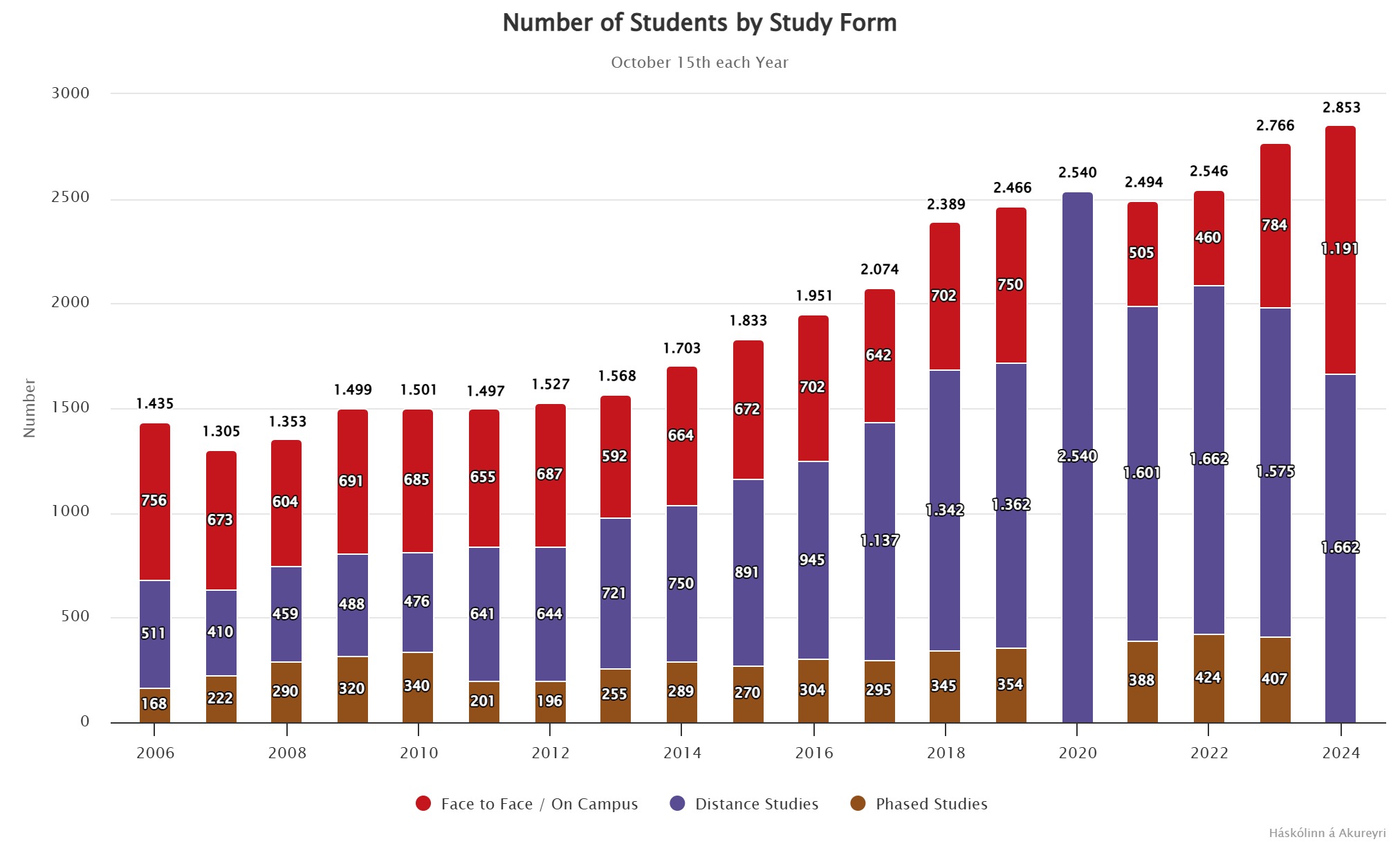
Figure 1. Number of students at UNAK by study form. Source: UNAK website.
A local university with an international perspective …
“Contributing to the growth and prosperity of Icelandic society in an international environment”
(Strategy of the University of Akureyri 2018-2023)
Broadly speaking, it may be fair to say that the university sees itself within a national and indeed international context rather than as a “local” university. In its strategy document for the years 2018-2023, the university outlines its priorities:
“The University of Akureyri is one of the primary educational and research establishments in the country and is an active and respected participant in the Icelandic and international academic community”, along with “working with industry on innovation and strengthening of entrepreneurial thinking in the community”.
… serving local communities across the country
“From the start, and still today, our focus has been on educating specialised workers for communities outside the capital area, in fields such as business administration, nursing and teaching. These programmes have helped ensure that small communities have access to qualified professionals without requiring them to relocate.”
(Interview 1)
UNAK can be described as an educational facility serving all small communities across Iceland. Its approach emphasises understanding and addressing the needs of all small communities, rather than concentrating solely on the specific requirements of Akureyri. This has implications in many areas of university administration, particularly in the selection of programmes. The focus has been on the needs of small communities in general rather than the specific needs of the district in which the university is situated – though, of course, those needs may be very similar.
A key element of UNAK’s strategy is the establishment of learning centres across Iceland, enabling students to follow the university’s online courses while staying in their local communities. These centres not only provide access to education but also serve as meeting places for local employers, further integrating education with local development. By allowing students in remote areas to earn professional qualifications that are in demand locally, UNAK enables them to remain in their communities, reducing the need to relocate for educational purposes.
UNAK’s distance learning opportunities are available to individuals of all ages (Figure 3). This flexibility allows adults to develop skills within their current professions or even retrain in a new field. An interviewee remarked on the success of this aspect of UNAK’s work, stating,
“I believe the University of Akureyri has contributed significantly to increasing the proportion of higher-educated individuals in smaller communities. People don’t have to move away anymore.”
(Interview 1)
This approach opens up education to a broader range of people, helping meet the diverse needs of Iceland’s smaller communities.
Integration with the local labour market and community
To explore the relationship between UNAK and the local municipalities within its region, we spoke with the Association of Municipalities in Northeast Iceland, the region where Akureyri is located. The interviewee emphasised the role that UNAK has played in the region – from an early stage, it recognised the importance of offering education remotely, which has been a game changer for people in rural areas. UNAK’s initiative has not only benefited Akuryeri and the surrounding region but has also opened up opportunities for students all over the country (Interview2).
While the interviewee acknowledged that UNAK has sometimes felt "like an island of its own in the town", this dynamic is starting to shift. Local municipalities were invited to participate in the discussions that shaped UNAK's new strategic plan and they are now contributing in various ways to the infrastructure development needed to support this plan. The interviewee cited the computer science degree programme as an example of a successful initiative developed partly in response to pressure from the local business community. The interviewee emphasised the potential for further growth, particularly by expanding applied engineering courses to better meet the region's technical job demands. The strong relationship between the university and local businesses is evident, as local companies frequently turn to the association when seeking to hire students.
The student union representative further explained that UNAK’s relationship with local businesses and industries is mutually beneficial. Local companies in the Akureyri area often contact the student union to advertise job opportunities and training placements, which are then forwarded to relevant academic committees in fields such as psychology or nursing. While most of these opportunities come from the local area, the interviewee noted that openings are also available across Iceland. This local engagement helps students gain practical experience and secure employment, strengthening the ties between UNAK and the communities it serves (Interview 3).
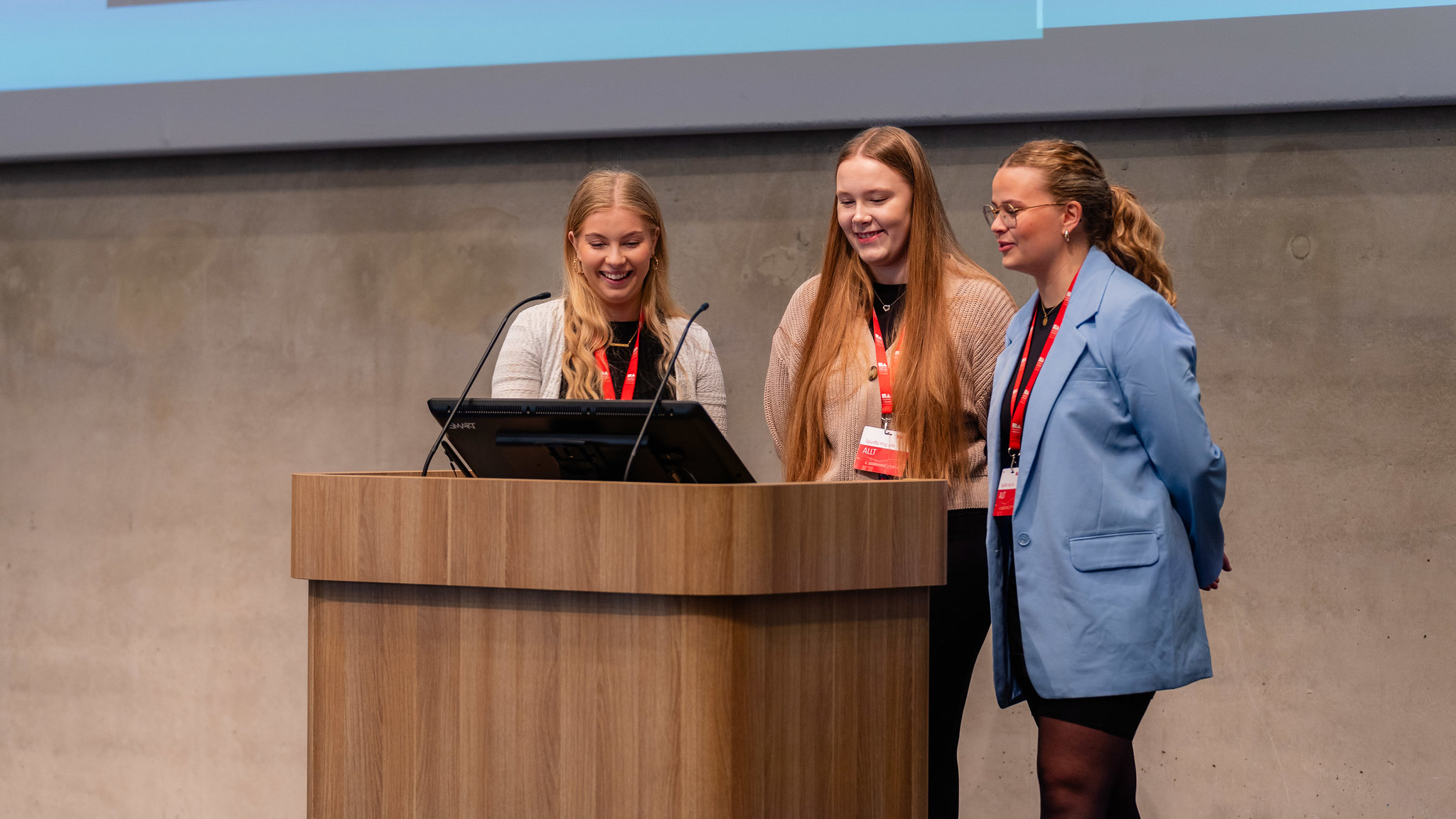
Photo: Members of the Executive board of the Student council. Source: UNAK
The university’s offer is clearly attractive but to whom?
”Interestingly, about 35% of our students are based in the capital area.”
(Interview 1)
Representatives from both UNAK and the Association of Municipalities in Northeast Iceland were optimistic about the university’s appeal to potential students. They noted that student numbers are steadily increasing, driven by the offering of relevant courses with clear job prospects. However, despite this growth, the student population has a notable gender imbalance. Women constitute around 70% of the student body, particularly in programmes like teaching and nursing. This imbalance presents a challenge for UNAK as it strives to attract more male students and diversify participation across all programmes.
Perhaps most significantly, from the perspective of the EDYNORA project, around 35% of UNAK students come from the capital area. This means that while UNAK provides crucial educational opportunities for rural and remote communities, it is also serving urban needs. This dual focus on both local and national demand may explain the university's success. UNAK is able to offer high-quality, accessible education to young people wherever they are, playing a crucial role in supplying the country with much-needed labour for essential services like healthcare and education.
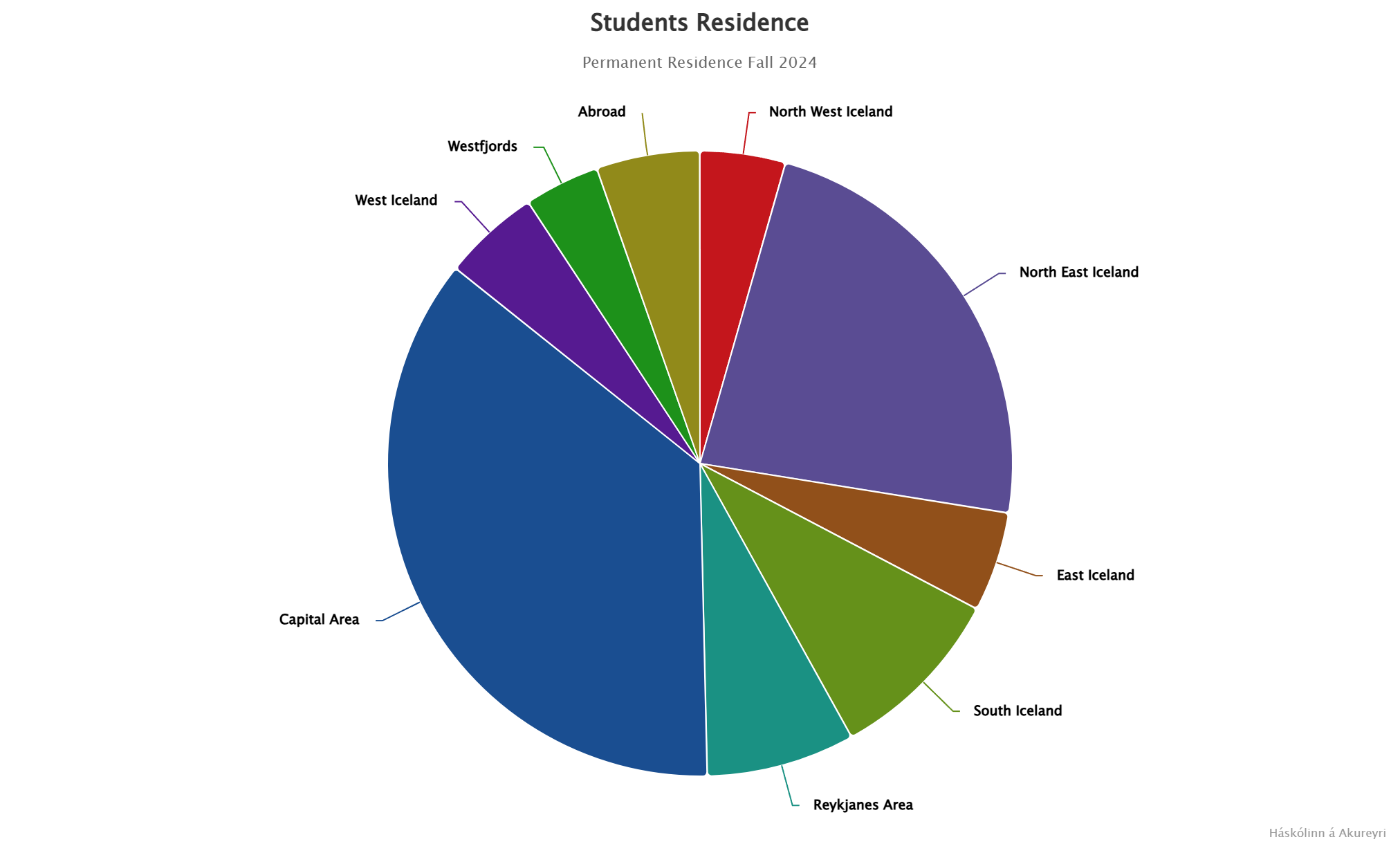
Figure 2. Student residence, fall 2023. Source: UNAK website.
Keeping on-campus students in mind
With a new rector starting in autumn 2024, there is shared curiosity among all interviewees about the direction the UNAK will take in the coming years. For students living and studying in Akureyri, there is a strong desire for increased resources and a focus on enhancing campus life, as well as attracting more students to move to the city. The UNAK student union plays a central role in addressing these challenges and shaping campus life, particularly in the context of the flexible learning model.
A student union representative highlighted several key areas where the union's vision aligns with ongoing challenges (Interview 3):
Campus engagement and administration | Housing shortages | Balancing flexible learning with campus life |
Despite the university’s shift towards online and hybrid instruction, certain administrative tasks still require physical presence on campus. The decreasing number of students residing in Akureyri has made it difficult to achieve full representation and participation in these activities. The student union continues to advocate for better solutions to this issue. | As the student population grows, housing availability in Akureyri, especially for those moving to the city, has become increasingly limited. While the university provides some student housing, demand often exceeds supply, particularly during peak periods. New student housing, however, has been designed, with construction scheduled to start in two years. | The flexible learning model offers significant benefits, such as allowing students to study from remote areas, but it also poses challenges in terms of maintaining a vibrant campus community. The student union is working to improve student engagement by organising more on-campus events and ensuring that remote students remain connected to the broader university community. |
These areas of focus reflect the complexities of managing a university with both local and national reach, where balancing flexibility with community engagement is key to UNAK’s future success.
Key learnings and way forward
The University of Akureyri (UNAK) provides a convincing example of how educational institutions can adapt to regional challenges, such as population decline and the need for a skilled workforce. Through its hybrid learning model, UNAK enables students in both urban and remote areas to pursue professional qualifications without needing to relocate. This flexibility supports rural communities by cultivating a skilled workforce and helping to stabilise populations. As such, UNAK serves as a model for how educational hubs can foster not only local but also national development.
However, while UNAK excels at ensuring students do not need to relocate to urban centres to acquire professional qualifications, its nationwide reach makes it difficult to establish strong ties with local businesses and municipalities in any one specific region. This balancing act between providing flexible, countrywide education and fostering local partnerships presents a unique challenge for the institution as it navigates its role in regional development.
Looking ahead, UNAK is well-positioned to further expand its influence, both regionally and throughout Iceland. However, for sustainable growth, certain challenges will need to be addressed. For instance, it will be crucial to enhance engagement with distance learners to reduce feelings of isolation. At the same time, expanding the university’s programme offerings – particularly in STEM (Science, Technology, Engineering and Mathematics) fields in closer coordination with local businesses – will help meet the evolving demands of the local labour market. Balancing these flexible learning models with the vibrancy of on-campus life remains a priority as the student population becomes increasingly diverse. Financial sustainability also presents a concern since government funding has been slow to catch up with UNAK’s growing student body.
When considering the role of education in retaining young people in rural areas, perspectives on youth retention can differ. A representative from the Association of municipalities in Northeast Iceland reflected on this issue, stating,
“We have a regional plan that prioritises youth retention through education and culture. But we also recognise the value in young people leaving to gain experience and new perspectives, as long as they return to settle in the region afterwards.”
This clearly raises the question of how exactly to encourage their return – however, that challenge lies beyond the scope of this project.