15. Coworking for Bygdeliv!
In 2024, NORA granted funding to the Norwegian–Faroese–Icelandic project Coworking for Bygdeliv! (Coworking for Village Life!)
It is an ongoing project for three years, 2024-2026, but NORA gives the grants on a yearly basis, so they need to apply every year.
One of the region’s main challenges is demographic change and population decline, which has hit small communities especially hard. Young people, particularly women, are moving away. Job centralisation and urbanisation have exacerbated this trend, resulting in economic pressure and social decline in many local areas. These problems are especially pronounced during winter, which is the off-season for tourism.
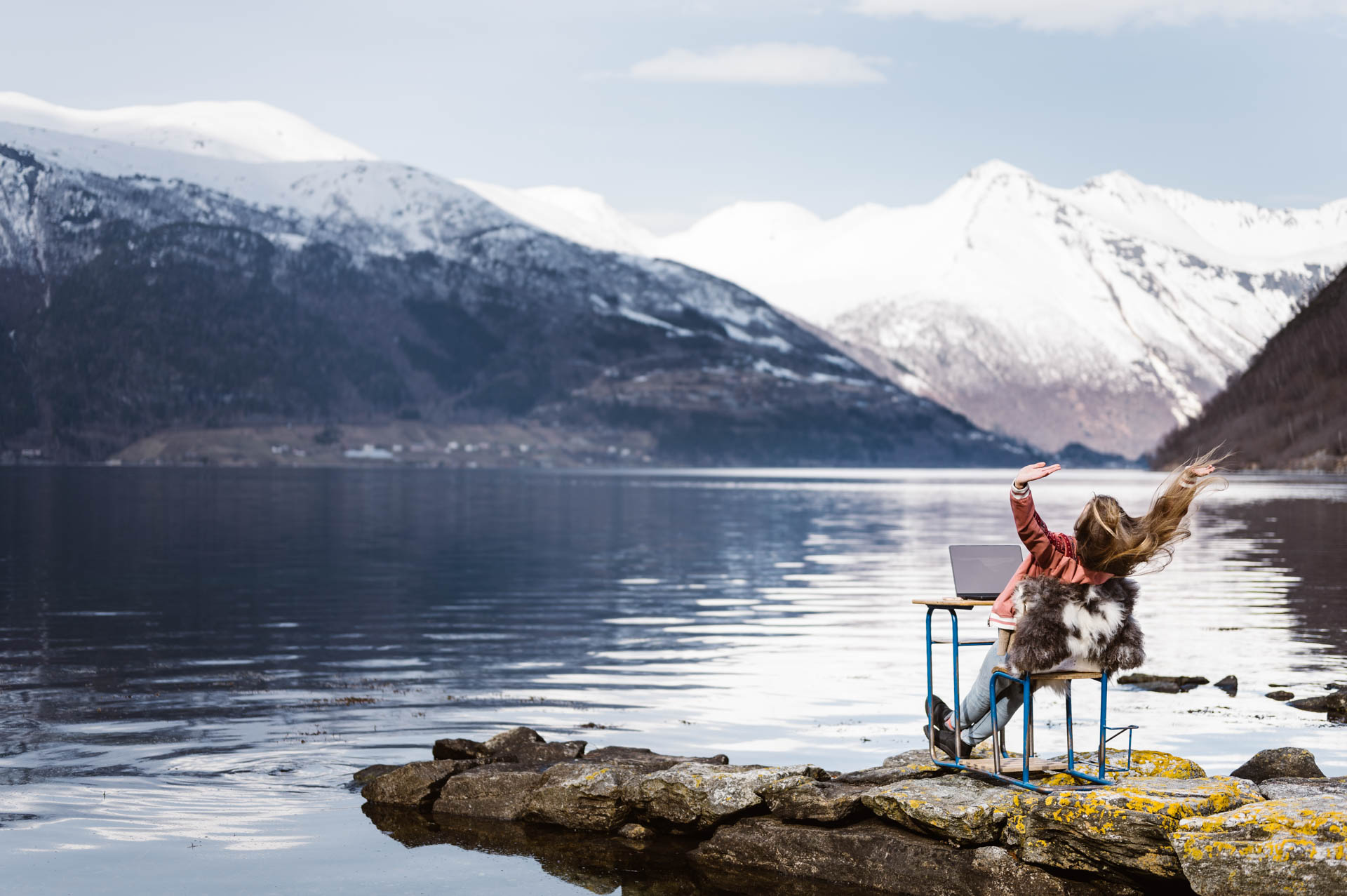
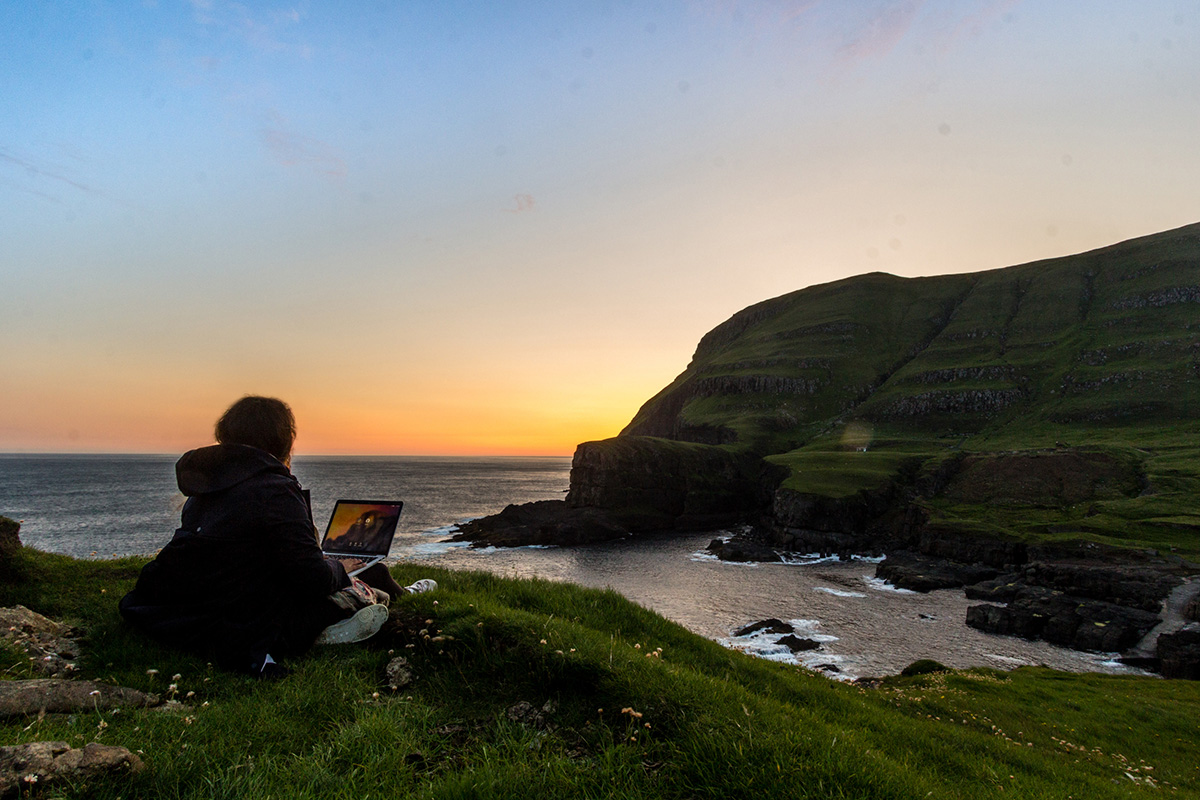
Digital nomads – people who use technology for remote work – are often associated with countries that have warmer climates and lower living costs. In an effort to counter this, Coworking for Bygdeliv! offered successful applicants free accommodation and workspace access, thereby allowing them to live and work in Norway, Iceland or the Faroe Islands for up to three months in the first quarter of 2025.
This unique opportunity to relocate one’s workplace, experience the Nordic winter and immerse oneself in Nordic culture is the result of cooperation between Geirangerfjorden Verdsarv in Norway, Samfelagsmiðstöðin Þingeyri in Iceland, and Vágs Kommuna in the Faroe Islands. Together, they created a project that not only offered an appealing work environment, but helped foster a community ethos and holistic lifestyle conducive to young newcomers. Essentially, the project rests on a belief that sustained time and resource investments in underpopulated localities can drive both sustainable development and growth, benefiting locals and visitors alike.
Since the Covid-19 pandemic, the world has undergone a significant shift in working patterns. Flexibility and digital mobility have become the norm for many, with remote work now an integral part of many business’ strategies. Moreover, beyond boosting productivity and stimulating creativity, the combination of remote work and living in attractive new surroundings offers mobile workers a unique opportunity to enrich their lives. Harnessing this mobility can help address the demographic challenges many small communities face.
In the case of Coworking for Bygdeliv!, the initiative sought to entice digital nomads, freelancers and remote workers into becoming part of local communities, whether temporarily or permanently, through offering flexible modern workspaces in stunning remote locations. When applications opened for free accommodation and workspace access in Norway’s Geirangerfjorden area, the village of Vágur in the Faroe Islands, and Iceland’s rugged Vestfjords region, the organisers were overwhelmed by the response. In fact, it was so immense that they had to bring the deadline for applications forward by several weeks.
In addition to the interest generated among applicants, the project received considerable media attention from, among other outlets, the Norwegian Broadcasting Corporation (NRK), American business magazine Forbes, and the UK Financial Times.
In sum, Coworking for Bygdeliv! is a prime example of how innovative initiatives can create new opportunities for small communities, while also attracting a new generation of digital nomads to the North Atlantic region.