Appendix I
Systematic Literature Review for the “Green Energy Meets Blue Food” Project
Rebecca Eriksson & Tabea Jacob
8 April 2024, University Centre of the Westfjords
Supervisor: Dr. Matthias Kokorsch
8 April 2024, University Centre of the Westfjords
Supervisor: Dr. Matthias Kokorsch
Introduction
In recent decades, human activities in the seas have intensified and diversified, creating a growing need for cohesive and sustainable solutions to spatial planning. From traditional uses of the sea, such as fisheries, shipping and oil and gas extraction, to more modern sectors, such as aquaculture, tourism and offshore wind energy, the competition for ocean space is increasing (Soma et al., 2019). At the same time, anthropogenic climate change is changing the state of marine ecosystems, and the overexploitation of natural resources has led to resource scarcity, increasing the risk of social conflict (Christie et al., 2014). To mitigate conflicts of ocean use, the EU has taken measures to balance interests, notably through the Maritime Spatial Planning Directive (MSPD), which requires each Member State to establish marine spatial plans by 2021 (Directive 2014/89/EU). Building on earlier international and regional initiatives, the concept of maritime/marine spatial planning (MSP) has gained recognition as a means of reconciling economic, social and environmental interests of marine activities, with the MSPD playing an important role in mainstreaming its application across Europe. Yet, despite increasing experience with MSP, increasingly crowded oceans make it necessary to strengthen and promote potential synergies among marine uses, introducing the concepts of co-location, coexistence and multi-use (Bonnevie et al., 2019). An extensive body of literature has analysed the potential for coexistence (in which different marine activities share the same area with limited interaction), co-location (the physical overlapping of uses) and multi-use (intentional and integrated combinations that foster synergies) in marine spaces, with the aim of informing and supporting synergies in MSP processes (Bonnevie et al., 2019, 2023; Schupp et al., 2019, 2021; Soma et al., 2019; Zanuttigh et al., 2016).
Most prominent is the potential for offshore wind farms, fisheries and aquaculture (Bonsu et al., 2024; Christie et al., 2014; Quero García et al., 2021; Stelzenmüller et al., 2021; Weiss et al., 2018). However, while these concepts have been popularised in the field of MSP, practical implementations still lack a strong knowledge base, adequate policies and a common agenda. This underscores the need for a holistic understanding of the challenges and opportunities associated with the coexistence of different marine activities.
To address this knowledge gap, the “Green Energy Meets Blue Food – Sustainable Coexistence in Nordic Seas” project was initiated by the research institution Nordregio and funded by the Nordic Council of Ministers. The project seeks to advance understanding of the possibilities for coexistence between offshore wind energy and marine food sectors in the Nordic Region. In line with this objective, this report examines the potential for co-location, coexistence and multi-use concepts through an assessment of existing trade-offs, conflicts and synergies between offshore renewable energy and marine food industries. To provide a comprehensive overview and synthesise existing research, a systematic literature review was conducted.
Method
A systematic literature search was conducted to identify, summarise and evaluate the existing literature on MSP, the potential challenges and benefits of coexistence, and conflicts between marine food systems and offshore renewable energies. The search was carried out in the Elsevier Scopus database to ensure coverage across multiple journals, publication types and scientific fields. The time frame was set to cover a 10-year period (2014–2024), beginning with the introduction of the MSPD (Directive 2014/89/EU), in order to capture a decade of development in the field and to include the most recent and relevant literature. To align with the project’s objective of generating insights applicable to the Nordic context, the search was restricted to European countries, providing an inclusive yet slightly broader perspective on the topic. Furthermore, as the literature review aimed to assess scientific literature, the search was limited to journal articles. Only literature published in English was included.
Guided by Kimjeon and Davidsson (2021) and Tranfield et al. (2003), a principle-based search strategy was employed to identify relevant literature. Accordingly, four principles were developed based on the project aims: (1) Aggregate theme, (2) Conflict types, (3) Offshore wind energy and (4) Blue food activities (see Table 1). The complete search with relevant search words can be seen below (see section, “Systematic search”). The initial search yielded 185 articles on the topic. To identify the final set of articles, a screening process was conducted following the steps (1) Screening of title and abstract and (2) Screening of full text. As presented below, both steps included an assessment of the literature against developed exclusion criteria. The first screening resulted in 94 articles and the full-text screening produced the final set of 81 articles. Articles that were inaccessible or met the exclusion criteria were removed. The exact screening process is presented in Figure 1. To ensure applicability of the articles, the exclusion criteria were developed in accordance with Rafael et al. (2024) and are presented as follows:
- No focus on MSP discussions.
- A focus on single management approaches to MSP.
- A focus on marine activities related to neither offshore renewable energies nor marine food sectors.
- A focus on terrestrial planning in relation to marine spatial planning (land –sea interactions).
It is important to recognise the limitations of this methodology. While the systematic approach offered advantages, such as a transparent and informative representation of the state of existing knowledge (Kimjeon & Davidsson, 2021), the manual screening conducted by the authors may have introduced a degree of subjectivity.
Aggregate theme | Conflict types | Offshore Wind Energy | Blue food activities |
(“marine spatial planning”) OR (“maritime spatial planning”) OR (“marine spatial management”) OR (“maritime spatial management”) | (“conflict*”) OR (“trade-off*”) OR (“trade off*”) OR (“synerg*”) OR (“coexistence”) OR (“overlap*”) OR (“competition”) | (“offshore wind”) OR (“offshore wind farm”) OR (“off- shore wind farm”) OR (“off- shore windfarm”) | (“aquaculture”) OR (“aqua farm*”) OR (“aqua-farm*”) OR (“fisher*”) OR (“protected area*”) OR (“analytical framework*”) |
Table 1: Search terms for the systematic search
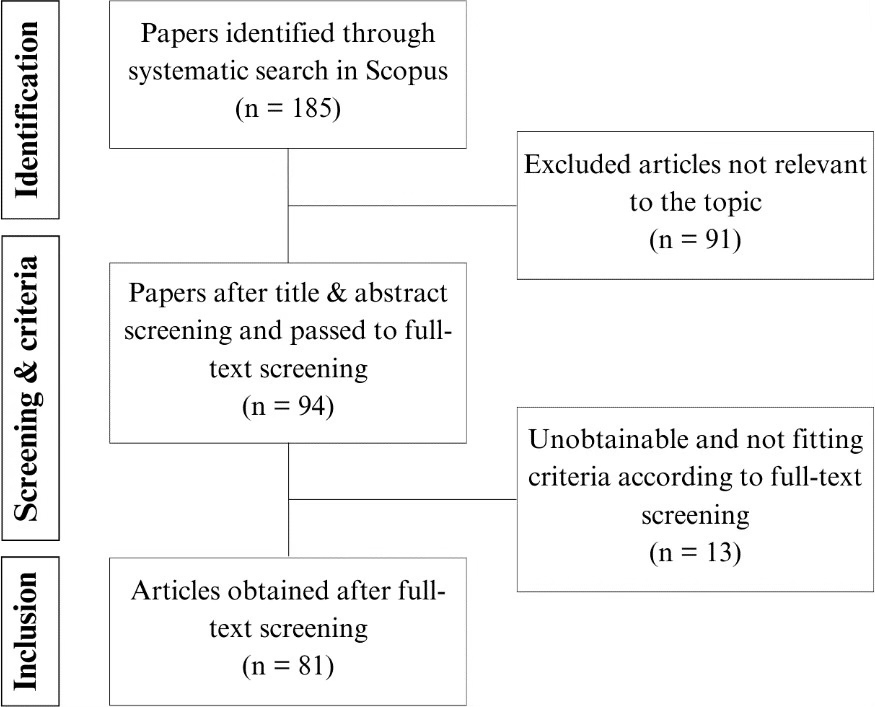
Figure 1: Flow of the systematic literature review process (adapted from Rafael et al. (2024))
Systematic search
TITLE-ABS-KEY ( ( "marine spatial planning" ) OR ( "maritime spatial planning" ) OR( "marine spatial management" ) OR ( "maritime spatial management" ) ) AND ( ( "conflict*" ) OR ( "trade-off*" ) OR ( "trade off*" ) OR ( "synerg*" ) OR ( "coexistence" ) OR ( "overlap*" ) OR ( "competition" ) ) AND ( ( "offshore wind" ) OR ( "offshore wind farm" ) OR ( "off-shore wind farm" ) OR ( "off-shore windfarm" ) ) AND ( ( "aquaculture" ) OR ( "aqua farm*" ) OR( "aqua-farm*" ) OR ( "fisher*" ) OR ( "protected area*" ) OR ( "analytical framework*" ) ) AND PUBYEAR > 2013 AND PUBYEAR < 2025 AND ( LIMIT-TO ( AFFILCOUNTRY , "United Kingdom" ) OR LIMIT-TO ( AFFILCOUNTRY , "Germany" ) OR LIMIT-TO ( AFFILCOUNTRY, "Spain" ) OR LIMIT-TO ( AFFILCOUNTRY , "Italy" ) OR LIMIT-TO ( AFFILCOUNTRY, "Netherlands" ) OR LIMIT-TO ( AFFILCOUNTRY , "Denmark" ) OR LIMIT-TO ( AFFILCOUNTRY , "Greece" ) OR LIMIT-TO ( AFFILCOUNTRY , "France" ) OR LIMIT-TO ( AFFILCOUNTRY , "Sweden" ) OR LIMIT-TO ( AFFILCOUNTRY , "Ireland" ) OR LIMIT-TO ( AFFILCOUNTRY , "Portugal" ) OR LIMIT-TO ( AFFILCOUNTRY , "Belgium" ) OR LIMIT-TO ( AFFILCOUNTRY , "Norway" ) OR LIMIT-TO ( AFFILCOUNTRY , "Poland" ) OR LIMIT-TO ( AFFILCOUNTRY , "Finland" ) OR LIMIT-TO ( AFFILCOUNTRY , "Latvia" ) OR LIMIT-TO ( AFFILCOUNTRY , "Estonia" ) OR LIMIT-TO ( AFFILCOUNTRY , "Cyprus" ) OR LIMIT-TO ( AFFILCOUNTRY , "Croatia" ) OR LIMIT-TO ( AFFILCOUNTRY , "Lithuania" ) OR LIMIT-TO (AFFILCOUNTRY , "Russian Federation" ) OR LIMIT-TO ( AFFILCOUNTRY , "Romania" ) OR LIMIT-TO ( AFFILCOUNTRY , "Malta" ) OR LIMIT-TO ( AFFILCOUNTRY , "Ukraine" ) OR LIMIT-TO ( AFFILCOUNTRY , "Serbia" ) OR LIMIT-TO ( AFFILCOUNTRY, "Montenegro" ) OR LIMIT-TO ( AFFILCOUNTRY , "Czech Republic" ) OR LIMIT-TO ( AFFILCOUNTRY , "Bulgaria" ) OR LIMIT-TO ( AFFILCOUNTRY , "Austria" ) OR LIMIT-TO ( AFFILCOUNTRY , "Albania" ) ) AND ( LIMIT-TO ( DOCTYPE , "ar" ) ) AND ( LIMIT-TO ( PUBSTAGE , "final" ) ) AND ( LIMIT-TO ( LANGUAGE , "English" ) ) AND ( LIMIT-TO ( SRCTYPE , "j" ) ) 18
Results
Marine spatial planning in a three-dimensional ocean space
As terrestrial resources come under increasing pressure due to population growth, expanding industrialisation and unsustainable land use, attention has turned towards the ocean as a source of energy, food and other essential resources. This shift is often discussed in the context of the blue economy, which promotes the sustainable use of ocean resources (Guerreiro, 2021; Knol- Kauffman et al., 2023). In practice, however, scholars have observed that the blue economy has frequently been implemented through “Blue Growth” initiatives, which have attracted new spatial claims from emerging industries in marine settings, underscoring the need for planning and management approaches to mitigate conflicts (Aschenbrenner & Winder, 2019). One such approach is MSP, which has gained increasing recognition for its key role in decision-making.
At first glance, the reviewed literature largely adopts the definition of the MSPD and therefore commonly refers to MSP as “…a process by which the relevant Member State’s authorities analyse and organise human activities in marine areas to achieve ecological, economic and social objectives” (Directive 2014/89/EU, p.6, Article 3). However, deeper analysis of the literature indicates that researchers recognise MSP as a politically driven process, often designed or implemented to fulfil specific objectives. Accordingly, many scholars advocate using the definition of MSP introduced by Douvere and Ehler (2009), which underlines the inherently political nature of the MSP process and calls for planning in a three-dimensional space encompassing the water surface, water column and seafloor (Bonnevie et al., 2019; Jentoft & Knol, 2014; Knol-Kauffman et al., 2023; Tafon et al., 2022; Tafon, 2019).
“MSP is defined as a process of analysing and allocating parts of three-dimensional marine spaces to specific uses, to achieve ecological, economic, and social objectives that are usually specified through the political process” (Douvere and Ehler 2009, p.78).
Accordingly, the first key theme emerging from the literature is recognition of the ocean as a three-dimensional and variable space. Several articles emphasise that MSP processes should aim to understand use of the physical ocean space in terms of fixed versus mobile structures, seasonality, time and impacts in the entire water column, sea floor and surface area (Jentoft & Knol, 2014; Rempis & Tsilimigkas, 2023; Schupp et al., 2021). This perspective is especially prominent when considering possibilities for multi-use and co-location, as proposed projects and activities should consider maximising synergies of activities while lowering environmental impacts (Bonnevie et al., 2020).
Considering the ocean as a three-dimensional space highlights the complexity of managing multiple human activities operating across different layers of the marine environment. Within this spatial and temporal context, several studies note that MSP often encounters tensions among stakeholders due to conflicting interests, values, priorities and beliefs (Bonnevie et al., 2020; Tafon et al., 2022, 2023). These tensions are sometimes classified within ecosystem-based MSP frameworks as either use–use interactions, referring to competition between human activities or use–environment interactions, describing how human activities affect ecological systems (Bonnevie et al., 2019). Across the assessed literature on MSP, the most prominent interactions are of the use–use type between offshore wind and fisheries. This category describes how conflicts arise due, for example, to loss of fishing grounds and dislocation of fish stocks (Erkkilä-Välimäki et al., 2022; Schupp et al., 2021), disproportionate representation and limited inclusion of fisheries in stakeholder discussions (Bastardie et al., 2015; Bergh et al., 2023; Jentoft & Knol, 2014; Tafon et al., 2022), hierarchical perceptions and power relations, and general incompatibility between mobile fishing activities and static activities such as offshore wind (Janßen et al., 2018; Schupp et al., 2021).
Spatial overlaps between fisheries and offshore wind
As new marine sectors such as offshore renewable energy and aquaculture expand, they increasingly compete for space with traditional activities like fisheries. This spatial overlap often requires traditional sectors to adapt, sometimes resulting in reduced access to resources, loss of market value and emerging conflicts (Custodio et al., 2022). As a mobile sector, fisheries are particularly affected by spatial boundaries that restrict access to their fishing grounds. Consequently, the expansion of static structures, such as offshore wind energy (OWE), along with restrictions or closures related to marine protection, leads to spatial conflicts with fisheries and is likely to continue doing so in the future (Letschert et al., 2021; Janßen et al., 2018).
Within the existing literature, spatial overlaps vary depending on location. For example, in parts of the North Sea, spatial overlaps between implemented and proposed OWE installations and fishing grounds ranges from less than 1% in some parts to almost 45% in other parts (Letschert et al., 2021). At the same time, fisheries are constrained by prohibitions on fishing in offshore wind farms during construction and operation (Schupp et al., 2021), especially for bottom trawling equipment due to the placement of underwater cables (Letschert et al., 2021), as well as by policy restrictions and insurance considerations (Christie et al., 2014). As a potential solution, the existing literature advocates permitting fishing activities in offshore wind farms under certain conditions, such as the use of passive and sustainable fishing gear. Additionally, further empirical research is expected to help reduce uncertainties related to co-location and, in turn, lower insurance costs (Letschert et al., 2021; Lloret et al., 2022; Schupp et al., 2021). However, the ability to contribute to or benefit from such research is not equally distributed among sectors. The assessed literature recognises the disadvantage of the fisheries sector relative to the offshore wind sector, especially in stakeholder and area designation processes, due to constraints in knowledge, capacity and willingness to participate, as well as power imbalances (Flannery et al., 2016; Piwowarczyk et al., 2019).
Multiple studies note the influence of political and economic drivers on MSP, particularly in the European context, where MSP processes often reflect broader societal objectives (Flannery et al., 2016). For example, the EU’s renewable energy targets created incentives for the development of OWE as part of the green transition and the drive for increased renewable energy production (Flannery et al., 2016; Kyriazi, 2018). As a result, OWE development appears to be prioritised in MSP processes due to political pressures, placing less organised and supported stakeholders, such as the fisheries sector, at a relative disadvantage in decision-making and access to marine space (Aschenbrenner & Winder, 2019; Spijkerboer et al., 2020).
Barriers to aquaculture
Aquaculture is mentioned in the assessed literature, mainly in relation to its potential for multi-use and co-location opportunities with other activities (Calado et al., 2019; Quero García et al., 2019). As shown by Calado et al. (2019), synergies between aquaculture and offshore wind farms include direct attachments, the sharing of marine spaces and shared resources like vessels, onshore infrastructure, human labour and technologies. However, multi-use involving aquaculture and other activities faces various barriers and restraints. First and foremost, legal administration of the operational process and safety measures, including insurance matters, is not yet fully established, leaving considerable uncertainties in MSP processes and multi-use development (Bonsu et al., 2024; Calado et al., 2019; Steins et al., 2021). Second, negative ecological impacts have not been studied sufficiently, both for singular activities and cumulative impacts. Finally, a disparity exists between larger corporations, which have the capacity to invest in multi-use projects but often choose not to due to risk aversion and uncertainty, and smaller enterprises, which demonstrate strong interest but lack the necessary financial resources. (Schupp et al., 2021).
Concepts of coexistence, co-location and multi-use
When reviewing the literature on coexistence, the most frequently encountered terms are co-location and multi-use. Although coexistence, multi-use and co-location have distinct conceptual meanings, they are often used interchangeably, revealing a lack of clarity and consistency in how these terms are defined and applied. Despite this ambiguity, scholars increasingly promote, in particular, co-location and multi-use as promising strategies for addressing spatial conflicts as traditional single-use activities show their limitations (Bonnevie et al., 2019; Kirkfeldt & Andersen, 2021). However, consensus on the definitions of these concepts has yet to be reached and practical examples of same-space usage remain limited (Bonnevie et al., 2019).
A synthesis of the literature indicates that co-location is frequently explained as the act of locating activities within the same physical space to allow for increased efficiency (Calado et al., 2019; Schupp et al., 2019). In contrast, multi-use can either be viewed as the combined efforts of multiple stakeholders to use the same space or as the sharing and use of multiple resources among several users (Schupp et al., 2019). Furthermore, Schupp et al. (2019) conclude that multi-use may occur across spatial, temporal, provisional or functional dimensions to allow for synergies and fewer conflicts around space allocation.
Following Christie et al. (2014), co-location and multi-use potential are almost exclusively discussed in relation to offshore wind farms, aquaculture and sometimes fisheries (Calado et al., 2019; Stelzenmüller et al., 2021, 2022; Weiss et al., 2018). Offshore wind farms and aquaculture industries share similar operations and facilities that are fixed within the ocean space. Aquaculture could therefore benefit from the development of offshore wind through the creation of artificial reefs, shared gears and vessels and the possibility of attaching aquaculture structures to preexisting wind platforms (Bonnevie et al., 2019). However, it is important to note that, at present, aquaculture may only be co-located with fixed offshore wind farms located closer to shore due to high costs and safety concerns (van den Burg et al., 2019). In turn, offshore wind farms could profit from co-location by greening their operations and gaining support from local communities and the public (Calado et al., 2019). Beyond aquaculture, the literature suggests permitting fishing within offshore wind farms to mitigate the loss of fishing grounds (Bonsu et al., 2024). Under such arrangements, fishing activities would maintain a specified distance from wind turbines and be limited to passive fishing gear, such as pot fishing (Bonsu et al., 2024; Stelzenmüller et al., 2021; van den Burg et al., 2023). Passive fisheries in offshore wind farms could in turn provide benefits such as efficient use of space and support the transition towards sustainable fishing practices and gears (Schupp et al., 2021; Stelzenmüller et al., 2021). However, the existing literature identified barriers to co-location of fisheries and offshore wind, including safety liabilities and insurance concerns, increased costs for fuel and gear adjustments, and the potential for cumulative impacts on the natural environment (Bonnevie et al., 2019; Kotta et al., 2020).
The literature shows how co-location and multi-use present not only opportunities but also face regulatory barriers. Poor policy and planning processes, along with a lack of frameworks and insurance mechanisms, make co-location and multi-use challenging (Bonnevie et al., 2019; Bonsu et al., 2024). To effectively incorporate various activities within the same space or create synergies between operations, cooperation and strong relations between users should be established to ensure that the space is managed safely and does not pose risks to people or the local environment. Moreover, the concepts of multi-use and co-location remains relatively novel and the associated uncertainties may discourage stakeholders (Bonnevie et al., 2019). For instance, while co-location of activities has the potential to generate economic benefits, the cumulative ecological impacts are not yet fully understood and warrant further investigation. In particular, the integration of offshore wind farms with aquaculture requires MSP processes to take into account not only surface-level interactions but also the implications for the water column and seabed (Bonnevie et al., 2023). Accordingly, although co-location and multi-use can be seen as a milestone for MSP (Weiss et al., 2018), they also demand more complex planning processes involving cooperation with all affected stakeholders. In addition, there is a need to remedy the lack of legislative synergies. The existing literature commonly identifies uncertainty as a key barrier to the implementation of both co-location and multi-use approaches. In the absence of comprehensive legislation to support these concepts across diverse contexts, their practical application remains limited and largely theoretical (Quero García et al., 2021).
Stakeholder participation and engagement
The reviewed literature indicates that, particularly in the European context, MSP has frequently been applied with a strong focus on economic development (Flannery et al., 2016) and often implemented using top-down approaches, with varying levels of stakeholder participation and engagement (Guerreiro, 2021; Soma et al., 2019). While stakeholder participation and engagement refer broadly to the inclusion of stakeholders in MSP processes, equitable participation specifically considers whether all stakeholders have fair opportunities to influence decisions. Although equity in stakeholder participation and engagement processes is not always explicitly addressed in MSP frameworks, much of the reviewed literature emphasises its importance (van den Burg et al., 2023), taking into account emerging conflicts and the potential environmental and social consequences of MSP decisions (Saunders et al., 2020; Tafon et al., 2022). Building on these principles, several studies discuss how to design active and meaningful participation processes, in which stakeholders are not only consulted but are also able, as active partners, to contribute knowledge and perspectives that inform decision-making (Custodio et al., 2022; Piwowarczyk et al., 2019; Spijkerboer, 2021). However, these studies also identify challenges and barriers that explain why current stakeholder participation and engagement often fall short of expectations. Most frequently mentioned are small-scale fishers, as weakly-positioned stakeholders compared to the politically backed offshore wind industry. This position of small-scale fisheries is reflected in their limited access to resources such as financial and human resources to participate in MSP, as well as education and knowledge of planning processes. These factors limit small-scale fisheries’ capacity to voice their concerns and needs in an institutional context, thereby limiting their influence over decision-making (Flannery et al., 2016; Piwowarczyk et al., 2019; Schupp et al., 2021; Tafon et al., 2019).
Another barrier to stakeholder participation and engagement arises both from perceptions on fisheries and the design of the MSP processes. The literature indicates that planners may have a limited understanding of fisheries’ knowledge, practices and considerations, such as seasonality or gear use, and differing perspectives on the marine environment and how these relate to MSP (Schupp et al., 2021; Piwowarczyk et al., 2019). Conversely, some fisheries perceive that their interests are given less priority than those of other actors, such as the offshore wind industry, particularly in contexts where MSP has become closely associated with the development of renewable energy infrastructure (Erkkilä-Välimäki et al., 2022; Jentoft & Knol, 2014; Piwowarczyk et al., 2019). Additional factors affecting the participation and engagement of fisheries include previous negative experiences with authorities and governments, along with regulatory uncertainty and top-down planning approaches. These factors have often resulted in conflicts and low trust in institutions, sometimes leading fisheries to withdraw from stakeholder participation and engagement processes altogether (Erkkilä-Välimäki et al., 2022; Piwowarczyk et al., 2019). Additionally, in some cases, stakeholder participation and engagement in MSP processes are reduced to an initial consultation and remain detached from decision-making processes, resulting in a negative impression that MSP favours larger, more organised stakeholders and industries (Flannery et al., 2016). The assessed literature recognises meaningful participation processes within MSP as the main enabler for the co-production of knowledge, which is essential to ensure equity within MSP processes and to close existing knowledge and data gaps – factors which are fundamental for coexistence, co-location and multi-use activities (Depellegrin et al., 2021; Flannery et al., 2016).
Regulations, policy and politics
The existing literature highlights substantial differences among governments and political agendas, reflecting varying approaches to MSP. As each nation is responsible for developing, managing and governing its territorial waters and exclusive economic zone, countries leverage their distinct conditions and resources, leading to fundamental differences in the preconditions for MSP (Knol-Kauffman et al., 2023; Rempis & Tsilimigkas, 2023; Salvador & Ribeiro, 2023; Spijkerboer, 2021). Countries that share common seas may have diverging priorities due to political agendas, making cohesion in cross-border MSP challenging. Additionally, variations in natural conditions across countries can enable or limit the implementation of certain activities and opportunities for multi-use and co-location. For instance, countries surrounding the Mediterranean Sea face challenges in implementing fixed offshore wind energy due to sea depth (Maldonado et al., 2022; Pinarbaşi et al., 2019; Pulselli et al., 2022; Quero García et al., 2021; Tercan et al., 2020), whereas North Sea countries benefit from shallow waters more suitable for fixed structures (Astariz & Iglesias, 2017; Gusatu et al., 2020). Diverging political goals may further influence the available financial resources for developing co-located activities or multi-use. The reviewed literature highlights that the economic significance of different sectors can influence investment allocation. Industries aligned with political agendas, such as OWE tend to receive greater investment in countries prioritising a renewable energy transition (Soma et al., 2019). In contrast, countries whose economies rely heavily on other sectors, such as tourism, may invest less in OWE, as the infrastructure can affect visual aesthetics and restrict marine traffic (Pulselli et al., 2022; Tercan et al., 2020).
Within the regulatory landscape, MSP is embedded within what has been described in the literature as “a patchwork of existing sectorial policies” (Spijkerboer et al., 2020, p.1). Navigating MSP processes can therefore be challenging, as some sectors have greater capacity to influence decision-making. The literature shows how these dynamics are compounded by differences in knowledge and the availability of technical tools, with political processes often relying heavily on data and digital systems (Kusters et al., 2023). Moreover, scholars point to hierarchical structures within MSP and decision-making, which, together with mistrust in government and management authorities and technically driven processes, can affect stakeholder participation (Bergh et al., 2023; Saunders et al., 2020; Tafon et al., 2022).
Conclusion
This systematic literature review revealed that research on MSP has increasingly focused on conceptualising coexistence between OWE, fisheries and aquaculture. The growing body of literature on conflicts and synergies between these activities reflects both the intensifying competition for ocean space and the emerging recognition that actors should find ways to share marine environments. Indeed, as terrestrial resources face mounting pressures and attention turns towards ocean-based solutions, the question is no longer whether different marine activities will compete for space, but how they can coexist sustainably.
However, this analysis demonstrates that research on coexistence remains largely in its infancy, with the terms and concepts of coexistence, multi-use and co-location used interchangeably and without clear distinction. Nevertheless, the literature positions co-location and multi-use as central strategies for achieving coexistence in increasingly contested marine spaces. These concepts recognise the three-dimensional nature of the ocean environment and seek to maximise synergies between activities while reducing spatial conflicts and environmental impacts. While co-location enables activities to occupy the same physical space to increase efficiency, multi-use facilitates the sharing of resources, infrastructure and facilities among multiple stakeholders. The literature review identified, in particular, possibilities for coexistence between offshore wind farms and aquaculture, with potential benefits including artificial reef effects, shared vessels and onshore infrastructure, ultimately resulting in more efficient use of limited ocean space. Regarding interactions between offshore wind and fisheries, permitting passive fishing gear within wind farm areas could offset the loss of traditional fishing grounds.
Yet, despite the conceptual promise of these approaches, their practical implementation continues to face considerable challenges. Addressing the lack of legislative synergies across sectors and jurisdictions is perhaps one of the most significant challenges, as comprehensive frameworks to support coexistence, co-location and multi-use across diverse contexts remain scarce. This regulatory gap generates cascading uncertainties around insurance, liability, safety measures and operational procedures, which may discourage stakeholders from pursuing such solutions. Additionally, the cumulative ecological impacts of co-located activities remain insufficiently studied, leaving planners unable to assess whether proposed synergies could generate unforeseen environmental consequences. In addition, financial barriers complicate implementation.
Successfully moving coexistence approaches from concept to practice depends largely on stakeholder cooperation and meaningful participation in MSP processes. The literature emphasises that successful coexistence requires not only spatial arrangements but also collaborative relationships built on trust, shared knowledge and aligned goals. However, current MSP practice sometimes fails to foster the conditions for such collaboration. Power imbalances between actors, particularly between fisheries and OWE in this study, shape who participates in planning and whose interests are prioritised. Fisheries often face structural disadvantages, including limited resources, time constraints, insufficient understanding of planning processes and historical marginalisation from decision-making. When participation is limited to consultation rather than active involvement, stakeholders may lose trust in MSP processes and, in some cases, withdraw entirely. The challenge of achieving coexistence is further complicated by the political nature of MSP and the fragmented regulatory landscape within which actors operate. MSP processes reflect broader political agendas, with different nations bringing distinct priorities, resources and physical conditions to their waters. The European context, in particular, demonstrates how renewable energy and green transition targets have driven offshore wind development, sometimes at the expense of other sectors. This study therefore recognises the political structures as a patchwork of existing sectoral policies and MSP, creating a complex regulatory landscape that stakeholders have to navigate.
Looking forward, the literature identifies requirements for translating coexistence concepts into practice. Overcoming the lack of legislative synergies necessitates comprehensive policy frameworks that support coexistence, co-location and multi-use across sectors and jurisdictions, establishing clear regulations for insurance, safety and operational procedures. Reducing uncertainty requires moving beyond speculation through more empirical research that documents the effects of cumulative impacts and lower barriers to implementation. Additionally, scholars emphasise that realising coexistence requires fostering genuine cooperation among stakeholders through MSP processes built on trust, shared knowledge bases and joint targets and goals. This is particularly critical for cross-border cooperation in shared sea basins and marine areas, where regulatory fragmentation and divergent priorities currently challenge coordination.
Finally, this review has shown that while the literature provides relatively strong conceptual frameworks for coexistence, multi-use and co-location in marine spaces, practical implementation is still limited by regulatory, social and environmental barriers. These insights will guide the next stages of the project, informing strategies and approaches to support sustainable coexistence in the Nordic seas.
Future considerations
It became evident from the reviewed literature that a large portion of the published articles focus on conceptual thinking, highlighting the relative novelty of the topic. Consequently, several research gaps were identified regarding the coexistence of different marine activities within MSP processes. We propose that the following gaps be considered for future research:
- Research cumulative effects and impacts of multi-use and co-location, incorporating aggregate analyses of impact across sea basins and larger areas.
- Close the knowledge gap on barriers to coexistence by examining the regulatory, financial and safety constraints identified in this study.
- Assessment social justice considerations in MSP, with a focus on developing an equity-oriented approach.
- Include local and Indigenous knowledge in the co-production of MSP-relevant knowledge systems.
References
Aschenbrenner, M., & Winder, G. M. (2019). Planning for a sustainable marine future? Marine spatial planning in the German exclusive economic zone of the North Sea. Applied Geography, 110. https://doi.org/10.1016/j.apgeog.2019.102050
Astariz, S., & Iglesias, G. (2017). The collocation feasibility index – A method for selecting sites for co-located wave and wind farms. Renewable Energy, 103, 811–824. https://doi.org/10.1016/j.renene.2016.11.014
Bastardie, F., Nielsen, J. R., Eigaard, O. R., Fock, H. O., Jonsson, P., & Bartolino, V. (2015). Competition for marine space: Modelling the Baltic Sea fisheries and effort displacement under spatial restrictions. ICES Journal of Marine Science, 72(3), 824–840. https://doi.org/10.1093/icesjms/fsu215
Bergh, Ø., Beck, A. C., Tassetti, A. N., Olsen, E., Thangstad, T. H., Gonzalez-Mirelis, G., Grati, F., Bolognini, L., & Søvik, G. (2023). Analysis of spatial conflicts of large scale salmonid aquaculture with coastal fisheries and other interests in a Norwegian fjord environment, using the novel GIS-tool SEAGRID and stakeholder surveys. Aquaculture, 574. https://doi.org/10.1016/j.aquaculture.2023.739643
Bonnevie, I. M., Hansen, H. S., & Schrøder, L. (2019). Assessing use-use interactions at sea: A theoretical framework for spatial decision support tools facilitating co-location in maritime spatial planning. Marine Policy, 106. https://doi.org/10.1016/j.marpol.2019.103533
Bonnevie, I. M., Hansen, H. S., & Schrøder, L. (2020). SEANERGY - a spatial tool to facilitate the increase of synergies and to minimise conflicts between human uses at sea. Environmental Modelling & Software, 132, 104808. https://doi.org/10.1016/j.envsoft.2020.104808
Bonnevie, I. M., Hansen, H. S., Schrøder, L., Rönneberg, M., Kettunen, P., Koski, C., & Oksanen, J. (2023). Engaging stakeholders in marine spatial planning for collaborative scoring of conflicts and synergies within a spatial tool environment. Ocean and Coastal Management, 233. https://doi.org/10.1016/j.ocecoaman.2022.106449
Bonsu, P. O., Letschert, J., Yates, K. L., Svendsen, J. C., Berkenhagen, J., Rozemeijer, M. J. C., Kerkhove, T. R. H., Rehren, J., & Stelzenmüller, V. (2024). Co-location of fisheries and offshore wind farms: Current practices and enabling conditions in the North Sea. Marine Policy, 159. https://doi.org/10.1016/j.marpol.2023.105941
Calado, H., Papaioannou, E. A., Caña-Varona, M., Onyango, V., Zaucha, J., Przedrzymirska, J., Roberts, T., Sangiuliano, S. J., & Vergílio, M. (2019). Multi-uses in the Eastern Atlantic: Building bridges in maritime space. Ocean and Coastal Management, 174, 131–143. https://doi.org/10.1016/j.ocecoaman.2019.03.004
Christie, N., Smyth, K., Barnes, R., & Elliott, M. (2014). Co-location of activities and designations: A means of solving or creating problems in marine spatial planning? Marine Policy, 43, 254–261. https://doi.org/10.1016/j.marpol.2013.06.002
Custodio, M., Moulaert, I., Asselman, J., van der Biest, K., van de Pol, L., Drouillon, M., Hernandez Lucas, S., Taelman, S. E., & Everaert, G. (2022). Prioritizing ecosystem services for marine management through stakeholder engagement. Ocean and Coastal Management, 225. https://doi.org/10.1016/j.ocecoaman.2022.106228
Depellegrin, D., Hansen, H. S., Schrøder, L., Bergström, L., Romagnoni, G., Steenbeek, J., Gonçalves, M., Carneiro, G., Hammar, L., Pålsson, J., Crona, J. S., Hume, D., Kotta, J., Fetissov, M., Miloš, A., Kaitaranta, J., & Menegon, S. (2021). Current status, advancements and development needs of geospatial decision support tools for marine spatial planning in European seas. Ocean & Coastal Management, 209, 105644. https://doi.org/10.1016/j.ocecoaman.2021.105644
Directive 2014/89/EU. (2014). In Official Journal of the European Union (p. 6). https://eur- lex.europa.eu/legal-content/EN/TXT/PDF/?uri=CELEX:32014L0089
Douvere, F., & Ehler, C. N. (2009). New perspectives on sea use management: Initial findings from European experience with marine spatial planning. Journal of Environmental Management, 90(1), 77–88. https://doi.org/10.1016/j.jenvman.2008.07.004
Erkkilä-Välimäki, A., Pohja-Mykrä, M., Katila, J., & Pöntynen, R. (2022). Coastal fishery stakeholders’ perceptions, motivation, and trust regarding maritime spatial planning and regional development: The case in the Bothnian Sea of the northern Baltic Sea. Marine Policy, 144. https://doi.org/10.1016/j.marpol.2022.105205
Flannery, W., Ellis, G., Nursey-Bray, M., Van Tatenhove, J. P. M., Kelly, C., Coffen-Smout, S., Fairgrieve, R., Knol, M., Jentoft, S., Bacon, D., Marie, A., & Hagan, O. ’. (2016). Planning Theory & Practice. https://doi.org/10.1080/14649357.2015.1131482
Guerreiro, J. (2021). The Blue Growth Challenge to Maritime Governance. Frontiers in Marine Science, 8. https://doi.org/10.3389/fmars.2021.681546
Gusatu, L., Yamu, C., Zuidema, C., & Faaij, A. (2020). A Spatial Analysis of the Potentials for Offshore Wind Farm Locations in the North Sea Region: Challenges and Opportunities. ISPRS International Journal of Geo-Information, 9(2), Article 96. https://doi.org/10.3390/ijgi9020096
Janßen, H., Bastardie, F., Eero, M., Hamon, K. G., Hinrichsen, H. H., Marchal, P., Nielsen, J. R., Le Pape, O., Schulze, T., Simons, S., Teal, L. R., & Tidd, A. (2018). Integration of fisheries into marine spatial planning: Quo vadis? Estuarine, Coastal and Shelf Science, 201, 105–113. https://doi.org/10.1016/j.ecss.2017.01.003
Jentoft, S., & Knol, M. (2014). Marine spatial planning: risk or opportunity for fisheries in the North Sea? MAST. Maritime Studies/Maritime Studies, 12(1). https://doi.org/10.1186/2212-9790-12-13
Kimjeon, J., & Davidsson, P. (2021). External Enablers of Entrepreneurship: A review and Agenda for Accumulation of strategically Actionable knowledge. Entrepreneurship Theory and Practice, 46(3), 643–687. https://doi.org/10.1177/10422587211010673
Kirkfeldt, T. S., & Andersen, J. H. (2021). Assessment of collective pressure in marine spatial planning: The current approach of EU Member States. Ocean and Coastal Management, 203. https://doi.org/10.1016/j.ocecoaman.2020.105448
Knol-Kauffman, M., Nielsen, K. N., Sander, G., & Arbo, P. (2023). Sustainability conflicts in the blue economy: planning for offshore aquaculture and offshore wind energy development in Norway. Maritime Studies, 22(4). https://doi.org/10.1007/s40152-023-00335-z
Kotta, J., Fetissov, M., Szava-Kovats, R., Aps, R., & Martin, G. (2020). Online tool to integrate evidence-based knowledge into cumulative effects assessments: Linking human pressures to multiple nature assets. Environmental Advances, 2. https://doi.org/10.1016/j.envadv.2020.100026
Kusters, J. E. H., van Kann, F. M. G., & Zuidema, C. (2023). Exploring agenda-setting of offshore energy innovations: Niche-regime interactions in Dutch Marine Spatial Planning processes. Environmental Innovation and Societal Transitions, 47. https://doi.org/10.1016/j.eist.2023.100705
Kyriazi, Z. (2018). From identification of compatibilities and conflicts to reaching marine spatial allocation agreements. Review of actions required and relevant tools and processes. Ocean and Coastal Management, 166, 103–112. https://doi.org/10.1016/j.ocecoaman.2018.03.018
Letschert, J., Stollberg, N., Rambo, H., Kempf, A., Berkenhagen, J., & Stelzenmüller, V. (2021). The uncertain future of the Norway lobster fisheries in the North Sea calls for new management strategies. ICES Journal of Marine Science, 78(10), 3639–3649. https://doi.org/10.1093/icesjms/fsab204
Lloret, J., Turiel, A., Solé, J., Berdalet, E., Sabatés, A., Olivares, A., Gili, J. M., Vila-Subirós, J., & Sardá, R. (2022). Unravelling the ecological impacts of large-scale offshore wind farms in the Mediterranean Sea. Science of the Total Environment, 824. https://doi.org/10.1016/j.scitotenv.2022.153803
Maldonado, A. D., Galparsoro, I., Mandiola, G., de Santiago, I., Garnier, R., Pouso, S., Borja, Á., Menchaca, I., Marina, D., Zubiate, L., & Bald, J. (2022). A Bayesian Network model to identify suitable areas for offshore wave energy farms, in the framework of ecosystem approach to marine spatial planning. Science of the Total Environment, 838. https://doi.org/10.1016/j.scitotenv.2022.156037
Pinarbaşi, K., Galparsoro, I., Depellegrin, D., Bald, J., Pérez-Morán, G., & Borja, Á. (2019). A modelling approach for offshore wind farm feasibility with respect to ecosystem-based marine spatial planning. Science of the Total Environment, 667, 306–317. https://doi.org/10.1016/j.scitotenv.2019.02.268
Piwowarczyk, J., Matczak, M., Rakowski, M., & Zaucha, J. (2019). Challenges for integration of the Polish fishing sector into marine spatial planning (MSP): do fishers and planners tell the same story? Ocean and Coastal Management, 181. https://doi.org/10.1016/j.ocecoaman.2019.104917
Pulselli, R. M., Struglia, M. V., Maccanti, M., Bruno, M., Patrizi, N., Neri, E., Carillo, A., Napolitano, E., Stefanatos, N., Perakis, C., Damasiotis, M., Di Pietrantonio, F., Magaudda, S., Madalena, V., Stančin, H., Mikulčić, H., Petrou, V., Smagas, K., Valari, E., … Bastianoni, S. (2022). Integrating Blue Energy in Maritime Spatial Planning of Mediterranean Regions. Frontiers in Energy Research, 10. https://doi.org/10.3389/fenrg.2022.939961
Quero García, P., García Sanabria, J., & Chica Ruiz, J. A. (2019). The role of maritime spatial planning on the advance of blue energy in the European Union. Marine Policy, 99, 123–131. https://doi.org/10.1016/j.marpol.2018.10.015
Quero García, P., García Sanabria, J., & Chica Ruiz, J. A. (2021). Marine renewable energy and maritime spatial planning in Spain: Main challenges and recommendations. Marine Policy, 127. https://doi.org/10.1016/j.marpol.2021.104444
Rempis, N., & Tsilimigkas, G. (2023). Marine spatial planning on Crete Island, Greece: methodological and implementation issues. Journal of Spatial Science, 68(2), 205–224. https://doi.org/10.1080/14498596.2021.1955025
Salvador, S., & Ribeiro, M. C. (2023). Socio-economic, legal, and political context of offshore renewable energies. Wiley Interdisciplinary Reviews: Energy and Environment, 12(2). https://doi.org/10.1002/wene.462
Saunders, F., Gilek, M., Ikauniece, A., Tafon, R. V., Gee, K., & Zaucha, J. (2020). Theorizing social sustainability and justice in marine spatial planning: Democracy, diversity, and equity. Sustainability (Switzerland), 12(6). https://doi.org/10.3390/su12062560
Schupp, M. F., Bocci, M., Depellegrin, D., Kafas, A., Kyriazi, Z., Lukic, I., Schultz-Zehden, A., Krause, G., Onyango, V., & Buck, B. H. (2019). Toward a common understanding of ocean multi-use. Frontiers in Marine Science, 6(APR). https://doi.org/10.3389/fmars.2019.00165
Schupp, M. F., Kafas, A., Buck, B. H., Krause, G., Onyango, V., Stelzenmüller, V., Davies, I., & Scott, B. E. (2021). Fishing within offshore wind farms in the North Sea: Stakeholder perspectives for multi-use from Scotland and Germany. Journal of Environmental Management, 279. https://doi.org/10.1016/j.jenvman.2020.111762
Soma, K., van den Burg, S. W. K., Selnes, T., & van der Heide, C. M. (2019). Assessing social innovation across offshore sectors in the Dutch North Sea. Ocean and Coastal Management, 167, 42–51. https://doi.org/10.1016/j.ocecoaman.2018.10.003
Spijkerboer, R. C., Zuidema, C., Busscher, T., & Arts, J. (2020). The performance of marine spatial planning in coordinating offshore wind energy with other sea-uses: The case of the Dutch North Sea. Marine Policy, 115. https://doi.org/10.1016/j.marpol.2020.103860
Steins, N. A., Veraart, J. A., Klostermann, J. E. M., & Poelman, M. (2021). Combining offshore wind farms, nature conservation and seafood: Lessons from a Dutch community of practice. Marine Policy, 126. https://doi.org/10.1016/j.marpol.2020.104371
Stelzenmüller, V., Gimpel, A., Haslob, H., Letschert, J., Berkenhagen, J., & Brüning, S. (2021). Sustainable co-location solutions for offshore wind farms and fisheries need to account for socio- ecological trade-offs. Science of the Total Environment, 776. https://doi.org/10.1016/j.scitotenv.2021.145918
Stelzenmüller, V., Letschert, J., Gimpel, A., Kraan, C., Probst, W. N., Degraer, S., & Döring, R. (2022). From plate to plug: The impact of offshore renewables on European fisheries and the role of marine spatial planning. Renewable and Sustainable Energy Reviews, 158. https://doi.org/10.1016/j.rser.2022.112108
Tafon, R., Glavovic, B., Saunders, F., & Gilek, M. (2022). Oceans of Conflict: Pathways to an Ocean Sustainability PACT. Planning Practice and Research, 37(2), 213–230. https://doi.org/10.1080/02697459.2021.1918880
Tafon, R., Saunders, F., Pikner, T., & Gilek, M. (2023). Multispecies blue justice and energy transition conflict: examining challenges and possibilities for synergy between low-carbon energy and justice for humans and nonhuman nature. Maritime Studies, 22(4). https://doi.org/10.1007/s40152-023-00336-y
Tafon, R. V. (2019). Small-scale fishers as allies or opponents? Unlocking looming tensions and potential exclusions in Poland’s marine spatial planning. Journal of Environmental Policy and Planning, 21(6), 637–648. https://doi.org/10.1080/1523908X.2019.1661235
Tercan, E., Tapkın, S., Latinopoulos, D., Dereli, M. A., Tsiropoulos, A., & Ak, M. F. (2020). A GIS- based multi-criteria model for offshore wind energy power plants site selection in both sides of the Aegean Sea. Environmental Monitoring and Assessment, 192(10). https://doi.org/10.1007/s10661-020-08603-9
Tranfield, D., Denyer, D., & Smart, P. (2003). Towards a methodology for developing Evidence‐Informed management knowledge by means of systematic review. British Journal of Management, 14(3), 207–222. https://doi.org/10.1111/1467-8551.00375
van den Burg, S. W. K., Aguilar-Manjarrez, J., Jenness, J., & Torrie, M. (2019). Assessment of the geographical potential for co-use of marine space, based on operational boundaries for Blue Growth sectors. Marine Policy, 100, 43–57. https://doi.org/10.1016/j.marpol.2018.10.050
van den Burg, S. W. K., Skirtun, M., van der Valk, O., Cervi, W. R., Selnes, T., Neumann, T., Steinmann, J., Arora, G., & Roebeling, P. (2023). Monitoring and evaluation of maritime spatial planning – A review of accumulated practices and guidance for future action. Marine Policy, 150. https://doi.org/10.1016/j.marpol.2023.105529
Weiss, C. V. C., Ondiviela, B., Guinda, X., del Jesus, F., González, J., Guanche, R., & Juanes, J. A. (2018). Co-location opportunities for renewable energies and aquaculture facilities in the Canary Archipelago. Ocean and Coastal Management, 166, 62–71. https://doi.org/10.1016/j.ocecoaman.2018.05.006
Zanuttigh, B., Angelelli, E., Kortenhaus, A., Koca, K., Krontira, Y., & Koundouri, P. (2016). A methodology for multi-criteria design of multi-use offshore platforms for marine renewable energy harvesting. Renewable Energy, 85, 1271–1289. https://doi.org/10.1016/j.renene.2015.07.080