Photo: Alex Kotomonov / Unsplash.com
5. Case Study 2: Nordic innovation systems dynamics in the protein shift
5.1. Introduction
In this case study, we explore the role of (change) agency in the ‘protein shift’ in the Nordic Region. To meet the carbon neutrality and other goals of Agenda 2030, the food system and the protein sub-system need to undergo major transformations. Many processes to stimulate this transition have already been set in motion on different fronts. These include changes to the broader regulatory frameworks and policies to support innovation and investment, as well as efforts to raise awareness among consumers.
The role of agency is dispersed across the value chains and is in many ways driven by sectoral agency through endogenous innovations. EU policy development plays a significant role in shaping the broader context within which these innovations emerge and businesses operate. However, as we shall also see, sustainability narratives impact the actions of both businesses and policymakers – depending on how ’green’ innovations are defined. Indeed, far from there being consensus on the rationale for a protein shift, there is instead a highly complex and heated debate about its ethical, sustainability, economic, cultural, societal and geographical implications. Disagreements touch on the very foundations of ‘the problem’ but also on what the solutions and outcomes of the transition should be. These competing visions make paving the way for a coherent policy framework more cumbersome. Therefore, investigating the potential for innovation for a protein shift will inevitably involve a discussion about the different views and contrasting narratives on sustainability and the ethical challenges that arise. Competing narratives play a key role in guiding public opinion and investments. They also shape the regulatory and policy measures adopted by authorities.
The protein shift in the Nordic Region presents a potential new array of technological, policy and social innovations. With dynamic systems of innovation, Nordic countries and regions are in a favourable position to seize the opportunities for new business developments and avenues while responding to the sustainability goals. Considering the ongoing trends within the industry in the Nordic countries, the protein shift can be described as a process of diversification rather than a replacement of conventional food products and farming practices. While this diversification process is clearly generating economic opportunities for some regions and municipalities, a question mark hangs above the benefits for rural areas, as innovations seem to be emerging from areas closer to research centres or university campuses located in and around urban centres, rather than conventional farms – for now. Another question mark surrounds what alternative protein products’ business structure will look like and how the benefits will be distributed, as large and well-established corporations appear to be gaining more control over R&D and absorbing start-ups and SMEs that offer innovative technologies and products.
This case study first addresses how the “protein shift” or “protein transition” is defined and framed by competing narratives. Second, it dives into the technical aspects surrounding industrial development and technological innovation in the protein production space. Third, the case study moves on to the role of institutional norms and consumer behaviour and what roles these play in pushing the protein shift in new directions. And finally, the case elaborates on the systems perspectives and the interplay between policy and regulation, entrepreneurial agency and place-based developments.
Info Box 3: Key terms * Many terms are emerging related to protein products, sources of proteins, novel or traditional. Many of which are used interchangeably by different academic strains or actors, yet often having different meanings. For clarity, we list and define some of these key terms here. Alternative proteins refers to protein products deriving from plants or animal cells or by means of fermentation, which are specifically aimed at replacing animal-sourced protein. The term is often used interchangeably with similar terms, yet not meaning the same, such as unconventional proteins, meat analogues, and ‘novel protein food products’ (NPFPs). Animal sourced protein foods (ASPFs) refers to foods that derive from animal sources, including eggs, dairy, meat and fish. Bioavailability is the degree to which the body can absorb and utilise nutrients from ingredients contained in a particular food source. Conventional proteins are, generally, referred to food products that have been traditionally a global staple source of protein, including animal sourced protein foods (ASPFs) and plant sourced protein foods (PSPFs). However, staple foods also vary based on cultural context. Cellular agriculture is the biotechnological process used to grow agricultural products (meats, milk, egg white protein) from cell cultures instead of livestock. Cultivated meat: Also known as cultured, in-vitro, or clean meat. It is genuine meat grown through culturing animal cells (cellular agriculture) instead of in a living animal. Meat analogues or alternative meat products are products designed to simulate meat products and meant as meat substitutes, including both land and marine animal products. Plant-based meat is a type of meat analogue created from plant-based ingredients. Novel protein food products (NPFPs) refer to foods that have not been considered a global staple source of protein until recently, or that are heavily processed and transformed for human consumption. These include e.g., powdered protein supplements, second generation meat analogues, insect-based foods, cell-cultured meat. Plant sourced protein foods (PSPFs) are proteins that exist in unprocessed or minimally processed plant tissue, e.g., legumes and pulses. Protein shift or protein transition is the dietary transition away from resource-intensive protein sources with negative environmental impact, to sources with a lower environmental footprint and better health profile. Unconventional proteins in this case study refer to protein sources that have not been used traditionally in Nordic diets such as insects, but also to innovative uses of micro-organisms (via fermentation) and mycelia. This also covers innovations in plant-based and animal-based protein production that has resulted in meat analogues and cultured meat. The definition of conventional and unconventional protein sources and food products consumed is largely context and culturally dependent. Sources: Clayton et al., 2018; European Medicines Agency, n.d..; (Good Food Institute, n.d.); Mayer Labba et al. 2020; Katz-Rosene et al., 2023; Khan, 2022. |
5.2. The protein shift
Increased awareness of the different but interlinked sustainability and societal challenges has generated support for a regime change in the food systems. Within the protein sub-system, this process is referred to as the ‘protein shift’ or ‘protein transition’. To be better able to understand the implications of the protein shift, the potential of innovation, the roles of different actors and the spatial/territorial dimension, we must first be cognisant of 1) the sustainability challenges and 2) the changes proposed. This section addresses these two aspects.
5.3. Proteins: a cocktail of sustainability challenges
The global food system is facing several different and interlinked challenges relevant to several sustainable development goals (SDGs) and different industries. More specifically for the protein sub-system, sustainability challenges can be grouped into five main topics, including i) food insecurity, ii) malnutrition and ill health, iii) unethical production practices, iv) climate change and biodiversity decline; and v) disruptions in social, economic and cultural prosperity (Katz-Rosene et al., 2023).
The first challenge is to feed a growing global population: this is expected to increase food demand by 35% to 56% by 2050, compared to 2010 levels (van Dijk et al., 2021). Satisfying this growing demand without major environmental consequences will require a regime shift in the food system. Protein production, more specifically, stands out as a major challenge, with Animal Sourced Protein Foods (ASPFs) alone contributing to 14.5% of global GHG emissions (Béné & Lundy, 2023). Livestock is also linked to deforestation and biodiversity loss in many parts of the world.
Plant Sourced Protein Foods (PSPFs) account for up to 60% of protein consumption worldwide (Clayton et al., 2018). Yet, there are significant geographical differences ranging from ~80% reliance on PSPFs in Asia (except China) and Sub-Saharan Africa to ca. ~60% of total protein intake coming from ASPFs in the US and Canada (ibid; see Figure 7). It is in the excessive meat-consuming Western societies where the market for ‘alternative proteins’ and ‘meat analogues’ (products intended to directly substitute meat) have gained the most traction. However, these geographical differences may partly have less to do with culture and more to do with wealth – as there is a direct correlation between developing countries’ economic growth and a “shift to a more Westernized diet reliant on animal products” (Clayton et al., 2018). The problem with this trend is that “Western dietary patterns cannot be sustained if practised by the entire world’s population” (Katz-Rosene et al., 2023).
Figure 7: Per capita daily protein consumption by world region and protein source (plant-based vs. animal-based). Source: Adapted from World Resources Institute (in Clayton et al., 2018). Re-design: Kotryna Juškaitė, Nordregio.
A second challenge is connected to malnutrition. Over a third of the global population suffers from health issues related to food and diet (Katz-Rosene et al., 2023). There are more than 1.9 billion overweight people in the world, while at the same time, close to 700 million people “suffer from underweight, stunted growth, or ‘wasting’” (World Health Organization, 2019 in Katz-Rosene et al., 2023). Protein-rich products are both a contributing cause and a means to tackling this ‘double burden’ (ibid.). While excessive consumption of ASPFs is associated with increased risks of stroke, type-2 diabetes and other diseases, increasing protein-rich foods is a necessary element in battling nutrient deficiency (Béné & Lundy, 2023). However, physiological needs are not only determined by quantity but also by the quality and type of proteins (Interview 5.2). The human body cannot synthesise all types of amino acids
Amino acids are organic compounds that serve as the building blocks of proteins. Essential amino acids are those that the human body cannot produce and must come from the food we eat. Non-essential amino acids are naturally synthesised in the body.
Furthermore, ethical questions surrounding protein sourcing constitute a third and highly contentious challenge. These include several issues ranging from the harmful effects of production systems on the natural environment to animal rights and welfare, workers’ wellbeing, decent employment and inclusiveness, as well as concerns about genetic engineering. According to Katz-Rosene et al. (2023), many people oppose practices that transgress their personal ethical boundaries, such as intensive animal farming, genetic manipulation or cellular agriculture.
Finally, the way the transformation of the food system is affecting many communities’ and individuals’ livelihoods in terms of economic prosperity, the cultural and social fabric is another significant challenge often overlooked in climate policies. While many developments, be they technological, regulatory or behavioural, are presented as positive for society and the environment, they will inevitably lead to a “range of outcomes resulting in a set of winners and losers, particularly between urban and rural inhabitants, between rich and poor and between the owners and users of intellectual capital” (Katz-Rosene et al., 2023).
5.4. Sustainability narratives of the ‘protein shift’
Support for the protein shift emerges from the increased awareness of sustainability challenges. However, narratives are often built on one-sided or partial accounts of the different environmental, social and economic challenges. Generally, the protein shift is referred to as “the transition from a heavy red-meat consuming world to a more plant-based food system” (Béné & Lundy, 2023). There are many sustainability and health benefits of a shift from meat to plant, particularly legumes, as they have a higher protein content and lower use of fertilisers (as they fix their own nitrogen) compared to other types of crops (Blom, et al., 2022). Nonetheless, Mayer Labba et al. (2020) argue for a broader definition of the protein shift, conveying a more impartial account of the complex array of factors and sustainability implications that are at stake when inducing a systems change in the food sector. They define the ‘protein shift’ as:
a large-scale change in dietary patterns from use of protein from resource-intensive sources with negative environmental impact and large climate footprint, to sources with a lower climate and environmental footprint and a better health profile
(Mayer Labba, et al., 2020).
With this broader definition of the protein shift, Mayer Labba, et al. (2020) intentionally avoid prescribing specifically what the alternatives should be and instead point to the sustainability and health challenges that ought to be addressed. This opens up a more nuanced discussion of all the positive and negative factors, the plant-based or other products marketed as alternatives or ‘green’, as well as the opportunities that exist within livestock or aquaculture industries to make improvements (Interview 5.2).
For instance, one expert points out that many plant proteins are not necessarily healthy as they have a high salt content and low ‘bioavailability’ of iron and zinc (Interview 5.8). Another expert emphasises that there is a transparency gap surrounding the bioavailability of alternative protein products in the market, which is the extent to which the human organism can absorb and utilise nutrients from food ingredients (Interview 5.2). Therefore, consumers cannot be certain that they benefit from the nutritional contents stated on product labels.
The same expert also recognises the inefficiencies in conventional food industries. For example, a very large percentage of fish caught by Swedish fisheries goes to the production of biogas despite being perfectly fit for human consumption (Interview 5.2). Thus, the expert argues, a more holistic approach to sustainability is needed to address the challenges within the existing industries in tandem with developments in other supply chains and scientific fields. This is echoed by one of the co-founders of the Ocean Cluster in Iceland, who notes that "the world is now wasting around 10 million metric tonnes of perfectly good side streams of fish, because people don’t know any better”; side streams which comprise all the remaining part of the fish once the filet has been extracted (Norden-Estonia, 2023). He also notes that this waste contains what “probably (is) the best proteins in the world”. Therefore, there may be a huge untapped potential for using seafood side streams while making the industry much more circular (ibid.).
Contextual differences are highly relevant. This becomes abundantly clear when zooming in on Western societies and, more specifically, the Nordic countries. Amilien and Notaker (2018) highlight the need to study food culture and consider the link between place, time and identity. In their thorough research on Nordic food traditions, they emphasise that traditions are ever-changing in response to innovations, wealth and influence from abroad. Indeed, Nordic cuisine and diets have significantly evolved over the centuries (Amilien & Notaker, 2018). Moreover, the authors also point to the relevance of territory in food production, as natural conditions vary significantly, from mountains, forests, valleys, fjords and lakes to plains and open moors, as well as from north to south, continental, or coastal (ibid.). For instance, "as a food-exporting country, Denmark has the highest percentage of arable land, while a main food export from Norway is fish” (Amilien & Notaker, 2018). However, they recognise that from a consumption point of view, geography plays a smaller role than it did in the past, given that increased wealth coupled with technological advancement has resulted in globalised food chains. From a production point of view, geography continues to matter significantly, although technology and climate change have also enhanced food production in Nordic countries. Globally, contextual differences can be striking, for instance, between Western societies, overfed on red meat and countries where more meat consumption would be beneficial to the population. Therefore, context is key when designing any course of action. Indeed, while reducing meat consumption is recommended in Western societies, Béné & Lundy (2023) note that “large benefits [can be achieved] from modest increases in meat in the diets of the poor in sub-Saharan Africa” (Béné & Lundy, 2023).
Geography also significantly influences food production dynamics, particularly in crisis preparedness and food security. Recent global events, such as the war in Ukraine, the energy crisis and lessons from the COVID-19 pandemic underscore the importance of this relationship. A recent report to the Ministry of Agriculture and Food and the Ministry of Trade and Fisheries by the Office of the Auditor General of Norway states that “it is objectionable that arable land is not managed in a fully sustainable manner”, pointing out that high-quality arable land is often repurposed for different uses. Furthermore, the report underscores the inadequacies in preparedness levels to address significant disruptions in access to food and feed (Office of the Auditor General of Norway, 2023, p. 9). Although Norway is almost entirely self-sufficient in meat, eggs and dairy, the building blocks on which this production depends are almost entirely imported. Increased production of high-quality and protein-rich crops for feed could increase self-sufficiency, the Auditor General writes. However, while economic measures for stimulating such production are important, these measures need to be adapted to increase production (Office of the Auditor General of Norway, 2023).
Policies seeking changes in the production systems are difficult to implement, even incrementally in existing food production systems. Béné & Lundy (2023) argue that the protein shift involves “conflicting and painful trade-offs between economic, ethical, societal and environmental objectives and priorities”. Because of these trade-offs, the ‘protein question’ is often presented as a ‘wicked problem’, a black-and-white argument, where the sustainability debate is pushing us to believe that there are only two opposing and irreconcilable flanks: “on one side, the pro-livestock supporters who advocate for protecting the meat industry and its activities and, on the other side, the pro-alternative-protein advocates who push for a replacement of red meat by other, more “sustainable” sources of protein” (Béné & Lundy, 2023). This has created a battle of narrative and counter-narrative, where the challenges described do not represent “reality as it is (i.e., complex, nuanced and often ambivalent)”, but instead frame the problem by cherry-picking evidence that suits and strengthens the narrative’s argument (ibid.). Béné & Lundy (2023) conclude that the current debate leads to a fallacious lock-in situation, preventing society from seeing the full picture and preventing us from entering a more constructive and solutions-oriented discussion.
Despite the lack of consensus, Katz-Rosene et al. (2023) explain that advocates on various sides of the debate offer very material pathways on how to conduct the protein shift, and these are worth analysing in detail. They identify three meta-narratives, understood as the path towards protein sustainability, with which like-minded actors associate. These three meta-narratives are constructed by identifying how different actors frame the problem (across sustainability challenges) and the course of action they propose. These sustainability challenges include i) food insecurity, ii) malnutrition and ill health, iii) unethical production practices, iv) climate change and biodiversity decline, and v) disruptions in social, economic and cultural prosperity. We summarise the three meta-narratives as follows:
- The ‘modernising protein’ meta-narrative centres around technological innovation and improved production processes as the main “mechanism for achieving sustainability in the global food system”. Sustainability is to be achieved via the intensification of agriculture and aquaculture, improved efficiency by solving the technological deficiencies of existing production systems and improving the nutritional profile of protein foods (including ASPFs, PSPFs and Novel Protein Food Products [NPFPs]) through, e.g., gene editing. Ethical challenges, including feeding the growing population and achieving high standards of animal welfare and workers' conditions, are considered solvable via the implementation of technology, scientific knowledge and improved legislation. Precision agriculture, vertical farming, robotics and automation technologies are some of the ways of achieving efficiency and can also alleviate heavy or dangerous work for workers and improve animal welfare. Complementary technologies such as methane capture, feed additives and bioengineering can reduce GHG emissions even further. (Katz-Rosene et al., 2023)
- The ‘reconstituting protein’ meta-narrative seeks to achieve the sustainable food system transition by reducing animal protein consumption. The key concerns raised are the inefficiency of ASPFs production, animal mistreatment and the health risks of excess meat consumption. Advocates highlight the realistic possibility of feeding the global population via enriched PSPFs and NPFPs. Members of this coalition deem the consumption of ASFPs and their consequences for the environment, health and animal suffering unnecessary and unjustifiable, given the availability of alternatives. Advancements in biotech, particularly cell-culture meat, are seen by some members of this coalition as a disrupting factor rendering conventional livestock farming obsolete. (Katz-Rosene et al., 2023)
- The ‘regenerating protein’ meta-narrative favours restoring “human-nature relationships within protein production and consumption practices as a means of achieving sustainable development within the global agri-food sector”. Industrialisation and globalisation of agri-food systems are considered the main causes of the problem. Sustainability is to be restored by “protecting the food sovereignty rights of pastoralists and locally-oriented food producing communities” and by prioritising locally sourced, seasonal and whole foods. Proponents advocate restoring traditional knowledge and production methods, such as permaculture, pasturing of livestock (e.g., rotational grazing), mixed animal-crop production and hunting. Community-oriented food production should result in healthier and more nutritious naturally-produced foods by eliminating the use of harmful pesticides and heavily processed products and growing animals by means of holistic and regenerative agriculture (including a series of management practices that nurture and restore soil health, capture carbon, protect the climate, water resources and biodiversity). Regenerative agriculture is considered a ‘natural’ and thus ethical way of growing food, both plant and animal. Consumption of animal proteins is highlighted as a natural part of human nutrition, and its removal is considered undesirable as it can lead to health problems, alter agricultural landscapes and have harmful socio-economic consequences. (Katz-Rosene et al., 2023)
From a policy perspective, what is critically relevant in relation to these three distinct meta-narratives is that they lead to different conclusions and recommendations about the type of measures that should be implemented and what the outcomes of a transformed food system and protein sub-system should be. The opportunities for innovations (technological, institutional-regulatory and behavioural-societal) will, therefore, be influenced by the manner in which these meta-narratives steer the societal and political debate and how this, in turn, is translated into actions by decision-makers, businesses and society. However, in order to move the debate forward and design pathways that are sensitive to the multi-dimensional challenges facing food systems, it should be necessary to avoid the black-or-white framing of the problem and allow for an open discussion about the negative and positive aspects of different agriculture and industrial processes and practices. In line with Katz-Rosene et al., (2023), the answer to increasing the resilience of the agri-food system and achieving the protein shift lies not in single solutions but in embracing multiple pathways. In turn, this would create a favourable playground for innovations to emerge from multiple scientific and industrial fields and from distinct cultural and geographical contexts.
5.5. Technological innovation & industrial development in the protein shift
The growing focus on the protein shift has expedited technological innovation and industrial development in the production of conventional proteins, both PSFPs and ASFPs and unconventional proteins or NPFPs and along their supply chains.
Some of the technologies used for the production of alternative protein products, like extrusion, have been in existence for a considerable time, for example, in the plastics industry, but also in the food sector, which has texturised soy proteins since the 1960s. However, a new wave of incremental innovations leading to a wider range of applications of extrusion has emerged in response to the sustainability agenda. Fermentation is another technology that is experiencing a second wind, given its millennial-long presence in food culture. Precision fermentation is frequently applied to efforts in developing mycoprotein, the main ingredient in the products sold by larger companies such as British company Quorn. Other innovations have also experienced a more recent surge, such as those used for cellular agriculture, which is used to produce cultivated or cultured meat and other animal-based products from cell cultures instead of livestock.
The type of technological and industrial development in the alternative proteins sector seems to follow certain patterns. In many cases, the type of product developed depends on the type of knowledge base available to the producers. Depending on the input factor, whether grass, fungi or pulses, the companies developing alternative protein products tend to lean either on analytical knowledge or synthetic knowledge. By analytical knowledge, we refer to basic knowledge development, e.g., basic science, whereas with synthetic knowledge, we refer to already existing knowledge being used to solve practical issues. These two knowledge bases are both typical for innovation and product development in general, and they affect the type of activities and products a company produces (Zukauskaite & Moodysson, 2016). The type of knowledge base chosen or available influences companies’ choices of future partners. For instance, businesses aiming to develop ground-breaking new products tend to choose universities or academics as natural partners, whereas those developing and improving existing products may find different types of partners (ibid) in similar or relevant industries.
Zukauskaite and Moodysson (2016) identified three distinct paths in the Swedish food sector based on these two knowledge bases: Extension (extending the existing developments in a linear way), renewal (related and new, yet incremental, innovation) and path creation (disruptive and novel innovations). Their paper focuses on the results of institutional influences on company activities and actors. These two paths can be discerned in a recent mapping of alternative protein businesses in the Nordic and Baltic regions (Wøien Meijer, 2023). There is a clear case of path extension and path renewal in many of the larger, established companies working with a specific set of ingredients (often pulses or legumes), such as BeanIt, owned by the Finnish company Härkis and the Raisio Group, while smaller companies and startups are paving the way for ground-breaking innovations and path creation, such as Finnish company Solar Foods
The mapping also showed a distinction between knowledge bases, i.e., synthetic or basic knowledge, as applied to the aforementioned firms. In general, working with novel and disruptive food development requires a greater set of specific scientific knowledge and a greater degree of transformation, such as working with new technologies for optimising various forms of microorganisms (e.g., fungi and yeast) (Wøien Meijer, 2023). Such ‘basic science’ technologies are seen in, e.g., the use of precision-fermentation processes for the development of alternative proteins and these processes are often codified in documents (e.g., patents). Protein development processes based on synthetic knowledge seem to be more mechanised and ‘traditional’, using existing technologies such as wet or dry extrusion processes (i.e., to “solve the problem” of increasing plant-based options in a company’s product portfolio).
5.5.1. Diversification of options: protein sources, products and standards
The protein shift is leading to a diversification of options in terms of the source of the protein, food products and production standards. Common sources of plant protein used in meat substitutes are legumes such as soy, peas, fava beans and, more recently, even grass. One example is the Danish company Biomass Protein, which is changing the value and use of grass, challenging the value we put on relevant supply chains (see Box 4).
Many novel foods find their protein source in insects, fungi, micro-algae and micro-organisms. All these add to the conventional PSFPs and ASFPs, which, despite remaining the ‘same’ product, are also diversifying in the way they are marketed based on the production standards and inputs used. For instance, improvements within the animal industry to reduce their environmental footprint allow for marketing conventional products as ‘greener’ via, but not exclusively, certification schemes.
Info Box 4: Biomass Protein, Denmark Biomass Protein, based in Denmark, focuses on green biorefining. At the start of its journey in 2017, the focus was on developing fodder protein using fermentation processes. Following a pilot project in 2019, the company recognised the potential for commercial expansion and attracting investment. In 2020, Biomass Protein shifted operations to produce proteins from grass for human consumption, which is now its core business. A crucial technological breakthrough was key to facilitating the use of grass membranes by separating juice from proteins. The juice contains RuBisCo, an enzyme found in plant leaves and a major component of soluble plant proteins. Researchers acknowledge the potential of RuBisCo as a beneficial food additive, but its industrial applications and purification procedures in emerging plant-based food products remain under-explored. By employing a membrane filtering system, Biomass Protein separates the “green protein” from white proteins. The green protein is not bioavailable to humans. The white protein has diverse applications within the food industry, such as egg white substitutes, foam formation and specific functionalities for various food products. The company believes that its white proteins derived from grass production could offer valuable applications in the plant-based food segment, complementing existing options such as beans and soy. With an abundance of grass available, utilising its protein content could contribute to diversifying food production. Biomass Protein works closely with local farmers who supply the raw material and leverages their expertise in grass harvesting and optimal utilisation. The company recognises the enduring availability of grass and the potential value it holds as a protein source. Source: Interview 5.1; Wøien Meijer (2023) |
As discussed earlier, product development is achieved both by means of technological innovation and via the application of existing knowledge in new ways. Indeed, many new products in the market do not require new technologies per se but rather an upgrade in their nutritional content by adapting the ingredient list in existing products, such as adding a protein extract in powder form to granola bars. Nonetheless, there are a number of technological developments relevant for product development along the supply chain, from biotechnology and DNA modification for seed development to a complete set of practices and digital technologies used in primary production, including precision agriculture. These technological developments are also necessary in the secondary industrial production processes needed for the transformation of raw materials to produce more elaborate products, such as meat substitutes – or meat analogues and real in-vitro meat, also known as cultured meat and cultivated meat.
In the following sections, we will examine several ongoing developments leading to a diversification of the options available, ranging from production processes and industrial practices to different types of protein sources.
Product development of meat analogues
Meat analogues are products designed to simulate meat products and intended as meat substitutes, including both land and marine animal products. This differs from products such as bean burgers, which may serve as a direct replacement but do not simulate meat in the same way. Apart from replacing the source of protein, the central idea with meat analogues is to achieve a result that most closely replaces meat in terms of texture, flavour and function. The expectation is that by achieving these characteristics, consumers would pick analogues rather than the ‘real thing’, as this would not require major changes in people’s habits. The protein can be sourced from plants, fungi, microorganisms or insects, but they generally combine a mix of different ingredients, including fats, carbohydrates and fibre (Clayton et al., 2018).
The processes for producing meat analogues vary depending on the input factor used (e.g., soy) and specific company choices. A key part of the process, and a major challenge, is to achieve the desired texture – one most closely resembling real meat. Extrusion is the most common process to achieve Textured Vegetable Protein (TVP) ingredients in the form of chunks, flakes, mince or shreds. The result of this process is an intermediary product that needs further processing before becoming a meat analogue, such as burger patties or sausage-like products. However, since the 1960s discovery of extrusion technology for texturising soy protein, there have been no significant breakthroughs in the technology, but incremental innovations leading to improvements or refining existing techniques have been developed (Interview 5). Despite these advances, knowledge gaps still exist. According to one scientist working with product development, “even if manufacturers know how to set up extrusion to make fibrous high moisture meat analogues, nobody really knows what the mechanisms are for fibre formation” (Interview 5.8).
Despite extrusion being a well-proven technique, only a few companies use extrusion commercially in Europe (Interview 5.8). One example is Organic Plant Protein, a company producing TVP ingredients in Denmark, who apply a dry texturing process in which the dry protein concentrates from peas and fava beans are subjected to a series of physical processes, including mixing, hydration, kneading, heating and shaping.
The raw material or inputs used in extruders are either ‘protein concentrates’ with 55–65% protein content, high in dietary fibres, or ‘protein isolates’ with 80–90% protein content, low in dietary fibres (Interview 5.5). These can be wet or dry and have different advantages and disadvantages. Climate impact is one key advantage of using dry concentrates. Wet extrusion has emerged more recently in the past 10 to 15 years. Products made with wet extrusion are generally seen as performing better in terms of texture and taste, and there is a broader range of raw materials available for the process (Tzvia, Negro, Kalfagianni, & Hekkert, 2020). However, wet extrusion also poses challenges in terms of complexity, cost and sustainability. It requires more energy and yields different output characteristics, requiring freezing after processing (Interview 5.5).
TVP ingredients can then be utilised by food product manufacturers or chefs to produce the final product by adding other ingredients to achieve the desired flavour and result. Although this final step is the responsibility of the next company in the chain, Organic Plant Protein has taken the initiative to employ a chef who tests the usability of their TVP products and educates customers on how to cook with them. This shows that TVP products can still be considered a novelty for many actors in the food sector.
The primary production and extraction of the raw material (i.e., concentrates and isolates) is a whole different chapter, which depends on the input factors and their availability in different countries. Generally, this part of the process lies with other companies than those in charge of producing TVP products. For instance, Organic Plant Protein purchases the pea and fava bean concentrates as these are available in the Nordic and Baltic Region. The company is also exploring the potential of utilising concentrates extracted from other foods also common to the region, such as pumpkin seeds, sunflower seeds and rapeseed (Interview 5.5).
Protein extraction
There are several well-established methods for protein extraction from food sources, particularly plants, including alkaline extraction, isoelectric precipitation, salt-based extractions, ultrafiltration/ diafiltration and dry fractionation technologies (Hewage et al., 2022). However, these methods have many drawbacks, such as protein denaturation (alterations in the biological, chemical and physical properties) and generate significant amounts of wastewater, high usage of chemicals, high production costs and low yields (ibid.). This is particularly problematic for plant-based proteins, as the extraction methods can lead to a loss in their techno-functional properties, which are critical for food applications. Some of the key functionality traits include: “solubility, fat and water-binding capacity, foaming capacity and stability, emulsion capacity and stability, gelation, film-forming capacity and viscosity” (Hewage, et al., 2022). Some of the factors that impact the techno-functional properties of plant proteins are pH and ionic strength of the solvent, temperature, among others. For example, extremely high temperature and pH results in poor nutritional and functional properties (ibid.).
In addition, plants contain antinutritional factors (ANFs) that reduce protein digestibility, which again vary depending on the method employed for protein extraction. Wet extraction methods have the advantage that they result in higher protein concentration (>85%) and lower ANF content (75%–96% lower), whilst dry methods tend to result in lower protein concentration and higher accumulation of ANFs ( Amin, Petersen, Malmberg, & Orlien, 2022; Harvard T.C Chan School of Public Health, 2022). However, dry methods offer other benefits, not least their lower environmental impact (Interview 5.5) and efficacy in dissociating protein and other cellular compounds, i.e., starch, leaving no chemical residues, having minimal impact on the techno-functional properties and loss of insoluble protein (Hewage, et al., 2022). Novel technologies, although still in their infancy, show promise in overcoming some of these challenges, including enzyme-assisted extraction, deep eutectic solvent (DES) extraction, reverse micelles extraction, microwave-assisted extraction, ultrasonic-assisted extraction and subcritical water extraction (Hewage, et al., 2022).
Several of the companies observed in the Nordic countries apply dry methods, such as Ausumgaard, who extract protein from grass and Vestjyllands Andel, from plant and fish (i.e., starfish, shrimp waste), both located in Denmark. Vestjyllands Andel employs Spin Flash Dryers, which are widely used for a range of different applications, including agrochemicals, ceramics, food and feed products, inorganic and organic chemicals, pharmaceuticals, pigments and dyestuffs and waste products (SPXFLOW, n.d.). It is a patented process, offering a faster and highly energy-efficient alternative to, e.g., spray drying. The system is quite simple. There is a feed system in which the product is broken down by an agitator before it is sent to a drying chamber using a twin feed screw. The powder from the drying chamber is subsequentially collected in a filter bag.
Different processes of protein extraction occur following fermentation or when sourcing from microalgae, which mainly involves air drying. Furthermore, protein-rich foods can be consumed without the need to undergo significant transformational processes. Plants, meat, mushrooms, seaweeds and even insects can be consumed in their natural form with little or minimal transformation.
Fermentation
Fermentation is a versatile process that uses microorganisms to produce alternative proteins. It has been used for millennia to preserve food, create beverages and enhance nutritional value. There are three types of fermentation: traditional, biomass and precision fermentation. Traditional fermentation changes food through microbial digestion, while biomass fermentation efficiently produces protein-rich food using rapid-growing microorganisms. Precision fermentation programmes microorganisms to produce specific ingredients. Fermentation plays a vital role in the alternative protein landscape by optimising plant-based products and aiding cultivated meat production. It offers advantages such as efficiency, waste reduction and the creation of animal-free components. Advancing fermentation requires innovation in target selection, strain development, feedstock optimisation, bioprocess design and end-product formulation. Further exploration and optimisation of fermentation processes and bioreactor designs are essential for unlocking its full potential. Harvesting biomass or isolating specific target molecules can yield ingredients for alternative meat, egg, or dairy production (GFI 2023).
One company applying precision fermentation is Solar Foods, based in Finland. Solein, the company’s key product, is produced by fermenting a single-cell organism, a microbe, utilising air and electricity as the primary resources. The result is a protein-rich powder that can be further utilised in food product development. With a protein content of 65–70%, Solein’s macronutrient composition resembles that of dried soy or algae. It contains essential nutrients such as iron, fibre, B vitamins and all nine essential amino acids required by the human body. The bioprocess of Solar Foods is twenty times more efficient than photosynthesis and 200 times more efficient than meat production. This opens a wide range of possibilities for the food industry, offering nutritious and sustainable options for the future. (Solar Foods, n.d.).
Macroalgae
In Europe, seaweed biomass is a flexible and multi-purpose resource utilised across several sectors, including the food and feed industries (Kuech, Breuer, & Popescu, 2023). To some extent, seaweed is used for its protein content, but it is also found in food supplements due to the high concentration of antioxidants in the form of vitamins and Omega-3. Seaweed is also indirectly relevant in the protein shift in the form of feed supplements, which have shown promising results, both in facilitating growth and reducing methane emissions from cattle (Katz-Rosene et al., 2023). While the aim here is mainly to reduce emissions rather than provide alternative proteins to cattle, the innovation is primarily considered a method for reducing the environmental footprint of conventional animal-based products. The Swedish start-up company Volta Greentech has recently established the first on-land commercial scale production of Asparagopsis seaweed specifically for this purpose (Giacometti, 2021). In 2022, the company launched the world's first ‘methane-reduced beef’ to the market in collaboration with retail giant Coop and food company Protos and in summer 2023, the product became available in selected stores in the Stockholm area. According to tests conducted by the company, the algae-based supplement reduces methane emissions from animals by approximately 70–90% (Volta Greentech, 2023).
Microalgae
Microalgae are versatile microorganisms with immense potential for various industries and applications. In Europe, many companies employ microalgae biomass in the food and feed industries (Kuech, Breuer, & Popescu, 2023). The use of microalgae as a nutritional source has long been recognised and widely utilised in animal nutrition, particularly in aquaculture. Fishmeal, a protein ingredient commonly used in aquaculture feed, plays a crucial role in production costs. However, the declining availability and increasing price of fishmeal pose sustainability and growth challenges to the aquaculture industry (Roy & Pal, 2015). Consequently, there is a need to partially or completely substitute fishmeal with alternative protein sources. Currently, microalgae are being successfully employed worldwide as a viable alternative protein source in place of fishmeal (Roy & Pal, 2015).
Fungi-based
Mycoprotein, or fungi, are another protein alternative. Their filamentous structure, similar to muscle tissue, offers a texture that, to some extent, resembles meat (Food Business News, 2020). Fungi provide significant environmental advantages compared to meat production, including the ability to use agri-food waste as a substrate (Chezan, Flannery, & Patel, 2022), although the EU Novel Foods directive may impose restrictions on using inputs predefined as ‘waste’ (Wøien Meijer, 2023). Fungal protein also has a favourable nutritional profile with high fibre content and low saturated fat levels, making it a relatively appealing choice compared to meat (Chezan, Flannery, & Patel, 2022).
One example of a mycoprotein-based Swedish company is Mycrorena in Gothenburg. Mycelium, which is the underground network of roots found beneath mushrooms, serves as the foundation for Mycorena's flagship products and has a neutral taste and texture that resembles that of meat. Mycelium presents a whole new ballgame in protein production, reducing the amount of space, water and time needed. The fungi grow to 10,000 times its size in approximately 48 hours when cultivated.
The use of fungi as a base for alternative protein products is not a recent development. The British company Quorn has been using fungi in their products for decades. The expiration of Quorn’s extensive list of patents in 2015 opened up new opportunities for fungi-based businesses across Europe. However, it is worth noting that Quorn never marketed its products explicitly as fungi-based. Therefore, there is much work ahead to promote or raise awareness of fungi-based foods to overcome prejudice about their safety. In contrast to Quorn’s approach, Mycorena focuses on developing a food ingredient rather than exclusively offering products based exclusively on fungi for direct sale to the consumer. They believe that by positioning themselves as an input factor provider in the food chain, they can have a more significant impact in a long-term perspective in diversifying the food market (Wøien Meijer, 2023).
Insect-based protein
Insects have gained attention as a novel ingredient in high-value food products. In the last ten years, researchers have been investigating the potential of edible insects as an innovative ingredient in high-value products as a substitute for conventional protein sources (Gravel & Doyen, 2020). Food experts who speculate about the future acknowledge that as society becomes more focused on sustainability, insects will be increasingly embraced as an alternative source of protein. However, it is important to note that the insects that have been extensively studied and are easily raised may not necessarily be the most sustainable, widely accepted, or enjoyable options in terms of taste (Wang & Shelomi, 2017). According to Gravel and Doyen (2020), insect proteins can serve as functional ingredients in food preparation. To integrate insect proteins into large-scale industries, further research is required to optimise processing techniques and achieve the best balance between cost-effectiveness, functionality, taste and sustainability, all while ensuring consumer safety.
According to a review undertaken by Wang and Shelomi (2017), the black soldier fly (hermetia illucens) is a highly efficient converter of various organic materials, including food waste and manure, into insect biomass. This review highlights the advantages of black soldier flies, such as their ability to grow and be harvested without dedicated facilities, their low pest potential and their good nutritional composition (42% crude protein and 29% fat). However, the review also discusses their higher saturated fat content compared to other insects and the challenges posed by social stigmas and legal restrictions surrounding their consumption as human food, as it is primarily currently used in animal feed. There are several companies in the Nordic Region working with black soldier flies, including Danish ENORM and Norwegian companies Invertapro and Ecoprot (Wøien Meijer, 2023).
Cellular agriculture: Cultivated meat
A whole different field of research and industrial development is focused on cellular agriculture, which is a biotechnological process used for growing meats (i.e., beef, pork, poultry and seafood) and other animal products (i.e., milk and egg white protein) from cell cultures instead of using livestock (Khan, 2022). Unlike meat analogues, cultivated meat, also known as cultured, in-vitro, or clean meat, is real meat that is made from the same animal cells grown artificially through cellular agriculture instead of a living animal (Clayton et al., 2018). “Cultivated meat is made of the same cell types that can be arranged in the same or similar structure as animal tissues, thus replicating the sensory and nutritional profiles of conventional meat” (Swartz & Bomkamp, n.d.). Cellular agriculture is a resource-efficient process that reduces inputs to a fraction, in comparison to animal-grown meat, reduces waste and eliminates the need for vast pasture lands and crops devoted to feeding animals (Clayton et al., 2018). Nonetheless, it is important to note that cell-cultured meat production still requires some contact with animals, where living or even extinct animals can be involved in the process. These products mainly target meat-eaters and flexitarians, offering an alternative to conventional meat.
The process of producing cultivated meat consists of three key steps: stem cell extraction, proliferation and differentiation (Interview 5.4). Figure 8 provides a visualisation of this process. First, biopsies are carried out to extract stem cells from the animal. Then, the stem cells proliferate inside a bioreactor, also known as a cultivator, which is a vessel or tank that provides the controlled conditions that enable cells to grow and replicate. Replacing the function of the animal’s body, the bioreactors provide the environment with the correct temperature and oxygen levels and is where cells are fed with “an oxygen-rich cell culture medium made up of basic nutrients such as amino acids, glucose, vitamins and inorganic salts and supplemented with growth factors and other proteins” (Swartz & Bomkamp, n.d.). Finally, differentiation consists of shaping and providing a structure to the mush of cells by means of scaffolds, to achieve a similar structure to animal tissue (Interview 5.4). Similar processes are now being developed to create milk and other animal products (Swartz & Bomkamp, n.d.).
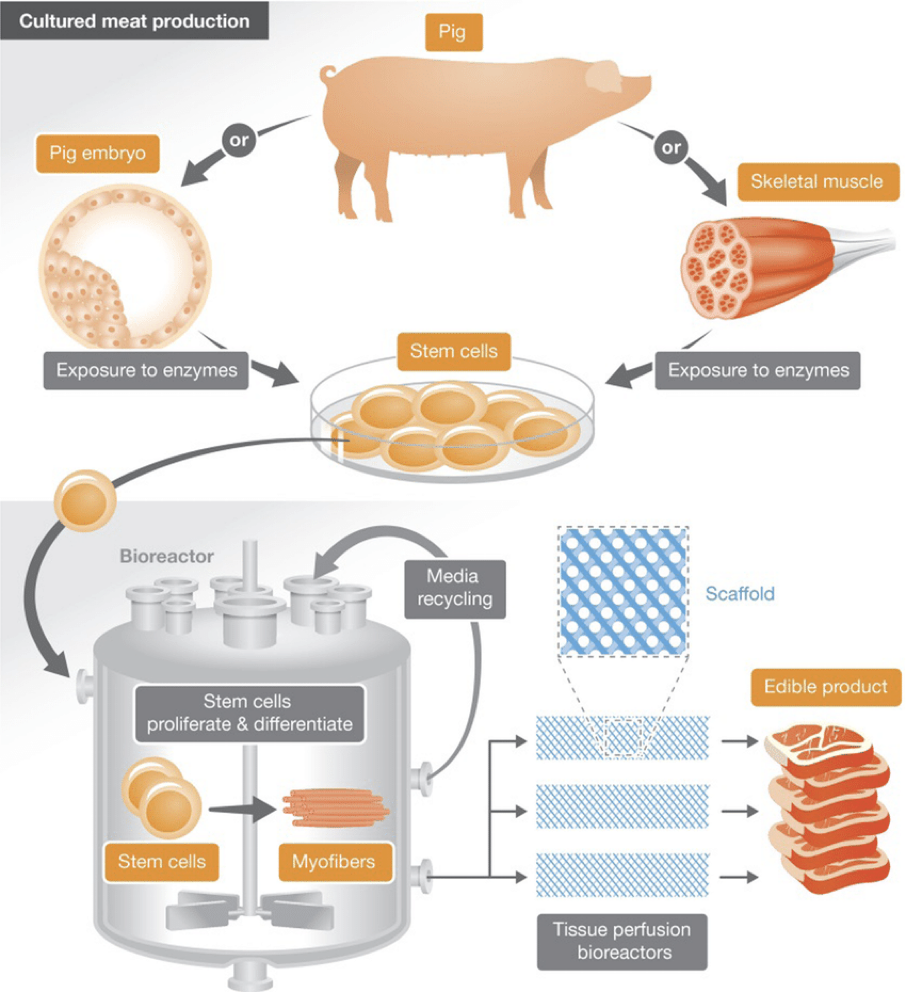
Figure 8: Cultivated pork production process. Source: (Tuomisto, 2018)
Technological innovation in cell agriculture can be seen as the accumulative result of different knowledge bases converging as a source of innovation and development (Zukauskaite & Moodysson, 2016, p. 592). According to Swartz & Bomkamp (n.d.) of the Good Food Institute, a global think tank on alternative protein, cell agriculture builds on decades of knowledge from a variety of fields, including stem cell research, tissue engineering, chemical and bioprocess engineering, fermentation and cell culture research. Animal tissue cultivation outside the animal body was first achieved in 1907 by Ross Granville Harrison, an American zoologist, who isolated frog nerve cells and cultured them in an external medium (Seedtable, 2022). Granville Harrison’s culture technique has since been vital to many biological applications in cancer research, the development of polio vaccines (ibid.) and in developing the cultivated meats for food purposes industry.
Fast-forwarding to the year 2013, Dutch scientist Mark Post presented the first cultivated meat burger on live television. Immediately after, four pioneer companies were established to further develop the technology, with more than 150 companies having emerged since, developing new technology or solutions for improving the value chain (Swartz & Bomkamp, n.d.). One such company is the Tallinn-based Gelatex, a materials company which has made significant breakthroughs with the structural aspects of cultivated meat production (see Box 5). In 2020, Singapore became the first country to approve the sale of cultivated meat, and in June of 2023, Eat Just and Upside Foods became the first companies accredited to commercialise their products in the USA (The Economist, 2023). These companies are not alone. As one expert explained, many companies are ready to scale up, but investors are hesitant, waiting for someone else to take the lead (Interview 5.4). In the meantime, experimentation is building expectations, such as the most recent ‘mammoth meatball’ created by Australian start-up Vow Food, made by mixing DNA extracted from ancient mammoth remains with that of elephants (The Economist, 2023). While such Frankenstein-like attempts may be successful in generating media hype, the success of cell ag will eventually depend on its ability to penetrate the regular food market and make products accessible to the regular consumer. The challenge will be to overcome the barriers to simultaneously scaling up and cutting costs.
Info Box 5: Gelatex, Estonia Gelatex, based in Tallinn, Estonia, is a specialised materials company focused on nanofibre production. Their venture into cell-cultured meat began in 2020, leveraging the applicability and technology transfer from their existing products, which were initially developed for the medical equipment industry. Their nanofibres have demonstrated high efficiency and have been extensively tested in the pharmaceutical sector. However, what was once deemed too futuristic and economically unviable now appears to be within reach due to the potential for economies of scale. The sustainability drive in the food tech market is bringing previously unimaginable products closer to reality. As one interviewee puts it, "We have all the necessary pieces; now we just need to assemble them." (Interview 5.4). Gelatex is not a producer of cell-cultured meat per se. It specialises in creating complex 3D scaffolding and microcarriers to be used by companies producing cell-cultured products, enabling the scaling up of cell-cultured meat production and achieving the desired texture. The microcarriers provide attachment points for the parent cells to proliferate inside bioreactors. At the same time, scaffolding solution aids in the development of muscle tissue that closely resembles conventional meat products in terms of texture, appearance and taste. In addition, Gelatex's technological innovation, known as HaloSpinTM, represents a breakthrough in scalable, continuous and cost-effective nanofibre material production on an industrial scale. In contrast to the slower, costlier electrospinning technology, HaloSpinTM enables more efficient production at higher speeds and results in a more porous material that mimics natural cell structures better than alternative solutions. This increases cell adhesion rate, reduces production costs and also provides an experience that more closely resembles conventional meat. Source: Wøien Meijer (2023) |
Molecular farming practices and gene editing
Molecular farming is also developing, and we have seen that certain plant proteins can be used in the development of pharmaceutical products and medicine. The production of such proteins and metabolites (a factor in metabolism) is what is termed “molecular farming”. Crop plants are a novel source of molecular medicine, but also low-cost and relatively simple to cultivate (Singh, A. et al., 2021). Plants have a long history of medicinal use, and molecular farming points to new innovation pathways. According to Singh et al. (2021), molecular farming can enable crop plants to become a source of enzymes, growth factors, plasma proteins and vaccines, to name but a few products.
Developments in crop plant production can also contribute to diversified food production. According to the Innogen Institute in Scotland, crop plant innovation using synthetic biology and gene editing can contribute to this shift and “create a niche-market sector populated by small companies delivering benefits to markets that are not of interest to the major agro-biotechnology multinational companies” (Innogen Institute, n.d.). For example, crop plants can be used in high-value protein production. In the Nordic Region, the Icelandic company ORF Genetics works with molecular farming, sourced specifically from barley crops, to produce growth factors for cultivated meat. Growth factors are a costly part of cell-based meat production, but using barley seeds for molecular farming can reduce these costs significantly due to barley’s ease of cultivation (Cell-based Tech, 2020). These crop diversifications grounded in newer scientific developments may help diversify the protein market over time, either directly through the crop itself or indirectly through, e.g., growth factors.
From a food security perspective, the extensive knowledge of plants already at our disposal could lead to more “efficient crop production” (Tait & Barker, 2011). Europe can become a frontrunner, also with regard to molecular farming, due to the preponderance of highly fertile agricultural land across the continent. There are, however, challenges: competing sustainability narratives, discussions on the role of science and technology in molecular farming, particularly in relation to the use of gene editing and genetic modification and the role of regulation, e.g. should the technology or the product deriving from the technology, be subjected to regulation? (Tait and Barker, 2011).
Innovation in conventional protein foods supply chains
In addition to the work of developing alternative proteins, significant innovations are ongoing across the supply chains for conventional proteins to improve sustainability. These include a wide range of practices, some enabled by technological innovation (e.g., AI in precision agriculture) and many that do not require technological innovations per se but rather the implementation of ‘good practices’ based on existing knowledge and improved standards. These processes are not mutually exclusive, and the implementation of existing knowledge often goes hand-in-hand with the application of modern technologies. The aim of innovation here is not to develop novel food products but rather to enhance the efficiency and sustainability of existing industries and supply chains.
One promising mechanism for reducing the environmental impacts of conventional food products is to implement new technology and state-of-the-art scientific knowledge. This can be achieved at both farm and commodity level (Katz-Rosene, Heffernan, & Arora, 2023). At a farm level, technologies such as sensors, drones, AI and other monitoring technologies, data analysis and precision agriculture can all help maximise the use of inputs (i.e., water, fertilisers, pesticides, etc.) and minimise the leakage of nutrients into the water streams (Randall, Vestergård, & Wøien Meijer, 2020). Some of these technologies may also be applied to improving animal wellbeing. In addition, biodigesters are becoming increasingly popular, as they can break down manure and other organic residues into organic fertiliser and capture methane gas, which is then burnt to generate electricity. Furthermore, new developments in breeding, bioengineering, feed additives, etc., can help reduce the environmental footprint of the livestock industry at a commodity level. For instance, feed additives could have a significant impact in cutting methane emissions if made available to more cattle farms.
Many practices based on traditional knowledge have attracted renewed attention, such as permaculture, pasturing of livestock (particularly rotational grazing), mixed animal/crop production and other practices applied in combination under the umbrella concepts of regenerative or holistic agriculture. These offer many benefits: revitalising ecosystems, enhancing biodiversity, soil improvement (including carbon capture), animal welfare , health, and protecting many communities’ livelihoods dependent on traditional activities. Proponents of these practices argue for changing carbon emissions’ accounting by taking the entire carbon cycle into account. A wealth of accumulated research on regenerative agriculture supports the potential for enhancing carbon sequestration in the soil through better management practices. One flagship venture is the MULTA project,
5.5.2. Final remarks on technological innovation and industrial development
To conclude this section on technological innovation, it is vital to highlight that innovation takes place across multiple areas, from conventional industries and products to new industrial processes and alternative products. It is worth noting that, in a practical sense, many of these developments occur largely independently of each other. In other words, research groups and businesses developing novel products rarely intersect (Interview 5.8). As a result, there is still a great deal of unexplored potential in combining different knowledge bases and technologies to improve the quality and taste of alternative proteins or to reduce costs. Many companies developing cell ag are increasingly considering the potential of hybrid meats to cut production costs by combining cultivated animal protein with plant protein (The Economist, 2023).
Another example of cross-fertilisation between knowledge bases can be found in the ‘Like:meat’ project conducted by the Research Institutes of Sweden (RISE) in partnership with two major industry partners, namely Lantmännen, a large Swedish agricultural co-operative that owns many food brands such as AXA, Kungsörnen and Norwegian conglomerate Orkla, with Swedish and international subsidiaries. The project aimed to overcome some of the current challenges faced by meat analogue products, including the low bioavailability of iron and zinc and other issues with digestibility, by combining extrusion with fermentation (RISE, n.d.). Fermentation helps reduce anti-nutritional factors and oligosaccharides (which cause physical discomfort). It can also facilitate extrusion by improving protein quality and reducing the starch content of protein concentrates, and it improves taste by reducing the aftertaste of legumes (ibid.). At first, the project’s lead scientist noted that the two industry heavyweights were uninterested in pursuing fermentation but became strong advocates midway through the process as they became more aware of the possibilities it offered (Interview 5.8).
These examples show that there is still much room to explore combining and utilising different technologies and protein sources. Finally, achieving the sustainability of the protein system overall requires innovations and improvements across several industries and scientific fields and at every step in the supply chains. Indeed, developments in primary, secondary and tertiary production are all complementary in promoting the protein shift.
5.6. Institutional innovation and consumer behaviour
In addition to technological innovation, there is a widely accepted argument that changing consumer behaviour is essential for creating a more sustainable food system. To this end, many interest groups are active in generating awareness and creating a support base in society. Public sector initiatives have also been set in motion to guide consumers. Many countries have developed national dietary recommendations which suggest a moderate consumption of red meats and generally more balanced diets. In a similar vein, the new Nordic Nutrition Recommendations (NNR) suggest that people should consume:
[…] a predominantly plant-based diet rich in vegetables, fruits, berries, pulses, potatoes and whole grains, ample amounts of fish and nuts, moderate intake of low-fat dairy products, limited intake of red meat, white meat, processed meat, alcohol, and processed foods containing high amounts of added fats, salt and sugar”
(NCM, 2023, p. 105).
The NNR document also suggests that proteins from plants or fungi could help replace a significant portion of animal proteins in Nordic diets without reducing the intake of recommended essential amino acids (NCM, 2023). However, Hartman and Siegrist (2017) argue that consumer awareness of environmental impacts is still limited and there is considerable reluctance to switch to alternative protein products, be they plant-based, insects or cultured meat. The EU’s Farm to Fork Strategy states that, in general, “European diets are not in line with national dietary recommendations” and points out that the environmental footprint of food systems could be significantly reduced if consumers were to follow them (European Commission, 2020). Instead, about 20% of the food produced in the EU is wasted and negative lifestyle issues such as obesity are on the rise, with over half the adult population being considered overweight (ibid.). This may imply that the increasing demand for protein is less an issue of technology or physiological need and more an issue of wealth and habit. Indeed, Clayton et al. (2018) note that despite major work already achieved in product development and in generating awareness, the main factors that determine consumers’ choices remain resolutely price, taste and convenience. To this, we might add that behaviour and willingness to alter consumption patterns are also directly influenced by where individuals position themselves in relation to the debate on sustainability and ethical food systems.
Nevertheless, the fact that the ‘protein shift’ is firmly on the agenda demonstrates that something is changing. Vegetarian and vegan diets have existed for decades, even centuries, but the increased focus on extreme weather events and the tangible effects of climate change have incentivised many new adherents. Growing consumer awareness has contributed to a gradually expanding market creation for alternative protein products. Especially in wealthier countries where meat has been the main source of protein for many years, the appetite for alternatives has grown more rapidly (McKinsey & Company, 2019). So far, Europe has been the largest market for meat analogues, with Germany, France, the Netherlands, the United Kingdom, Italy and Sweden the primary consumers (Béné & Lundy, 2023). At EU level, the market for plant-based meat and milk alternatives has seen annual growth of 14% and 11%, respectively, in the period 2013–2017 (Blom, et al., 2022). More recently, this trend is beginning to unfold in developing markets (McKinsey & Company, 2019), with Asia the fastest-growing market (Béné & Lundy, 2023).
According to Béné & Lundy (2023), the market for meat alternatives is projected to have an annual growth rate of 15–18% in the period 2020–2025 and reach annual sales of USD 12 billion and USD 17 billion by 2025 and 2027, respectively (Béné & Lundy, 2023). Indeed, the positive market outlook, supported by strong social media marketing campaigns, has generated significant interest among investors (McKinsey & Company, 2019). Many new businesses are rolling out new technologies, ingredients and innovative food products that more and more resemble the mouthfeel of animal products (McKinsey & Company, 2019). Béné & Lundy’s research reveals, on the one hand, that “the meat industry in both high- and lower-income countries, is rapidly changing “and, on the other, “that those changes have been driven -and continue to be driven- by markets forces and powerful actors”. Consequently, they believe it relevant to analyse the structure of the meat industry over recent decades to better understand its future structure (Béné & Lundy, 2023). Although there will most likely be an increased mix of options in protein products, the industry will nonetheless continue to be controlled by large corporations.
The increased popularity of alternative protein products should not necessarily lead to the conclusion that the market for animal-based products is in decline. Long-term trends show otherwise. The value of meat production worldwide has steadily ballooned from around USD 65 billion in 1961 to USD 366 billion in 2014 (Béné & Lundy, 2023). While the livestock industry has been preoccupied with the potential threat of environmental policies to meat consumption, the attitudes of many of the larger corporations with a stake in the meat industry have changed somewhat (Interview 5.6). Indeed, R&D in alternative protein products is, to a significant extent, in the hands of some of the corporations that have controlled much of the global meat industry for decades. Most transnational meat-and-dairy and fast-food corporations are heavily invested in acquiring existing plant-based substitute companies or in developing their own (Béné & Lundy, 2023). Bene and Lundy (2023) list a number of examples:
Cargill, for instance, invested in the lab grown meat company Aleph Farms, join ventured with the pea protein firm Puris, and later introduced its own plant-based meat substitute; JBS purchased Bio.Tech.Foods (a Spanish lab grown meat firm) in 2022 while investing another US$100M in developing lab grown meat. Other major agri-food TNCs who invested in alternative protein include Nestle who acquired Sweet Earth in 2017, Unilever who acquired The Vegetarian Butcher in 2018, Kerry Group who acquired a majority stake in Ojah (a Dutch company specialized in the production of plant-based ingredients), or Hormel who acquired Skippy and Justin’s, two peanut firms, in 2016 (Howard et al., 2021). Not to forget McDonald of course who ventured with Beyond Meat to develop their “McPlant” plant-based patty.”
(Béné & Lundy, 2023)
McKinsey & Company (2019) observe that most fast-food chains now offer vegetarian variants of their most popular menu items. Therefore, although the emergence of alternative proteins may threaten the meat industry, major corporations are not missing out on the chance to profit from them. On the contrary, one expert noted that while many companies within the meat industry – also in the Nordic countries - initially opposed protein alternatives, they have now changed tack and view them as a new promising market segment rather than a potential threat (Interview 5.6).
5.6.1. Policy and regulatory implications on the protein shift
Given that social awareness alone is insufficient to generate substantial behavioural change, additional measures are needed to effect the protein shift. The EU’s increasingly ambitious climate and environmental policies have the potential to generate sizable action and perhaps even regime change in food systems in general. The Common Agriculture Policy (CAP) for the period of 2023–2027, approved in 2021, established that 5% of arable land must be devoted to the benefit of biodiversity as a pre-condition for farmers receiving subsidies (European Commission, 2021). Moreover, the nature restoration law approved in the summer of 2023 by the EU Parliament is expected to have even further impacts on agricultural activity by committing more areas to biodiversity restoration. Furthermore, the EU Farm to Fork Strategy sets targets to reduce the use of pesticides and fertilisers, increase organic agriculture and commit to mitigating the impact of the protein ‘sector’ (European Commission, 2020). As the strategy states:
“To help reduce the environmental and climate impact of animal production, avoid carbon leakage through imports and to support the ongoing transition towards more sustainable livestock farming, the Commission will facilitate the placing on the market of sustainable and innovative feed additives. It will examine EU rules to reduce the dependency on critical feed materials (e.g. soya grown on deforested land) by fostering EU-grown plant proteins as well as alternative feed materials such as insects, marine feed stocks (e.g. algae) and by-products from the bio-economy (e.g. fish waste)” (European Commission, 2020)
To pursue these goals, the EU Horizon Europe programme has allocated EUR 10 billion for investment in R&D in the fields of food, bio-economy, natural resources, agriculture, fisheries, aquaculture and environment and to increase the application of digital technologies and nature-based solutions in the agri-food sector (Euro Funding, n.d.). This funding is intended to help develop and test solutions, overcome bottlenecks and create new market opportunities (ibid.). One beneficiary of this programme is the Swedish company Mycorena (see earlier chapters). Along with the Austrian start-up Revo Foods, it has received a EUR 1.5 million grant for its venture project to reinvent 3D-printed food using customised mycoprotein (Mycorena, 2023).
However, regulation can sometimes be barriers and slow innovation, and may even backfire by negatively affecting the local market, such as that of commodity crops. One example is legume cultivation in Sweden. Over time, it has experienced waves of expansion and contraction as a direct result of policy and regulatory shifts. A recent report by the Swedish Board of Agriculture shows that the production of legumes dropped dramatically in Sweden to a total area of just under 10,000 ha. as a result of widespread deregulation in the early 1990s (Blom et al., 2022). By the late 1990s, production had rapidly expanded again to 60,000 ha. due to agricultural support schemes introduced as part of Sweden’s accession to the EU (ibid.). Changes to the Common Agricultural Policy in 2005 cut support for protein crops and resulted in a new drop to 25,000 ha., but the tide soon turned again, and production grew steadily to reach its peak of 65,000 ha. in 2016, mainly as a result of increased demand for organic milk (ibid.). Since then, production has fallen again to around 50,000 ha. in 2021, partly due to tightening regulations prohibiting the use of chemical plant protection agents in areas designated for organic production (ibid.). Therefore, there are reasons to be cautious when drawing conclusions about the possibilities of increasing sustainability in the food sector with the new wave of regulations emerging from the EU if these are not paired with additional measures to help markets absorb the impacts and adapt.
In terms of innovation, the EU Novel Food Regulation is of key importance, influencing the type and speed of technological advances in food technologies. In 1997, in response to the need for standardised food laws and concerns raised by the public regarding unregulated imports of genetically modified soy, the European Commission introduced the Novel Food Regulation (Tzvia et al., 2020). This regulation established a complex and costly authorisation process for introducing new foods and ingredients into the EU market, particularly those that had not been widely consumed in the block prior to 1997. As this applies to various potential raw materials used in meat substitutes, it has posed a significant obstacle for companies wanting to experiment with certain ingredients (Tzvia, 2020, p. 222). However, experimentation has prevailed and companies are still able to innovate based on known input factors (i.e., existing sources of protein).
According to interviews, the Novel Food Regulation is a necessary but sluggish institution (Interviews 5.4; 5.7). The sheer time spent on filing novel-food applications incentivises product perfection to avoid having to go through the process twice but also generates a reluctance to create entirely new products with new ingredients. The regulation has also proven to be somewhat rigid in relation to innovation. For example, feed used for growing fungi needs to come from uncontroversial sources. In other words, working with other actors, such as bakeries or other foodstuff producers, to capitalise on waste streams as feed for fungi is not automatically approved. This is because the definition of ‘waste’ suggests that fungi feeding on waste resources might not be safe.
At national level, there are various policy initiatives to help create industrial change and enable the protein shift. The Swedish Food Production Strategy 2.0 (Livsmedelstrategin 2.0), for instance, is intended to provide a long-term strategy that supports all aspects of Swedish food production, and it is the first of its kind to include the entire food production chain (Regeringskansliet, 2023). It envisages increased sustainable food production that contributes to more jobs and sustainable growth across the country, to conscious consumption with the aim of providing consumers with “better preconditions for making conscious choices” (Regeringskansliet, 2023). To this end, there is an increasing number of funding programmes investing in R&D in alternative proteins. Vinnova, the Swedish innovation agency, has funded many projects aimed at supporting innovation and development in the local alternative products industry. Similarly, the Swedish Agency for Regional Growth is working in a missions-oriented way with key actors to change the food system as part of the government’s food production strategy (Tillväxtverket, 2023).
In 2021, Vinnova, with a total budget of SEK 20 million, launched a call for projects to boost innovations that would enhance Swedish processing of plant-based raw materials and create conditions for development along the entire plant-based value chain (Vinnova, 2021). One example is Like:meat, mentioned previously, where Vinnova funding supports local actors in all stages of development, from basic laboratory research through piloting phases to scaling up for industrial processing (RISE, n.d.). By involving some of the largest industrial players in Sweden, the venture is likely to ensure that R&D product development can have a market impact – as these actors have the resources and capacity to introduce new products. Indeed, Lantmännen, one of the industry players involved, has already announced that it will establish a factory for producing protein isolates (Interview 5.8). More recently, in 2023, Vinnova opened up for any relevant stakeholder to contribute and influence the design of ‘Programme A: new recipe for the food system’, which intends to help Sweden “meet the system and policy challenges that hinder innovation and change in the food area” and where the protein shift has been selected as one of five priority focus areas (Vinnova, 2023). In addition to this general input call, 51 organisations have become more actively involved in addressing the five selected themes. In the protein shift focus area, the task force comprises a mixture of non-profit, research and private actors, including Axfoundation, Djurens Rätt, Hasta Eco AB, Damn Gott/Chou, KTH, Millow AB, RISE, the World Wildlife Fund and Swedish consumers (ibid.). At the end of 2023, several projects were awarded a grant by Vinnova to further elaborate on the protein transition and food systems (Vinnova, 2023).
Country-wide strategies, such as the Swedish one, do not currently exist in Denmark and Norway, but food strategies are in place at local and regional levels. Denmark and Norway both have funding bodies that target the development of bioeconomic and agricultural innovation, namely Bionova and Nofima in Norway and the Food and Biocluster in Denmark, and goals to strengthen R&D for food production have been drawn up (Innovation Norway, 2023; Innovationsfonden, 2023). In Denmark, regional farmer co-operatives such as Vestjyllands Andel are making great strides in diversifying and innovating their product portfolio, both by supporting new ventures, e.g. in grass protein production and using marine proteins found in starfish (Interview 5.3), as well as entering partnerships with other regional actors such as Ausumgaard and BioMass Protein. They informed us that Vestjyllands Andel is now reacting to the increased demand for locally sourced protein to reduce dependency on global value chains. In other words, sustainability narratives play a role in influencing market actors. In Norway, initiatives have also been taken by partnerships between waste management companies and alternative protein production companies, such as the inter-municipal waste management company IRIS and the larvae production company ECOPROT (Wøien Meijer M. , Forthcoming).
Furthermore, it is important to note that efforts to support the protein shift exist within a broader political, institutional and regulatory context, where longstanding legislation, the organisation of public administration and industrial policy traditions, as well as the political mood music of any given time, all serve as the background from which innovations may emerge. For instance, RISE is a well-established network of research centres in place all across Sweden, with a mission to support the innovation and competitiveness of Swedish industry and business. RISE comprises over 130 testbeds and demonstration environments for new technologies, products and services and works closely with industry, academia and the public sector. Therefore, the institute has a central role to play where there is demand for applied science and product development, including (but not exclusively) the development of novel food products. National research councils and funding bodies operate under a similar logic by supporting research based on broader societal needs and trends without necessarily ‘picking winners’. Research funds may also target certain developments or industries more directly, such as the project calls from Vinnova described earlier. However, targeted support for certain developments may be too short-lived to effectively help in the initial steps of research development or to incentivise market development or may be discontinued if over-reliant on market trends or the political mood. As one expert recalls, there was a large wave of research investment in the 1980s with Nestlé, Unilever and other major players putting many resources into meat analogues, which resulted in rapid development that later stagnated, probably for market reasons (Interview 5.8). More recently, although the Swedish funding bodies have allocated increased resources towards the development of alternative protein products, this funding stream seems to be slowing down again.
5.6.2. Final remarks on institutional innovation and consumer behaviours
Social awareness and consumer behaviour have played an important role in pushing for political action and have expanded the market for alternative proteins and innovative and ethically produced foods. It has also urged regulators to establish stricter sustainability standards in conventional agriculture. Change agency in the protein shift is clearly coming from society, not merely through altered consumption behaviour, but also through pushes for ambitious regulation, for instance, around biodiversity protection, which in turn is directly impacting agricultural land use for certain crops.
However, increased awareness and demand do not appear to lead to one single behavioural pattern but to multiple varied ones, as consumer choices are also influenced by other factors, such as habit, culture, purchasing power and convenience, as well as where individuals position themselves in relation to the wider debate about sustainability and ethical food systems.
To ensure a more stable framework embedded in sustainability issues, more ambitious policy measures are necessary to induce a more profound transformation of the food system. So far, however, legislation and policy measures have mostly focused on improving practices and incentivising innovation rather than introducing punitive measures to restrict animal-based products, such as outright bans or targeted taxes. Whether such measures are desirable is beyond the scope and purpose of this study.
5.7. Systems perspectives on the protein shift
The protein shift is essentially a case of systems innovation. However, the extent to which the food system will change as a result of ongoing technological and product innovations or regulation remains unclear. While innovations are actually occurring across all parts of the system, these remain incremental for the moment and they necessarily eliminate other existing innovation structures. Indeed, the alternative proteins segment in food production represents a case of both new and old practices meshing together, as well as traditional and modern businesses. However, a complete transformation of the food system, in which protein sub-systems are embedded, would require radical innovation within the regulatory framework, major technological regime changes, re-organisation of business structures and global food trade, financial models and, most importantly, a process of socio-cultural engineering. However, some fundamental structures seem to go largely unchallenged. Dominant transnational corporations in today’s food systems are rapidly appropriating the market for alternative protein products, meaning that even if a greater diversification of protein products is achieved, overall business structures would remain relatively unchanged on a global scale. However, if we zoom in on different territories, the production of plant proteins and other novel food products may induce new economic opportunities at a more local level.
In terms of primary production, it has yet to be seen whether developments in both technology and regulation will significantly challenge conventional agriculture and livestock farming practices or whether meat and dairy consumption will be radically reduced. This pertains both to consumer behaviour and consumer demand, which largely depends on price and convenience. A range of other factors, such as culture, tradition, territory, resources and available production means, are also important elements to consider. This shows the complexity of transformations, the role of consumer agency and the need for innovation and systems perspectives across the board. Farming structures have already undergone substantial transformation in Europe over several decades, including increasing farm size and reducing manual labour. However, these changes have much more to do with common market competitiveness and the design of subsidy schemes than with the sustainability agenda. Indeed, intensive agricultural practices are unlikely to grind to a halt anytime soon despite strong lobbying efforts against them. On the contrary, the needs of an ever-increasing global population coupled with declining manual labour demographics in agricultural production merely reinforce this industrial intensification. However, significant improvements over time are nonetheless likely to happen in terms of efficiency, animal welfare, and reduction of the environmental footprint, due to consumer pressure and tighter regulations. For example, the increased use of technologies in precision agriculture may yet serve as a way to support a ‘positive’ and ‘green’ narrative based on intensification.
5.7.1. The role of innovation and agency in protein supply and value chains
It is clear that new developments in the food technology industry do not appear out of nowhere but are the product of the involvement of several actors together with strong institutional drivers to create, renew and extend innovation pathways. The pooling of powers, resources and competences – or different types of agency – and the application of both new and traditional knowledge and practices – is enabling the protein shift.
Companies within the alternative proteins segment build on pre-existing knowledge and operate within the conditions of an existing market. Systems innovation is evidently tied to companies taking on risk in developing new products or adapting existing products and their business models. This happens in co-operation with the research community that can bring new technologies and new knowledge to the table or that can support businesses in applying existing knowledge in new ways or as a response to new market opportunities. Moreover, this also occurs in a context where institutional frameworks are being adapted to encourage change – and by doing so, opening new opportunity spaces for entrepreneurs to explore. Taking the climate movement and the increased popular demand for alternatives, we can also clearly discern structure-agency dynamics in the food technology sector, where innovation and institutions are co-dependent (Tzvia, Negro, Kalfagianni, & Hekkert, 2020; Zukauskaite & Moodysson, 2016).
New technology and practices in both farming and agriculture, endogenous developments in existing industrial processes, new techniques, new processes, new products, new food ingredients and the basic science driving the protein shift are all elements that encourage new directions in the food system. The role of agency in this innovative space is evident: Without sectoral pioneers or sectoral actors taking a leap of faith and innovating in technique, processes and products would be much slower. It is a bottom-up process, aided by the broad financial frameworks available to innovation and business, as well as the increasingly accessible green financing opportunities. A more general societal awareness of the impact of individual choice is also an important enabler for new market creation in sustainable options. In the Nordic Region, it is clear that the space within which the protein shift is unfolding is conducive to risk taking and innovation, albeit challenged by sluggish regulatory and legislative processes and a slower move towards extracting plant proteins and developing PSPFs, compared to, e.g. Germany, which has a large and established market.
However, demand in the Nordic countries could easily be absorbed by international suppliers. But the winds are changing, and companies in Denmark and Sweden are starting to catch up (Interview 5.6). This arguably demonstrates that the market for alternative proteins is maturing in Sweden. Indeed, Växtbaserat Sverige, an industry umbrella organisation, states that plant-based foods have increased by 15% to 30% annually over the past five years for their members, giving a promising outlook for the future (Blom et al., 2022). A scientist working with product development at RISE notes that it is mostly large companies that have requested support in developing new PSFPs, whilst smaller companies and ventures may do this work in-house despite being limited by their own capacities (Interview 5.8). A different interviewee points out that small companies can be nimbler and more open to change: They can generate new ideas and encourage diversity, but larger companies retain greater capacity to scale up, have more know-how, logistics and links throughout the supply chain and can cut costs more effectively making new products affordable for everyone (interview 5.6)
5.7.2. The role of place in protein development
Multi-actor involvement in pooling actions, resources and competences often occurs in a specific institutional context and place-based business ecosystem.
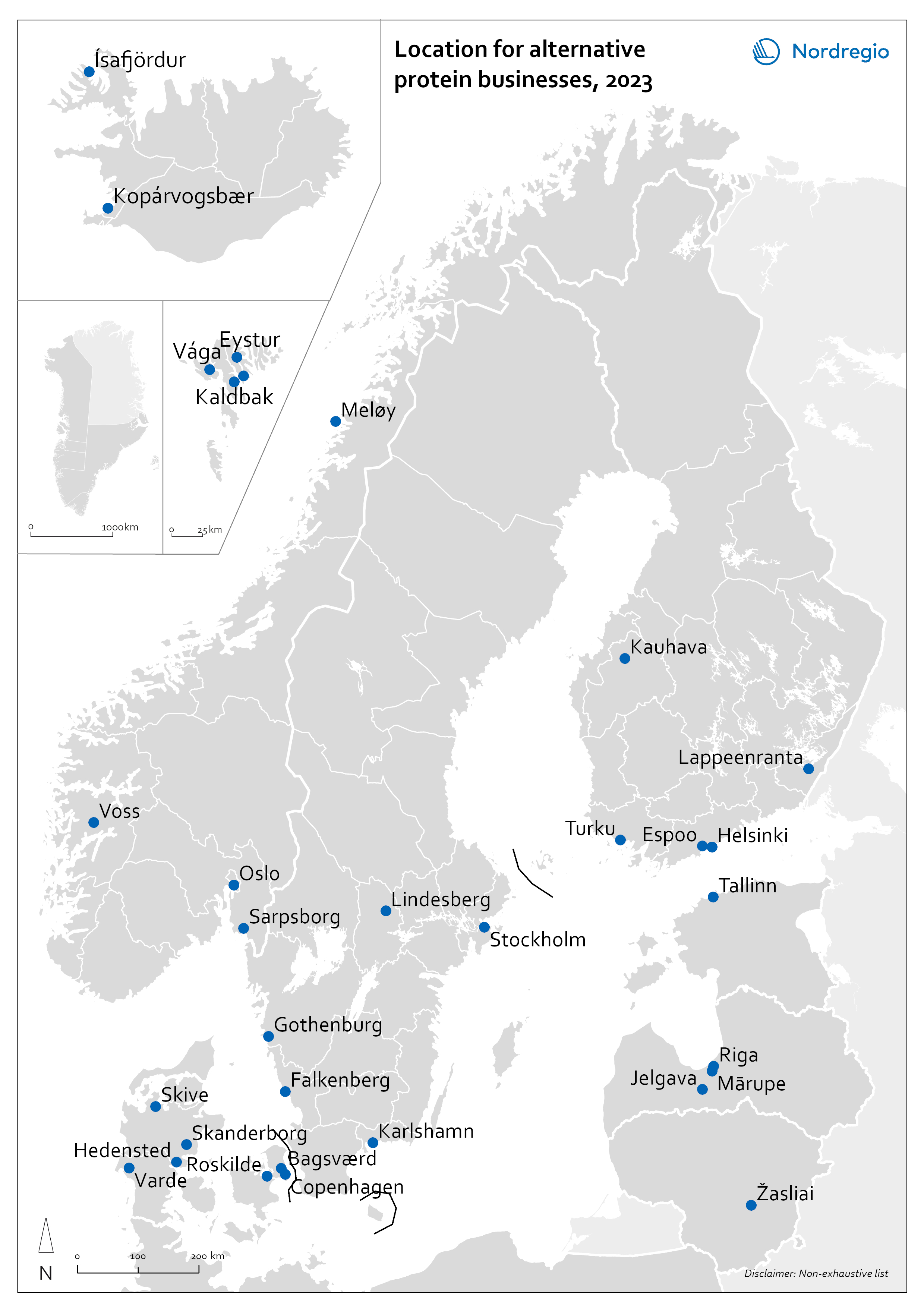
Map 1: Location of alternative businesses in the Nordic and Baltic regions, 2023. This list is not exhaustive. Map: Maria Bobrinskaya, Nordregio in Wøien Meijer (forthcoming).
The role of these various factors can be observed in the thirty-six cases mapped in Wøien Meijer (2023), (see map 1). The role of “place” matters, but less so in connection to specific typologies such as rural or urban qualities than in relation to different forms of “proximity”. Based on the type of company, product and location, it may seem that the proximity to specific qualities in a place, such as university facilities or a highly specialised labour force is important. In these cases, it is clear that the existing knowledge bases available to the companies in these areas shape the company’s trajectory and, therefore, their ability to innovate, change and learn (Wøien Meijer M. , Forthcoming). In three specific cases, it seems that existing food production companies or raw material networks were important, as were existing infrastructures. Other cases reveal the importance of knowledge ‘proximities’, such as Solar Foods and its connection to the University of Lappeenranta in Finland, the Estonian company Gelatex’s roots in the University of Tartu and its current location in the Estonian capital Tallinn and the links between BioMass Protein and the University of Aalborg in Denmark (Wøien Meijer M. , Forthcoming). The latter also has a direct connection to its location as it relies on local suppliers of grass. However, company development has been decisively connected to the university and their researchers’ skills and scientific competencies, e.g. in learning how to extract white proteins from green proteins.
From a regional perspective, the location of alternative protein businesses seems to be less relevant in relation to access to raw materials than to existing networks or competences in the surrounding area. Nonetheless, these two are often interlinked as networks can emerge at the intersection of different actors in the supply chain.
At the same time, food supply chains are now extremely globalised, which means that there is a complex interplay between place-based and global dynamics in food production and trade. This adds a higher level of complexity to the design of policies to promote development, be it for technological innovation or improving food system sustainability. For instance, Sweden would need to increase its production of legumes by 8,000 ha. to replace current imports and an additional 140,000 ha. to replace imported soybeans, primarily used for feed (Blom et al., 2022). Yet legume production in Sweden has declined from 65,000 ha. to under 50,000 ha. between 2016 and 2021 (ibid.). Increasing production would require greater profit margins compared to other crops, but also increases in the domestic legume processing industry and demand for PSPFs. However, this is difficult to achieve due to the price and quality of imported soybeans. Therefore, achieving the protein shift is dependent on both the ability to upscale place-based developments and react to changes on the global stage.
5.7.3. The role of narratives and the key actors supporting them
As previously laid out, the meta-narratives built around the societal debate play a significant role in shaping the path towards the protein shift, thereby influencing the actions of decision makers, businesses and individuals. Of particular note is the often black-and-white debates that emerge when food comes under discussion. Supporters of the protein shift do not necessarily all subscribe to the same views on sustainability within the food systems but may offer alternative paths on how to conduct this process. Likewise, it is important to pay attention to both supporters and detractors of change (and what they may stand to gain or lose).
This brings to the fore the debate between pro- and anti-livestock interest groups and some segments of society. Defenders of the livestock industry are many. Major transnational agri-food corporations (TNCs) such as JBS, Tyson Foods, Cargill and Smithfield have invested billions of dollars in the sector, and thus, it is unsurprising that they have exerted significant efforts in defending their interests. There are also many other pro-livestock actors, including many smallholders, academics and professionals (Béné & Lundy, 2023). On the opposing side are the many international environmental or conservation organisations and global experts that advocate for a drastic reduction in ASFPs production and consumption (ibid.). In addition, there is an increasing number of players proactively promoting alternative protein-based systems in several countries, such as Germany, South Korea, the United Kingdom and the Netherlands (Béné & Lundy, 2023). Several universities and think tanks in the Netherlands are particularly vocal in advocating for transition in the protein shift debate.
Looking beyond the pro- and anti-livestock ‘battle’, Katz-Rosene et al. (2023) point out that adherents to a ‘modernising protein’ narrative based on scientific and technological advancement include not only major corporations within the conventional food systems, manufacturers of agriculture equipment and fertiliser companies, but also ‘a range of sustainability policy associations’ (Katz-Rosene et al., 2023). Advocates for ‘reconstituting protein’ or a transition to alternative proteins, both PSPFs and NPFPs, “include venture capitalist firms and food tech entrepreneurs which have invested or launched high-profile novel protein food products” and associations that support the development of new markets for NPFPs, such as the Good Food Institute and RethinkX (ibid.). In contrast, advocates for ‘regenerating protein’ include mostly pastoralists and a range of small-scale producers based on regenerative or holistic agriculture and other traditional practices.
In Figure 9, Katz-Rosene et al. (2023) map a number of organisations and interest groups and position them according to the narrative and pathway they adhere to (modernising protein, reconstituting protein and regenerative protein). Here, it is possible to observe that certain actors and interest groups clearly subscribe to one of the three narratives, while others have overlapping views across narratives. For instance, small-scale producers are threatened by large corporations, while some of them are also threatened by potential measures discouraging the conventional protein foods market: as a result, it is clear that markedly support the regenerative protein sphere. The Savory Institute, also placed within the same sphere, is perhaps the strongest voice in favour of regenerative practices in animal farming, which both opposes those seeking aternatives, but also supports intensive farming practices. Many within the vegan and vegetarian communities are in favour of replacing meat consumption and using technology to develop novel foods, some of which are, in fact, highly processed products. However, others within this community are in favour of ‘natural products’ (as in not heavily processed and produced using more traditional processes). Thus they are situated in an overlapping position between modernising and reconstituting protein spheres, but also close to the regenerative protein sphere.
In Figure 9, Katz-Rosene et al. (2023) map a number of organisations and interest groups and position them according to the narrative and pathway they adhere to (modernising protein, reconstituting protein and regenerative protein). Here, it is possible to observe that certain actors and interest groups clearly subscribe to one of the three narratives, while others have overlapping views across narratives. For instance, small-scale producers are threatened by large corporations, while some of them are also threatened by potential measures discouraging the conventional protein foods market: as a result, it is clear that markedly support the regenerative protein sphere. The Savory Institute, also placed within the same sphere, is perhaps the strongest voice in favour of regenerative practices in animal farming, which both opposes those seeking aternatives, but also supports intensive farming practices. Many within the vegan and vegetarian communities are in favour of replacing meat consumption and using technology to develop novel foods, some of which are, in fact, highly processed products. However, others within this community are in favour of ‘natural products’ (as in not heavily processed and produced using more traditional processes). Thus they are situated in an overlapping position between modernising and reconstituting protein spheres, but also close to the regenerative protein sphere.
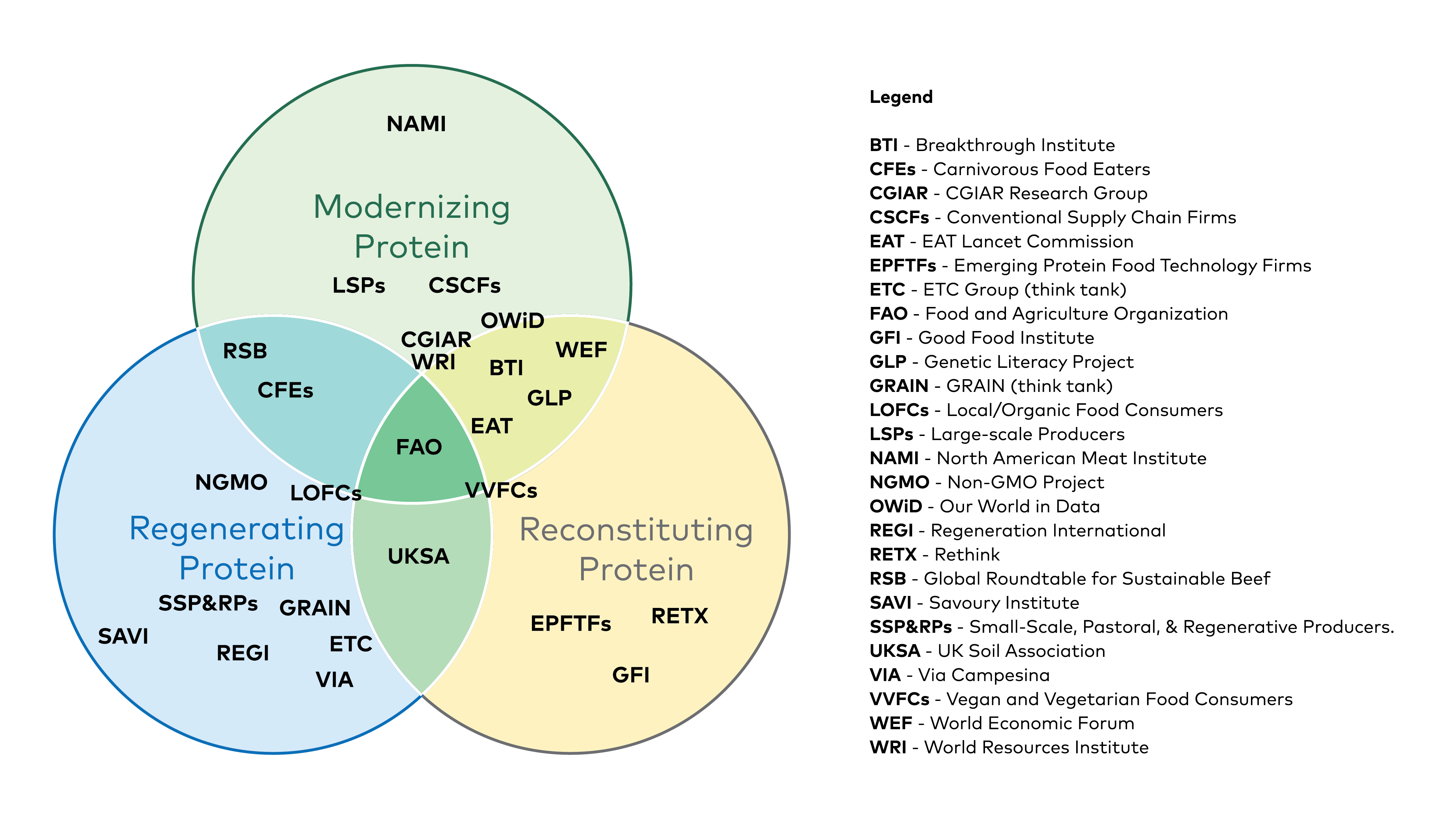
Figure 9. A Representative Sample of Meta-Narrative Coalition Leanings. Source: Adapted from Katz-Rosene et al., (2023) Re-design: Kotryna Juškaitė, Nordregio.
These meta-narratives and the black-and-white debate heavily influence the direction the protein shift is taking. This tug of war between the various factions of actors in the protein shift will ultimately be decided by those who manage to bridge the three meta-narratives and communicate their policy “imaginaries”, ideas and constructs to a wider audience. This also depends on the relative weight these agents carry on the global stage.
5.8. Conclusions: The roles of actors in driving change in the protein shift
This case study presented a general overview of the role of agency in the protein shift as one example of ‘green innovation’ in the food sector. The food system is built on several interlinked sub-systems in several different industries and is found in many parts of the world. Assuming a holistic view when studying innovation systems in the protein shift requires analysing simultaneous processes in interlinked and separate industrial ecosystems, each with its own historical traditions and development path consisting of different companies, supply chains and networks, as well as the application of different equipment, technologies and practices. Similar to the energy sector, the protein shift is leading to a process of industrial and resource diversification, which in combination could play a part in addressing sustainability challenges.
The processes leading to the diversification of products and protein sources used for food and feed, as well as the many developments in industrial and production processes, reveal that innovation is taking place in all parts of the value chains across many industries and scientific fields. However, the protein shift is certainly not moving in a single direction, nor is it co-ordinated by a single player: it is evolving in multiple directions at once and involves a myriad of different actors, who intentionally or unintentionally, aware or unaware, all contribute to the transformation of food and protein systems. New start-ups and companies play an important role by using cutting-edge technologies, such as in cell ag and precision fermentation, as well as applying known technologies, such as extraction or extrusion of plant proteins or from fish waste. At the same time, existing companies also continue to play an important role in incremental innovation within primary production and processing industries. As old and new practices are meshed together, academia and research actors are at the centre of these developments. Indeed, scientists are often found spearheading the development of new technologies for protein production themselves, either by creating their own companies or being indirectly involved in new ventures.
From a regional perspective, geographical proximity seems to be a relevant factor in many new businesses, start-ups and other developments. Yet this may have more to do with the business ecosystem and access to knowledge and competences in the area rather than access to raw materials, given the extremes to which food supply chains are now globalised. Indeed, local development’s reliance on global food chains is undeniable, and any place-based action aimed at contributing to the protein shift is inevitably bound to developments in the global sphere. One point of uncertainty revolves around the future business framework for alternative protein products and the distribution of the benefits. This concern arises from the increasing control of research and development concentrated in the hands of a handful of established global corporations as they absorb start-ups and small to medium-sized enterprises with inventive technologies and products. Within the Nordic countries, the innovation and start-up ecosystem appears currently to be extremely dynamic in relation to new products and technologies surrounding the protein shift. However, a similar pattern to the wider global trend is also visible, where major companies and corporations have a greater capacity for R&D investment and in scaling up innovations and, therefore, eventually absorbing the smaller players.
Innovation in alternative protein sources and protein-rich products appears to be insufficient in addressing the environmental challenges. While the growing global population is an important factor in increasing the demand for protein-rich products, the increased intake of proteins as a total share of people’s diet seems to be less related to ‘need’ but to food preference or habit and purchasing power. Furthermore, plant-based products are already a main protein source, which means food innovations (e.g., meat analogues) seem to be more relevant in helping consumers make different choices without significantly changing their habits (mentally) than in filling a technological gap (since plant proteins, such as fava beans or peas, do not necessarily need to be processed into new products to obtain the protein). Indeed, an important finding of this study is that the role of consumer behaviour should be more carefully assessed. While it is true that the general shift in values and awareness has generated innovation and a market pull for alternative protein products, caution should be advised in concluding that this automatically leads to increased sustainability. Overconsumption of proteins, high levels of food waste and the fact that alternative protein products also have an environmental footprint go some way to explaining this.
Technological innovations need additional measures to reduce the protein intake, such as regulation, taxation and more profound efforts to influence people’s overall preferences and choices. EU and national regulations and strategies have been an important driver, and a new wave of ambitious regulations from the EU have the potential to generate substantial change. However, there is as of yet no regulation directly banning or disincentivising the consumption of conventional protein products, so novel food products do not occupy an enviable market position for the moment. Policies, however, have other softer but more substantial ways of incentivising innovation, not to mention financial incentives, R&D funding and securing a permanent ecosystem of innovation with test beds, incubators and a whole range of support instruments. The highly globalised nature of the food system makes it less predictable as to whether policies will generate sufficient change locally without simply transferring the problems to third parties or other countries.
All in all, the way the protein shift will be shaped in coming years seems to be largely dependent on the way different sustainability narratives are able to convince consumers, businesses and decision-makers to take action and, more complicatedly, what type of action. Indeed, even those in favour of the sustainability agenda may not agree on the specifics regarding the path towards the protein shift or the problem formulation. This is closely related to the multi-dimensional nature of the debate, including various ethical, sustainability, economic, cultural, societal and geographical considerations. Therefore, rather than directing radical support towards one narrative, a multi-pathway approach may seem a more realistic way to appease the different interest groups, while at the same time improving the overall sustainability of the food and protein systems. In practice, this means that technological innovations, in combination with tighter regulation, will continue to deliver solutions for the intensification of food production and the diversification of protein food products in the market, while at the same time, traditional practices may well experience a renaissance.