Photo: Louise Ögland, Nordregio
Competence mobility in the Nordic Region
To reach the ambitious goal of the Nordic Council of Ministers, to be the most integrated and sustainable region in the world 2030, the freedom of movement and cross-border mobility plays a crucial role.
With the aim of increasing knowledge about competence mobility in the Nordic Region, we set out to increase knowledge about both Nordic migration and commuting, but also learn more about opportunities and challenges encountered by those involved in cross-border mobility.
A key finding was that the Nordic population is not as mobile as we may think. While about 40,000 people per year move to another Nordic country, 49,000 commute to another Nordic country. Despite need for improved statistics in this area, the figures indicate that the Nordics are performing below the EU averages. While bureaucratic administrative obstacles relating to eID, taxation difficulties and bringing social security benefits across national borders are mentioned as major obstacles for taking a job in another Nordic country, opportunities highlighted include higher salaries, social relations or experiencing something new. With regard to the decreasing differences in standards of living between the Nordic countries, this may indicate that Nordic mobility is more an issue of attractivity and pull factors than of push factors.
The freedom of movement and smooth mobility of skills and labour across the borders, is fundamental to reach the Nordic vision of being the most sustainable and integrated region in 2030.- Hans-Peter Carlson, cross-border representative Sweden
BOX: Empirical studies of competence mobility across national border
- Greater Copenhagen
- Vestfold Telemark Region
- Greenland
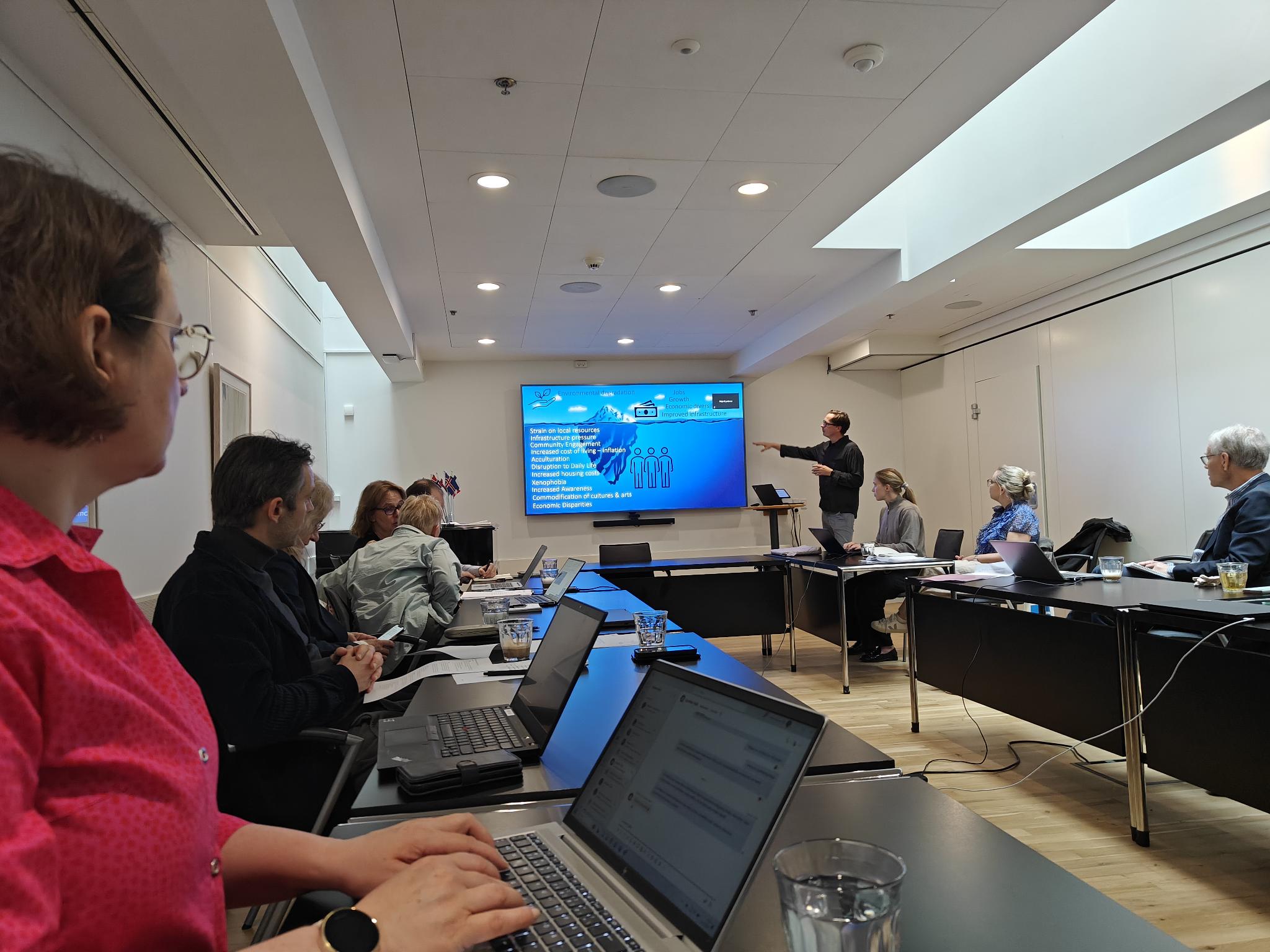
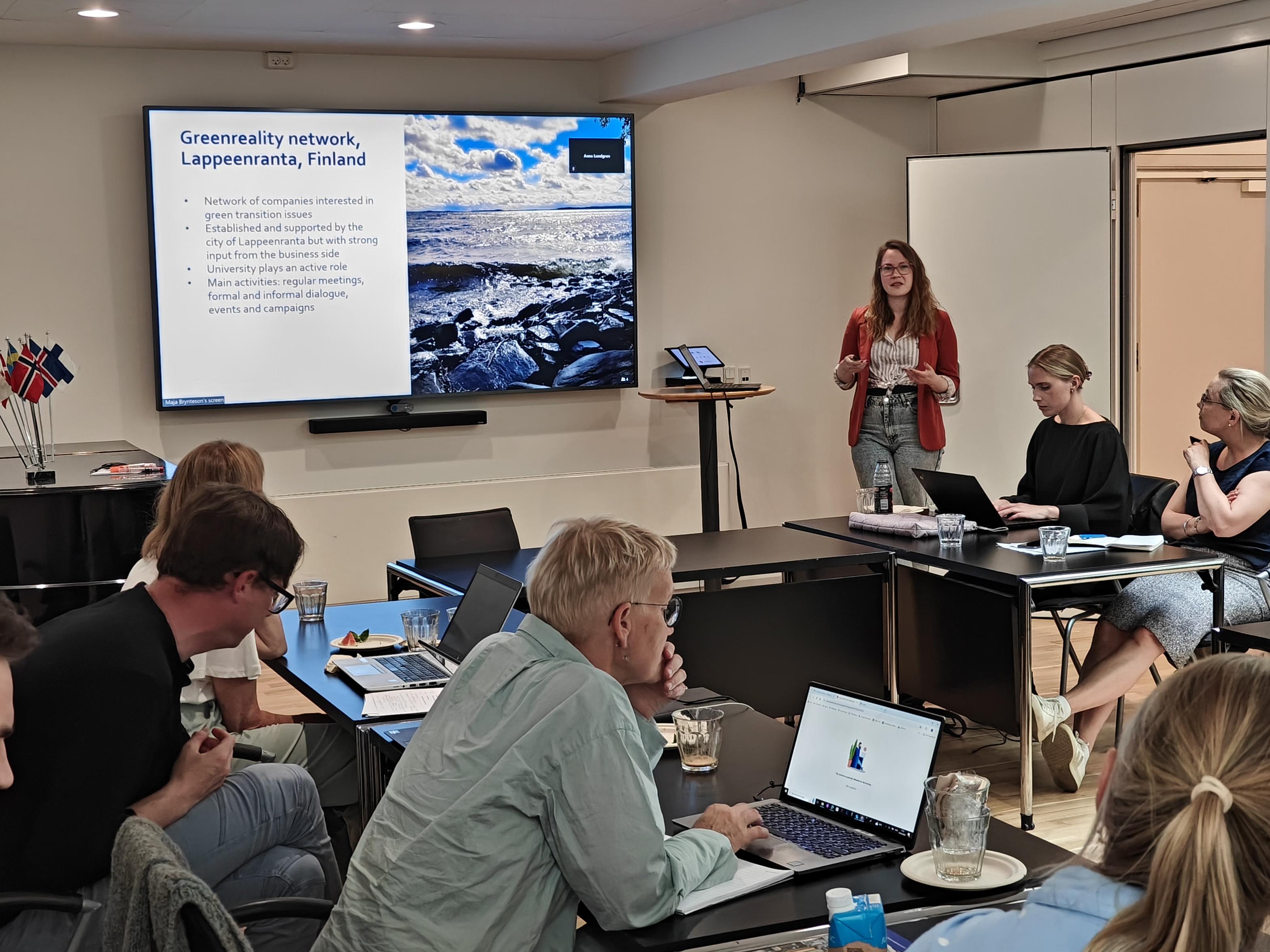
Photos: Anne Katrine Ebbesen, Nordregio
However, mobility across the national borders in the Nordic Region is not the only challenge, also the global trend of urbanisation and ageing population are seen in the Nordic Region which present challenges, especially in rural areas coping with declining populations.
To gain deeper insights into the mobility patterns of young people in the Nordics, we set out to understand the drivers and barriers to moving, as well as their aspirations for relocation in the project “Early Career Mobility”. The results indicate that the desire to move among people under 40 years of age in the Nordics can be mapped on a matrix based on their personal bond to their place of origin and their ability and willingness to lead a mobile life. Those who lead highly mobile lives tend to seize various opportunities and keep moving. However, the patterns and reasons for moving, aside from a strong connection to their place of origin, vary across the Nordic countries. Excluding the obvious drivers of education and employment, these reasons range from seeking affordable housing and following a romantic partner to pursuing a more urban lifestyle. By understanding the factors driving young people's migration, regional actors can better prepare for and respond to opportunities for positive migration flows to rural and remote areas.
Further reading:
- Final report to be published in 2025