Photo: Vaida Ražaitytė
Remote work and multilocality post-pandemic in the Nordic Region
Exacerbated by the COVID-19 pandemic, remote work has changed how people live and work. The Nordic countries have made this shift more pronounced than the rest of the EU. In 2023, 58% of the Nordic population reported to never work from home, compared to 78% in the EU (European Labour Force Survey, 2023). After the pandemic, hybrid work has become the new normal, which is expected to have other spatial impacts than “pure” remote work.
Some of the key findings from this research area are that remote work practices have led to new residential preferences and mobility patterns based on hybrid work as the new normal for a share of the population. Remote work enables work force exchange between different types of settlement areas, facilitating recruitment also in less densely populated areas. Remote work may also contribute to increased attractiveness in multiple ways.
In the international academic literature six thematic areas where remote work has an impact were identified: (1) challenges and opportunities for transportation, (2) urban-rural linkages, (3) digital nomadism, co-working spaces, and third places, (4) attractive and affordable housing fit for work-live arrangements, (5) impacts on urban cores, and (6) polycentric cities and the 15-minute city ideal. In many instances, the experiences in the Nordic Region align with the global discourse (for example, housing, transportation, and urban-rural linkages), and the final report provides a discussion of planning and policy implications of remote work and multilocality related to transportation, the built environment, and sustainability.
Remote work refers to gainful employment that, in line with an agreement with the employer, is carried out outside the actual workplace (e.g. at home or at a summer cottage, or on a train), often with the use of information technology equipment. Remote work is work that could also be carried out at the workplace […]. A characteristic feature of remote work is that work arrangements are not tied to a specific time or place. […]- Statistics Finland, n.d.
BOX: Case study areas of Remote work and multilocality
- Denmark - Lemvig, Kalundborg
- Denmark – Bornholm (as a cross-border case)
- Finland – Keuruu, Ekenäs
- Iceland - Stykkishólmur, Hvolsvöllur
- Norway – Orkland, Kongsvinger
- Sweden – Jämtland Härjedalen, Oxelösund
- Åland - Åland (whole country)
Further research may consider how remote work influences regional development, cities and medium-sized towns, mobility solutions for hybrid workers in both regional and local perspectives, as well as gaps in data availability and long term impacts. Planners and policymakers face a unique shift, with opportunities to assess the effects of increased remote work and make decisions to facilitate remote work through strategic planning and development to ensure that they align with larger sustainability goals.
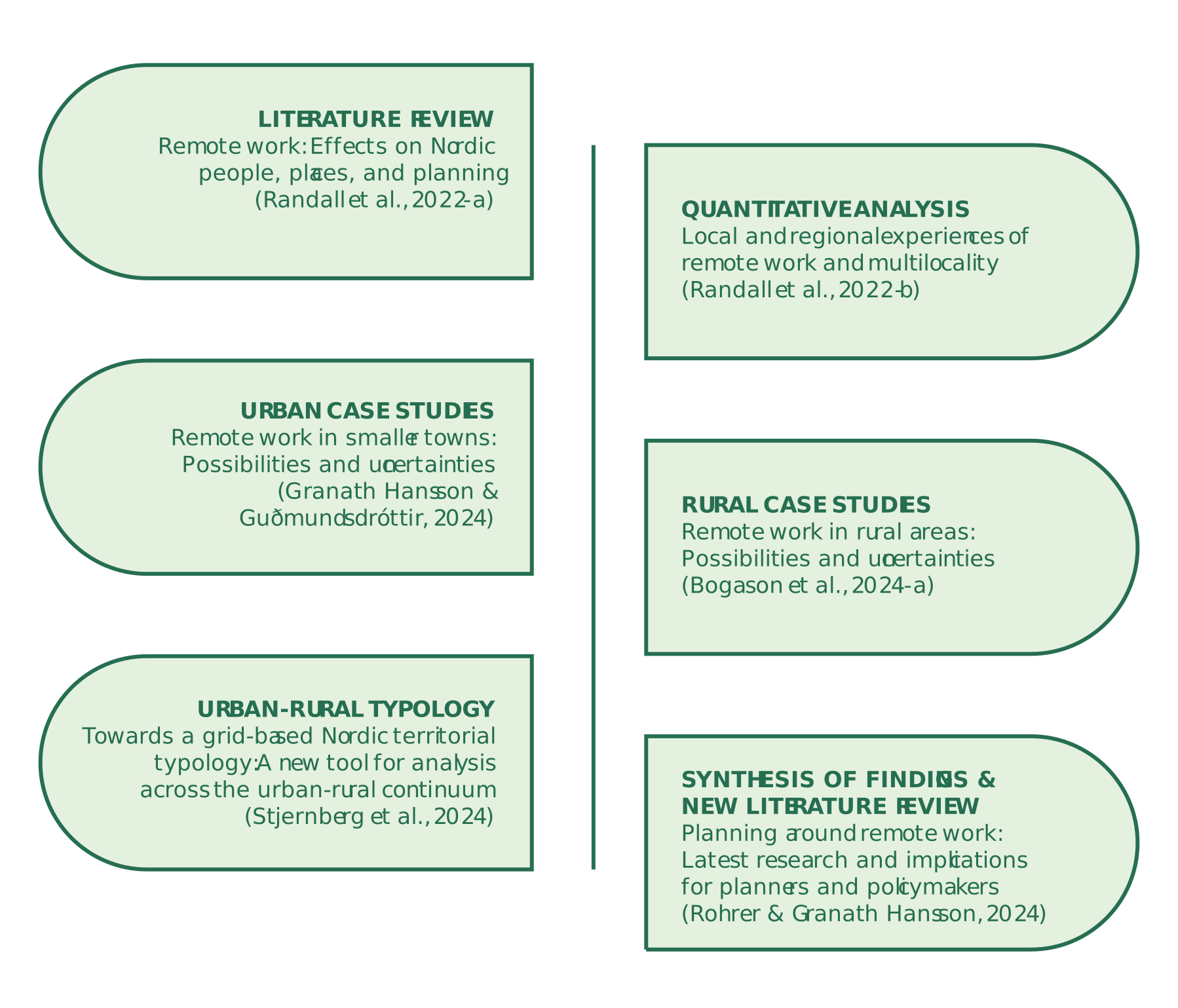
Figure 2: Overview of the contents of the six project publications
The increased acceptance for working remotely or hybrid creates opportunities for many people who want to live in remote areas who can take up a job despite distance. In the long run we may see both personal, societal and economic benefits of this development, if we are able to address the challenges related to use of technology, new forms of leadership, cooperation, communication and relations.