Photo: Lukasz Maznica, Unsplash.com
3. Looking forward:
The Nordic common labour market the next 70 years
The Nordic labour market migration has historically developed in interplay with economic development in the Nordic countries. The most evident example is the migration of nearly half a million people to Sweden from Finland in the 1960s and 1970s. However, data about the relationship between unemployment and labour market mobility paint a complex picture and indicate that labour market migration also seems to be related to “moving towards something” rather than “moving away from something”, indicating that pull factors may exceed the importance of push factors. In the following section, we will point to some key characteristics of the Nordic labour market today, as a stepping stone for looking into the future of the common Nordic labour market.
In international comparison, the Nordic Region performs well economically, with all Nordic countries performing better in terms of GDP per capita than the EU average. Economic growth in the Nordic Region has been stable over time following the economic crisis in 2008-2009 with a few exceptions, in particular the Covid 19 pandemic. However, it should be noted that the Nordic Region recovered more rapidly than the EU after the pandemic (Calmfors & Sánshez Gassen, 2024).
Figure 34: GDP per capita In Euro, PPS, by country and year.
Source: Nordics statistics, Economic key figures, KEY01
Source: Nordics statistics, Economic key figures, KEY01
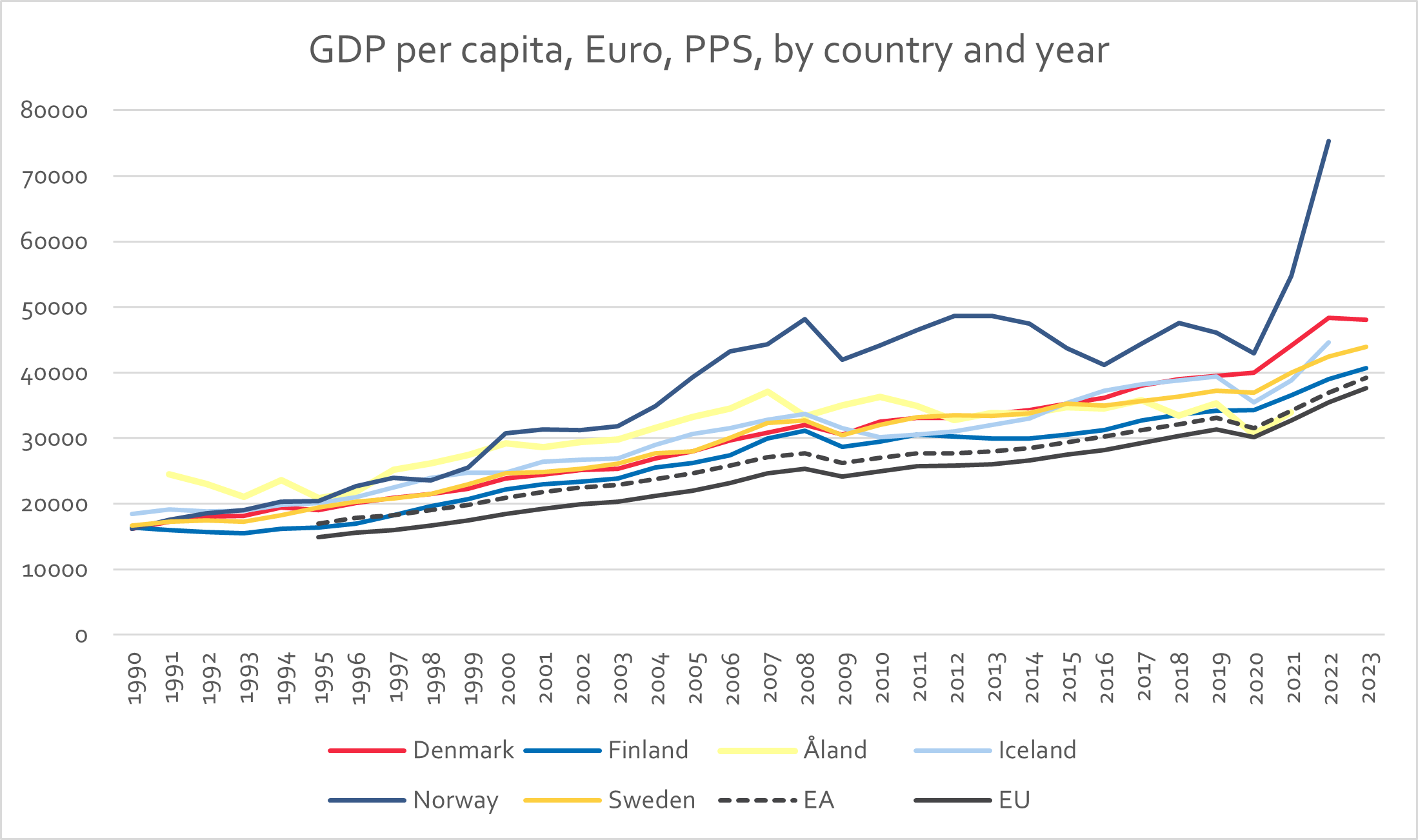
The Nordic countries are closely tied to the global economy, with exports making a crucial contribution to the economy in each of the Nordic countries. In Denmark, exports account for as much as 70% of GDP and in the other countries exports account for around half of GDP (Nordic Statistics database). However, the Nordic countries are also very strong trading partners. In fact, all the Nordic countries have another Nordic country and Germany among their top three countries for exports or imports, and in most cases for both exports and imports.
Access to various natural resources in the individual Nordic countries is reflected in the industry profiles of the individual countries and their exports. While some of the Nordic countries share the same profiles and export sectors, others are country-specific. For example, Denmark, Finland and Sweden have strong export in the chemistry sector, while Norway and Iceland are strong in the fishery sector. That means that when acting on the global market the Nordic countries are competing for economic market shares in some areas, while also being strong trading partners in other areas or even in segments of the same areas.
The industrial profiles of the Nordic countries are also reflected in the labour market sectors with the highest employment figures. All Nordic countries are strong welfare states and approximately 30% of the labour force works in the public sector. The second largest employment sector in all Nordic countries is a broad sector labelled in the Nordic statistics as “Wholesale, retail trade, transportation and storage, accommodation and food service activities’”(25.7% in Denmark, 25.2% in Iceland, 21.3% in Norway and 19.3% in both Finland and Sweden). The third and fourth largest employment sectors in Denmark, Sweden, Finland and Norway are the sectors called “Professional, scientific and technical activities, administrative and support service activities” and “Industry except construction” with figures ranging from 10.2% to 13.9%. In Iceland, the third and fourth biggest employment sectors are “Industry except construction” and “Industry, of which manufacturing” (Nordic Statistics database). Several of those sectors are currently suffering from a lack of labour and, as we will see below, several of those sectors also forecast to face challenges in filling vacant positions in the future.
However, development of the local and regional Nordic labour markets are also dependent on accessibility and transport infrastructure to support the flows of goods and people commuting both within and to and from the labour market area. Past studies show that access to cross-border infrastructure and reliable public transport are essential to enhancing not only international trade but also cross-border mobility. A key example for improving cross-border transport infrastructure is the Trans European Network Corridors (TEN-T) which include major links across Europe and also in the Nordic territory. In 2023 it was agreed to extend the TEN-T core network with the link between Stockholm and Oslo. In a longer run, accessibility is important for economic growth and welfare in cross-border areas, as well as for increased civil security (Pedersen, Røed & Wadensjö, 2008; Greater Copenhagen Committee, 2016; Grundfelder et al. 2020; Region Värmland 2022; Sweco, 2023).
After that description of some key features of the current situation, we will now delve into expectations about labour market demand and supply in in the future in the Nordic Region.
3.1. Supply and demand on the future Nordic labour market
This chapter aims to present the labour market forecast for the Nordic countries and their autonomous regions, mainly using official harmonised data sourced from the CEDEFOP website, administered by CEDEFOP – European Centre for the Development of Vocational Training.
The conceptual framework of CEDEFOP revolves around three key components: (a) analysing skill demands arising from employment opportunities, (b) assessing skill supplies within the labour market, including metrics such as workforce participation rates and educational qualifications and (c) identifying disparities between demand and supply through a comparative examination of data from both sides. CEDEFOP's forecast is based on standardised data, methodologies and models employed across all participating countries, which encompass the EU alongside the Republic of North Macedonia, Iceland, Norway, Switzerland and Turkey, to generate a comprehensive and harmonised set of skill projections. The data primarily originate from Eurostat, covering demographic trends, historical and projected figures, national accounts and labour force surveys. Full information on the methodology can be found here: https://www.cedefop.europa.eu/files/skills_forecast_methodological_framework.pdf.
CEDEFOP does not include information about the self-governing territories.
CEDEFOP does not include information about the self-governing territories.
The overarching theme, which will be presented based on the comprehensive forecast from CEDFOP, is a pronounced scarcity of labour throughout the Nordic Region. That scarcity aligns with factors such as an ageing population, low fertility rates and a technologically dependent industrial society. The Nordic countries are facing a pronounced scarcity of skilled labour, evidenced by the present-day challenges encountered by numerous enterprises in recruitment across various specialised fields. That issue is expected to become exacerbated, with analyses indicating a potential deficit of skilled workers numbering in the hundreds of thousands across the Nordic Region within a decade to fifteen years. This might risk to have substantial ramifications for Nordic societies, impeding endeavours such as facilitating the green transition, fortifying healthcare systems and fostering the efficient development of emerging technologies. A contributing factor to that predicament lies in the insufficient enrolment of young individuals in vocational education and training programmes throughout the region (Nordisk Råd, Attraktive erhvervsuddannelser 2022).
The CEDEFOP predictions of labour market trends presented here, such as labour force participation, labour demand and supply, as well as skill levels, are based on econometric models through to the year 2035. Although CEDEFOP offers thorough cross-national forecasts of skill and labour demand, it relies on assumptions regarding factors such as changes in population size, expansion of sectors and industries and educational enrolment, i.e. projections about the future that are based on estimates. Readers should therefore focus on overall trends and not place too much emphasis on specific numbers.
Note that while subject matter specialists from individual countries engage in peer review and validation processes, the use of standardised models and assumptions may limit the integration of localised data and contextual factors.
The chapter is structured as follows: initially, we provide an overview of the forecast size and composition of the labour force across the five Nordic countries. Subsequently, data pertaining to forecast employment levels and sectoral growth rates are presented. That is followed by an analysis of estimated replacement demands, along with an elucidation of their implications. Finally, projections of job openings spanning the years 2025 to 2035 are delineated according to varying levels of qualification and occupation.
A growing but ageing labour force in the Nordic Region
Labour force forecasts are constructed based on estimates provided by CEDFOP, drawing on data primarily sourced from Eurostat. The labour force is defined as individuals aged 16 and above who are either employed or unemployed. Figure 35 illustrates the total number of individuals in the labour force for the year 2021 alongside the projected values for 2035, with the percentage change between the two years.
Figure 35: Forecasted size labour force, absolute numbers, and precent change 2021 to 2035, by country.
Source: Own calculation based on CEDEFOP data
Source: Own calculation based on CEDEFOP data
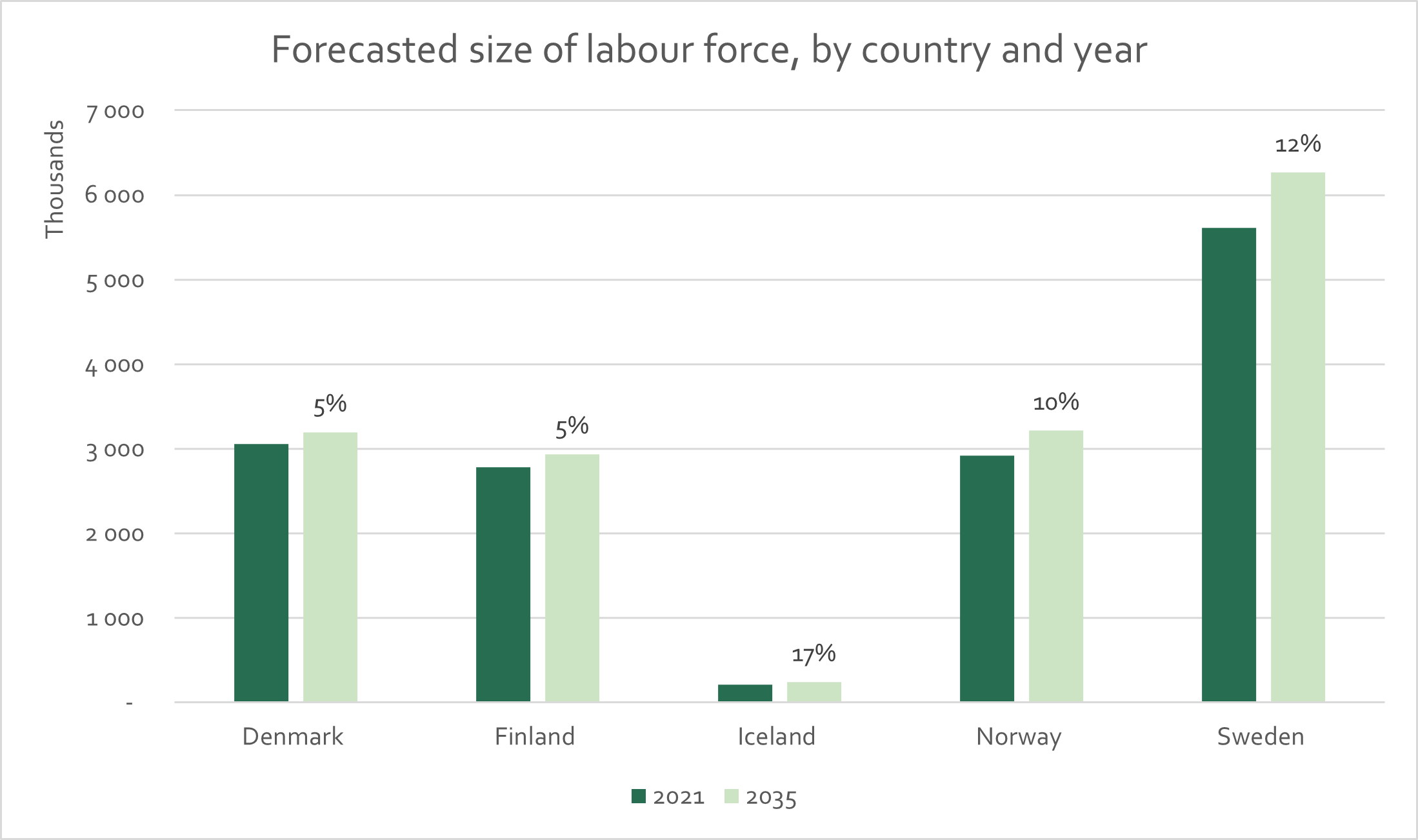
It is evident that all countries are anticipated to experience an expansion of their labour force in the forthcoming years. However, the magnitude of that growth is particularly noteworthy in Iceland, Sweden and Norway. Notably, the labour forces of Sweden and Norway are expected to increase by more than 650,000 and 300,000 individuals respectively. Growth in Iceland as a percentage is large mainly due to its comparatively small labour force in 2021.
Note that all figures in this section refer to the year 2021. That choice was made because the data for 2021 are the most recent data available that have been sourced from the Labour Force Survey (LFS) and other official sources rather than extrapolated.
For example, in Sweden, the SCB forecast for 2040 (Sysselsättningsprognos, 2018) anticipates a 15% rise in employment from 2016, totalling approximately 691,000 individuals aged 16-74 years, reaching a total of 5.5 million. That projection is further underpinned by expectations of heightened employment levels among individuals aged 74 and above, as well as increased employment rates among immigrants.
In the case of Finland, while CEDEFOP's estimate of the labour force suggests a slight increase, national statistics from Finland (Finnish National Agency for Education, 2020; Finnish Government, 2021) indicate a projected decrease in the working age population of Finland in the near future (by 2030 and 2035, depending on the forecasts). Those disparities likely stem from larger labour force participation predictions for older cohorts in the case of CEDFOP and focus on the size of the workforce by the national statistics. Finland has experienced lower levels of immigration compared to other Nordic countries. To increase the labour force, the Finnish government has outlined a roadmap to augment education-based and work-based immigration and increase the employment rate (Finnish government, 2023).
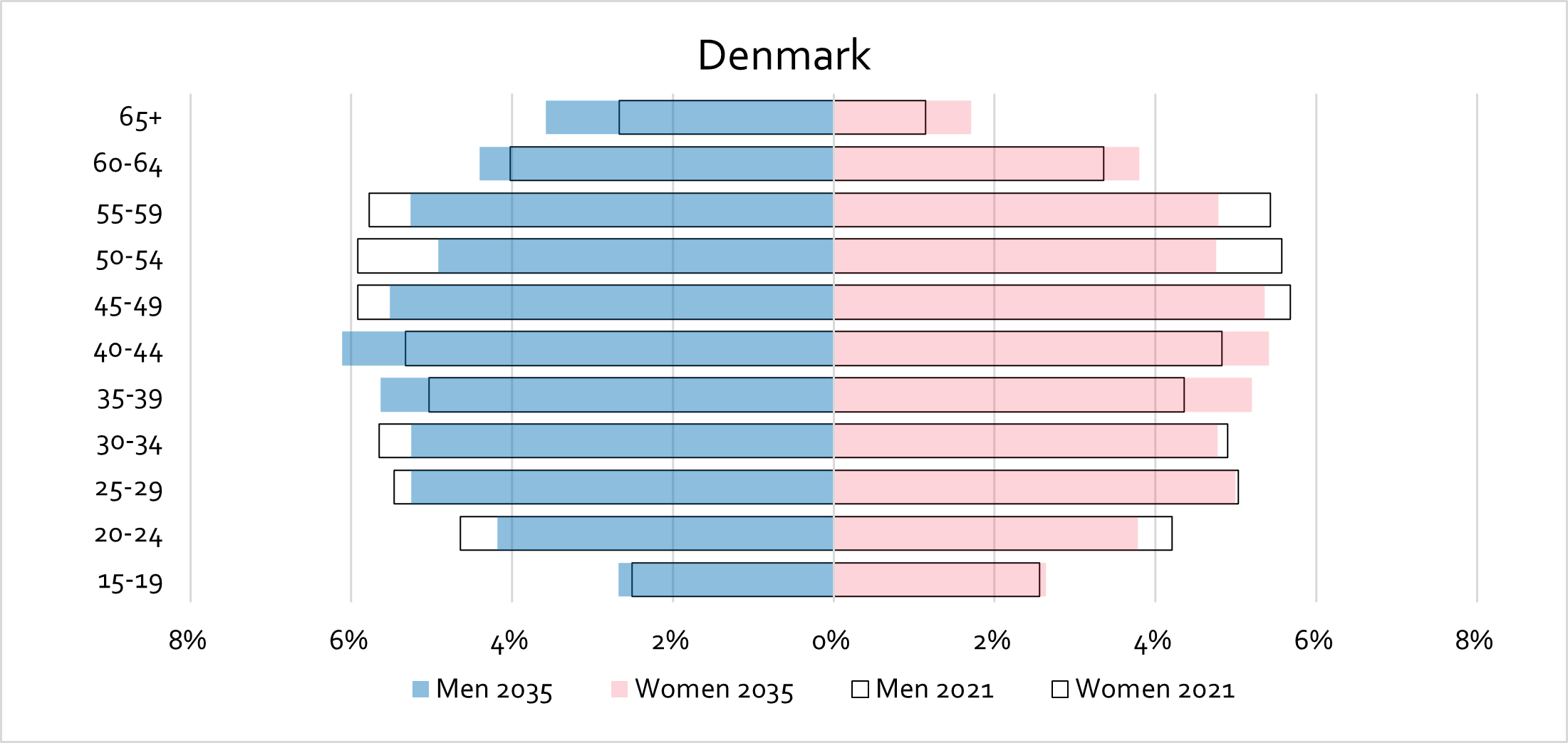
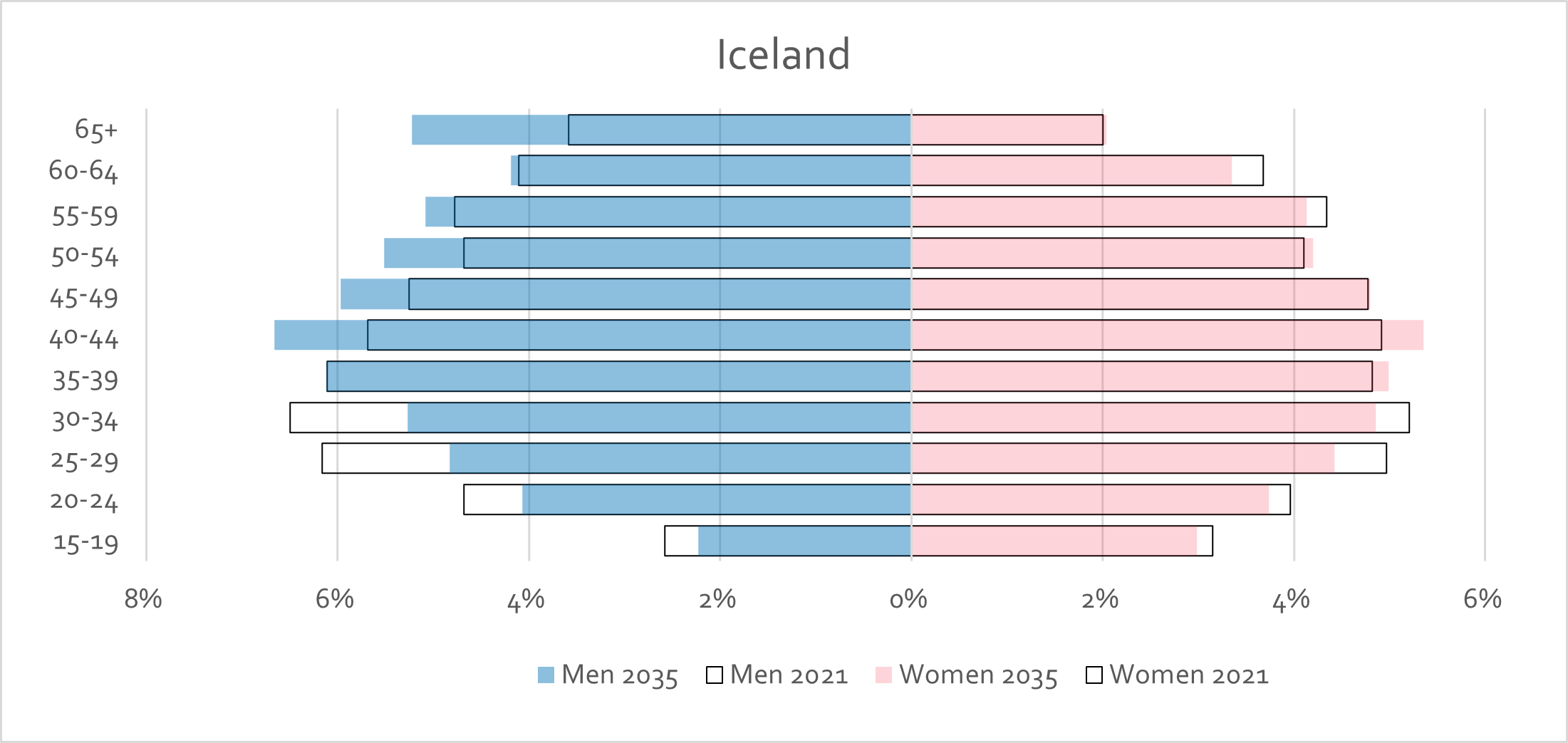
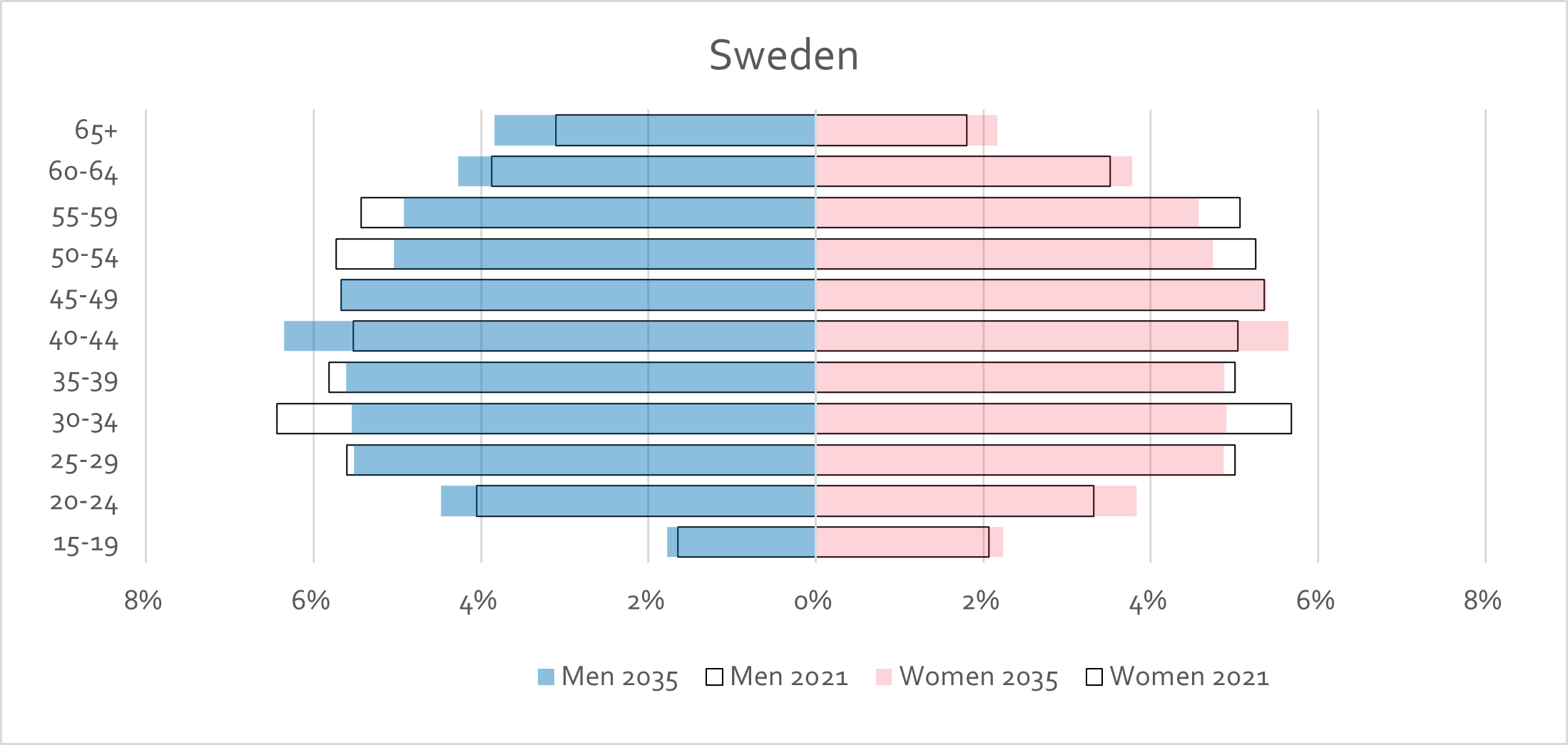
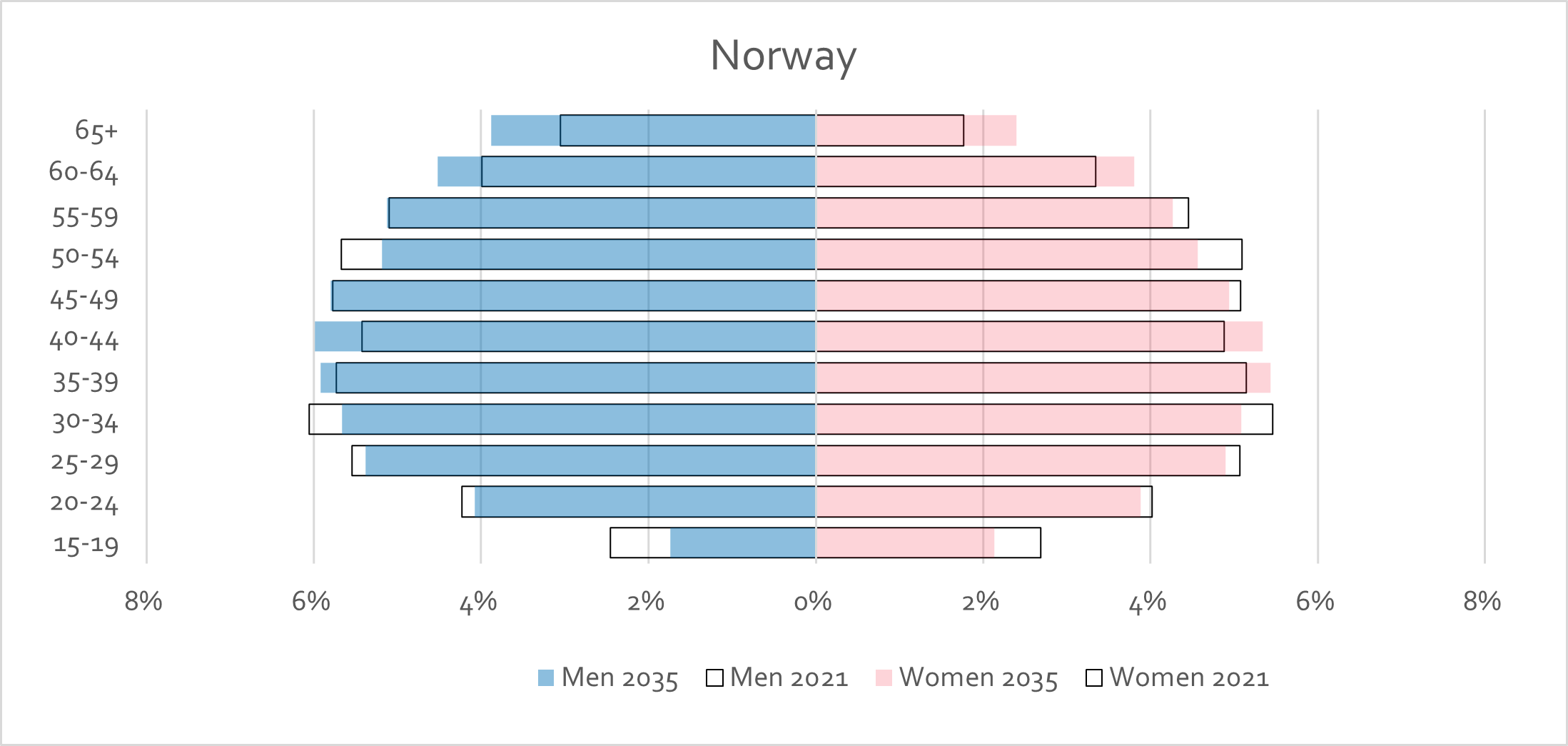
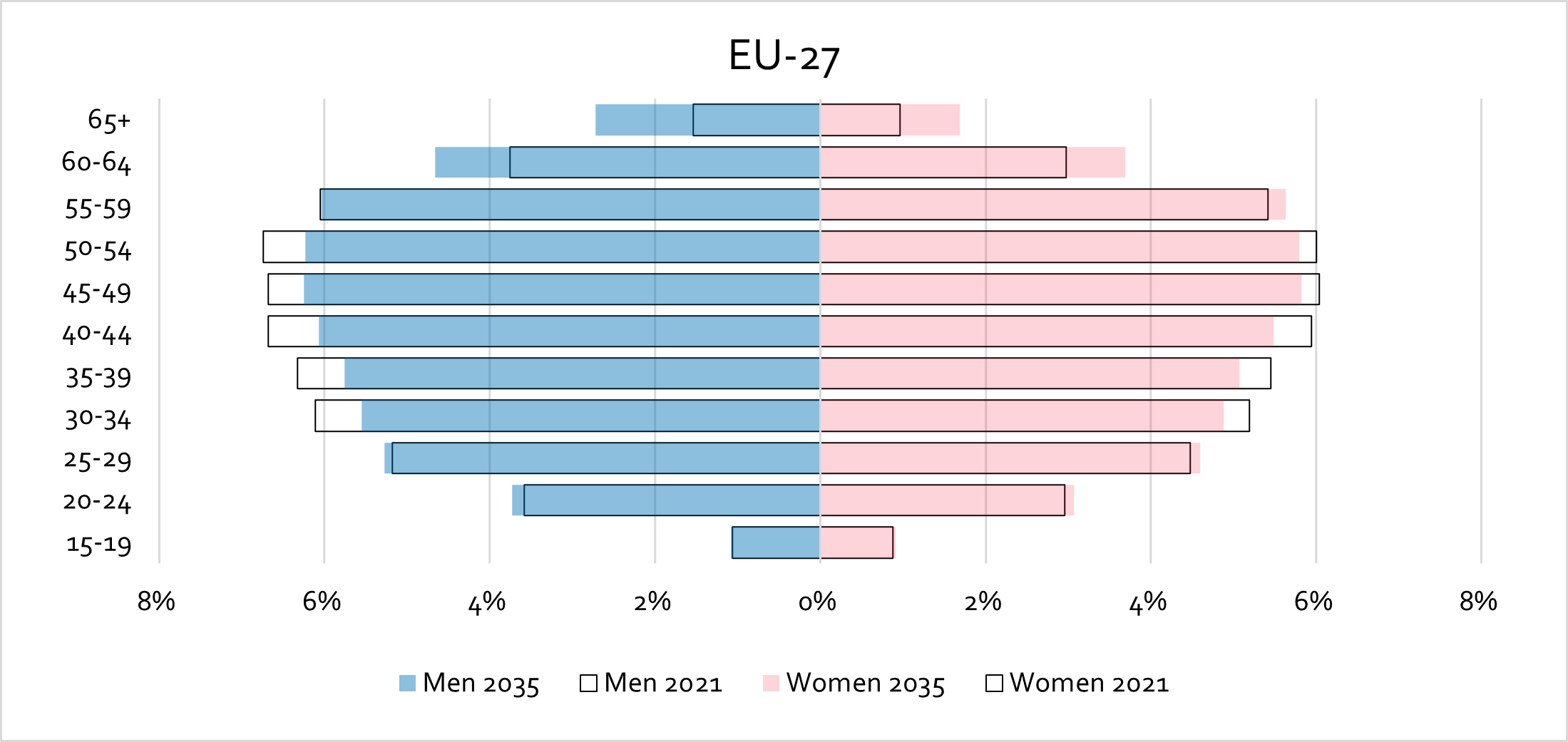
Figure 36 presents population pyramids illustrating the labour force as a percentage of the total workforce for each country. The evident trend depicted in this figure is again the ageing population of the labour force in Nordic countries, manifested in two key aspects. First, the proportion of individuals aged 60 and above within the total labour force is projected to increase in Denmark, Iceland, Norway, Sweden and the EU-27. That surge in labour force participation among individuals aged 60 and above reflects the ageing population across all countries, as well as the predicted increase in the labour force participation of that age group. Second, the percentage of individuals entering the labour market (ages 25-29) or at the outset of their careers (30-34) is anticipated to decline across most Nordic countries. That effect is particularly pronounced in Iceland and Finland. Similarly, the Finnish National Agency for Education also emphasises the smaller younger cohorts, predicting that only 80-85% of the job openings are expected to be covered by young people, while 15-20% will have to come from other sources (Finnish National Agency for Education, 2020). Note that the predicted increases in the labour force are largely dependent on assumptions regarding an increase in the labour force participation of older cohorts, implying that while the working age population might be decreasing, the labour force might still be predicted to grow.
Figure 36: Population pyramids of the labor force as a percentage of the total workforce, 2021 and 2035 by country.
Source: Own calculation based on CEDEFOP data
Source: Own calculation based on CEDEFOP data

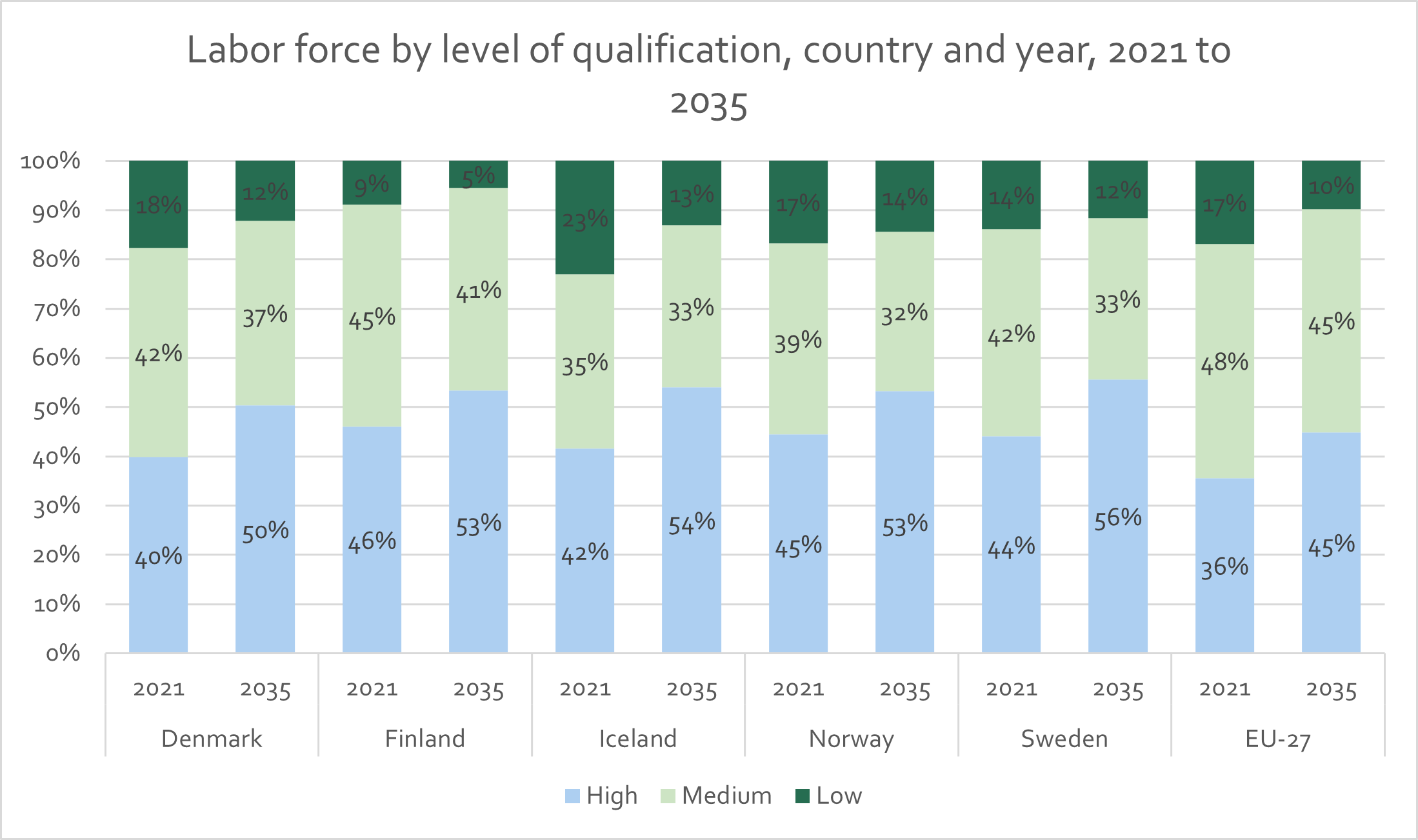
In line with the trend observed in education across most developed countries, including the Nordic Region, the prognosis for the next decade suggests that the labour force will see a larger proportion of individuals with high qualifications (corresponding to ISCED11 levels 5-8).
Categories are low (ISCED1-2), medium (ISCED3-4) and high (ISCED5-8); see Appendix 4.1 for a detailed explanation of the classification used for education.
Figure 37: Labor force by level of qualification, country and year, 2021 to 2035.
Source: Own calculation based on CEDEFOP data
Source: Own calculation based on CEDEFOP data
Employment forecasts in various labour market sectors
Overall, the labour market in the Nordic countries has many similarities with historically strong primary sectors, knowledge intensive manufacturing industries and businesses and a large public sector in line with the Nordic welfare model. As we will see, this is also reflected in the employment forecasts below.
Figure 38 depicts the employment forecast by country in absolute numbers for the years 2021 and 2035 across six aggregated industries and sectors. Figure 39 presents the same numbers as a share of total employment to facilitate the comparison across countries due to the differences in the size of the economies.
Appendix 4.3 presents the categorisation of industries and sectors based on NACE 2-digit numerical codes into the six aggregated categories, as well as a detailed breakdown of the classification. For more information on the classification used by CEDEFOP which is based on the EUROSTAT, see the methodological report
Figure 38: Forecasted employment in absolute numbers, by aggregated sectors and country, 2021 and 2035.
Source: Own calculation based on CEDEFOP data
Source: Own calculation based on CEDEFOP data
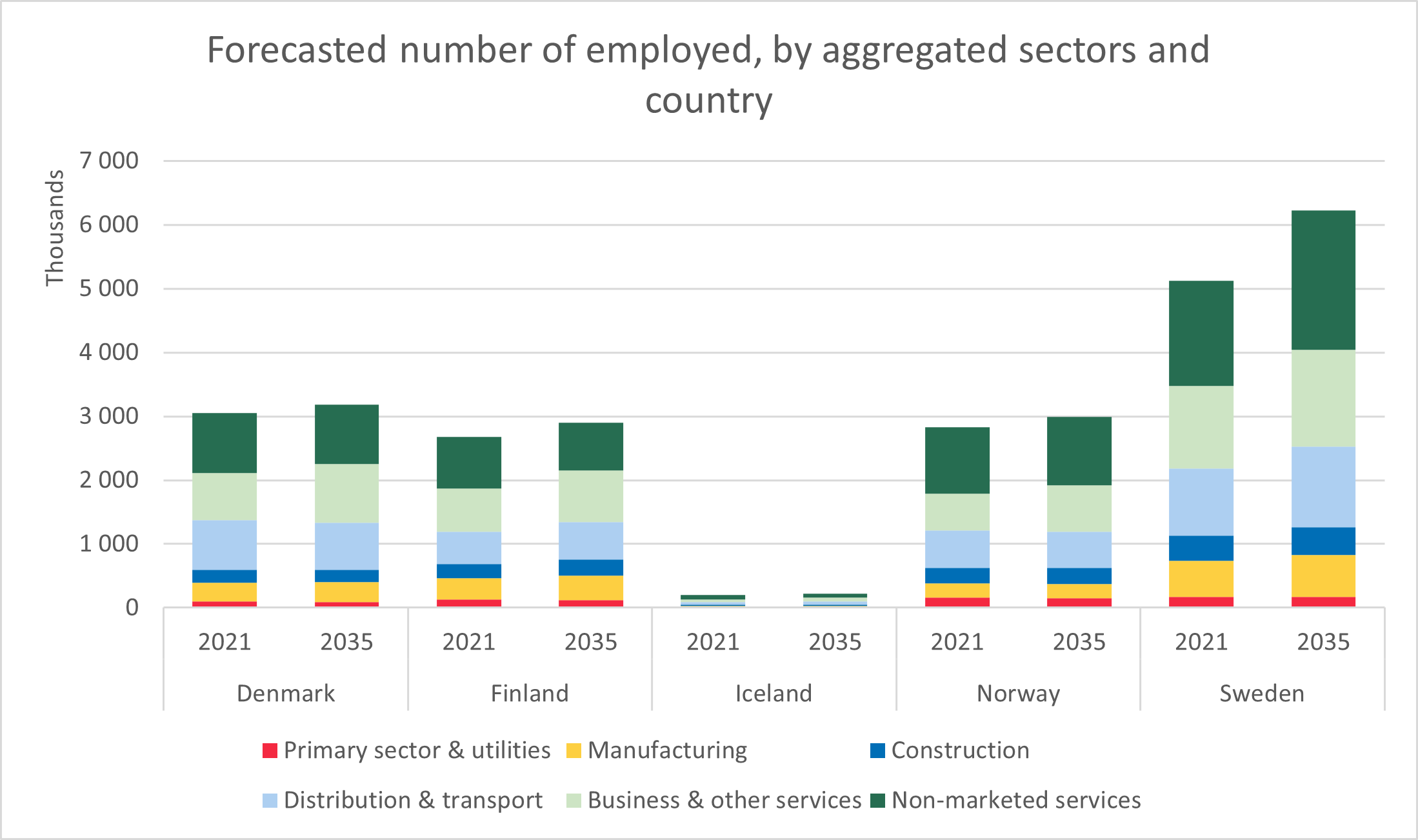
A prominent observation is that, in line with the Nordic welfare state model, in all Nordic countries a considerable proportion of individuals work in the non-market services sector compared to the rest of the EU-27, constituting between 30 to 37% of all employees, in contrast to 24% in the EU-27 in 2021. However, it is anticipated that, aside from Sweden, all Nordic countries will experience a decline in the share of employment within this sector relative to other sectors (as a percentage of all employment, see Figure 39). That decline does not imply a reduction in the absolute number of employees engaged in the non-market sector, but rather suggests that a greater proportion of labour growth will be in other sectors, primarily Business and Other Services (see Figure 39).
When looking at forecast changes until 2035, all Nordic countries are expected to experience substantial growth in the Business and Other Services sector. For example, in Norway the projections for employment in various sectors by 2040 suggest an increase in the number of individuals employed in private services and public services except armed forces, alongside a decline in those employed in industry, retail and oil and gas production (NAV’s Horizon Scan 2023-2035, 2023).
While a small number of individuals were employed in the primary sectors and utilities in 2021, that sector is predicted to shrink still further in the coming years. Most Nordic countries are expected to experience a decrease in employment within the primary sectors and utilities, except Sweden and Iceland. For example, Norway is forecast to see a significant decline in employment in the oil and gas production sector, with a decrease of over 25% compared to 2017 levels (NAV’s Horizon Scan 2023-2035, 2023). At the same time, Sweden's increase in employment is linked to a rise related to the green transition, while Iceland's growth is driven by a combination of factors within utilities.
Sweden represents an exception, as it is projected to witness a simultaneous increase in the non-market services sector and a modest decline in the share of employees engaged in Business and Other Services, as well as Distribution and Transport, as a share of total employment (see Figure 39). That forecast is primarily attributed to the substantial expansion of non-market services in absolute numbers. Statistics Sweden (SCB) also forecasts robust labour demand, particularly in fields related to the welfare society such as social care, healthcare and teaching, as well as fields linked to technological advancements like digitalisation, automation, AI and the green transition (Statistics Sweden, Trends and Forecasts 2020; Statistics Sweden, 2022; Larsson, 2023).
While those findings provide an overview of forecast employment growth across sectors and countries, they mask significant features within sectors. That is particularly notable within the non-market sectors, which are crucial components of the welfare state. That aligns closely with the growing demand for healthcare services driven by population ageing. Additionally, a projected growth in care services is expected across all countries except Iceland. That trend of high demand in relation to the ageing population was emphasised in most countries’ national statistics forecasts. For example, according to Statistics Finland’s population projection, the number of persons aged 85 or over will nearly double by 2035, which will increase the need for healthcare and social services. Accordingly, more people will work in the sector and an estimated 30,000-70,000 additional workers will be needed in that sector (Finnish Government, 2023).
Figure 39: Forecasted employment shares in each aggregated sectors by country, 2021 and 2035.
Source: Own calculation based on CEDEFOP data
Source: Own calculation based on CEDEFOP data
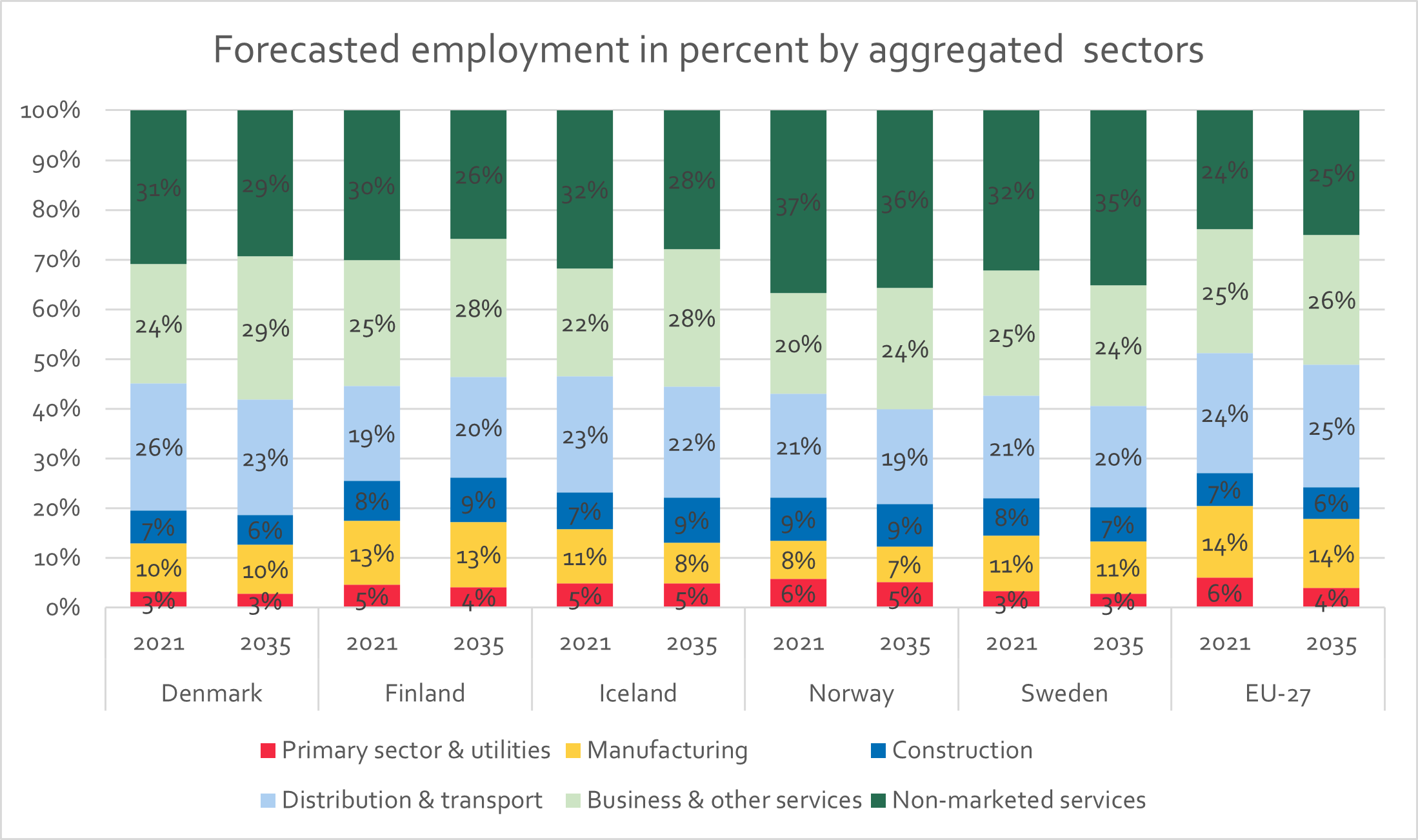
Within non-market services, it should be noted that Finland, Iceland and Denmark are forecast to experience a decline in the number of individuals employed in the education sector. That unexpected trend could be linked to a reduction in the number of children due to declining fertility rates in those countries, particularly in Finland (the lowest rate in all the Nordic countries) and Iceland (which has been experiencing a steep decline since 2009) (Norlén et al., 2024, forthcoming).
Job openings
While the preceding section primarily focuses on the supply side of the labour market, encompassing the labour force and employment across various sectors, we will now look into forecasts regarding the demand side of the labour market, i.e. future job opportunities (e.g. job openings) across the various Nordic countries by occupations. Estimates of job openings encompass both anticipated job openings stemming from growth in employment (e.g. expansion of demand) and the need to replace individuals leaving their current occupations for various reasons (e.g. replacement demand). Replacement demand primarily concerns what could be termed “permanent or semi-permanent” departures from the employed workforce and includes retirement, family formation or emigration.
Alongside exits from the labour force, inter-occupational mobility – workers transitioning from one occupation to another – is also considered. Nonetheless, it should be noted that retirement is the predominant factor for replacement demand.
Figure 40 illustrates the absolute number of forecast job openings spanning the period from 2025 to 2035, categorised by country and aggregated occupation.
Appendix 4.4 provides the categorisation of occupations based on the ISCO-08 2-digit occupational classification into the 1-digit classification, along with a detailed crosswalk of the classification and specific examples of occupations for clarification purposes. For further details on the classification utilised by CEDFOP, which is based on EUROSTAT methodology, please refer to the methodological report: https://www.cedefop.europa.eu/files/skills_forecast_methodological_framework.pdf and ILO definition in: https://isco-ilo.netlify.app/en/isco-08/.
Another noteworthy similarity among the Nordic countries is the prominence of job openings within the professional occupation category, followed by technicians and associate professionals in most countries. However, Iceland and Norway deviate from this pattern, with the field with the second highest demand being legislators, senior officials and managers in Iceland and service workers and shop and market sales workers in Norway. Furthermore, service workers and shop and market sales workers constitute a substantial share of forecast job openings in all Nordic countries.
Another significant insight apparent from Figure 40 is that in most Nordic countries, the projected share of job openings within the elementary occupation category is remarkably small compared to other occupations (with the exception of Denmark). That limited demand for low-skill occupations has clear implications for individuals with lower levels of education in terms of employment opportunities. For example, several studies point to the need for highly skilled workers and the risk of unemployment for low-skilled workers (Walbækken, et. al., 2019; Cappelen, 2020).
Figure 40: Forecast number of job openings, by aggregated occupation and country, 2025 to 2035.
Source: Own calculation based on CEDEFOP data
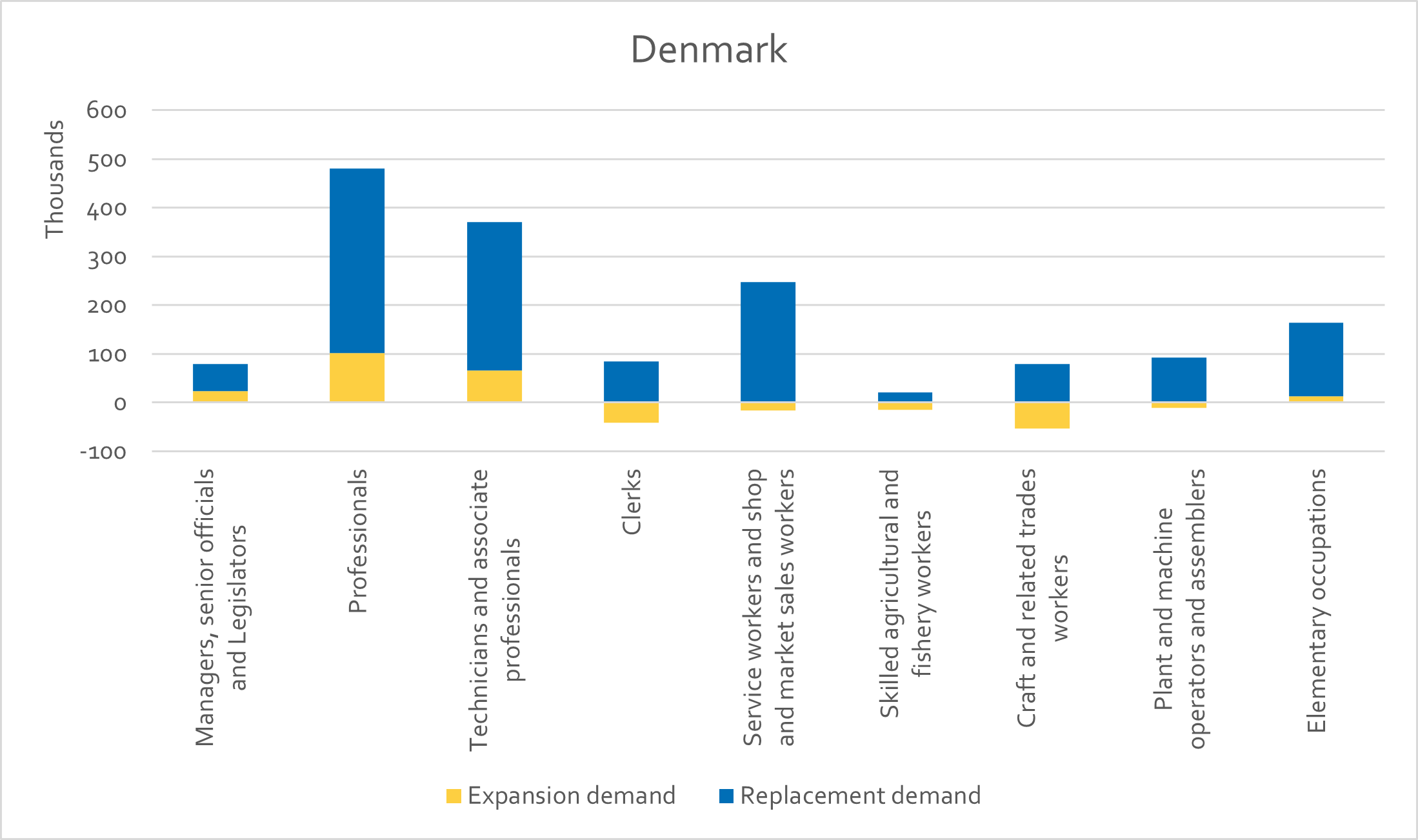

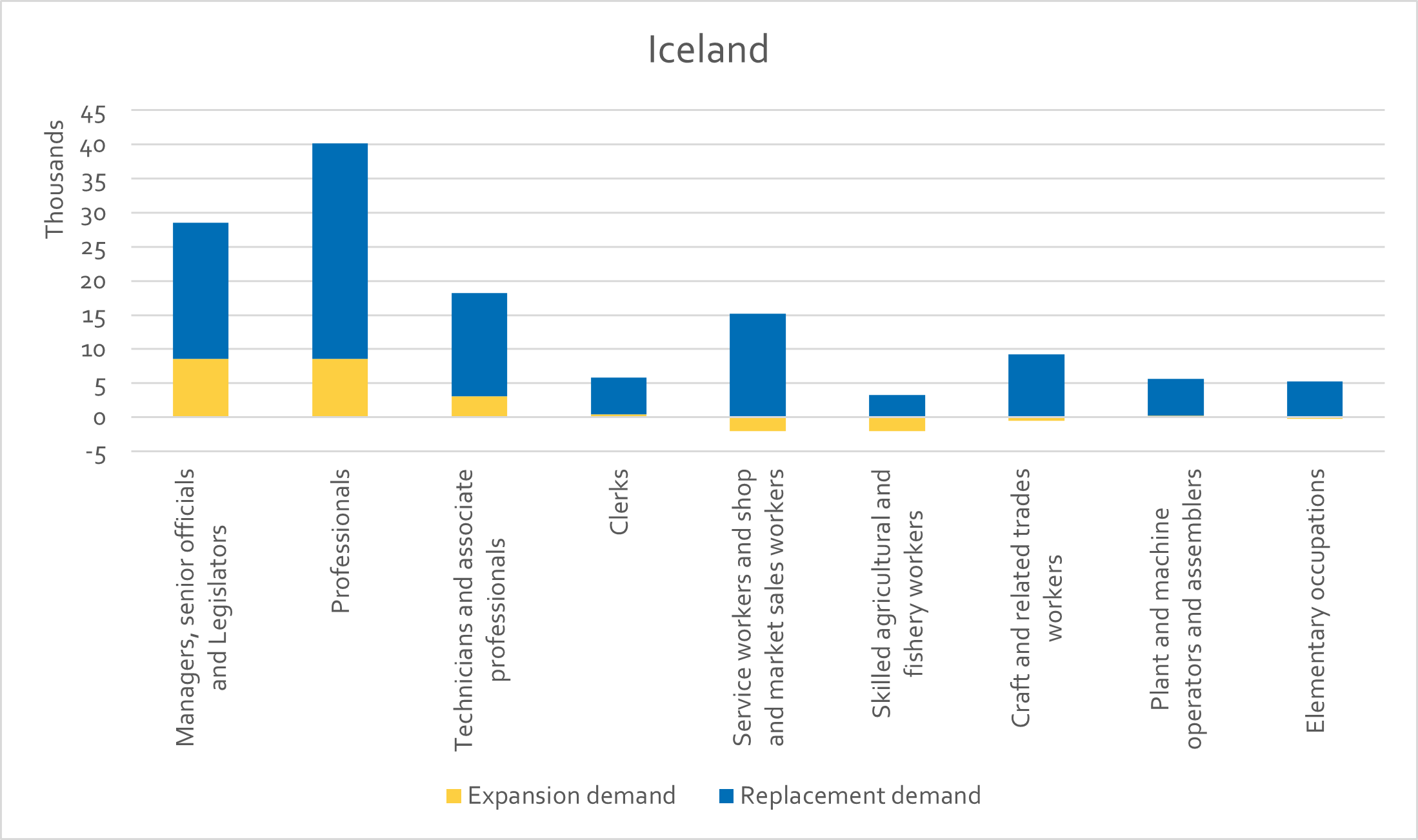
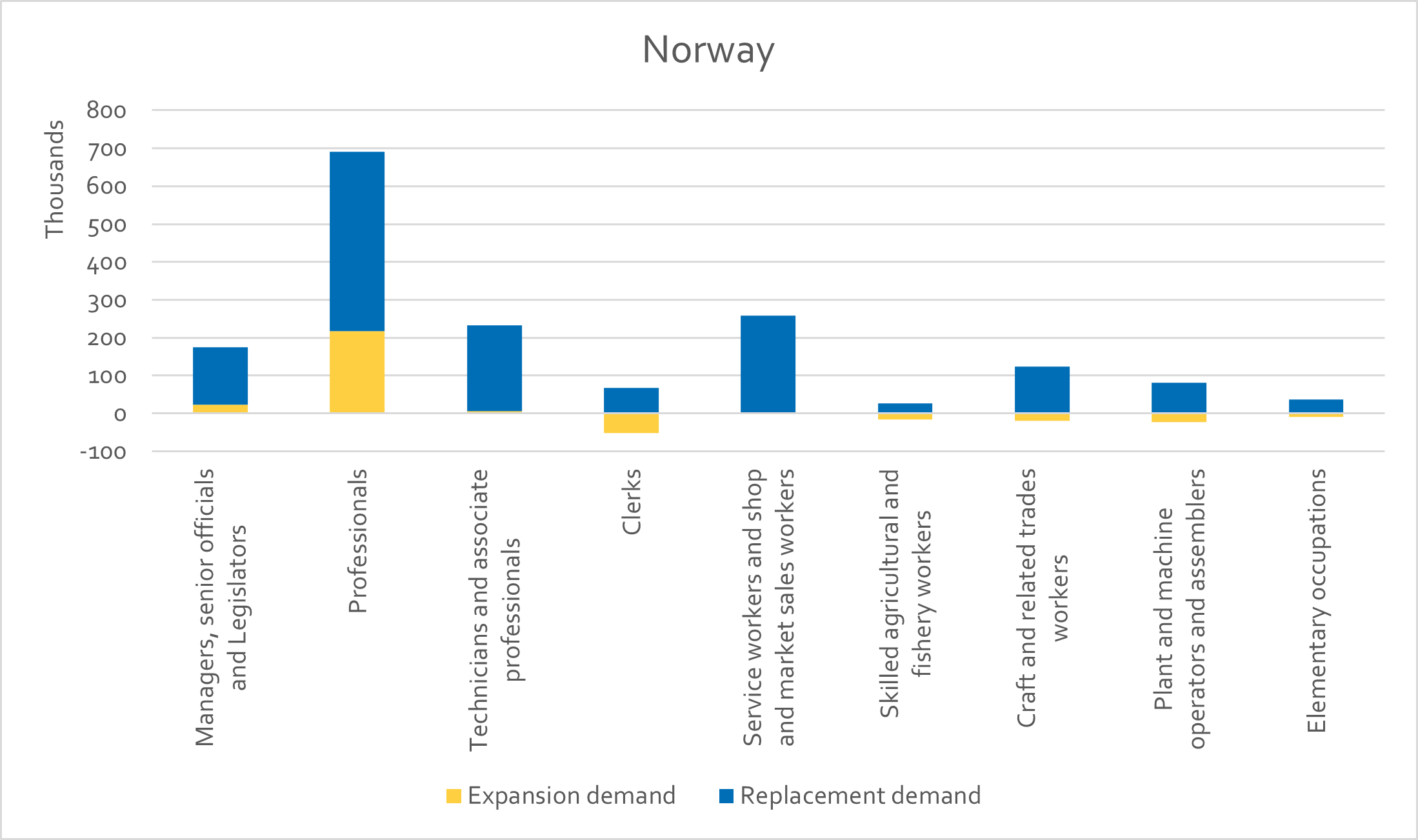
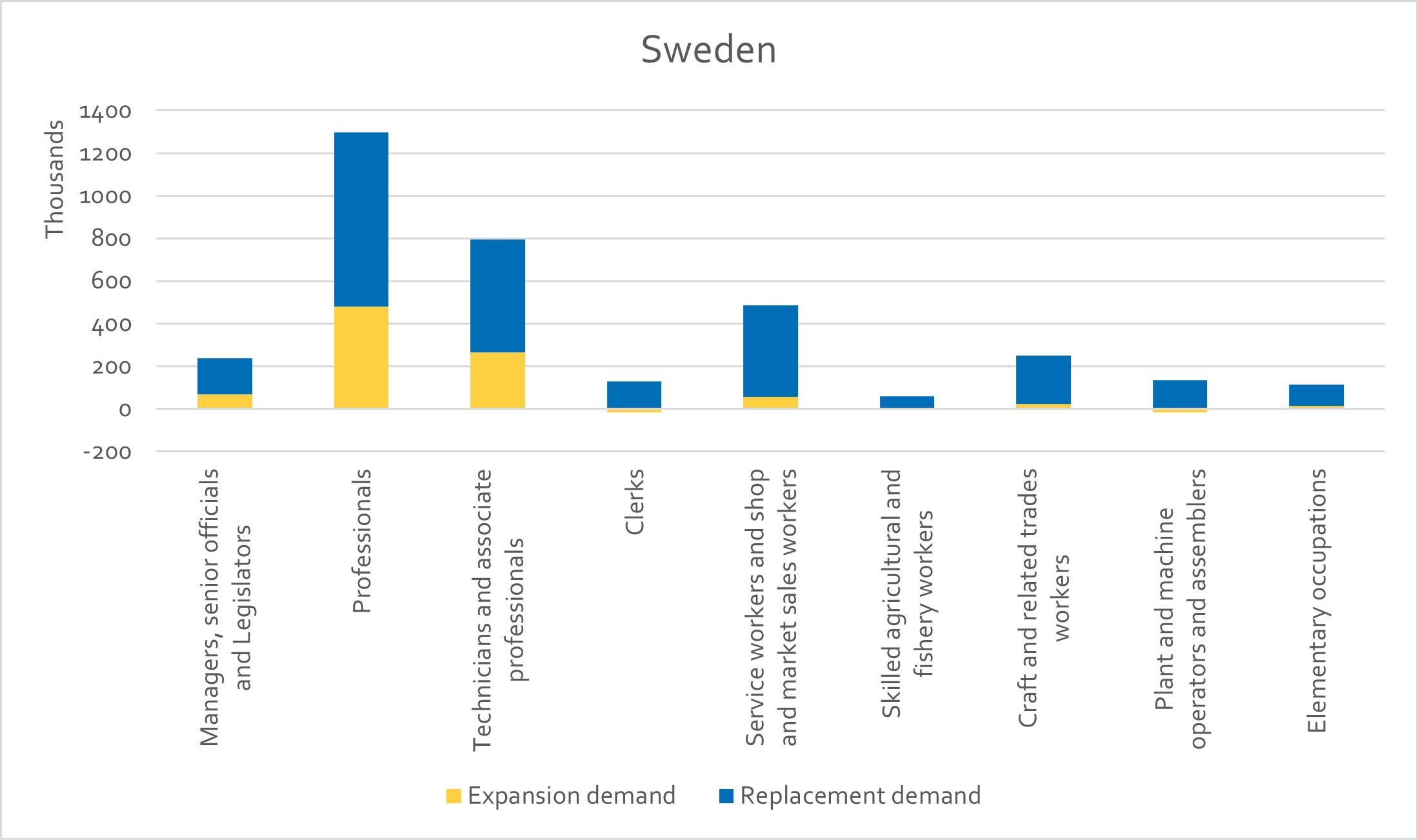
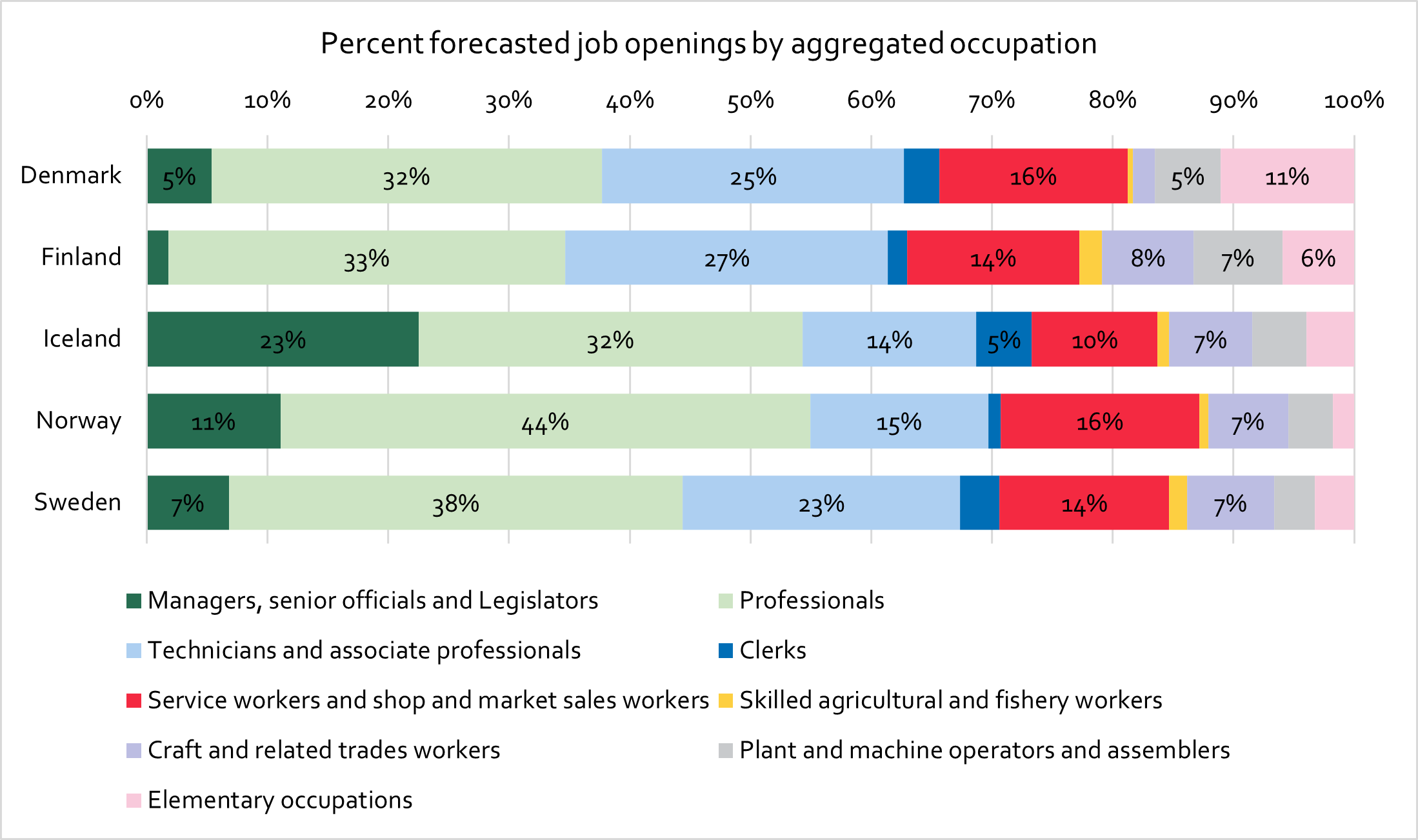
Figure 41 shows the distribution of forecast job openings across broad occupational groups and countries as a share of all forecast job openings between 2025 and 2035. As stated, across all five Nordic countries professional occupations emerge as the most in-demand category, constituting between 31 and 42% of all predicted job openings. Following closely, technicians and associate professionals represent the occupational group for which demand is second highest in most Nordic countries (except for Iceland). Service workers, shop and market sales workers are projected to account for between 11 and 17% of job openings in the Nordic Region. Other occupational groups collectively represent less than 10% of all job openings, with exceptions such as managers, senior officials and legislators in Iceland and Norway.
This category includes, for example, the following occupations: Senior Government Officials, Traditional Chiefs and Heads of Villages, Senior Officials of Employers’, Workers’ and Other Economic-interest Organisations, General Managers of Business Services. See more details on the classification in Appendix 4.4.
For example, in Finland the share of expert and management positions in the workforce is set to increase by 5 percentage points (171,000) by 2035 (Education and Labour Demand 2023, 2020). Demand is especially high in high-skilled, non-manual occupations in many different fields, such as business & administration, science & engineering legal, social sciences and teaching (Finnish National Agency for Education, 2020).
Figure 41: Forecast job openings by aggregated occupation as a percentage of total job openings, by country, 2025-2035.
Source: Own calculation based on CEDEFOP data
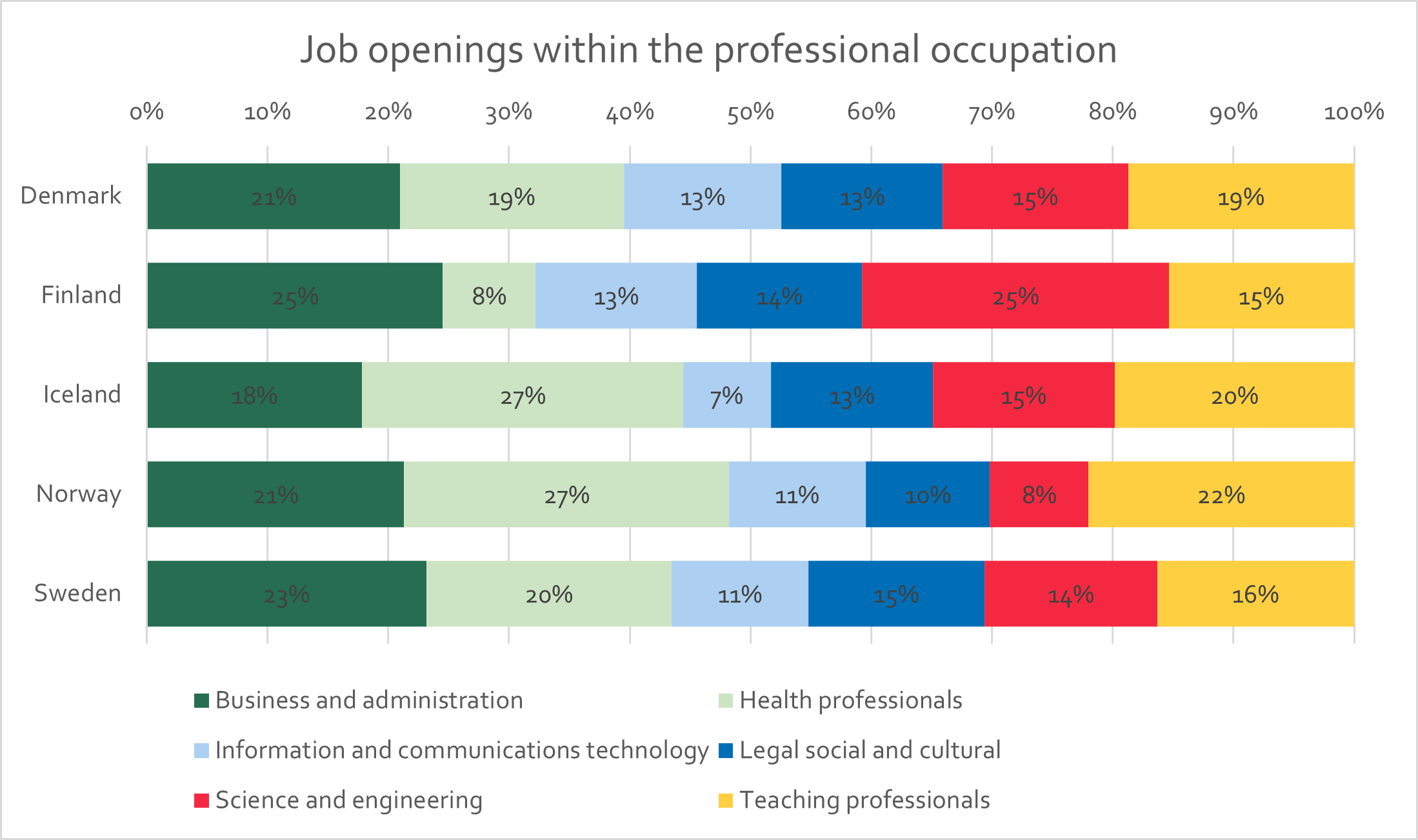
Figures 42-44 depict the forecast job openings within three aggregated occupational groups: professional (Figure 42), technicians and associate professionals (Figure 43) and service workers, shop and market sales workers (Figure 44).
Looking first at Figure 42, we observe both similarities and variations across countries. The ILO definition of “Professionals” describes these occupations as follows: “Professionals increase the existing stock of knowledge; apply scientific or artistic concepts and theories; teach about the foregoing in a systematic manner; or engage in any combination of these activities. Competent performance in most occupations in this major group requires skills at the fourth ISCO skill level”.
See Appendix 4.1 for ILO classification of skill level compared to ISCED-97 classification of education.
Note that while the CEDEFOP forecast indicates that demand in the healthcare profession will constitute a relatively small proportion of all demand by 2035, other statistical indicators suggest otherwise.
Business and Administration Professionals are consistently projected to account for between 18 to 25% of job openings over the next ten years in all countries. That category includes roles such as Finance Professionals, Administration Professionals, Sales, Marketing and Public Relations Professionals. Teaching is another significant occupation in demand, encompassing all types of teaching at various levels and representing between 15 to 22% of all job openings within professional job openings. The remaining three occupational groups within the professional sector – information and communication technology, science and engineering and legal, social and cultural professions – each represent between 10 to 15% of all job openings in most countries, with Finland being an exception.
Finland differs somewhat from other countries in terms of the distribution of forecast job openings within the professional sector. The two largest occupations in high demand are Business and Administration Professionals and Science and Engineering Professionals, which collectively account for 50% of all forecast job openings within the professional sector in Finland.
Figure 42: Job openings within the professional occupation group, by detailed occupation and country, 2021-2035.
Source: Own calculation based on CEDEFOP data
The same line of argument regarding the high forecast demand for professionals in Sweden was emphasised in the last Statistics Sweden (SCB) prognosis for labour market demand in 2040 by education, suggesting that the demand for individuals with post-secondary degrees will rise significantly in the coming years due to various factors. Those factors include the growing and ageing population, leading to greater demand for workers in the healthcare, social care and private services sectors, as well as academic inflation, where higher education is increasingly required in occupations in which lower levels of education sufficed previously. That will result in continued shortages in various fields such as nursing, midwifery, biomedical science, occupational therapy, physiotherapy, engineering physics, electrical engineering, data science and teaching. It should be noted that the SCB prognosis suggests that there may be a slight increase in the supply of qualified teachers. Nonetheless, demand is expected to outpace that increase until at least 2040 (Statistics Sweden, Trends and Forecasts, 2020).
Figure 43: Job openings within the occupational group of technicians and associate professionals, broken down by occupation and country, 2021-2035.
Source: Own calculation based on CEDEFOP data
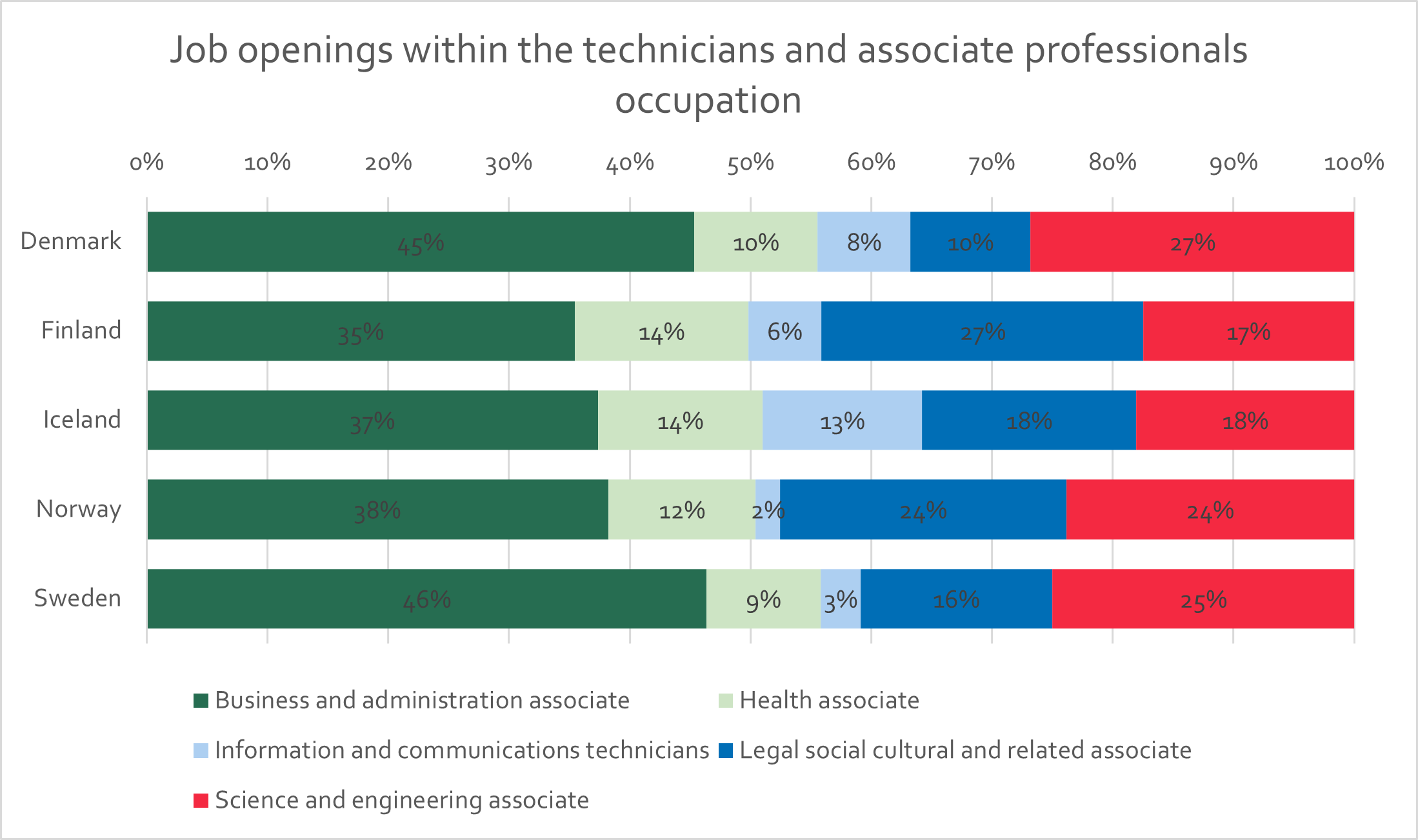
Figure 43 focuses on technicians and associate professionals. This category shares some similarities with the professional occupation outlined in Figure 42, albeit requiring a lower level of education. The International Labour Organization (ILO) describes this occupation as follows: “Technicians and associate professionals perform technical and related tasks connected with research and the application of scientific or artistic concepts and operational methods and government or business regulations. Competent performance in most occupations in this major group requires skills at the third ISCO skill level.” In practical terms, this occupation typically requires the completion of the first stage of tertiary education, often in the form of a bachelor's degree. Within this broad occupational category, which constitutes the second largest group of job openings in most countries, the largest subgroup consists of business and administration associates. Specific occupations within this group include Financial and Mathematical Associate Professionals, Sales and Purchasing Agents and Brokers, Business Services Agents, Administrative and Specialised Secretaries and Government Regulatory Associate Professionals. Those occupations collectively represent between 35 to 46% of all forecast job openings at the associate level. The second and third largest occupational categories are those of science and engineering associates and legal, social and cultural associates. Health-related occupations represent a relatively smaller share of job openings, possibly due to increasing demand for higher levels of education in the healthcare sector.
Figure 44: Job openings within the occupational group of service and sales workers, broken down by occupation and country, 2021-2035.
Source: Own calculation based on CEDEFOP data
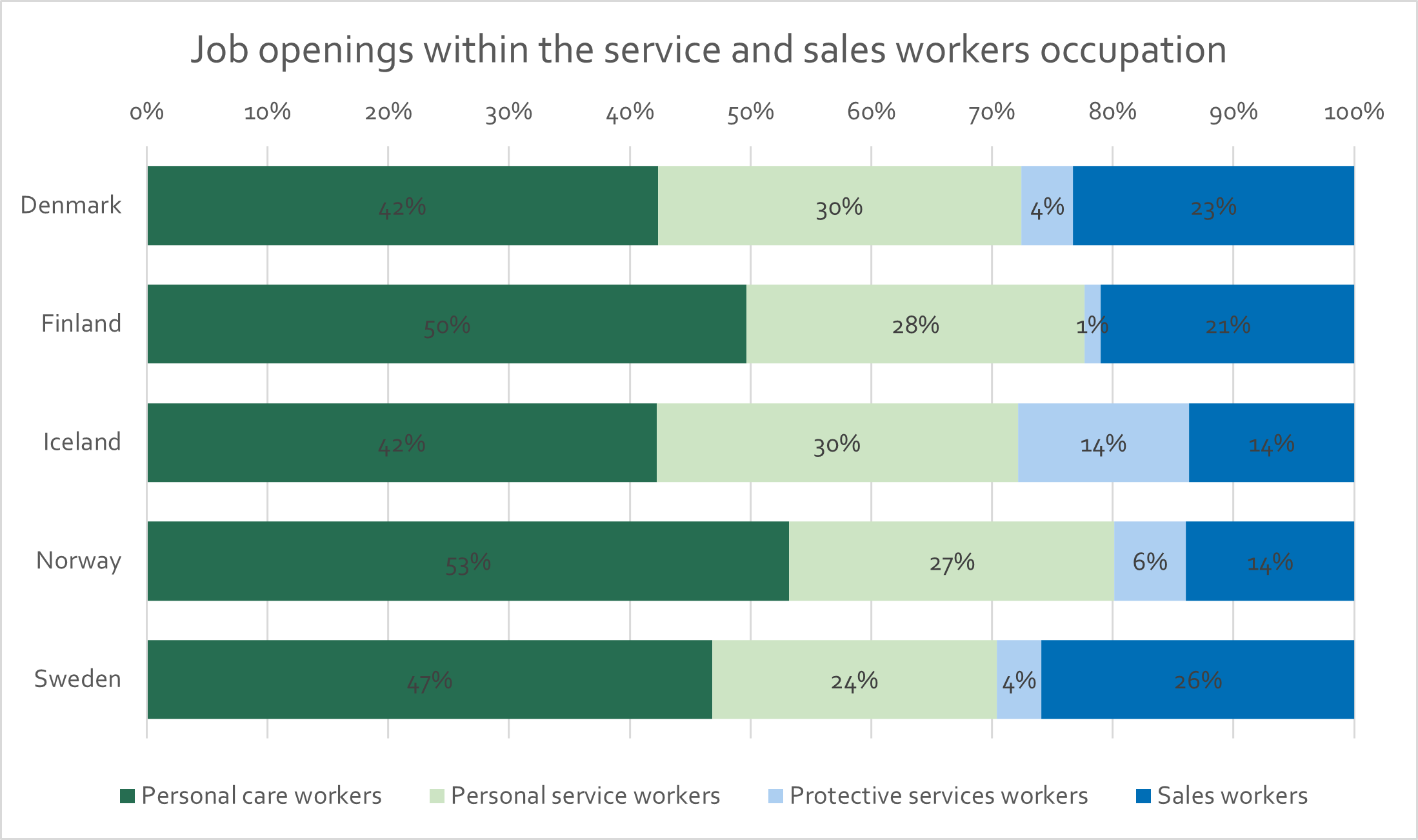
Finally, the third largest aggregated occupational group with respect to forecast job openings is that of services and sales workers, comprising approximately 10-16% of all job openings in the Nordic countries over the next 10 years. Occupations within this subgroup are presented in Figure 44. This occupational group generally requires skills at the second ISCO skill level, ranging from lower secondary education to post-secondary, non-tertiary education.
Within this category, the largest subgroup is that of Personal Care Workers, accounting for almost half of all job openings (42-53%). The International Labour Organization (ILO) describes tasks performed by workers in this subgroup as assisting with mobility, washing and other personal needs; assisting children individually to learn social skills; supervising and participating in activities that enhance children’s physical, social, emotional and intellectual development; and observing and reporting concerns to appropriate health or social service workers. Examples include Childcare Workers, Teachers’ Aides and Personal Care Workers in Health Services. That trend is likely associated with the ageing population, which will require more care for the elderly, both at home and in elderly care facilities. Unfortunately, we cannot break down the CEDEFP forecast to distinguish between the two occupations of Childcare and Personal Care Workers in Health Services to determine the proportion associated with the ageing population.
The second subgroup, comprising Personal Services Workers, accounts for approximately 24 to 30% of job openings within the services and sales workers category. As described by the International Labour Organization (ILO), workers in this subgroup are involved in organising and delivering services across various domains, such as travel and sightseeing, housekeeping, food and beverage preparation and service, hairdressing and beauty treatment, funeral arrangements, animal grooming and care, training, teaching, motor vehicle driving, providing companionship and offering other personal services. Occupations in this subgroup include for example Travel Attendants, Conductors and Guides, Cooks, Waiters and Bartenders, Hairdressers, Beauticians and Related Workers and Building and Housekeeping.
Forecasts for the autonomous regions
Generally, the three autonomous regions – Greenland, the Faroe Islands and Åland – are undergoing demographic transitions similar to those of the Nordic countries, marked by an ageing population and labour shortages in certain sectors. However, due to their small populations and remote locations, there are unique considerations regarding those labour shortages. The next section is devoted to each of those regions.
Greenland
Statistical projections from Statistics Greenland indicate a trend towards an ageing population in Greenland, forecasting a decline from over 56,000 individuals in 2022 to below 50,000 individuals in 2050, based on current fertility, mortality and migration patterns (Statistics Greenland, 2023). That demographic shift is anticipated to have significant implications for the labour market, characterised by a higher proportion of older adults and a diminished working age population. Without the implementation of reforms and initiatives, the number of old-age pensioners is projected to surge by 70% by 2035, while the working age cohort is expected to decline by 12% during the same period (Department of Social Affairs, Labour and Home Affairs, 2022).
Projections extending to 2050 call for strategies to bolster the labour force. Given the paramount importance of the fishing industry as Greenland's primary export sector and a cornerstone of its economy and society, the trajectory of this industry will significantly influence the future labour market landscape in Greenland (Department of Business and Labour Market, 2020).
In terms of sector-specific demand, the scarcity of qualified labour is a critical impediment to the continued economic advancement of Greenland (Department of Finance and Equality, 2023). Ongoing demographic shifts are expected to exacerbate that challenge in the years ahead, particularly within the healthcare and social sectors, where a substantial portion of the workforce is aged 55 and above, resulting in an unprecedented shortage of labour. Exploring options such as recruiting manpower from international sources is posited as a potential strategy to address that issue (Department of Finance and Equality, 2023).
Faroe Islands
The demographic shift towards an ageing population is significantly impacting the economy and labour market dynamics in the Faroe Islands. In 2022, 61% of the Faroese population fell within the working age range of 15-64 years. However, that proportion is expected to decline to 54% by 2060, according to data from Danmarks Nationalbank (2023). With already low unemployment rates and a high labour market participation rate, virtually all industries in the Faroe Islands are grappling with labour shortages (Danmarks Nationalbank, 2023).
The labour force in the Faroe Islands is growing by approximately 150 individuals annually, with 750 people entering the labour market, while 600 retire and exit the labour market each year. Forecasts from the public sector suggest demand for 1,500 new employees during the period 2021-2030, while estimates from Denmark indicate that private sector demand could be twice as high, requiring around 3,000 employees by 2030 (Faroe Islands Governmental Bank, 2023).
In terms of sector-specific demand, overall demand is further underscored by a report from the Ministry of Social Affairs and the Ministry of Health (2022), which highlights the need for approximately 2,500 additional workers in welfare services over the next eight years. That demand arises from the expected increase of 1,200 individuals aged 80 and above, representing a 52% rise over the next decade.
Åland
Over the decade 2010-2020, Åland's population experienced steady growth, largely attributed to favourable net immigration patterns. A notable portion of that immigration stems from new EU countries, resulting in an internationalisation of Åland's population and bolstering its labour force. However, it is important to note that while immigration has contributed to labour availability, it has not necessarily correlated with an overall increase in educational attainment levels. Nevertheless, maintaining a positive net migration balance is imperative for sustaining Åland's population growth trajectory in the future (ÅSUB 2019). Similarly, during the 2010s, employment in Åland rose steadily, reaching 14,873 by the end of 2018, representing growth of around 8.7% since 2010. However, due to Åland's predominantly service-oriented business landscape, which is heavily reliant on tourism, the pandemic restrictions disproportionately impacted the region compared to other areas of Finland. In 2020, Åland experienced an average relative unemployment rate of 9.5%, reflecting the severity of the situation.
The ÅSUB report (2021) evaluates three different scenarios and their potential impact on Åland’s labour market by 2035. Those scenarios are: (1) a base scenario, (2) a scenario for faster modernisation and (3) a scenario characterised by stagnation. Regardless of which scenario is deemed most realistic, under all three of them there are two industries which stand out in terms of increased employment, namely business services and healthcare. That implies that in terms of education the demand for personnel with general education is decreasing. At the same time, general education is often just a stepping stone in an individual’s academic career. In any case, the supply of Ålanders with general education is greater than the demand in all scenarios from 2026 onwards.
The report also concludes that the external demand for skills, i.e. the need for skills that must be filled by migration, is consistently higher for positions currently held by women. That need often pertains to positions requiring higher education. Even today, Åland faces a shortage of women of childbearing age (15-49), affecting the region's future birth rate, which has shown a negative trend. An uneven gender distribution in migration patterns between urban and rural areas is a common phenomenon – women tend to move to cities while men remain in rural areas. It would therefore be extremely important for overall societal development to have more younger women choose to settle in Åland. Without deliberate measures, influencing those trends will be challenging (ÅSUB 2021).
While the shortage of labour appears to be a shared concern among all Nordic countries and autonomous territories, discrepancies emerge both in the predominant occupational sectors experiencing demand and in geographical distributions within individual nations. The subsequent section will delve into the nuanced regional variations pertaining to the forecast dynamics of labour demand and supply.