Appendix
Appendix 1: Stakeholder Groups
Stakeholder groups according to project plan:
- EK-A
- Employers’ organisations
- Trade unions
- Local and regional authorities
- Labour market organisations
- CBC services
- Eures network
- European Labour Authority (ELA)
Appendix 2: Survey questionnaire
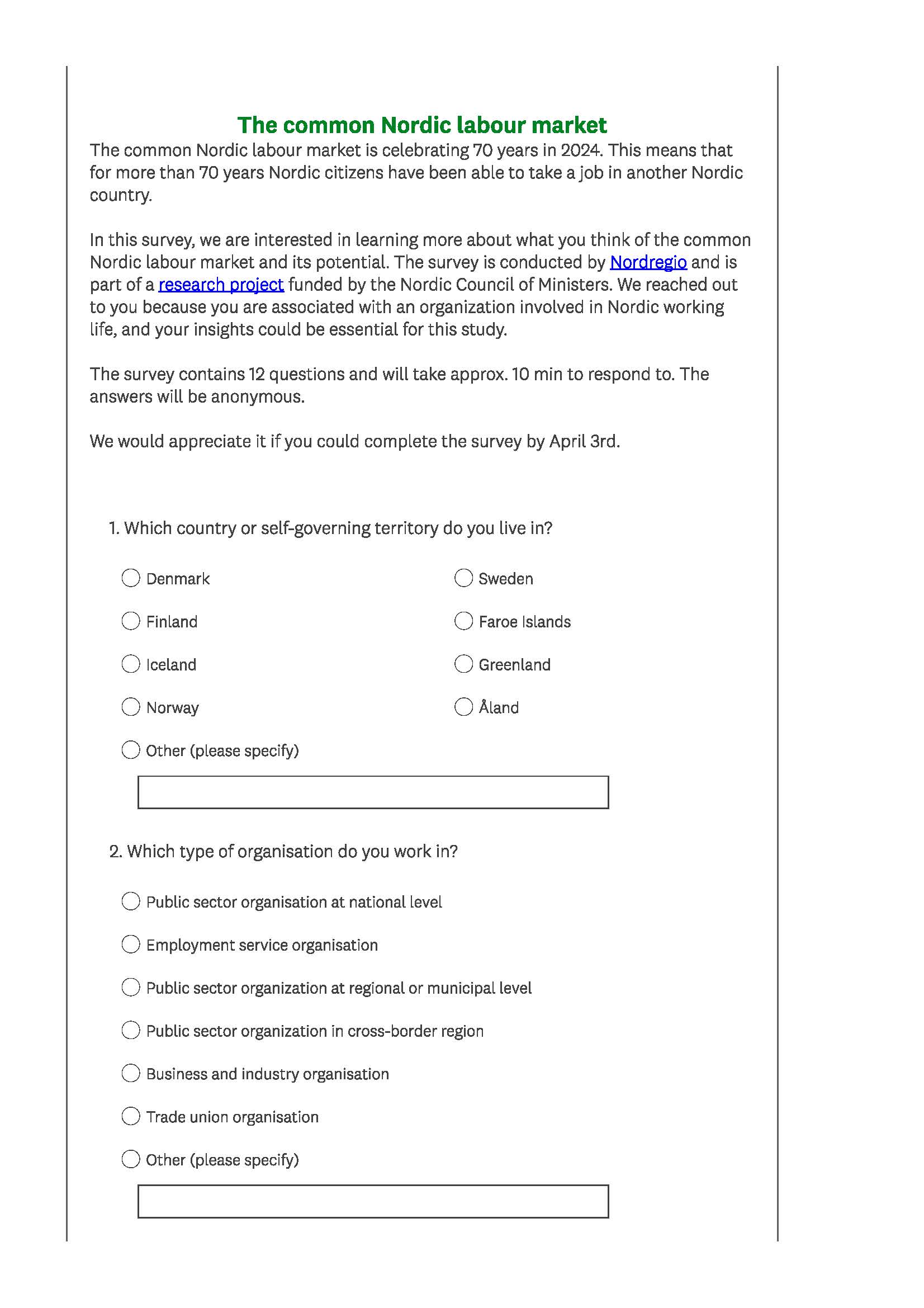
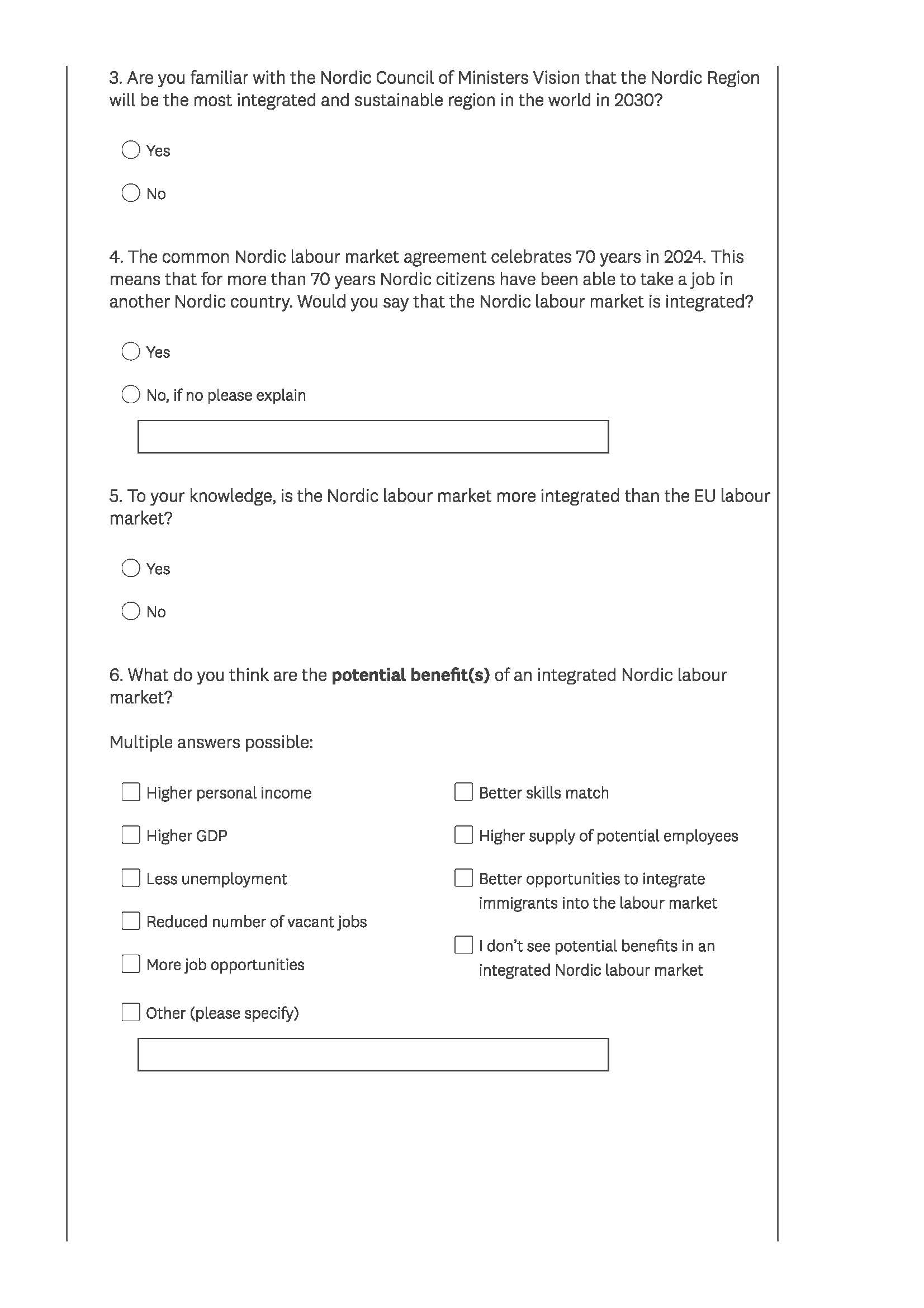
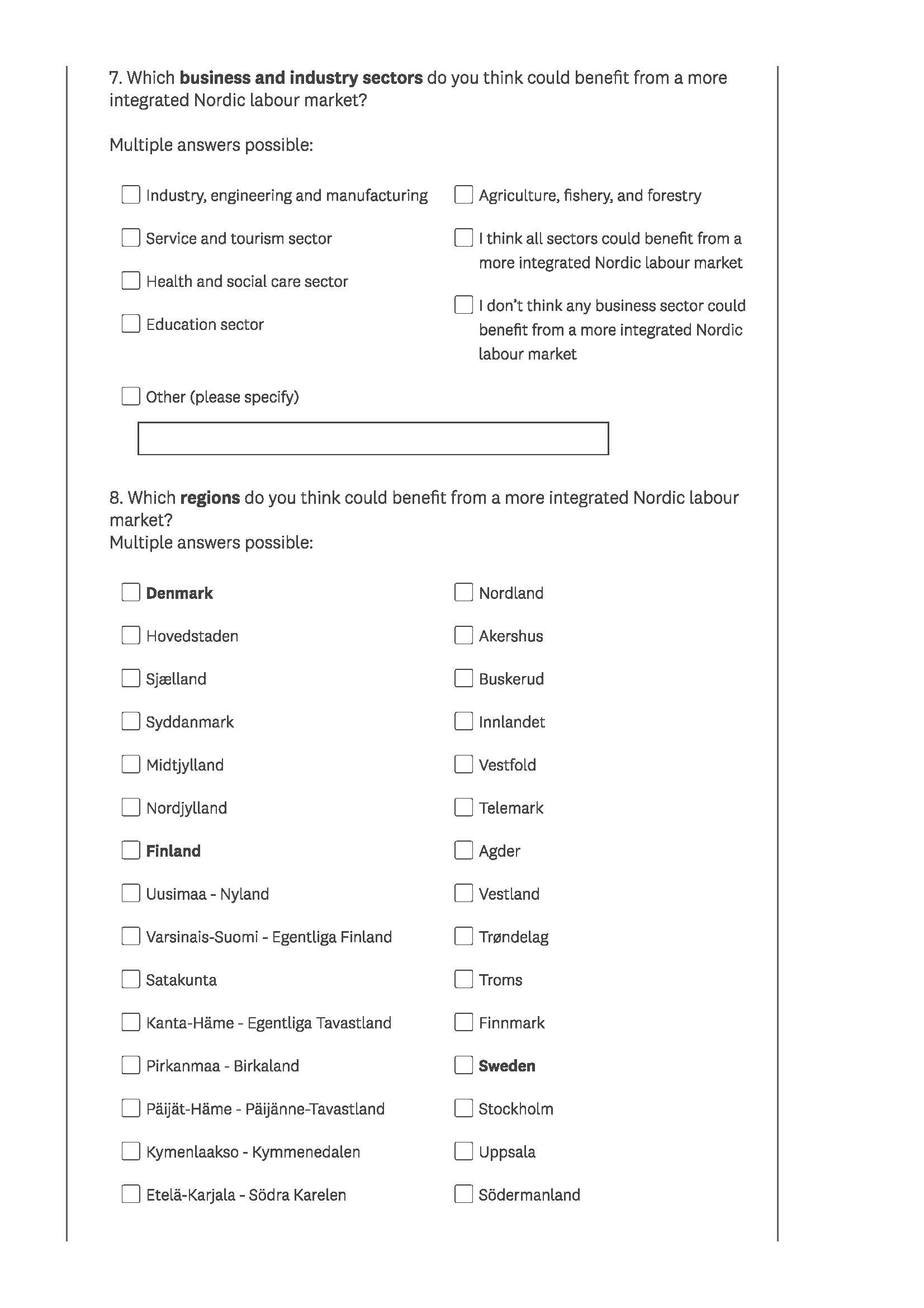
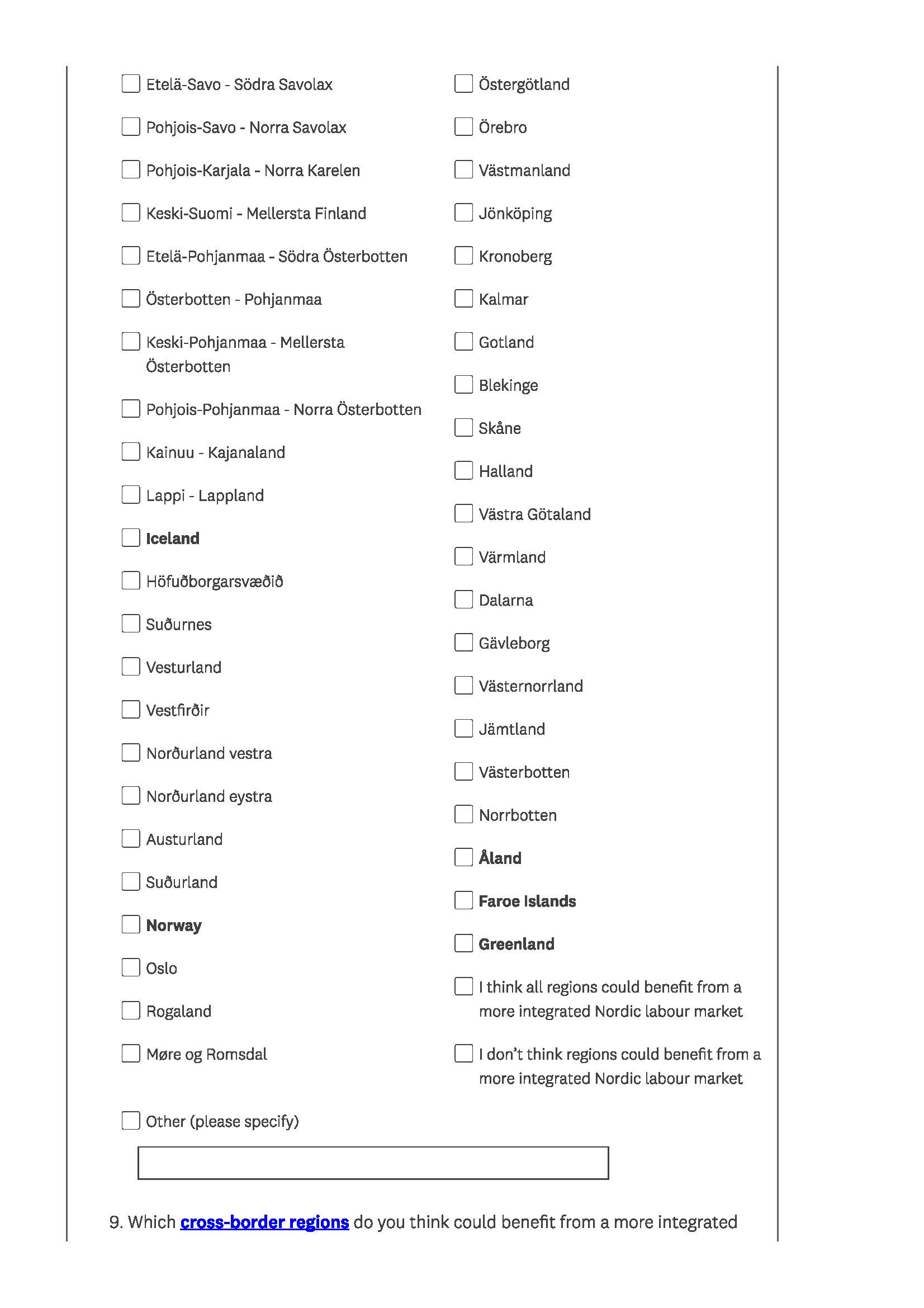
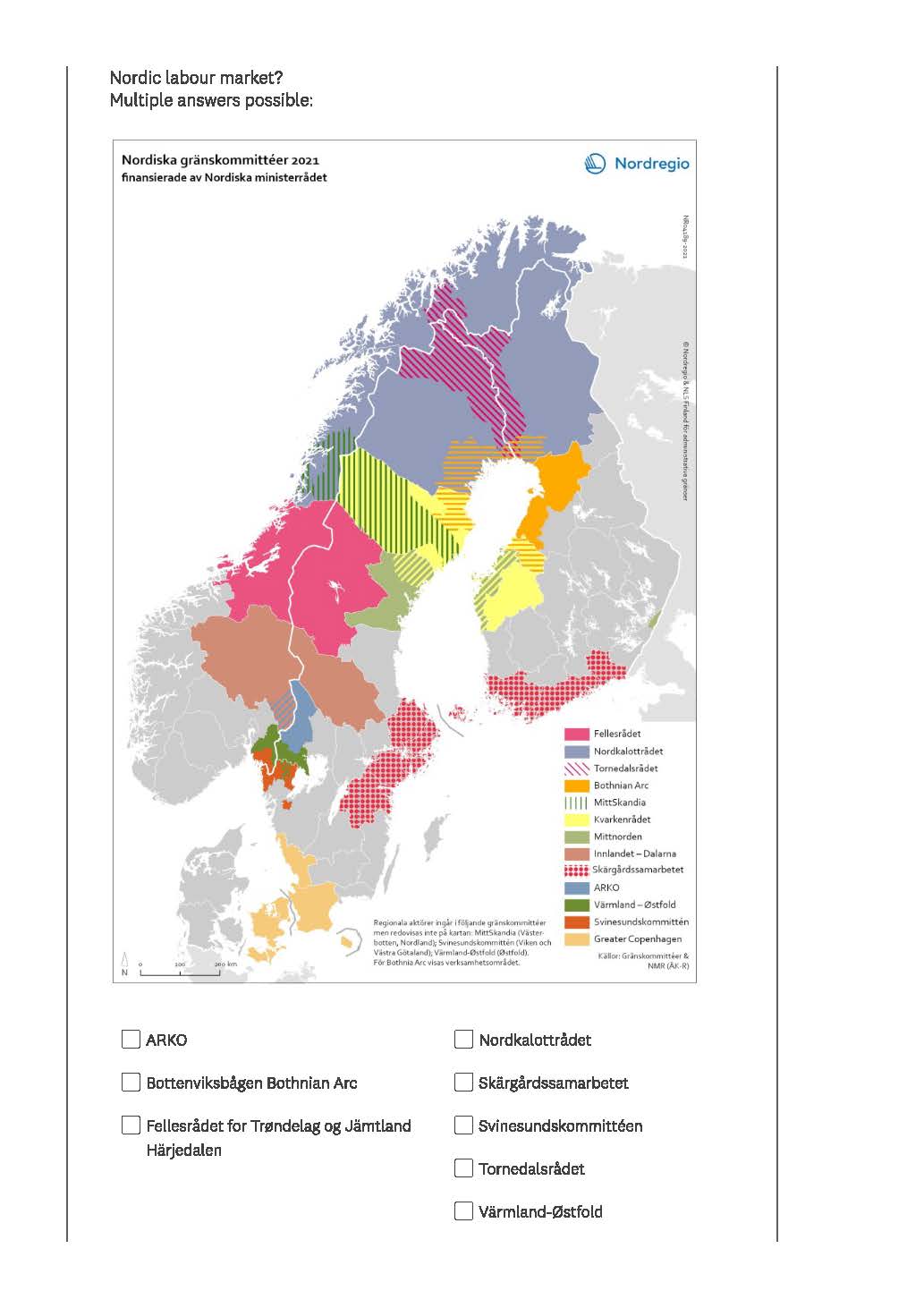
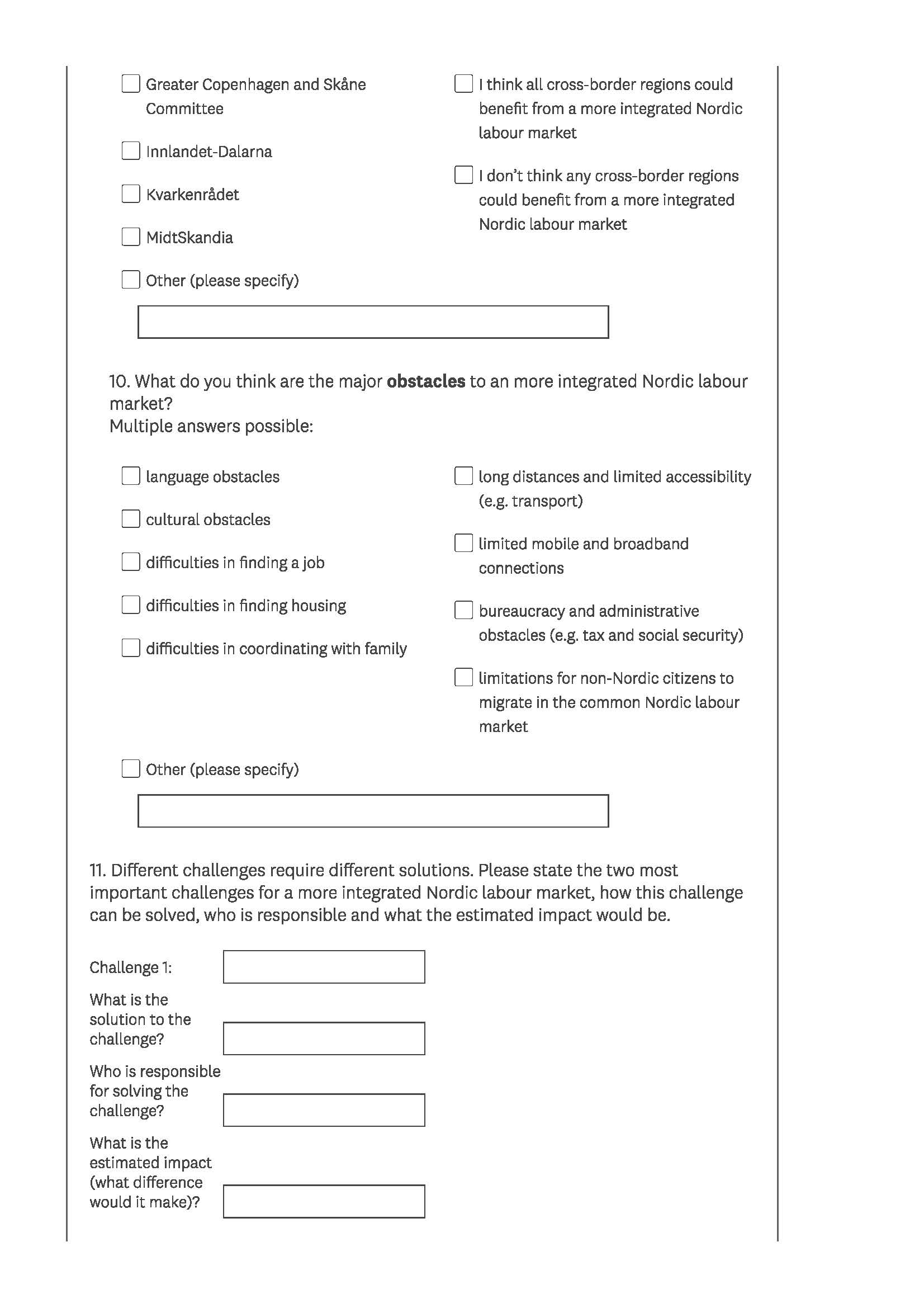

Appendix 3: Interview questionnaire
Interviews – approx. 1 hour
The last 70 ys
1. The common Nordic labour market celebrates 70 ys in 2024, what has been the greatest achievements?
2. In what way have your country/territory benefited the most from the common labour market during the last 70 ys?
3. What has been the greatest challenges to the common Nordic labour market?
4. What has been the role of the agreements of Nordic cooperation and a common Nordic labour market …
a) for Nordic labour market mobility? (High importance, medium, low) How, give examples.
b) for international competitiveness? (High importance, medium, low) How, give examples.
a) for Nordic labour market mobility? (High importance, medium, low) How, give examples.
b) for international competitiveness? (High importance, medium, low) How, give examples.
5. What has been the role of different institutions….
a) Nordic labour market committee who is responsible for implementing the agreement on the common Nordic labour market? (High importance, medium, low)
b) Info Norden and cross-border services? (High importance, medium, low)
c) Freedom of movement council? (High importance, medium, low)
d) Other institutions you want to highlight?
Today and in the future
6. Flow: The share of Nordic immigration has been decreasing. Immigration (of total immigration) 2021: SE: 9 %, DK: 15%; FI: 10%; NO: 8%; Iceland 10%; FO: 67%; GL: 90%; AX: 81%
Stock: Around 449.300 Nordic people were living in another Nordic country, corresponding to 1.6% of the total Nordic population (2022). At EU level, 3.9% of European citizens lived in an EU member state other than their country of birth in 2023.
Please comment.
Please comment.
7. What were the effects of the pandemic on the common Nordic labour market? Are these effects still relevant?
8. How do new technologies (e.g. automation and digitalisation) impact on the common Nordic labour market today and in the future?
9. How does the green transition impact the common Nordic labour market today and in the future?
10. How does working remotely impact the common Nordic labour market today and in the future?
11. Can cornerstones of the common Nordic labour market contribute to the Nordic vision of being the most integrated and sustainable region in 2030? How?
12. Lack of labour and skills mismatch is a challenge in all Nordic countries, could a common Nordic labour market contribute to solve those challenges? How?
Appendix 4: Classification of levels of education, skills levels, labour markets sectors, occupations
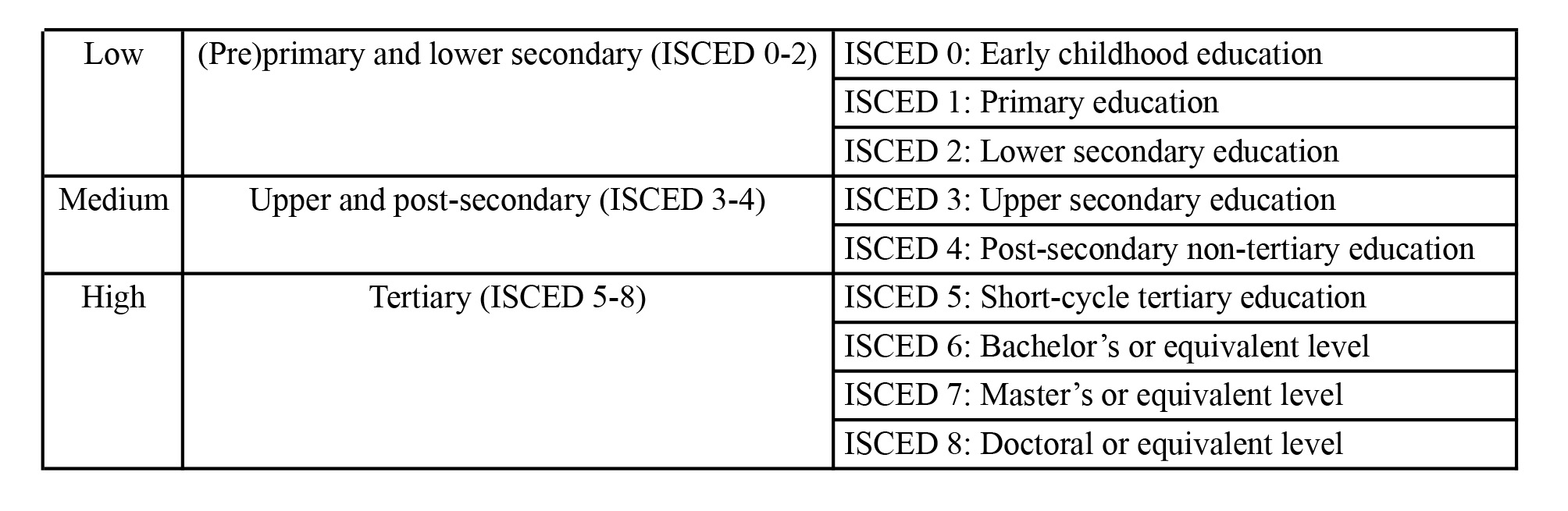
Appendix 4.1: Classification of levels of education
ISCED 2011 (levels of education) classification - Level of qualification
Appendix 4.2: Classification of levels of skill levels
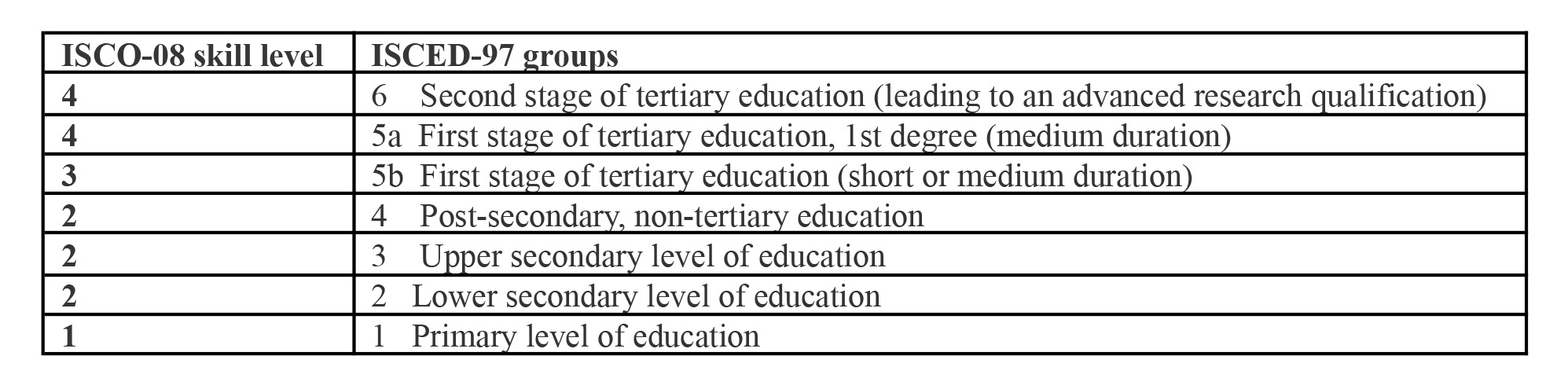
Appendix 4.3: Classification of levels of skill levels
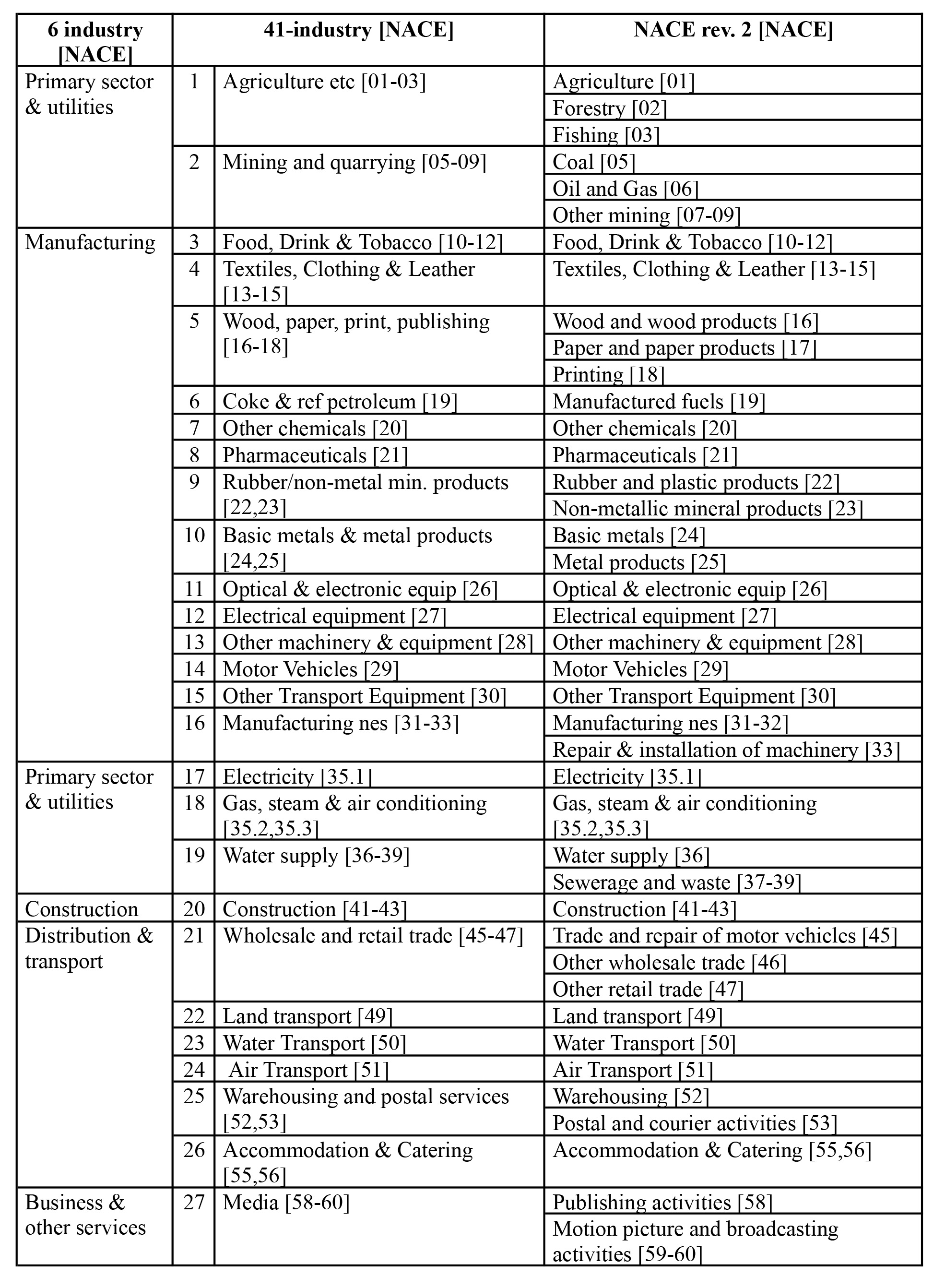
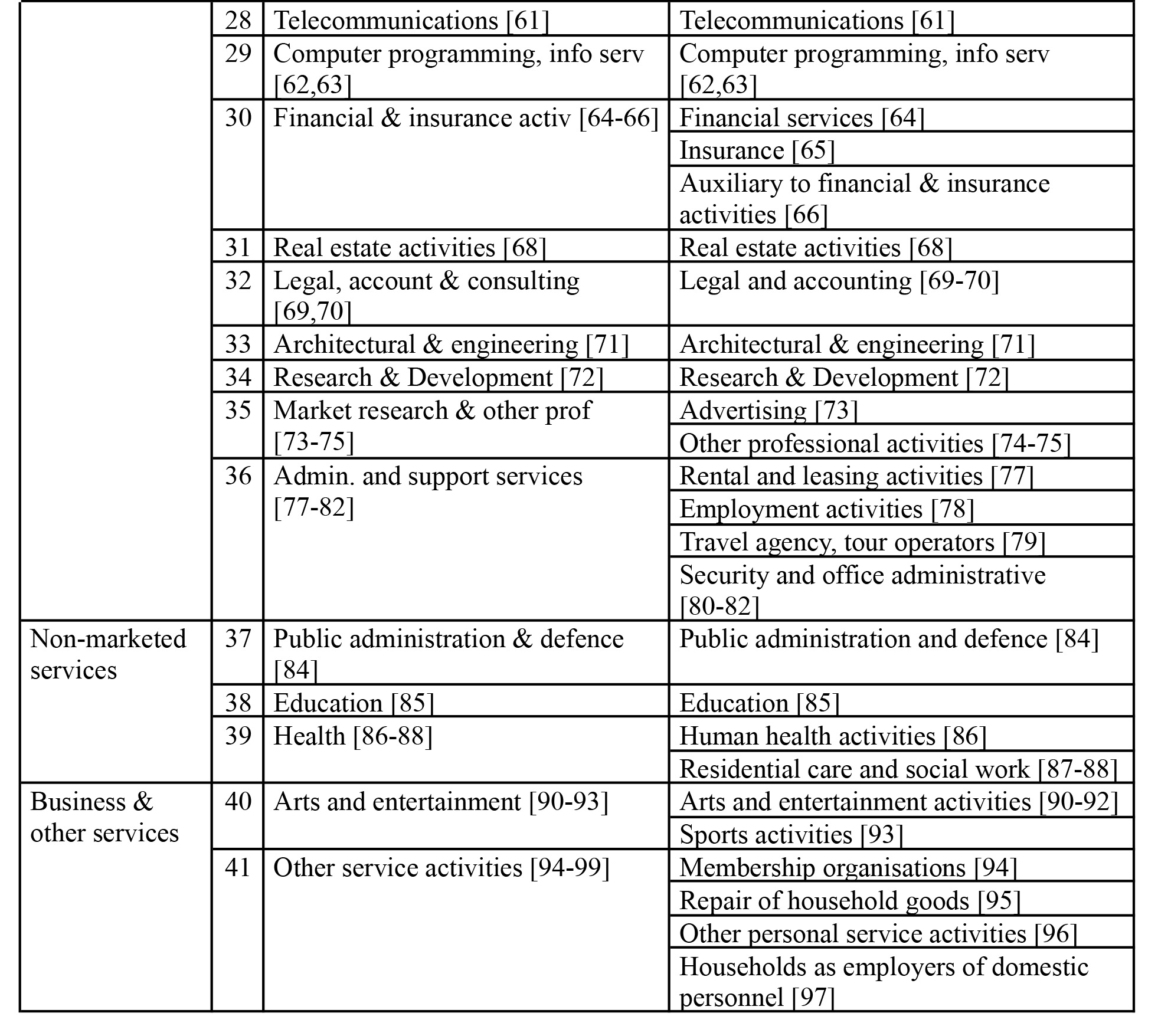
Industries categories based on NACE, categorization from 2 digits
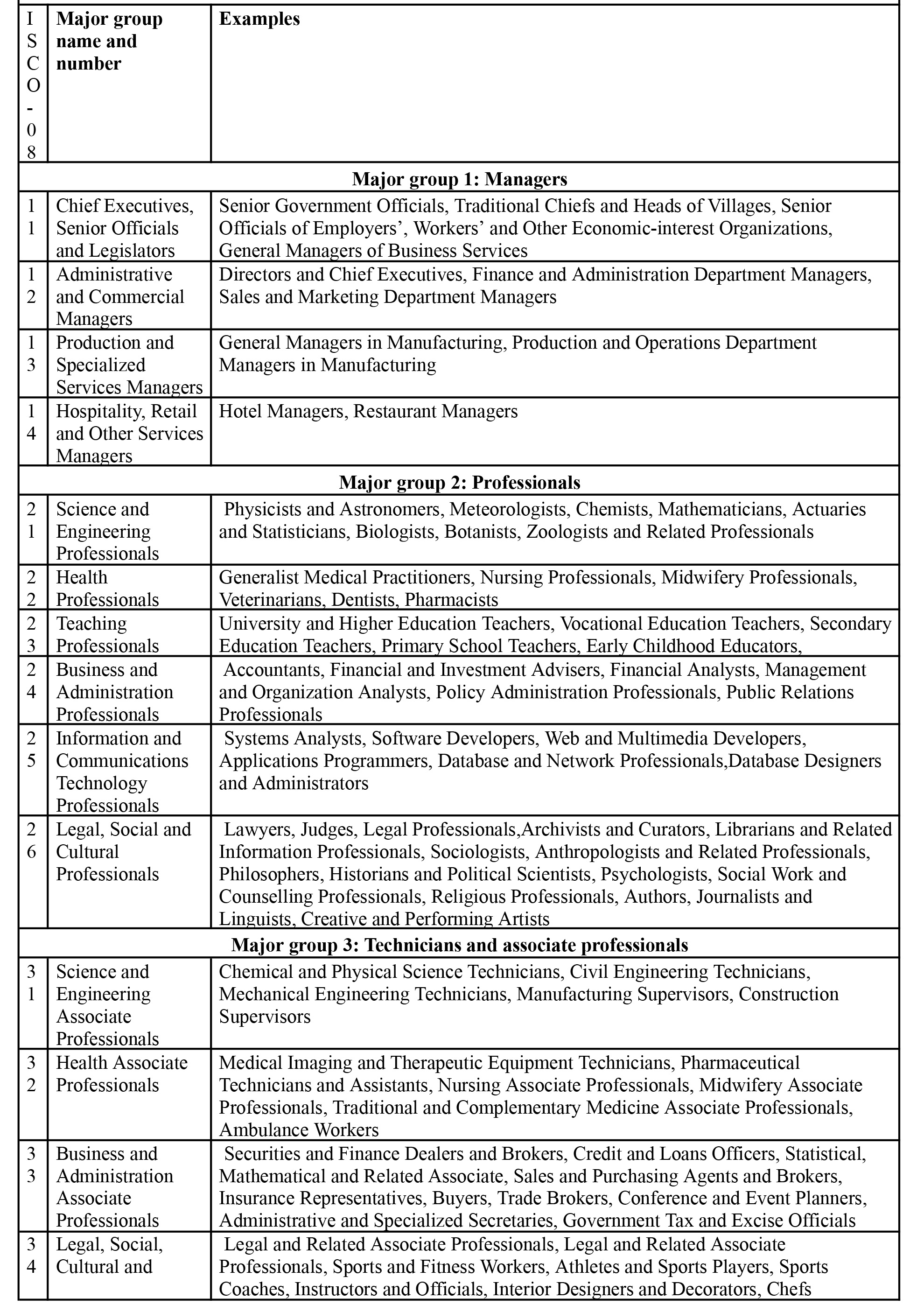
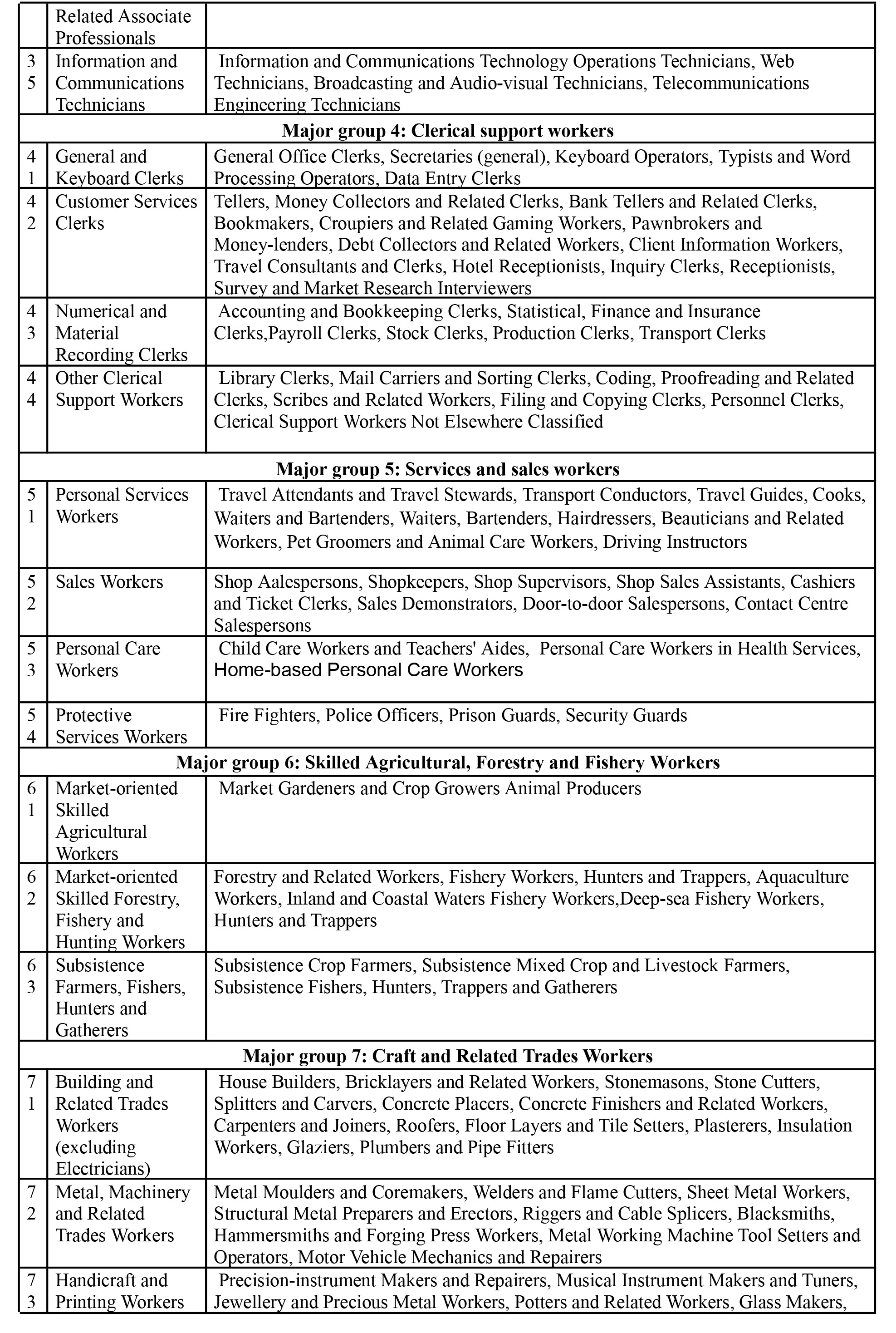
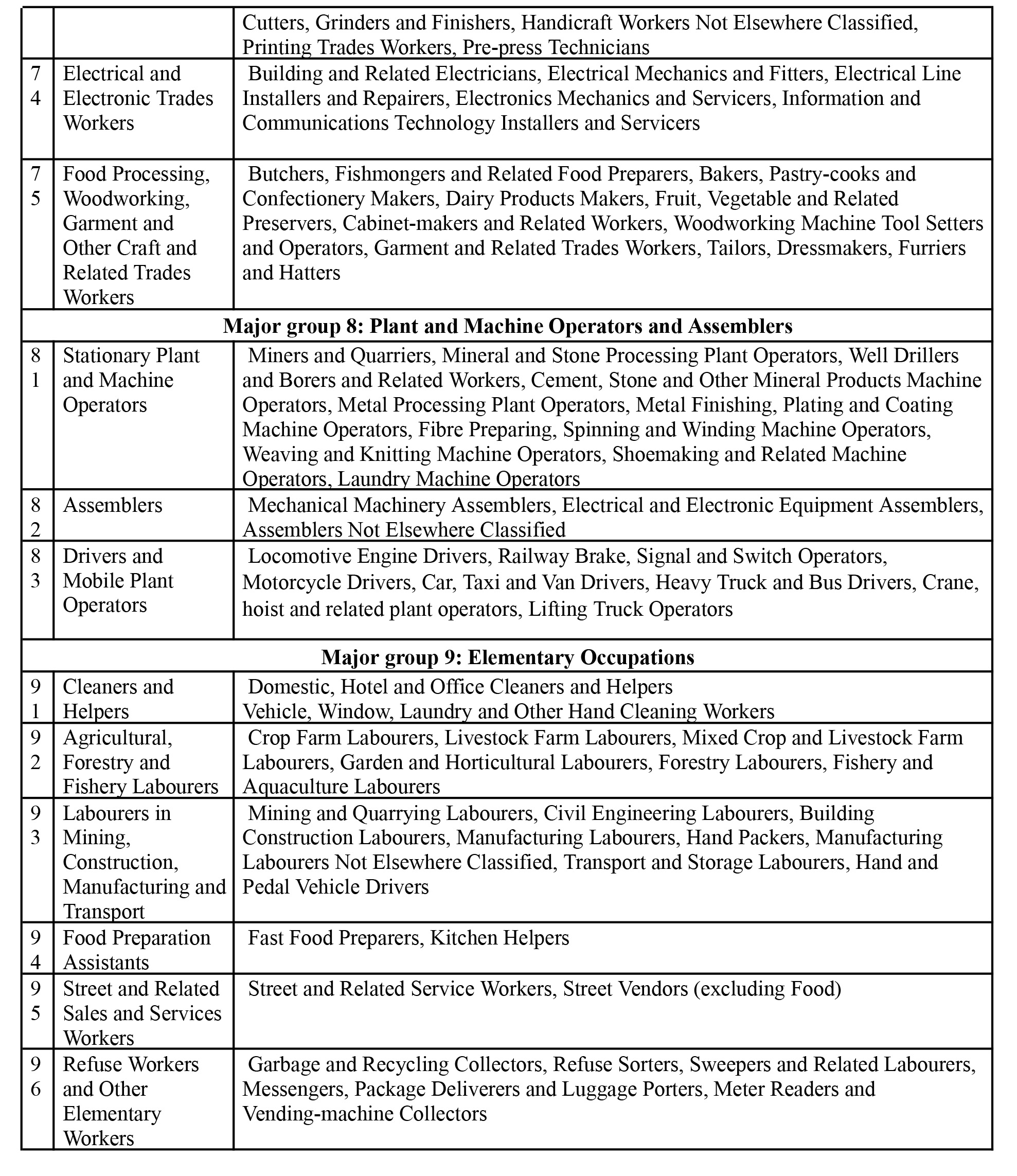
Appendix 4.4: Classification of occupation
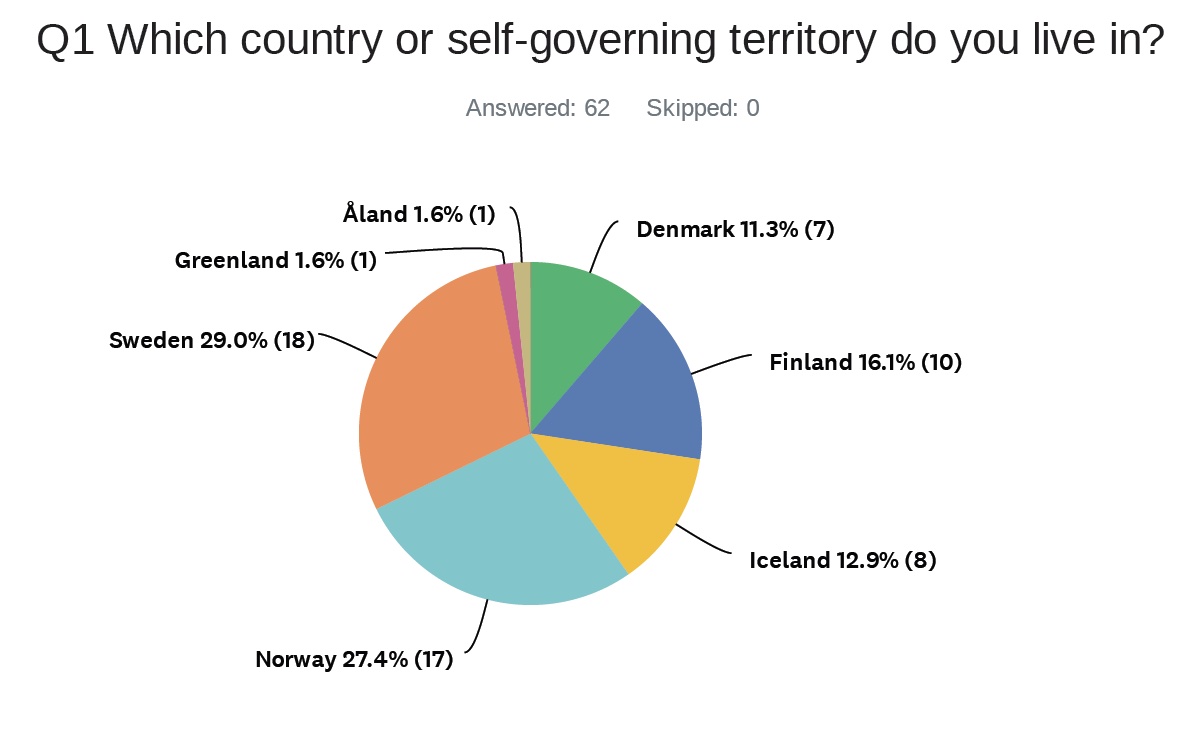
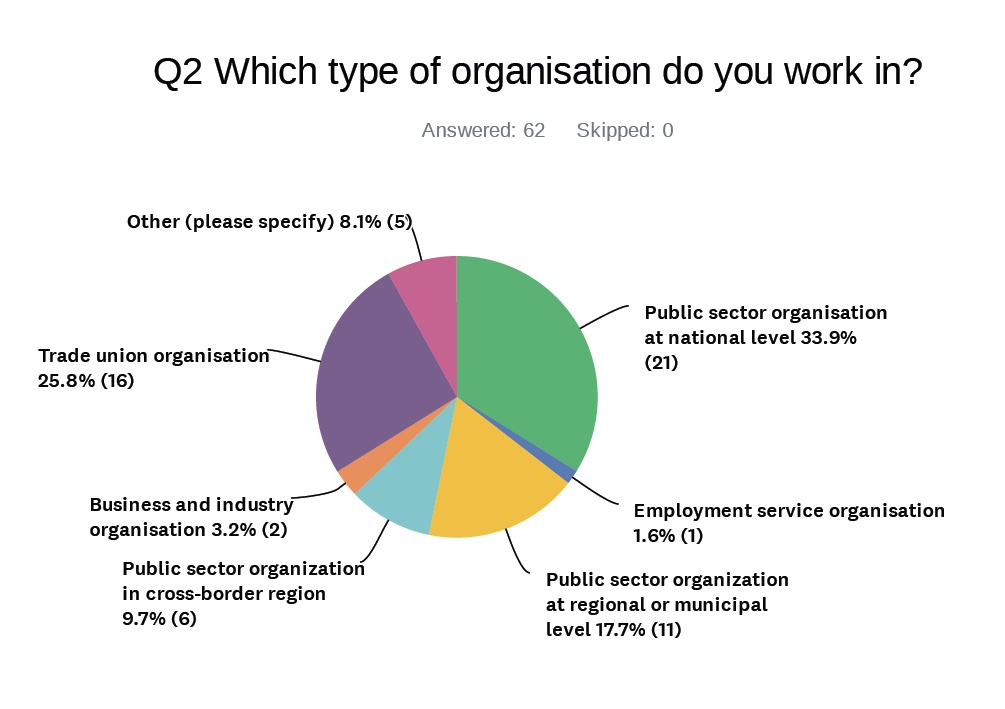
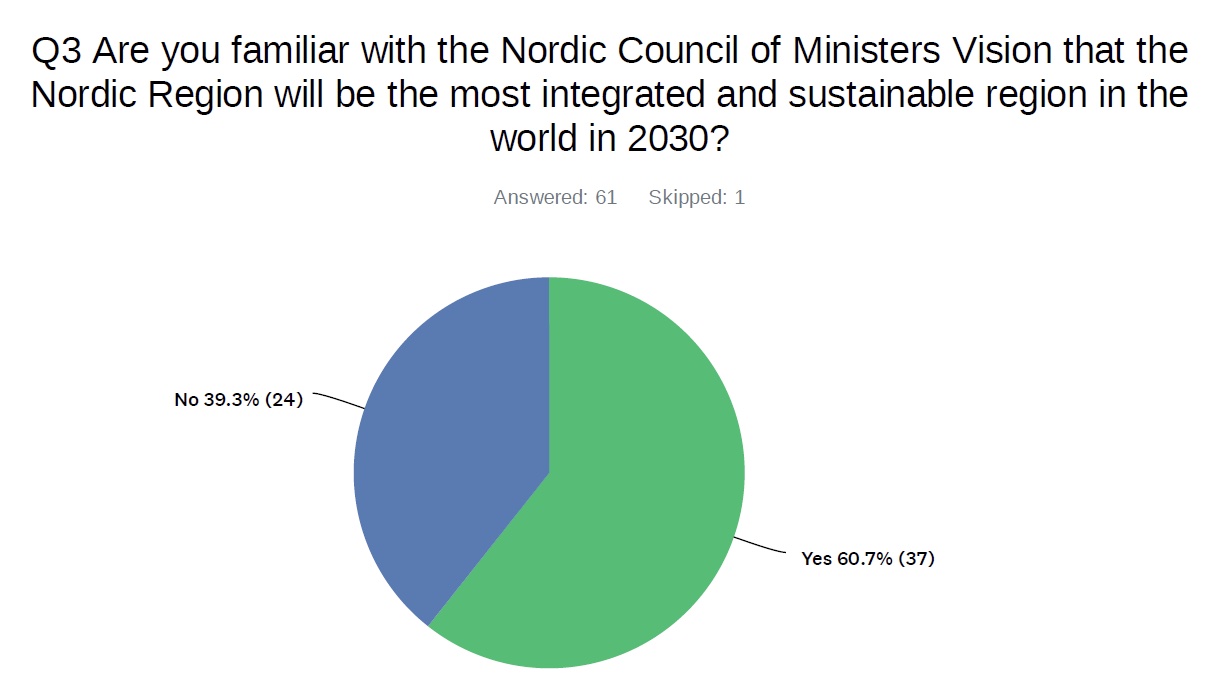
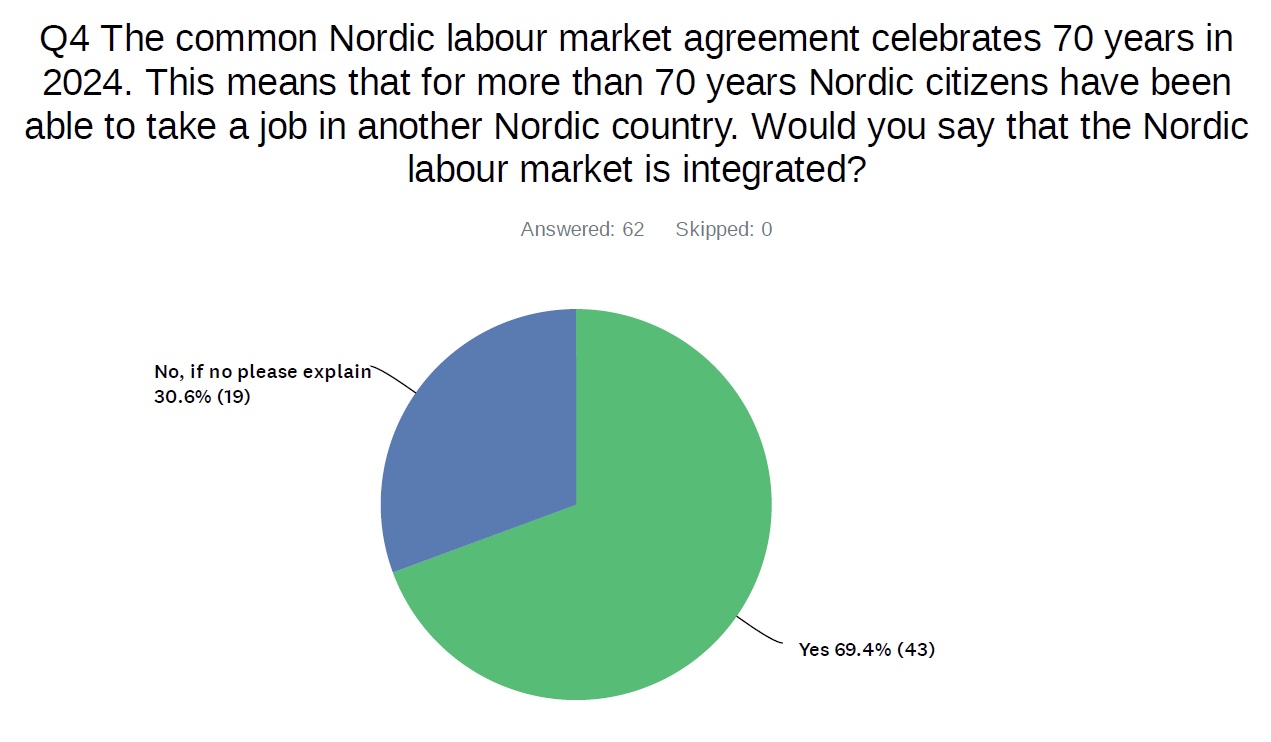
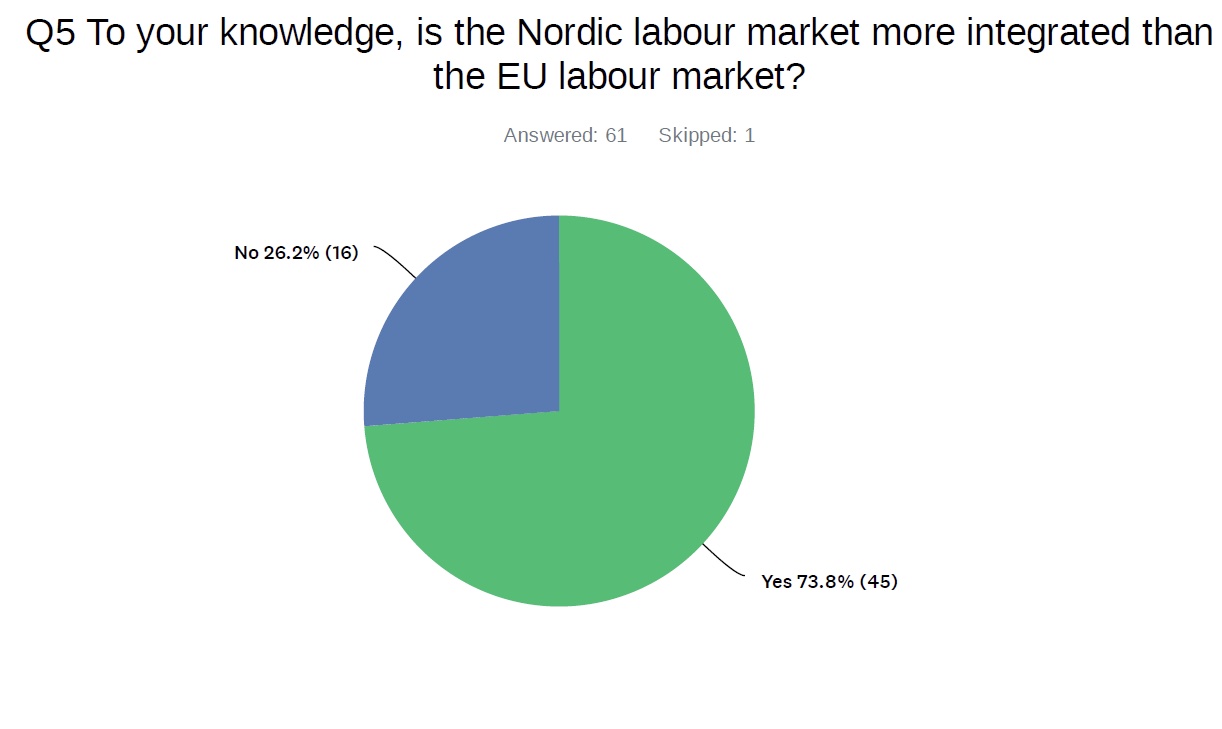
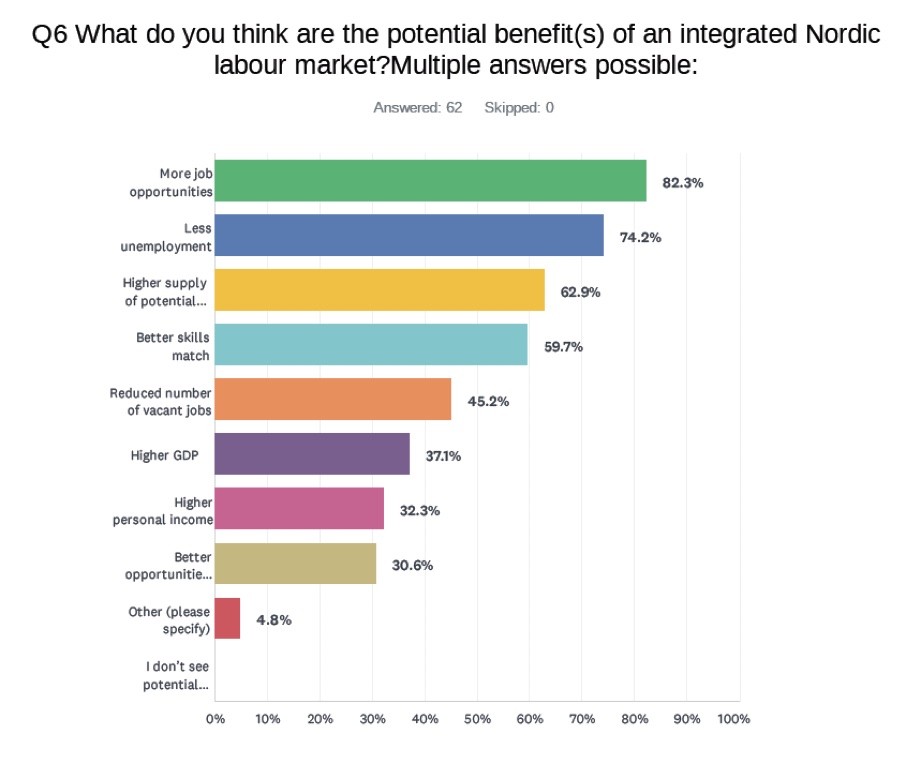
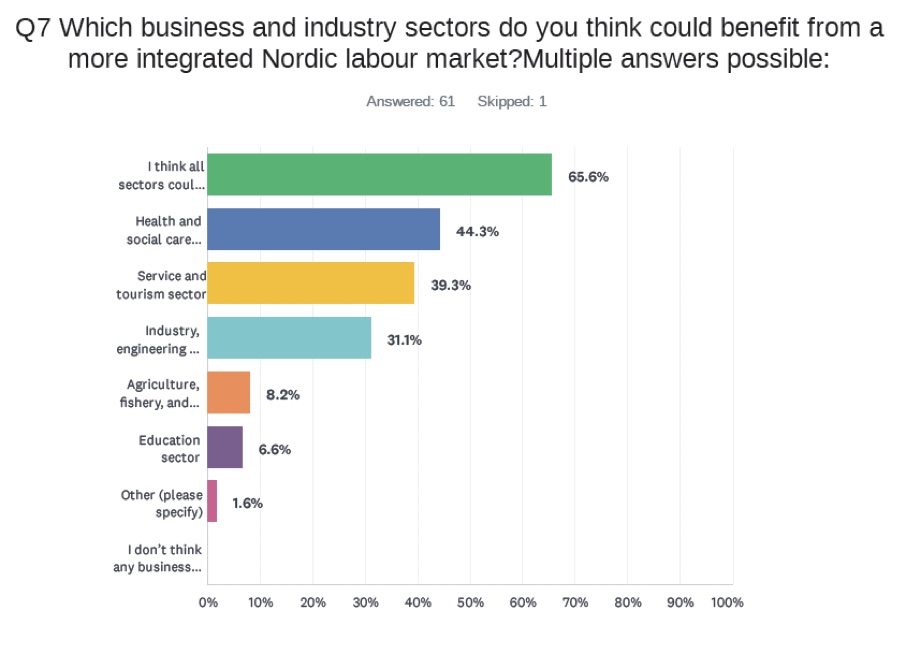
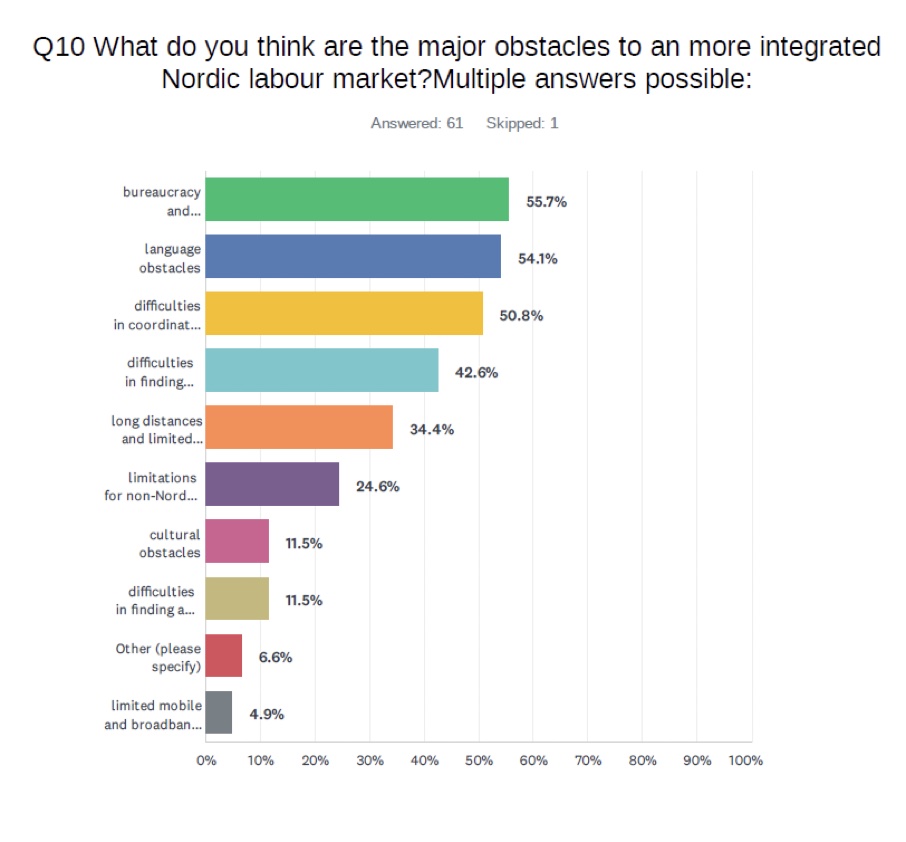
Appendix 5: Survey results