The high demand has led to higher rates of employment, including in groups that have previously had less contact with the labour market, such as people born abroad. (Photos: iStock and Platform/Scandinav/Imagebank.sweden.se)
2. STATISTICAL OVERVIEW
Introduction
This chapter provides, through descriptive data and results from previous studies, an overview of labour shortages in Nordic rural areas and the causes underlying them. Having set out its methods, the chapter outlines the state of the labour market in the wake of the COVID-19 pandemic, before moving on to the drivers of labour shortages and labour market mismatching. Next, the chapter explores which regions and sectors have been most affected by labour shortages. Finally, the chapter concludes with summarising remarks.
Methods
In analysing the labour shortages faced by rural areas in the Nordic region, the chapter draws on various data from official sources (mainly statistical offices in the Nordic countries and Eurostat), as well as scientific and brown literature. Given that definitions and data collection methods vary between countries, the relevant data has been harmonised to make it comparable. For example, in Sweden and Finland population is measured as of 31 December, while for the other Nordic countries 1 January is used. Thus, in the interests of comparability, Finland’s and Sweden’s population data for 2022 (31 December) is designated as 2023 (1 January). The Labour Force Survey, which is the official source for labour market statistics, is the only source comparable across the countries. In order to make municipal-level assessments, register data has been used as a distribution key.
Challenges to measuring labour shortages
Labour shortages arise from mismatches between supply and demand in the labour market. While it is fairly easy to map the supply of labour, measuring demand is more challenging. The most common measures, such as job vacancy ratios and Beveridge curves, look at unemployed persons vs vacant positions. These are imperfect measurements, as not all jobs are publicly announced and not all people outside the labour force are unemployed (i.e. actively searching for a job). Moreover, they are difficult to scale down to the local level.
As well as measuring the current situation, policymakers need a means of predicting future labour shortages. One way of doing so is through surveys sent out to companies. In this respect, all the Nordic countries have barometers in place to estimate future labour demand. In addition, some regions within countries undertake their own prognoses. These national and regional assessments look at – among other things – retirements and which sectors may require more workers going forward. Demand for labour does not, however, necessarily translate into concrete plans for recruitment, with issues of cost and priorities potentially coming into play.
As there is no single simple measure of labour shortages, the chapter employs triangulation to approach the topic from different angles. It also looks at both short- and long-term demand, making use of literature and other studies to examine relevant causes.
What do we mean by rural labour markets?
The subject of this report is labour shortages in rural areas. Defining ‘urban’ and ‘rural’ areas is, however, no easy task and often dependent on the topic in hand. Nevertheless, in order to discuss rural areas using data, a definition is required. At the European level, the main way of distinguishing urban from rural areas is the degree of urbanisation (DEGURBA) classification by Eurostat (2023), which divides regions into three classes: 1) mostly rural; 2) intermediate; and 3) mostly urban. Although this classification is made to work at a European level, it is not optimal for the different geographies of the Nordic region.
Nordregio
Nordregio has therefore developed a typology for the Nordic region using open grid statistical data on population, building density and land-use intensity derived from CORINE land-cover data (Stjernberg et al. 2024).
The fine-scaled typology can be found at: https://nordictypology.ubihub.io/.
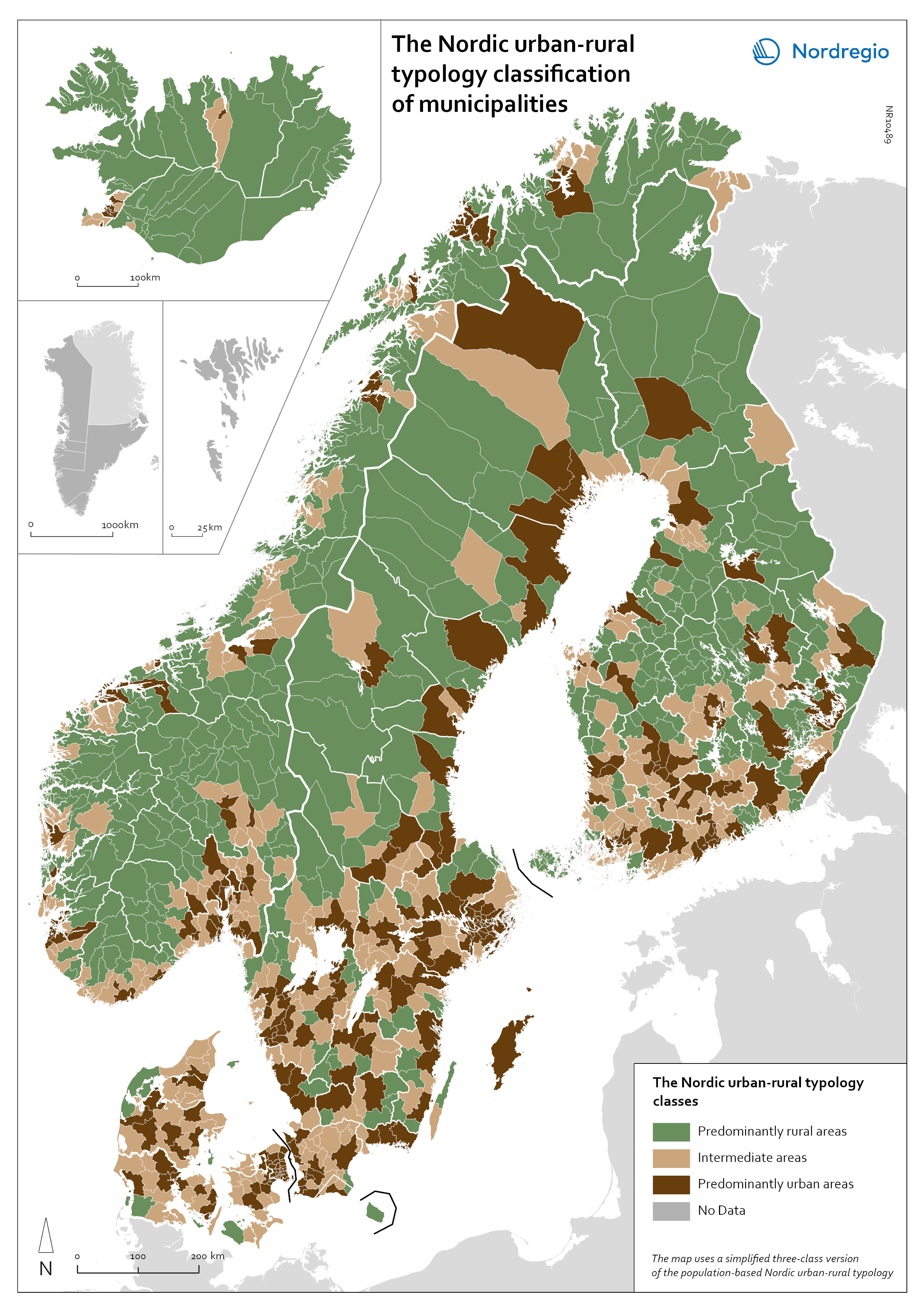
Map 2.1. Nordic urban–rural typology in three classes.
It should be noted that the possibility of commuting often means local labour markets extend beyond municipal borders. Thus, people living in a rural municipality may in fact work in an urban municipality (Borges 2020). Moreover, an urban municipality in a remote region may face different challenges in terms of finding competencies compared to an urban municipality in the capital regions. Similarly, a rural municipality in a predominantly rural area will have different challenges and opportunities compared to a rural municipality in a predominantly intermediate or urban area.
Labour shortages after the pandemic
The Nordic labour market after COVID-19
Like the rest of the world, the Nordic labour markets were severely hit by the effects of the COVID-19 pandemic, which disrupted both supply (due to interruptions in the supply chain) and demand (resulting from lockdowns and changes in consumer behaviour). This in turn led to changes in work behaviour (remote working) and increased unemployment, although furlough schemes and government support meant the latter could to some extent be mitigated (Norlén et al. 2022).
The main impact of the pandemic on employment was confined to the first wave of COVID-19 in spring 2020, after which labour markets recovered. Since the pandemic, the number of people in employment has reached record highs in all the Nordic countries, as well as in Greenland and the Faroe Islands. In total, there are more than 14 million people in work in the Nordic region (Forslund 2024; Norlén 2024).
Figure 2.1 shows the employment rates for the age group 20–64 between 2005 and 2023. As can be seen, there was a fairly steep decline in most countries during the first wave of the pandemic in early 2020, followed by a quick rebound in what has been called a ‘v-shaped’ recovery (during the following quarters of 2020). By comparison, the recovery from the 2008/2009 financial crisis was much slower. Employment rates in Denmark, Finland, Sweden, Greenland and the European Union (EU) as a whole all reached their highest levels in 20 years in the wake of the pandemic, while employment rates in Norway and the Faroe Islands are almost back to their pre-pandemic peaks. It is also worth noting that the proportion of people over 65 in work is rising as well.
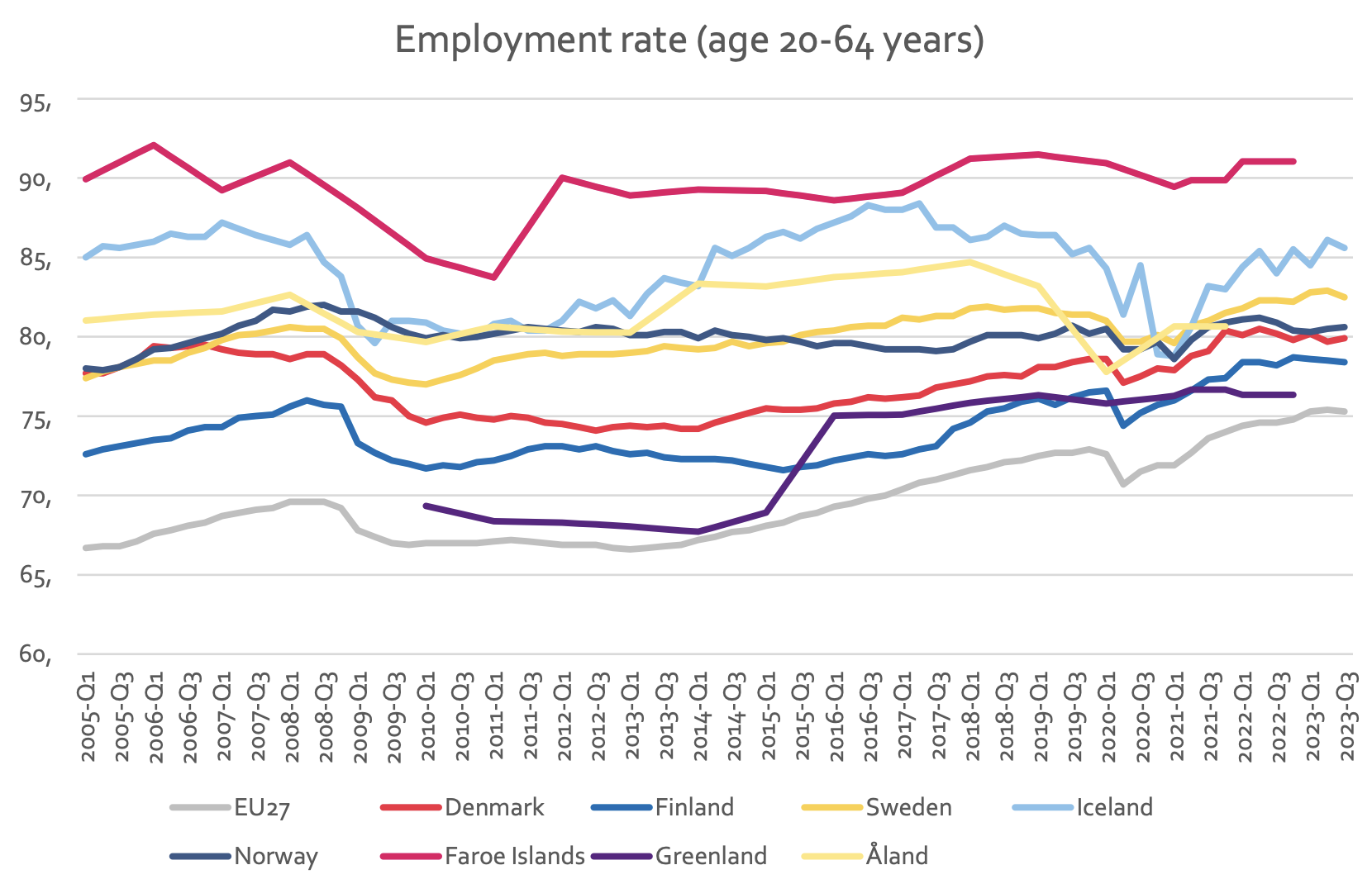
Figure 2.1. Employment rate (20–64 years), Q1 2005–Q3 2023.
Source: Eurostat and NSIs (Labour Force Survey, except GL and AX).
Source: Eurostat and NSIs (Labour Force Survey, except GL and AX).
High employment rates in the third quarter of 2023 point to the strong demand for labour after the pandemic, not only in the Nordic region but across all Organisation for Economic Co-operation and Development (OECD) countries (Causa et al. 2022). These higher rates of employment include groups that previously had less contact with the labour market, such as people born abroad (Konjunkturinstitutet 2023).
Here, it should be stressed that labour shortages are not specifically a Nordic issue – indeed, many OECD countries have reported labour shortages (Causa et al. 2022). Neither is it a specifically rural issue. On average, employment rates in the Nordic region are higher in rural municipalities (81.3%) than in urban municipalities (80.2%), although the highest employment rate is to be found in intermediate areas (82.1%). These high and relatively even employment rates indicate high demand for labour.
Demand for labour
As previously mentioned, labour shortages are difficult to measure. One indicator that can provide a rough overview is the job vacancy rate, which is expressed as a percentage and indicates the level of demand for labour in relation to the available workforce. A high job vacancy rate suggests employers are having difficulty finding suitable candidates to fill open positions, potentially indicating a tight labour market. Conversely, a low job vacancy rate suggests a surplus of labour or lack of demand for new hires. The measure demonstrates why labour shortages have recently become a hot topic: after a short dip during the pandemic, job vacancy rates increased rapidly in all Nordic countries.
As shown in Figure 2.2, in all countries except Norway the job vacancy rate peaked in 2022, then declined in 2023, albeit remaining at a higher level than prior to the pandemic. High inflation has led to an economic downturn, and although it is not yet visible in employment statistics, there are early signs of increased unemployment, especially in sectors such as construction and trade (Regeringskansliet 2023; SSB 2024; Valtioneuvosto 2022). When it comes to Norway, the country has had a fairly high job vacancy rate in most years since 2010, indicating a structural imbalance between labour supply and demand.
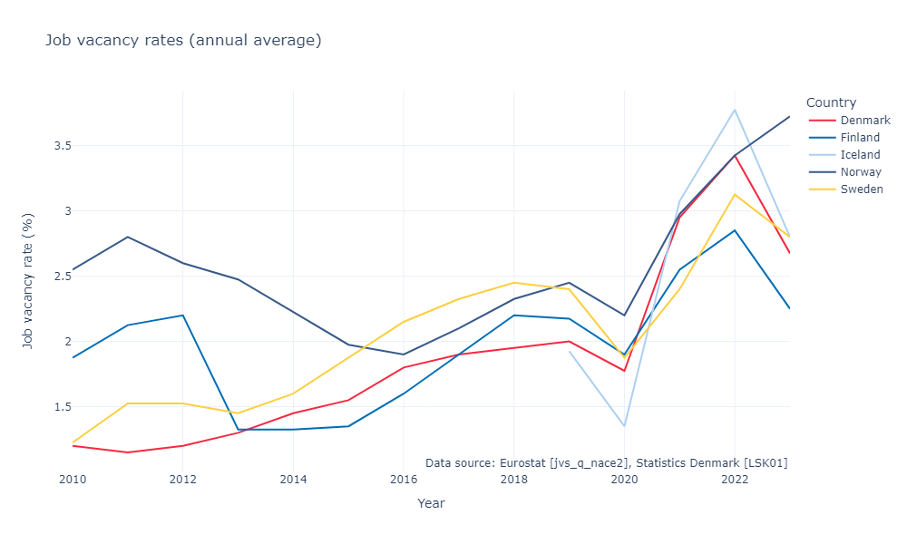
Figure 2.2. Job vacancy rates (annual average).
Source: Eurostat and Statistics Denmark.
Source: Eurostat and Statistics Denmark.
Causes of labour shortage
Not only do the employment and job vacancy rates point to why labour shortages have been such a hot topic following the pandemic, they indicate that such shortages have both short- and long-term causes. The short-term causes are related to economic cycles. In general, companies strive to avoid layoffs, meaning economic downturns tend to have a delayed effect on the labour market (Duval et al. 2011). Over recent decades, the Nordic countries gone through several downturns in the economy (e.g. Sweden’s monetary crisis in the 1990s, the financial crisis in 2008 and the COVID-19 pandemic in 2020–2022/2023), each of which has led to increased unemployment. In between these crises, there have been periods of high employment and labour shortages.
The long-term causes of labour shortages relate to megatrends affecting the labour market (Alsos & Dølvik 2021; ILO 2017), such as demographic and technological change, climate change/green transition, and globalisation. The following sub-sections elaborate on how these megatrends relate to labour shortages.
Demographic factors
Demographic change – mainly manifested in the form of an ageing population and ongoing urbanisation – is perhaps the most starkly apparent megatrend impacting the labour market. It also demonstrates how place matters, as urbanisation affects urban and rural areas in very different ways. While the challenge for rural areas is to retain and increase their labour forces, the challenge for urban areas is to accommodate and plan for increased populations.
Most municipalities in the Nordic region currently have fewer people entering the labour force than leaving it. Map 2.2 shows the ratio between age groups 20–29 and 55–64 at the municipal (big map) and regional (small map) level. A ratio of less than 1 means fewer people are entering than exiting the labour market, while a ratio of more than 1 indicates the opposite. As such, a ratio above 1 is desirable at both the municipal and regional level.
For the Nordic region as a whole, the ratio is 0.95, meaning there are slightly fewer people in age group 20–29 than 55–64, with Iceland the only country with a ratio above 1 (Iceland 1.3; Greenland 0.99; Denmark 0.97; Norway 0.95; Finland 0.94; Sweden 0.93; Faroe Islands 0.88; Åland 0.63). All the Icelandic regions, as well as the capital regions of Norway, Denmark and Finland, have a ratio above 1. In Sweden, the highest ratios are in Uppsala (1.25), Västerbotten (1.14) and Östergötland (1.03), while the ratio in Stockholm is below 1 (0.95). The lowest ratios are found in Etelä-Savo (0.62) and Åland (0.63) in Finland; Sjælland (0.63) in Denmark; Västernorrland (0.74) in Sweden; and in Vestfold and Telemark (0.78) and Viken (0.77) in Norway.
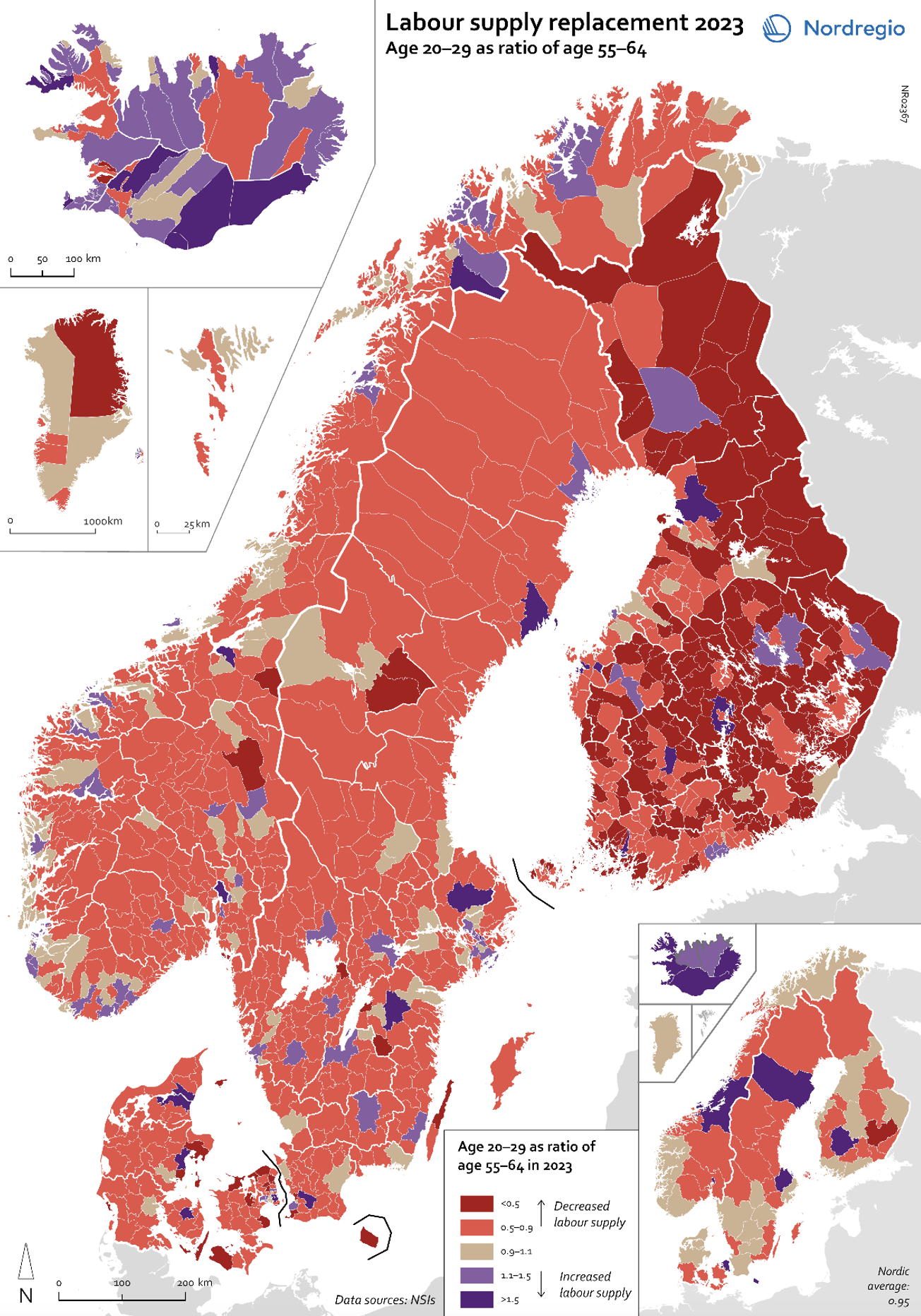
Map 2.2. Labour supply replacement 2023.
The key implication arising from Map 2.2 is that, going forward, most municipalities and labour markets will struggle to maintain the required levels of labour supply. This conclusion is reinforced by the projections for population change in working age population (here defined as aged 20–64). Map 3, which sets out the projected changes by 2040, shows that the distribution is quite varied, with considerable differences between and within countries. The biggest increase in share of working age population in 2040 is expected in Iceland (28%), followed by Sweden (5.8%), Åland (3.9%) and Norway (0.6%). Decreases are expected in Finland (-0.5%), the Faroe Islands (-2.6%), Denmark (-3.2%) and Greenland (-11.4%). This development comes on top of the decreases already experienced by Finland since 2013.
In general, the trend of growing populations in cities and decreasing populations in rural areas is expected to continue through to 2040. The regions expected to have the highest working age population growth in the Nordic region include Uppsala (+13%), Stockholm (+12%), Skåne (+9%), Halland (+7%) and Västra Götaland (+6%) in Sweden; Uusimaa (+8%) and Pirkanmaa (+5%) in Finland; and Oslo and Viken in Norway (+5%). In Denmark, Copenhagen municipality (+5%), as well as Rødovre (+9%) and Vallensbæk (+6%) in Hovedstad region, are expected to see significant increases, while the working age populations in most municipalities in the Hovedstaden region will decline. Greenland, along with the Finnish regions of Satakunta, Etelä-Karjala, Kainuu, Kymenlaakso and Etelä-Savo, are all expected to see a more than 10% decrease in their working age populations by 2040. Across the Nordic region as a whole, rural municipalities are projected to undergo a 5.8% decline in labour supply. By contrast, urban municipalities will see 7.3% growth in their working age population, and in intermediate municipalities the labour supply will remain stable.
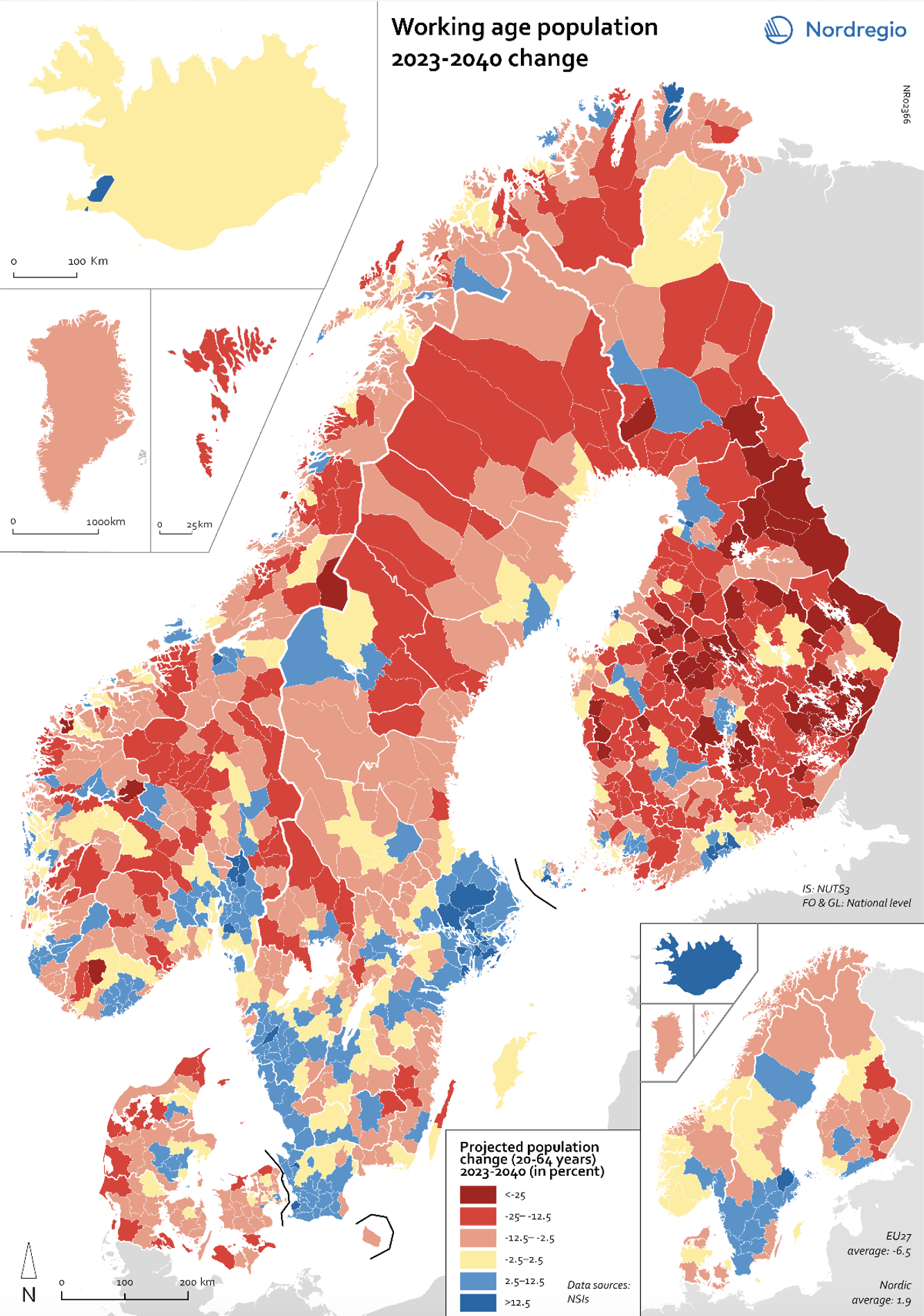
Map 2.3. Working age population, projected change over the period 2023–2040.
In the main, the changes in labour supply depicted in Maps 2.2 and 2.3 affect rural areas negatively. At the same time, the process of ageing affects labour demand, as an ageing population leads to increased demand for workers in the health care and care sectors (Lundgren et al. 2020). While dealing with an increasingly ageing population is a pressing issue across the Western world, it affects rural areas more than urban areas.
Figure 2.3 shows the old-age population between 2000 and 2023 for the Nordic region by degree of urbanisation. In 2000, the ratio was 22 for urban areas, 26 for intermediate areas and 32 for rural areas. By 2023 it had increased to 29 for urban areas, 39 for intermediate areas and 48 for rural areas. This means that in rural areas there are on average two people of working age for every person aged 65 or more. There are, however, regional differences. In Finland, the ratio for rural areas is 62, and there are even rural municipalities with a ratio above 100, meaning there more people aged 65 and above than there are people of working age.
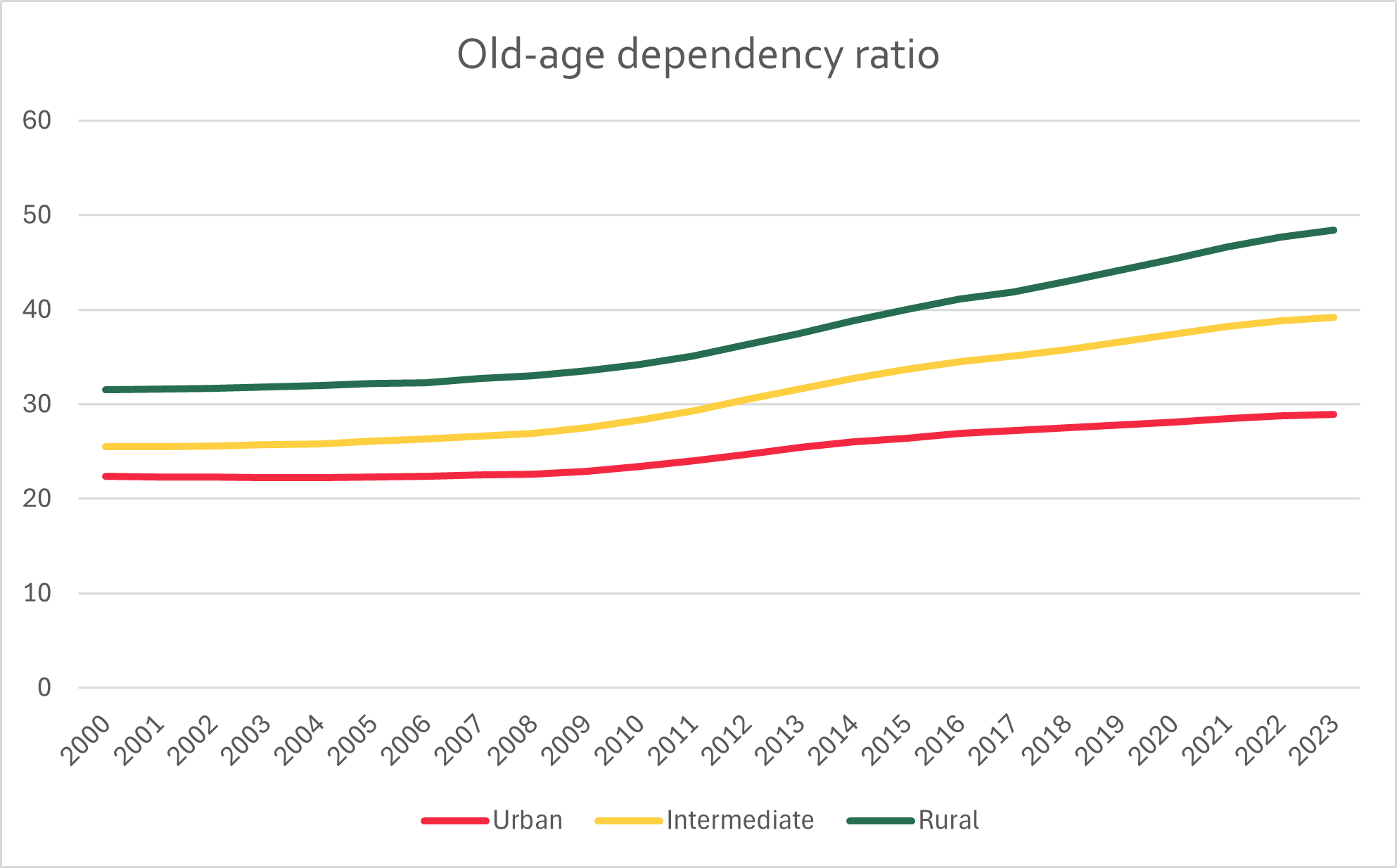
Figure 2.3. Old-age dependency ratio 2000–2023, Nordic average.
Source: Eurostat and NSIs (Labour Force Survey, except GL and AX).
Source: Eurostat and NSIs (Labour Force Survey, except GL and AX).
Note: Old-age dependency ratio is the ratio between people aged 65+ as a share of the population aged 15–64 (as a percentage). The Nordic typology has been used for classification of urban–rural.
Although old-age dependency ratio is a common indicator for measuring the extent to which a population is ageing, it should be noted that a growing share of the population is working beyond official retirement age and contributing in many ways to their local economies. Also, effects on healthcare mainly relate to higher ages (Stjernberg et al. 2021).
In sum, demographic change is leading to a decreasing labour supply and an increased ageing population in most rural areas. This means there is less labour available for companies to hire, alongside rising demand for health care and care.
Automation, artificial intelligence and digitalisation
Technological change is another longstanding megatrend. Recent developments in automation, artificial intelligence (AI) and digitalisation have, however, led to talk of a Fourth Industrial Revolution, and will likely have geographical implications. Although job displacements due to automation and AI have been discussed, this has yet to become reality to any great extent (Grunfelder et al. 2020). Developments in this area do, however, mean that new skills are required, and puts pressure on the industry to renew itself in order to stay competitive. As such, a skilled workforce is required. In this respect, there is a greater share of people with higher education in urban areas (51%) than in rural areas (32%). Moreover, there are more high-skilled jobs in urban areas.
Nevertheless, digitalisation and automation could be an opportunity for rural areas in the sense that it may facilitate services and businesses without the need for the same number of workers (Slätmo et al. 2022, 2023). Digital tools can also be used in the care sector (Lundgren et al. 2020), while increased working remotely may provide new opportunities, both in attracting residents and workers (Bogason et al. 2024).
Green transition
The green transition, while currently in an early phase, promises to impact all areas of the labour market. During this transition, new jobs will be created, jobs dependent on fossil fuels be reformed or phased out, and skills in existing jobs may change (Vandeplas et al. 2022). Although it is too early to say with confidence how the transition will play out, there are a number of geographical implications.
Firstly, there is a higher share of ‘green jobs’ (according to the current classification of such roles) in urban areas than in rural (e.g. OECD 2023). Conversely, there is a higher share of ‘polluting’ jobs in rural areas. Explanations of the higher share of ‘green jobs’ in urban areas include the fact that the green transition is in its initial stages, meaning there is demand for new skills and innovations. This in turn demands a skilled workforce (OECD 2023).
Considerable investment is also being made in ‘green industrialisation’, much of which is taking place outside the capital regions – for example in the north of Sweden (Danbolt 2023; Wallin 2021). These investments mainly apply to sectors such as green steel, battery production and mining.
In 2023, Norway launched a ‘Green Industrial Initiative’ designed to give the country a leading role in green innovation and investment. In Denmark, meanwhile, there are plans for big investments in offshore wind power, with similar initiatives also underway in the other Nordic countries. These investments are expected to stoke demand for vocationally trained workers, but the effects will not be evenly distributed geographically. At the same time, Refsgaard et al. (2021) show that the new bioeconomy is set to make an important contribution to the Nordic region’s economies, especially in rural areas.
Skills mismatch
A skills mismatch occurs when there is a high vacancy rate and high unemployment rate at the same time. Some labour shortages can be explained by such mismatches. Unemployment rates tend to vary between the Nordic countries, partly due to the different rules and systems in place for receiving unemployment benefits and support. For example, the unemployment rate is higher in Sweden and Finland than in the region’s other countries, indicating a higher mismatch. According to Forslund (2024), there are, however, no clear signs that mismatches have increased since the COVID-19 pandemic.
Foreign born people from non-EU countries tend to be overrepresented in the Nordic countries’ unemployment figures. Since the pandemic, though, a greater proportion of people from this group have entered employment – in 2022, the group’s employment rate was the highest in 20 years (Norlén 2024).
There are also educational mismatches that occur when people work in areas they have not been trained for. The digital shift and green transition mean new skills will be needed. Over the past 20 years, educational planning in the Nordic region and the EU has primarily focused on academic education, with the result that an increasing share of the population has a tertiary education. There has not, however, been a comparable emphasis on vocational training or life-long learning. This is problematic given that many of the in-demand jobs in rural areas require vocational training rather than an academic education (Maersk & Norlén 2024).
Shifting labour demand between regions may also lead to geographical mismatches in skills. The north of Sweden, where green transition investments require a big influx of labour, already bears evidence of this. At the same time, there are a considerable number of unemployed in other parts of the country.
Regional and rural variations of Nordic labour shortage
Regional variations
As has been mentioned, there is no one single indicator used for labour shortages, making it difficult to state with any certainty where labour shortages are most pronounced. Nevertheless, employment rates can be used as a rough proxy, as a high employment rate indicates a tight labour market.
Map 2.4, which displays the employment rate (i.e. share of people aged 20–64 in employment as of November 2022), reveals differences both within and between countries. Employment rates have long been lower in Finland, and higher in Iceland, Faroe Islands and Åland, compared to the rest of the Nordic region. Interestingly, both the highest and lowest employment rates can be found in rural municipalities. The Faroe Islands enjoy the highest employment rate (above 90%), with similarly high rates seen in most of Iceland’s rural municipalities, as well as in Lumparland, Kumlinge, Lemland and Jomala in Åland, and some smaller municipalities in Trøndelag and Vestland in Norway.
There are numerous rural municipalities with an above 85% employment rate, including several municipalities in Österbotten in Finland (e.g. Närpiö and Nykarleby), municipalities in the Swedish regions of Norrbotten, Dalarna and Östergötland, and in several smaller municipalities in Norway. An employment rate above 85% in practice means full employment, as there will always be people in the relevant age bracket outside the labour force (e.g. those who are sick or studying).
At the other end of the spectrum, most of the municipalities with the lowest employment rates are rural, including municipalities in the Finnish regions of Pohjois-Savo, Kainuu and Pohjois-Karjala, as well as Lolland in Denmark. The fact that rural municipalities display both the highest and lowest employment rates is partly explained by their small populations, as just a few individuals can make a big statistical difference. In addition, rural municipalities are generally more dependent on a single industry and so are more affected should said industry face disruptions.
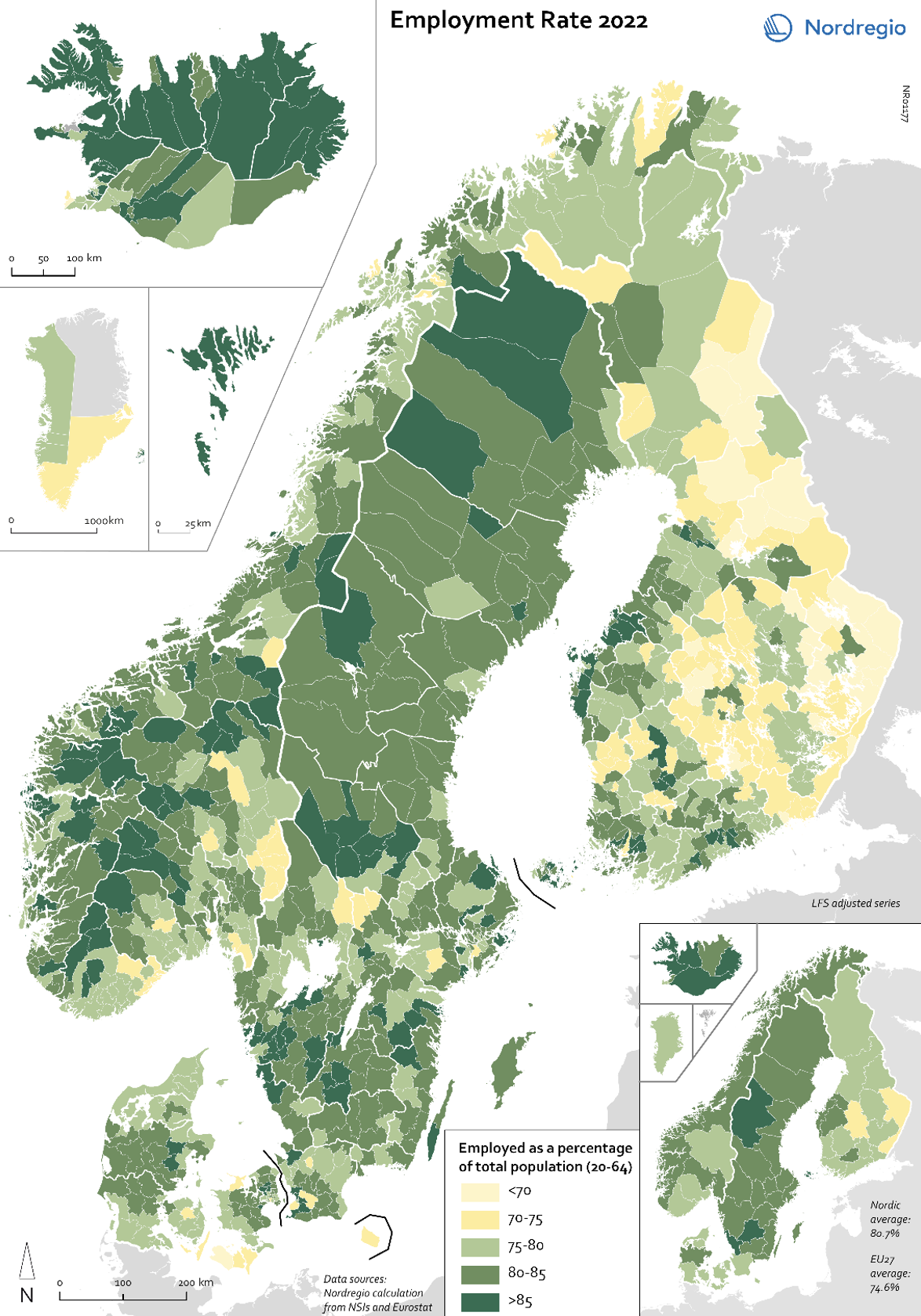
Map 2.4. Nordic region employment rates, 2022.
Occupations and sectors affected by labour shortage
In order to investigate whether any sectors are disproportionately affected by labour shortages, we reviewed the national assessments on skills needs for Denmark, Iceland, Finland, Norway and Sweden.
A projection in Denmark concludes there will be a shortfall of 99,000 vocationally trained workers in 2030, alongside a surplus of 59,000 academics. This shortfall is mainly related to retirements, and will affect the health care sector especially, as well as professions in industry, agriculture and trade (AE 2021).
In Finland, 75% of the occupations expected to face shortfalls in workers are in the health care and social sectors, with nurses, social work specialists, teachers, doctors, psychologists and dentists highlighted. Staff shortfalls are also anticipated within the restaurant sector and industry (Työ- ja elinkeinominesteriö 2022).
In Iceland, increased demand for healthcare workers (specifically, a 30% increase – 50% for doctors –by 2035) is again spotlighted as an issue (SAMAK 2022). Conversely, demand for unskilled workers is expected to decrease, while vocational occupations such as carpentry, mechanics and masonry are set to experience a lack of workers (EURES 2022).
In Norway, jobs requiring vocational training within the manufacturing, building and construction sector, as well as health care workers and nurses, are highlighted as areas facing labour shortages. On the other hand, supply is expected to outstrip demand for many jobs requiring an academic education, partly due to the fact that relatively few people in these roles are likely to retire in the short term. Moreover, the green transition implies lower employment in the petroleum industry, which is expected to affect demand (Cappelen et al. 2020).
As elsewhere, Sweden anticipates worker shortfalls in the health care sector, especially in terms of specialist nurses. Teachers, engineers and people with computer skills are also expected to be in demand going forward. Turning to jobs of a more vocational training nature, the biggest shortfalls are expected in health care and industry (SCB 2022).
Based on the above overview of sectors, there is a clear need for healthcare professionals, particularly nurses and specialist doctors, across all five Nordic countries. Additionally, vocational trades – such as mechanics, carpenters and other industrial occupations – are expected to undergo significant shortages. By contrast, sectors requiring an academic education – such as engineering and computer skills – show more mixed demand, with some countries anticipating surpluses in these fields. The green transition and demographic changes, including retirements, also have crucial roles to play in shaping future labour demand.
Concluding remarks
Rural labour markets – which are often smaller and less economically diversified than their counterparts in more urban areas – face distinct challenges, including a decreasing supply of labour and ageing populations. Even so, there are significant variations, with some rural municipalities experiencing the highest national employment rates, and others the lowest.
A number of megatrends present both obstacles and opportunities when it comes to labour shortages, their respective impacts dependent on factors such as the policies pursued by government and territorial capital. On the other hand, the occupations in greatest short-term demand – particularly in the health sector and industry – are not necessarily those associated with megatrends. Instead, the focus is primarily on replacing retirees.
Many believed the tightening of labour markets seen across the Nordic region in the wake of the COVID-19 pandemic would continue indefinitely. In recent months, however, there has been a slowdown in most of the Nordic countries.
References
AE (2021). ‘Danmark mangler 99.000 faglærte i 2030’. 10 March. www.ae.dk/analyse/2021-03-danmark-mangler-99000-faglaerte-i-2030.
Alsos, K. & Dølvik, J. E. (eds) (2021). The Future of Work in the Nordic Countries: Opportunities and Challenges for the Nordic Working Life Models. Temanord 2021-520. Copenhagen: Nordic Council of Ministers. https://pub.norden.org/temanord2021-520/#.
Bogason, A., Brynteson, M. & Salonen, H. (2024). Remote Work in Rural Areas: Possibilities and Uncertainties. Nordregio report 2024:5. Stockholm: Nordregio. http://doi.org/10.6027/R2024:71403-2503.
Borges, L. (2020). ‘Geographies of labour’. In: Grunfelder, J.; Norlén, G.; Randall, L. & Gassen, N. S. (eds), State of the Nordic Region 2020. Nord 2020:001. Copenhagen: Nordic Council of Ministers. https://doi.org/10.6027/NO2020-001.
Cappelen, Å., Dapi, B., Gjefsen, H. M. & Stølen, N. M. (2020). Framskrivinger av arbeidsstyrken og sysselsettingen etter utdanning mot 2040. Rapporter 2020/41. Oslo: Statistisk sentralbyrå. www.ssb.no/arbeid-og-lonn/artikler-og-publikasjoner/framskrivinger-av-arbeidsstyrken-og-sysselsettingen-etter-utdanning-mot-2040.
Causa, O., Abendschein, M., Luu, N., Soldani, E. & Soriolo, C. (2022). ‘The Post-COVID-19 Rise in Labour Shortages’. OECD Economics Department Working Papers No. 1721. https://dx.doi.org/10.1787/e60c2d1c-en.
Danbolt, I. L. (2023). Bridging the Green Jobs Divide: Nordic Gender Barriers and Opportunities in the Spotlight. Nord 2023:036. Copenhagen: Nordic Council of Ministers. http://dx.doi.org/10.6027/nord2023-036.
Duval, R., M. Eris and D. Furceri (2011). ‘The Effects of Downturns on Labour Force Participation: Evidence and Causes’. OECD Economics Department Working Papers No. 875. https://doi.org/10.1787/5kg9q0nmbws8-en.
EURES (2022). ‘Labour market information: Iceland’.https://eures.europa.eu/living-and-working/labour-market-information/labour-market-information-iceland_en.
Eurostat (2023). Glossary: Degree of urbanisation. Statistics explained. Eurostat. https://ec.europa.eu/eurostat/statistics-explained/index.php?title=Glossary:Degree_of_urbanisation#:~:text=Short%20definition%3A%20the%20degree%20of,cells%3B%20each%20LAU%20belongs%20exclusively
Forslund, A. (2024). ‘Mismatch, long-term unemployment and post-COVID labour market programmes in the Nordic countries’. In: Calmfors, L. & Sánchez, N. G. (eds), Economic Policy Beyond the Pandemic in the Nordic Countries. Nordregio Report 2024:12. Stockholm: Nordregio. http://doi.org/10.6027/R2024:121403-2503.
Grunfelder, J., Norlén, G., Randall, L. & Gassen, N. S. (eds) (2020). State of the Nordic Region 2020. Nord 2020:001. Copenhagen: Nordic Council of Ministers. https://doi.org/10.6027/NO2020-001.
ILO (2017). Synthesis Report of the National Dialogues on the Future of Work. Geneva: International Labour Office. www.ilo.org/wcmsp5/groups/public/---dgreports/---cabinet/documents/publication/wcms_591505.pdf.
Konjunkturinstitutet (2023). ‘Specialstudier: Utrikes föddas uppåtgående sysselsättning: Hur mycket förklaras av demografi?’. DNR 2023-534. www.konj.se/download/18.5bab959718c38c02b1e6ddbe/1702382843572/2023-12-13%20Syssels%C3%A4ttning%20utrikes%20f%C3%B6dda.pdf.
Lundgren, A. at al. (2020). Digital Health Care and Social Care. Regional Development Impacts in the Nordic Countries. Nordregio Report 2020:14. Stockholm: Nordregio. https://doi.org/10.6027/R2020:14.1403-2503.
Maersk, E. & Norlén, G. (2024). ‘Challenges of labour shortages and skills provision’. In: Norlén, G., Heleniak, T. & Refsgaard, K. (eds), State of the Nordic Region 2024. Nord 2024:13. Stockholm: Nordregio. www.norden.org/en/publication/state-nordic-region-2024.
Norlén, G., Randall, L., Sánchez Gassen, N. & Tapia C. (Eds.) (2022). State of the Nordic Region 2022. http://doi.org/10.6027/R2022:2.1403-2503
Norlén, G. (2024). ‘The Nordic labour market after the Covid-19 pandemic’. In: Norlén, G., Heleniak, T. & Refsgaard, K. (eds), State of the Nordic Region 2024. Nord 2024:13. Stockholm: Nordregio. www.norden.org/en/publication/state-nordic-region-2024.
OECD (2023). Job Creation and Local Economic Development 2023: Bridging the Great Green Divide. Paris: OECD Publishing. https://doi.org/10.1787/21db61c1-en.
Regeringskansliet (2023). ‘Arbetslösheten ökar och sysselsättningen minskar. Arbetsmarknadsdepartementet’. 8 November. www.regeringen.se/pressmeddelanden/2023/11/arbetslosheten-okar-och-sysselsattningen-minskar/.
Refsgaard, K., Kull, M., Slätmo, E. & Wøien Meijer, M. (2021). ‘Bioeconomy: A driver for regional development in the Nordic countries.’ New Biotechnology 60: 130–137. https://doi.org/10.1016/j.nbt.2020.10.001.
SAMAK (2022). ‘Heltid i Norden’. https://samak.info/wp-content/uploads/2022/01/SAMAK_Rapport_Heltid_210122.pdf
SCB (2022). ‘Sammanfattning av regionala utbildnings- och arbetsmarknadsprognoser’. www.scb.se/contentassets/7ac16d89bdce4ee5bba4bfbb9d9437a5/sammanfattning-av-regionala-utbildnings-och-arbetsmarknadsprognoser.pdf.
Slätmo, E., Bogason, Á., Cedergren, E., Huynh, D. & Salonen, H. (2023). Service Provision and Access to Services in Nordic Rural Areas. Nordregio Report 2023:2. Stockholm: Nordregio. http://doi.org/10.6027/R2023:2.1403-2503.
Slätmo, E., Bogason, Á., Vasilevskaya, A. & Salonen, H. (2022). Essential Rural Services in the Nordic Region: Challenges and Opportunities. Nordregio Report 2022:1. Stockholm: Nordregio. https://pub.nordregio.org/r-2022-1-essential-rural-services/#.
SSB (2024). ‘Økning i arbeidsledigheten’. 26 February. www.ssb.no/arbeid-og-lonn/sysselsetting/statistikk/arbeidskraftundersokelsen/artikler/okning-i-arbeidsledigheten.
Stjernberg, M., Sigurjónsdóttir, H. R. & Wøien Meijer, M. (2021). Unlocking the Potential of Silver Economy in the Nordic Region. Nordregio Report 2021:7. Stockholm: Nordregio. http://doi.org/10.6027/R2021:7.1403-2503.
Stjernberg, M., Vasilevskaya, A. & Penje, O. (2024). Towards a Grid-based Nordic Territorial Typology: A New Tool for Analysis Across the Urban–Rural Continuum. Nordregio Report 2024:9. Stockholm: Nordregio. http://doi.org/10.6027/R2024:91403-2503.
Työ- ja elinkeinominesteriö (2022). ‘Yrkesbarometern: Bristen på arbetskraft ökar nu långsammare – arbetskraftsbristen är störst inom social- och hälsovården’. 1 November. https://tem.fi/sv/-/yrkesbarometern-bristen-pa-arbetskraft-okar-nu-langsammare-arbetskraftsbristen-ar-storst-inom-social-och-halsovarden.
Valtioneuvosto (2022). ‘I landskampen inom sysselsättning ligger Finland efter Sverige, men det är inte långt till tätplacering’. 22 November. https://valtioneuvosto.fi/sv/-/1410877/i-landskampen-inom-sysselsattning-ligger-finland-efter-sverige-men-det-ar-inte-langt-till-tatplacering.
Vandeplas, A., Vanyolos, I., Vigani, M. & Vogel, L. (2022). ‘The Possible Implications of the Green Transition for the EU Labour Market’. European Economy Discussion Paper 176. http://doi.org/10.2765/583043.
Wallin, G. (2021). ‘Green transition brings big industry to northern Sweden’. 29 April. Nordic Labour Journal. www.nordiclabourjournal.org/i-fokus/in-focus-2021/theme-the-green-transition/article.2021-04-26.5217781263.